
Quick Strolls - Challenging Nature
Welcome to Quick Strolls, shorter walks with the guests from A Life More Wild, in which we look at particular issues and ideas that we've come across in previous seasons.
We spend a lot of time on a life more wild, talking about the gentler side of nature, how a simple walk can brighten your mood and help you gain perspective. But we also hear from people who do things a little more dramatically…
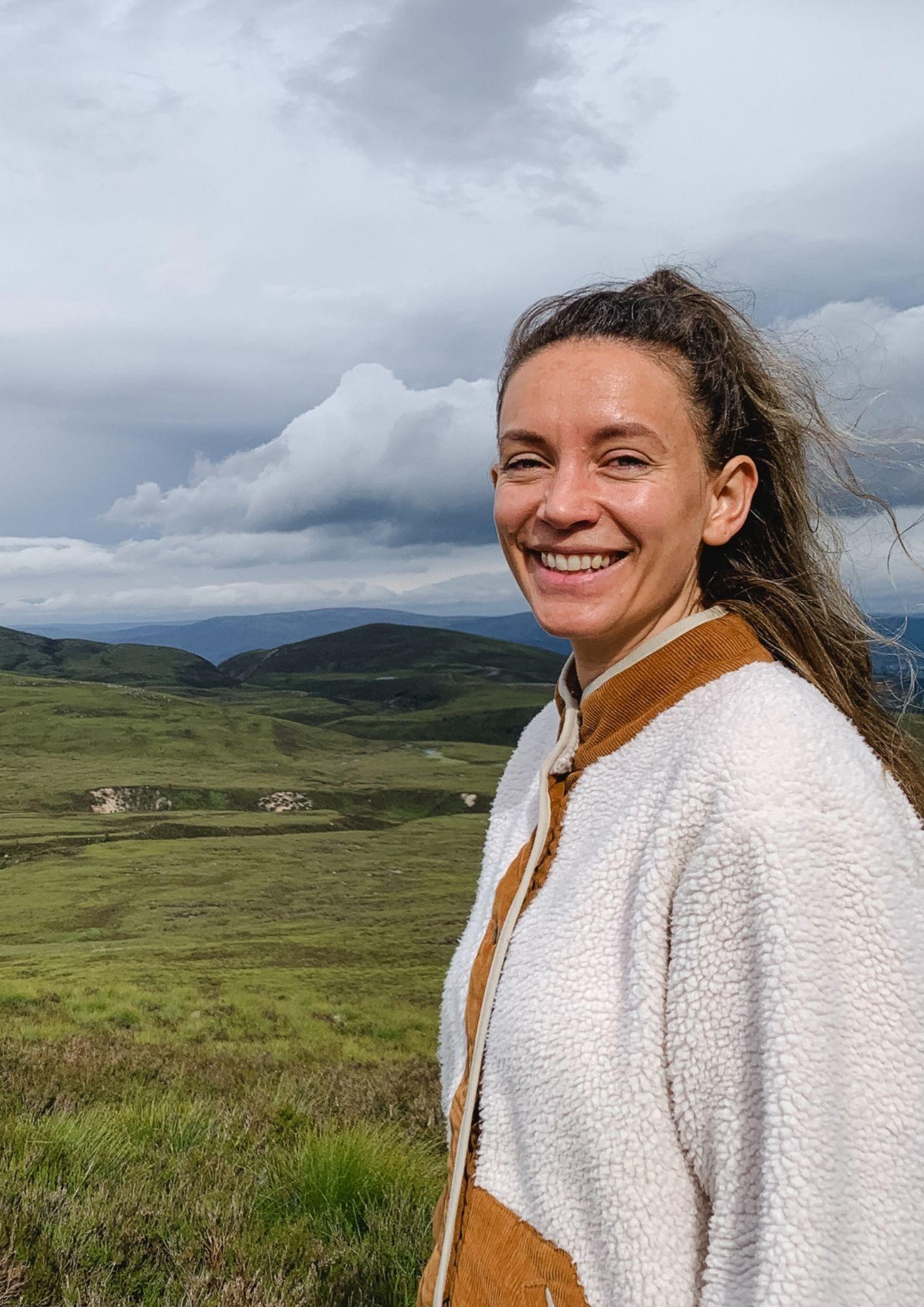
As part of a mission to celebrate pioneering women in the outdoors. Lise Wortley took up the mantle, quite literally, of the Scottish writer Nan Shepherd, who spent weeks at a time wandering the Cairngorms in the 1920s and 30s.
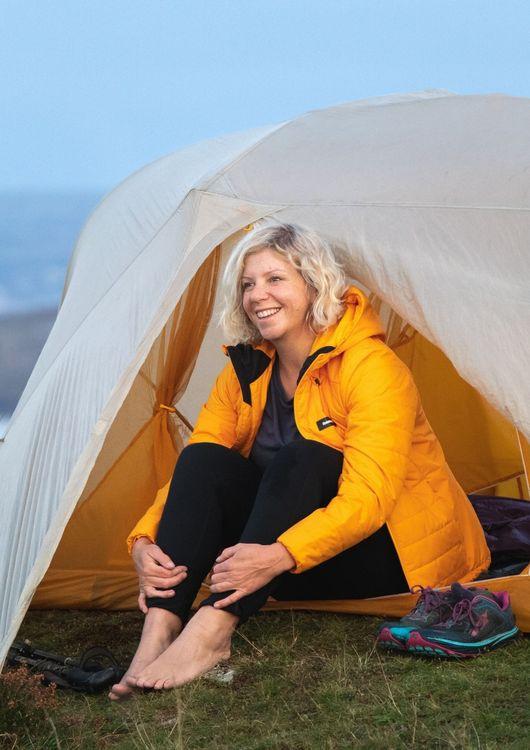
Lise: Yeah, so I'm obviously in very different clothes today, to the last time I was here. So I went back to the 1930s and 1940s when I came here last so I was wearing what Nan would have had at the time. And it's interesting, because these women never really write about what they were wearing. So I've got really into researching what they would have had, especially when it comes to underwear and things like that, since I go right down to every last detail. So I had hobnail boots and woollen socks, which obviously come with their own difficulties. They're not like my nice, comfy shoes I'm wearing today. Then woolly tights, a tweed skirt and a tweed jacket, and wool undergarments. 1930s underwear! That's what I was wearing, and it’s not waterproof. I also had a tent that was like a 1940s little bell tent that also doubled up as a “waterproof”, I'm doing inverted commas with my fingers, poncho, so I kind of wore the tent and slept under it.
Especially on this trip, wearing the old clothes brought me way closer to her writing, because I guess the way she experienced the elements and the way she writes about them. In the book, she writes about the mist and the sun and the water and the rain and all these things that she goes so deeply into that if I hadn't been wearing those clothes, and I'd had waterproofs, because it wasn't waterproof, I was wet pretty much 100% of the time, but if I’d had modern clothes, I just wouldn't have experienced that. I think I now understand her writing and her book on a much deeper level than if I was just reading it, you know, in modern clothing. And it also brought me closer to nature. I felt the wet, I felt the sun, you know, and it dried me. It's just a very different experience being in those old clothes. You definitely feel a lot closer to nature. I guess I was closer to Nan because of that.
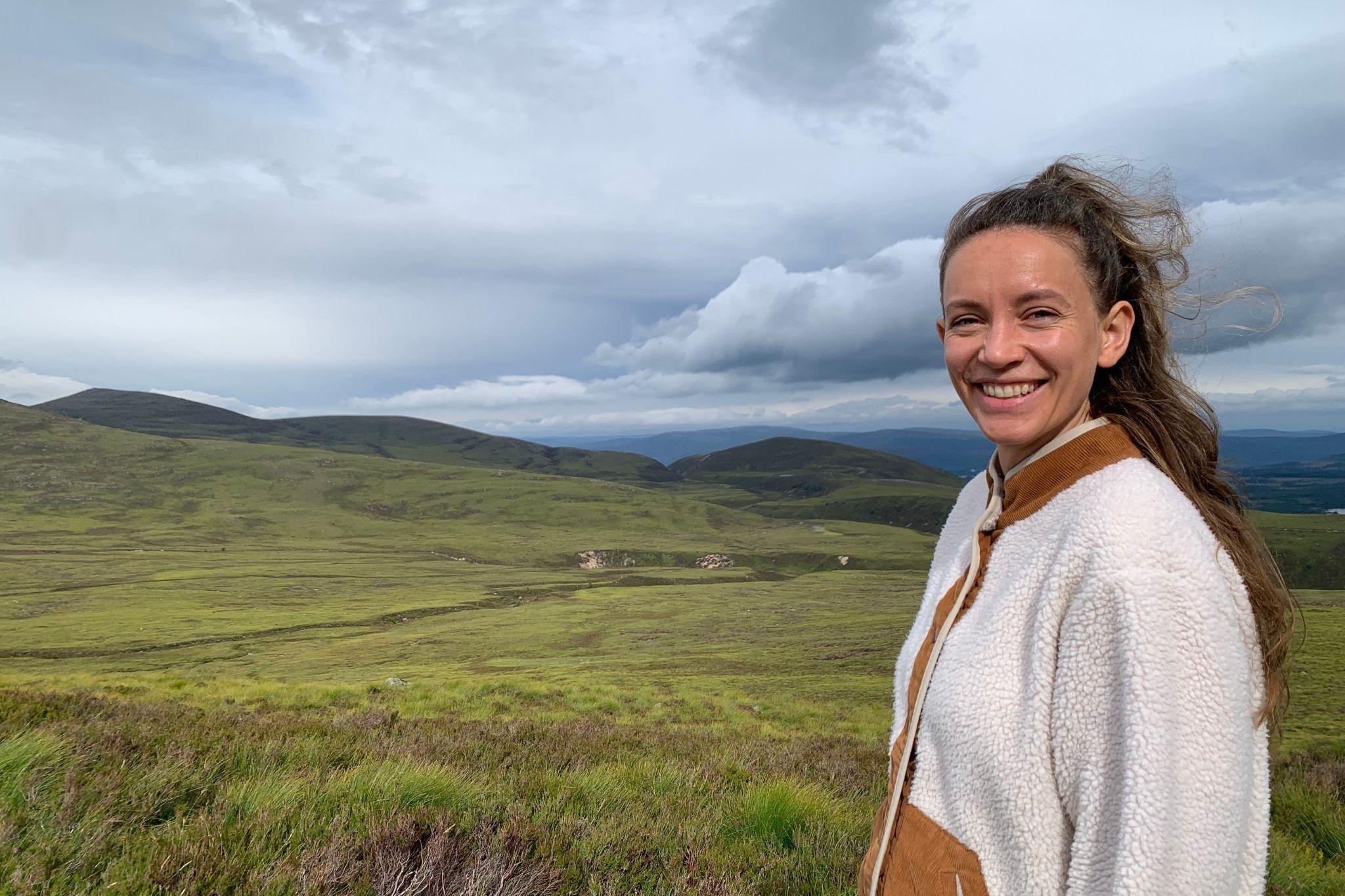
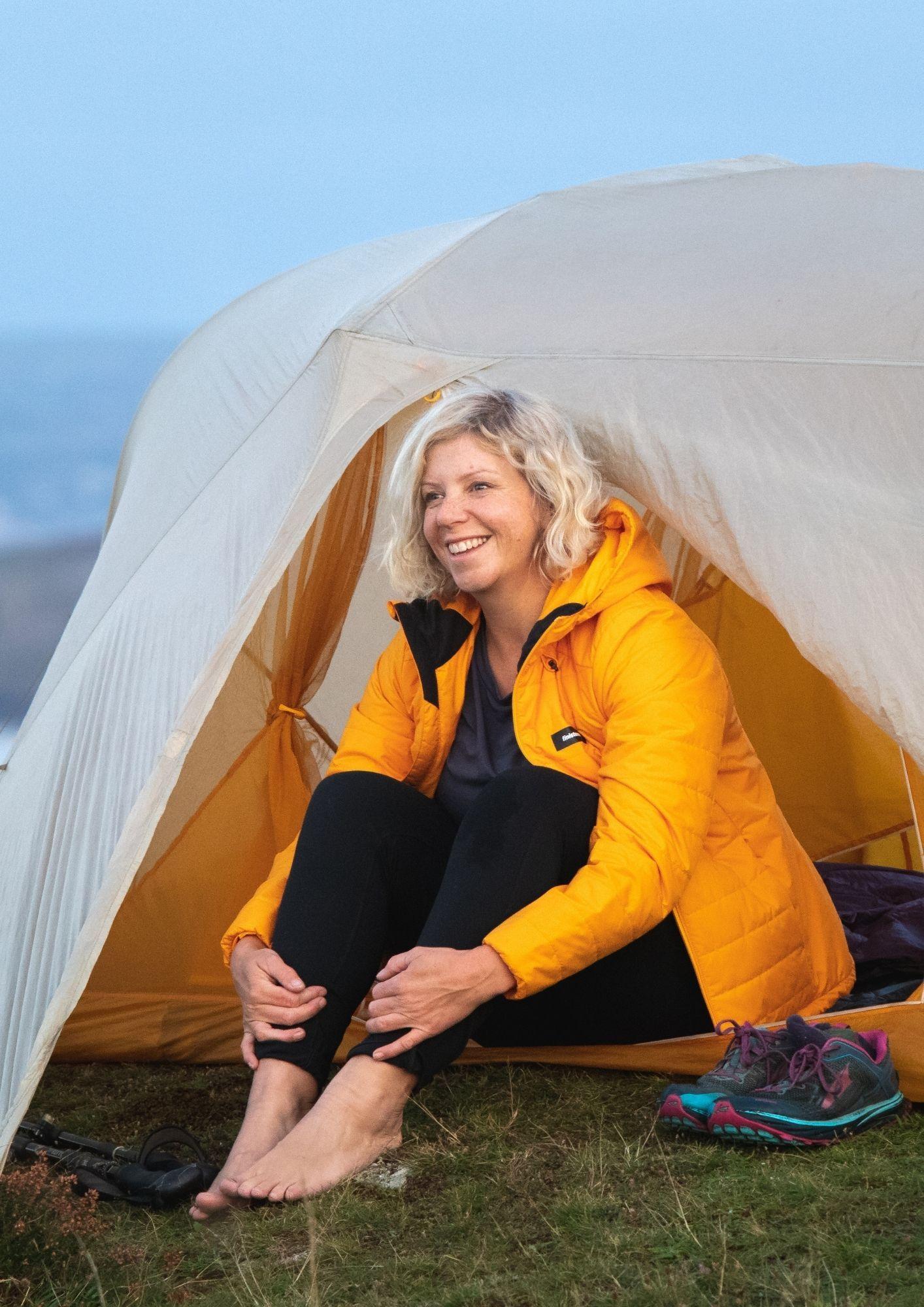
Gail Muller, who had suffered from chronic pain for years, challenged herself to walk the entire 2200 miles of the Appalachian Trail…
Gail: In the beginning of the trail, it was all about “I'm Going to get to the end, woo.” Then very soon it was like, “am I gonna get to the end of today?” I mean, it just goes on and on and on. You think I'm gonna hike the Appalachian Trail, but every day, all you do is get up, pack your tent, up, filter some water, have a cold coffee where the granules haven't dissolved properly, walk all day in the tunnel of greenness, go to bed again, for six months. So sometimes you just want to go home.
When I got to the end, I looked back on the trail, the winter blizzards, ice, eyelashes frozen, hair frozen, barely anyone trail hiking through in the sleet to the very end, and I wept and wept. I put my hands on it, put my forehead on the ground. It was literally… Thank you. Thank you. Thank you. Thank you. Thank you to the trail, and it makes me emotional. I'm emotional now. That trail, that dirty ribbon through those forests, saved my life, gave me back to myself, gave me a new perspective on humanity, on nature, on why we are here, on what a good life is, and it's a culmination of the trail angels, the people who live alongside it, the people who you meet, the people who open and bear their souls, the kindness of everyone helping each other along and in the rain on that December day I just gave thanks. I was the most humble and broken open I have ever been and may ever be. And in fact, it wasn't an ending, to be honest, it was a beginning. Sorry to be emotional. It's very moving for me.

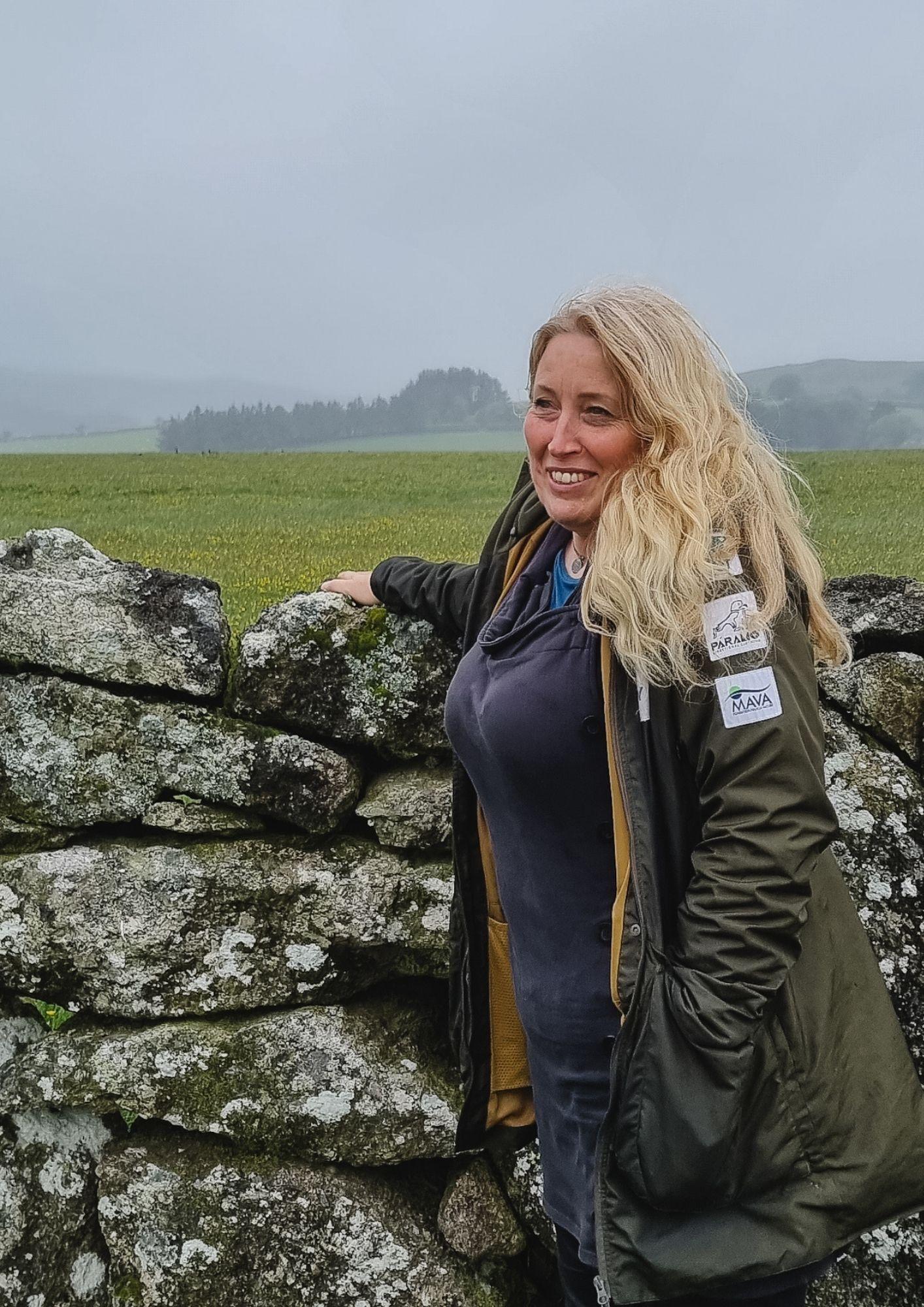
Then there's Sasha Dench, a biologist and campaigner who thought that the best way to halt the decline of the endangered Bewick swan was to fly its whole migration route from the Russian Arctic to the UK in a paramotor...
Sasha: Probably the most important thing was I could stop and talk to people all along the flyway. And the best thing about landing in a paramotor is that I can land wherever I want and whenever I want, so there's not a pre-arranged meeting or PR person there to greet you with a certain front. So I get a very real view from whoever happens to be there of how they respond to swans, what they think of them. Everyone has said beforehand that, you know, if you go to places and start talking to people about hunting, talking to hunters about hunting, they're going to be offended and, you know, potentially shoot at you.
I think people's perception of hunters may be a bit narrow, because up in the Arctic, all of the communities hunt because they don't have agriculture. There's permafrost there, and pretty much every community, when I landed, people would grab a hold of me, drag me inside and wrap me in reindeer skins. If I was lucky, they’d offer some raw, rotten reindeer meat or a bright red, metallic, reindeer blood pancake. And generally, they eventually ask, so you really came here all the way in that thing, just to ask about swans? Then not because they necessarily care about swans, although many did, but more out of human interest, they want to know more, and eventually they kind of ask how they can help.
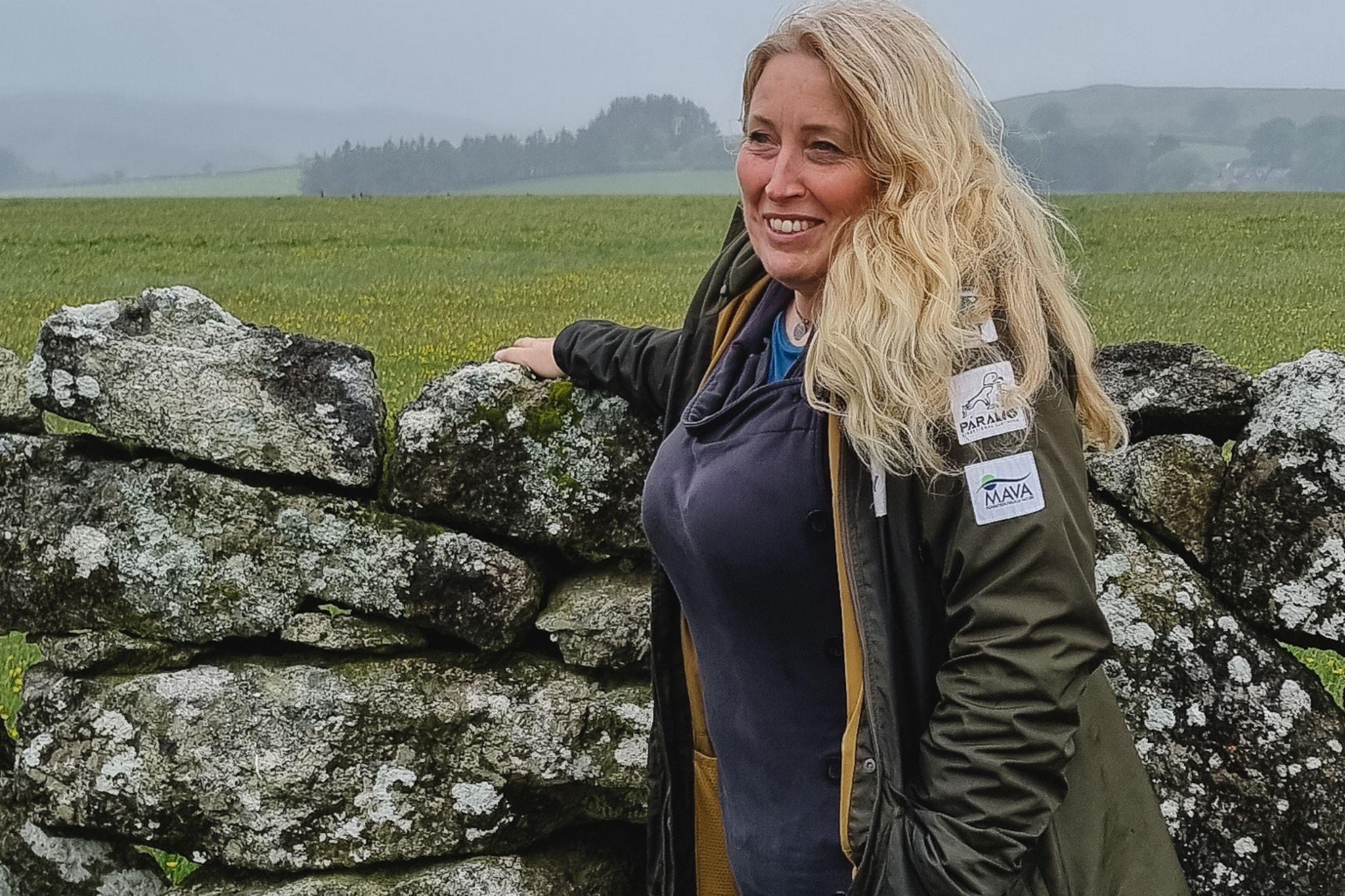
Of course, we can't all walk, fly or wear soaking tweed for weeks on end, nor would many of us want to, which is why it's important to find your own way in nature. As Sasha told us she had at the end of our windy walk across Dartmoor…
There were definitely moments there where I thought I'm in my absolute element here, flying over wild places. But I grew up in wild places, so I'm quite confident that I can kind of look after myself. I had lots of unknowns about how people would respond to me, where we were going, where I was about to land, but I love that kind of thing, so I actually thought I'm in my element here. But I know from talking to other people that for many that would be the absolute worst thing they could possibly imagine doing. So you know, if I've found a niche in life where I can have impact and where I feel like I'm in my element, then it's probably where I'm supposed to be.