


Quick Strolls - Coping with loss
Welcome to Quick Strolls, shorter walks with the guests from A Life More Wild, in which we look at particular issues and ideas that we've come across in previous seasons.
In episode eight, we look at some of the people who turned to nature when they were at their lowest, walking, swimming and listening to the sounds of the sea as they worked through difficult times. Just so you know, this episode talks about grief, death and suicide from the outset.
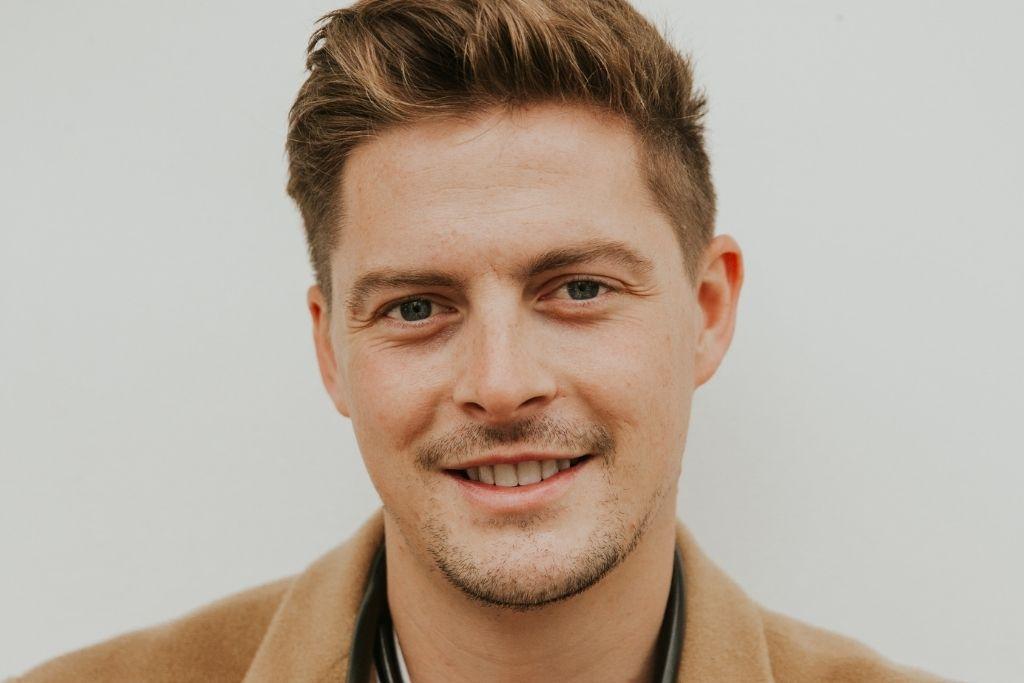
Dr. Alex George was dealing with the tragic death of his brother...
Alex: Particularly throughout the pandemic, you know, there's been really tough times, ups and downs. My relationship broke down sadly, but obviously most importantly I lost my brother to suicide in the summer. And you know I’ve kind of been quite open about all that and people might say, well you know I guess where do you draw the line of being open about things, but I'm naturally a very open person and people have been very supportive to me I think throughout that time. My brother never said that he was struggling. He never told me anything. It just was very sudden. And I think that sense of shame, I wonder, might be the right word to use, probably prevented him from speaking out. So I think, you know, moving forward, that's one of the biggest things I want to do is break down that stigma and try and hopefully see that people in the future who want help feel comfortable to reach out and get it. And actually, when they do reach out, that the help is there for them.
I guess I've taken you on a little route that I would take, particularly during the pandemic, to kind of deal with the stresses and pressures and I guess to feel a sense of calm. And it's meant so much for me. You know, the last year or so, I guess, has been difficult for everyone. But I feel very fortunate that nature's got me through it. And what would I have done, I think, without this incredible space?
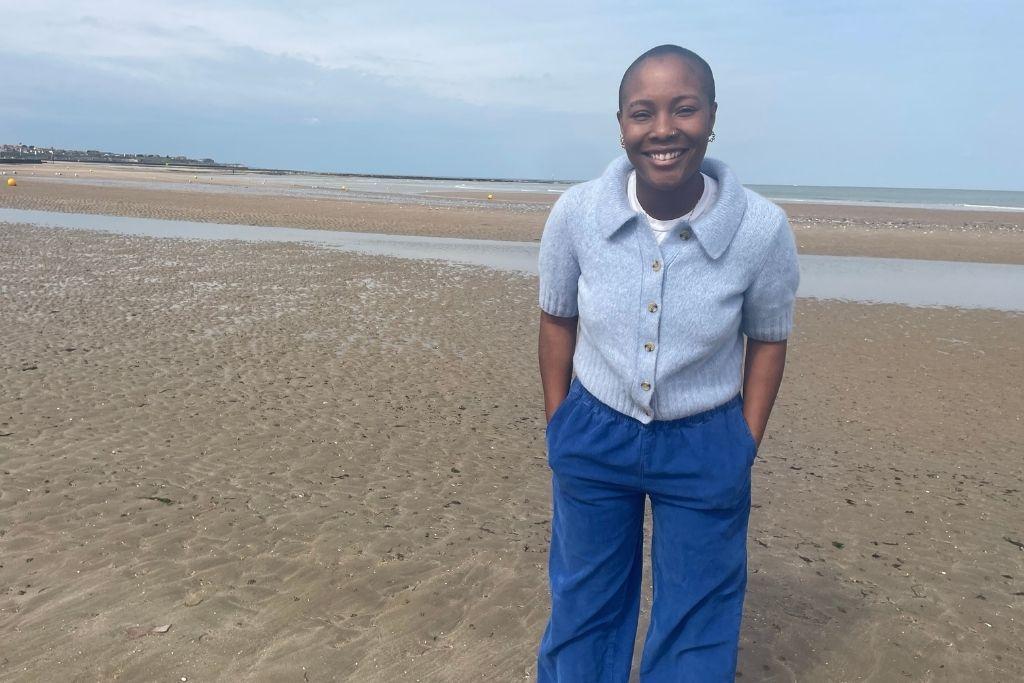
Author Liv Little found comfort in the seascapes of the South Coast, which helped her through the loss of her father...
Liv: I'm half Jamaican and half Guyanese, right, and so Jamaica, which is, you know, the place that I'm from, St. Elizabeth, they call it the fruit basket of Jamaica. It's where so much produce and things are grown and has a rich history. And my dad died a year ago and, like, his love of Jamaica, his desire to return to Jamaica is something that he's given me. It’s like he's given me Jamaica, he's given me that rich culture and history and love of the land. I mean it's a very different landscape, it's a very different history, it's a very different thing and expressing my love of it is not saying that it's without complications or issues or anything like that but it just feels, it just feels really great.
I used to, when I would go on holiday, because I was really extremely anxious and stressed and always under pressure with work, I used to like have panic attacks often. And I remember having one on a plane coming back from holiday because I was like, I have to go back to the UK and I have to go back to all of these things. And I don't have that anymore. I feel I'm excited to come back to my home and to my partner and to the home and the life that we have. And that feels really special. And that says a lot about what this... What these beaches, I think, have given me. And there are so... I can't even... You know, this is just one walk and talk, one kind of conversation that we're having here. But I've had... I have so many beautiful conversations with people where we are just walking...
Freya Bromley, who swum in every tidal pool in Britain, told us how both the water and the sense of community helped her deal with her own tragedy...
Freya: I remember somebody at Clevedon Marine Lake in Bristol had said to me, everyone has a story, everyone has a story for why they swim. And for me, I'd started swimming after my brother Tom had died. And the only thing that gave me any peace at that time was the water. And maybe actually looking back, it was also... probably also that lots of swimmers often tend to be women. And when I'd started swimming, I'd been swimming at the ladies' pond in Hampstead Heath. And I maybe kind of needed that maternal hug, that sense of being encased in a community or there being people that were looking out for me.
I think that was the same for lots of people I met. Everybody was swimming because they'd had a breakup or a divorce or they'd lost someone or they had a mental health issue they were struggling with and I think that became quite nice because when you're at the poolside and somebody offers you, you know a sip from their flask of coffee or they press their hot water bottle against you or offer you their towel, they're really saying, I'm out here too, trying to make the best of things.
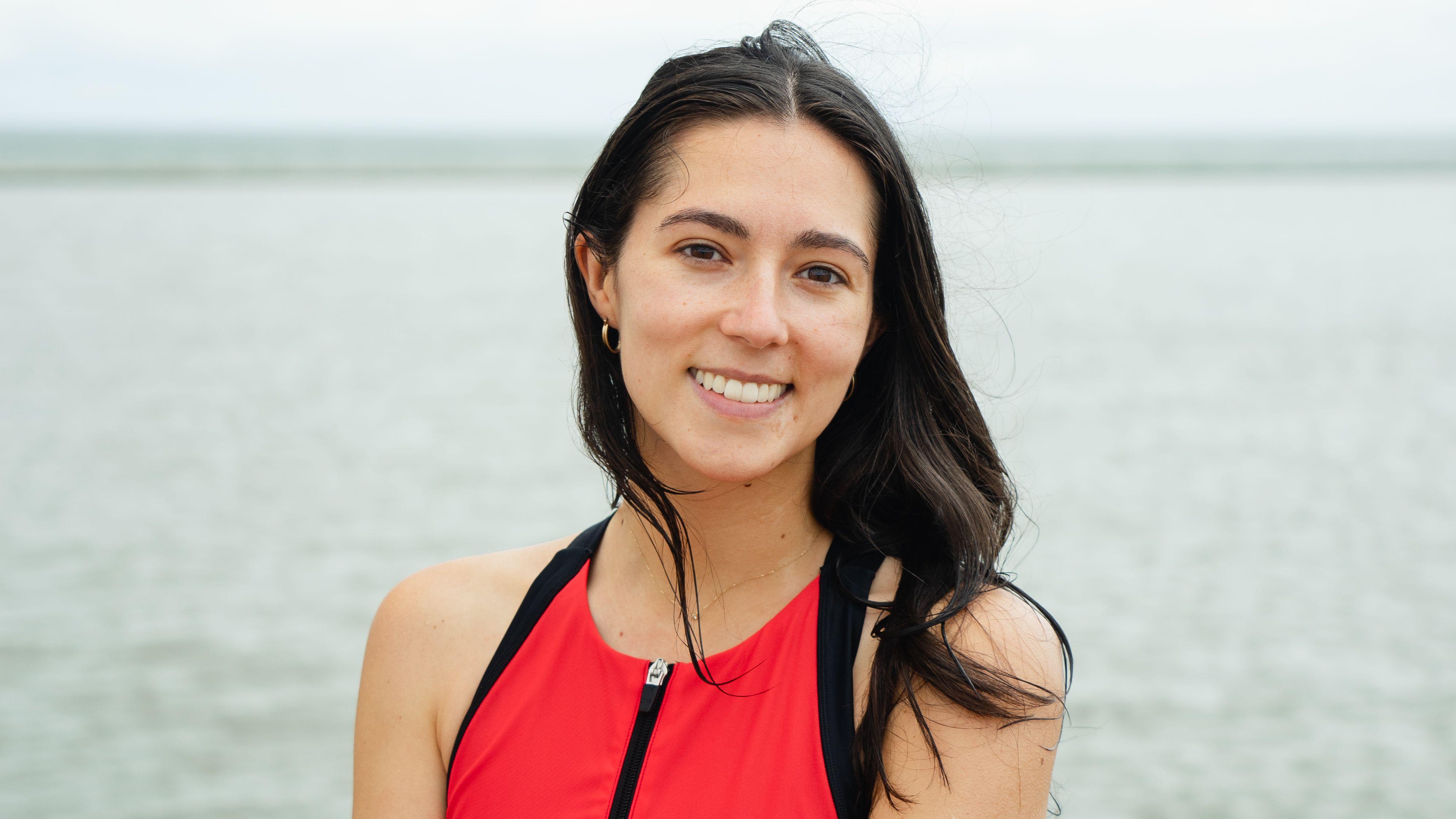
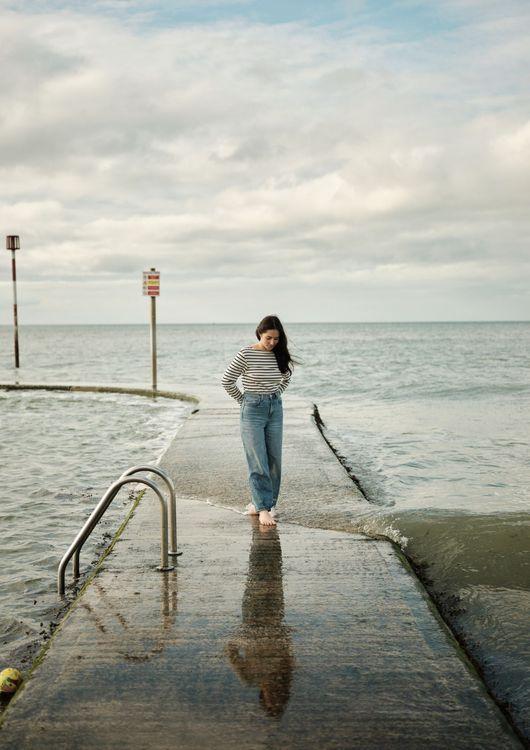
So if you're struggling with loss, or with stress, or with anything, maybe you could follow Alex outdoors, Liv down to the beach, or Freya into the water that cleared her mind. As she said when we spoke on a cold spring day, it's an intense experience...
When you first get in the water, it's so bracingly cold that it really just takes your breath away. And I think that's the moment where a lot of people panic because it can just feel so incredibly shocking. It really grips you. I often feel it at the back of my neck as well, this kind of tensing at first. But if you push past that for just a moment, like a deep exhale is really all it takes, then you reach this amazing calm, this total clarity.
Because while your body's getting used to the water and the temperature, everything else just melts away. It's kind of like an anaesthetic. It's so numbing. You just reach this absolute calm. And if you're somebody that has a very busy mind, you're always thinking about things, which I guess is just all of us. That kind of clarity, I've never found another way to have that kind of same sensation.