





Quick Strolls - Natural design
Welcome to Quick Strolls, shorter walks with the guests from A Life More Wild, in which we look at particular issues and ideas that we've come across in previous seasons.
Nature has often inspired design and innovation, and many of our guests were keen to celebrate its influence or lament what they saw as the loss of it, from the historic and the global to the deeply personal. These are some of their thoughts.
Ethnobotanist James Wong told us the fabulous story of a London landmark, which came from the race to grow a huge species of lily...
James: In Victorian times, when this plant was first introduced, there was kind of a mad dash amongst the British aristocracy to see who could get it to be the first to flower. And the big problem they had was its leaves are so enormous and so fast growing. And it was such a newly introduced plant that they kept on having to build bigger glass houses because they would just grow too quick for the size of the glass house. And eventually it became impossible to hold up a glass roof, without loads of pillars, that was wide enough for the plant. And Astonishingly, the engineering solution that allowed them to be able to create a huge glass expanse without pillars, was the underside of the leaf.
If you flip over one of these enormous green leaves that can be, you know, almost a double bed size, when they get to their biggest, there's a structure of veins and arches that reinforce themselves. And it was inspired by that structure that they first created the Crystal Palace in London, and essentially, almost every large building you see today without pillars started with the Crystal Palace, and that started with the race to grow a giant water lily and the structure of the leaves underneath.

Architect and presenter George Clarke spoke passionately on how design should reflect its surroundings...
George: I think one of the one of the sad things I think about a globalised world now is that a lot of architecture is starting to look the same. Just look at some of the contemporary, modern houses that are built all over the world. They tend to look like super modernist boxes. You know, the sort of boxes you would have seen in the 1950s and 60s, you now see in parts of Cornwall and Scotland and all over the place and a lot of it looks the same. And I think that's kind of a sad side of globalised architecture, really, if I'm honest with you. For me, historic architecture is about local materials, you know, responding to the local landscape, responding to the local climate you're designing for. You know, I'm not talking about massive regions here. I'm talking about counties. You would see variation between one county and the next.
You just have to look at a kind of geological map of Britain and see the variation of quarries and the seams and strands between limestones and sandstones and granite and marbles and clay and brick, and different timbers. You know that you'll that across the country as well, and that that generated what we know as vernacular architecture, which was basically responding to everything local, everything close to hand. A house in Scotland, absolutely should look different to a house in Cornwall and a house in the Lakes or a house in Sunderland or a house in London or a house in Kent. When you've got very good planners and very good architects who understand local design and local materials, I find that really exciting, you know.
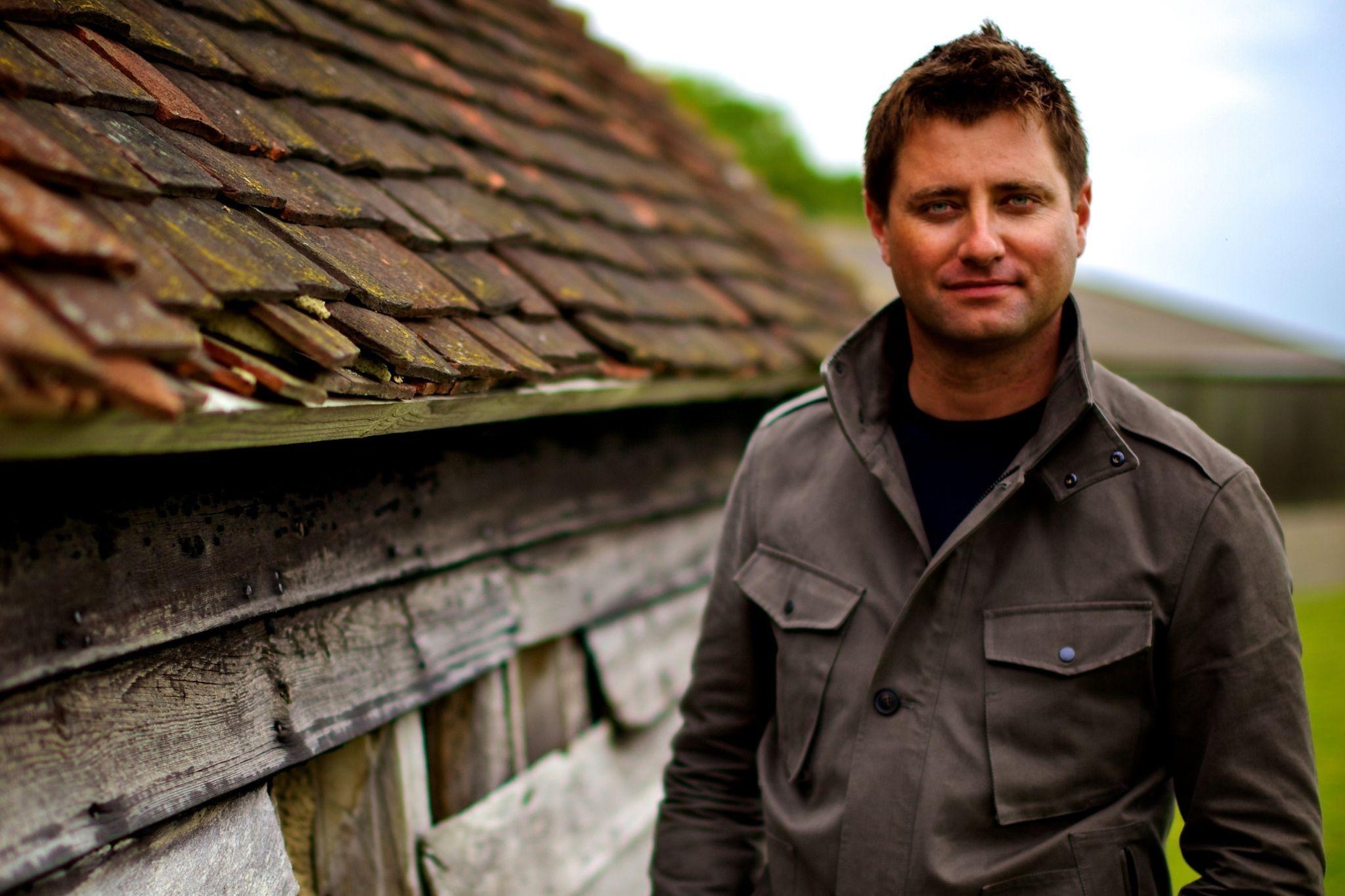
But it was Tom Leonard, aka Daisy desire, aka the Drag Queen Gardener, who brought it right back to the simplest of principles...
Tom: I looked after a client, I redid her garden, and she was partially sighted, with the possible chance of her actually losing her sight fully. So what I did was surround the perimeter of the patio part of her garden with loads of highly fragrant plants, because I knew that if there were to become a time in the future where she would fully lose her sight, she'd know where the plants are just from the scent. And I just think that's lovely as well.
Because ultimately, you're not just seeing a beautiful garden. It smells amazing too. And I think we got to remember that side, because ultimately, you know, when people go to like the garden centre or grow their plants, they just think, oh, that will look nice. But again, gardening is not a one-dimensional kind of place. Gardens are so much more than just pretty looking.
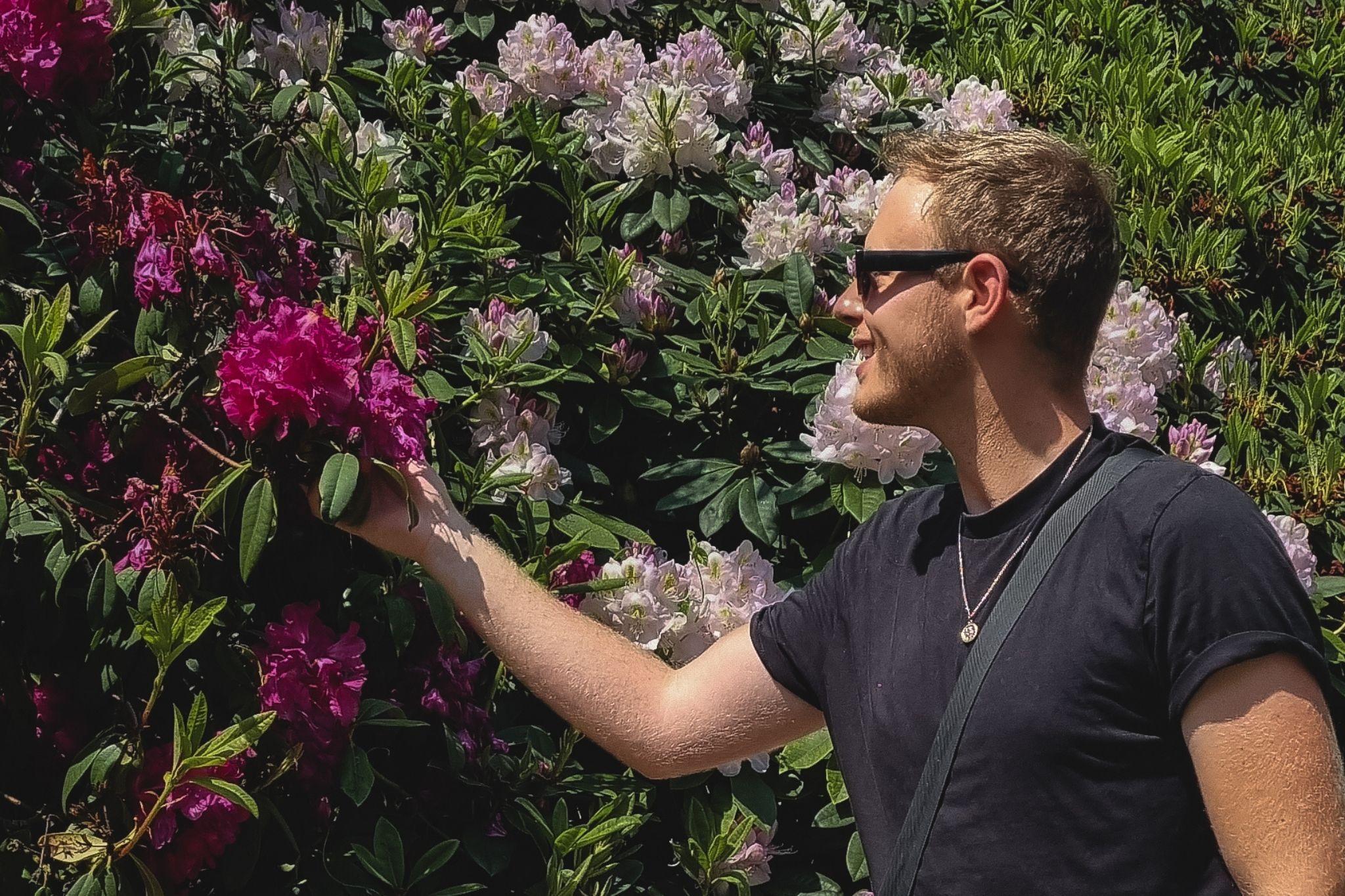
So even if you love designing and working your garden, maybe keep Tom's final words in mind...
I kind of feel like the look of a garden is always 10 or 20%. The rest is how you enjoy it. I always say to people, I don't care if you've got weeds in your garden. Often, on my allotment, if they're not up to my knees, they're not coming out. I'm just here to enjoy myself and connect with plants, and not necessarily make it always look pretty.
But one thing that I would give as a bit of advice for anyone who's getting into gardening, or anyone that has a garden or a windowsill box is make sure that you have a seat. Because a garden or your little kind of balcony is not a garden without a seat. Because how are you ever supposed to sit down and just enjoy if you're just constantly working on it? You need a moment to sit down and go, oh, my God, this is beautiful.