



A Life More Wild - Series 5, Episode 10
Tim Key on maybe being a ghost and definitely being a pigeon, but not knowing why
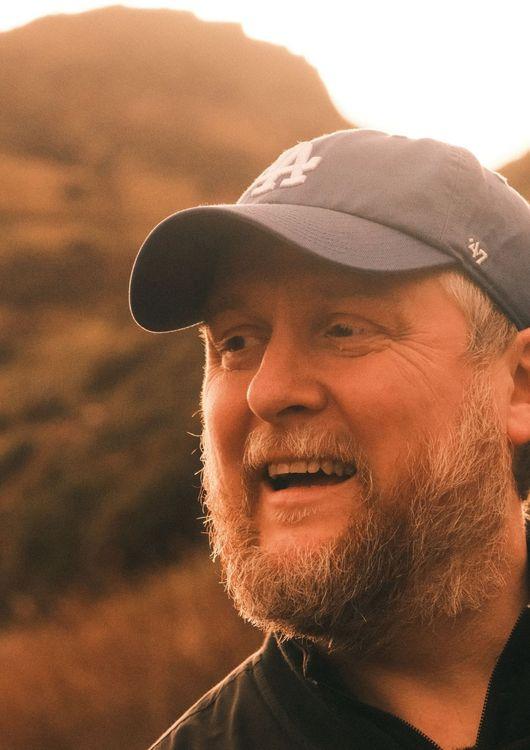
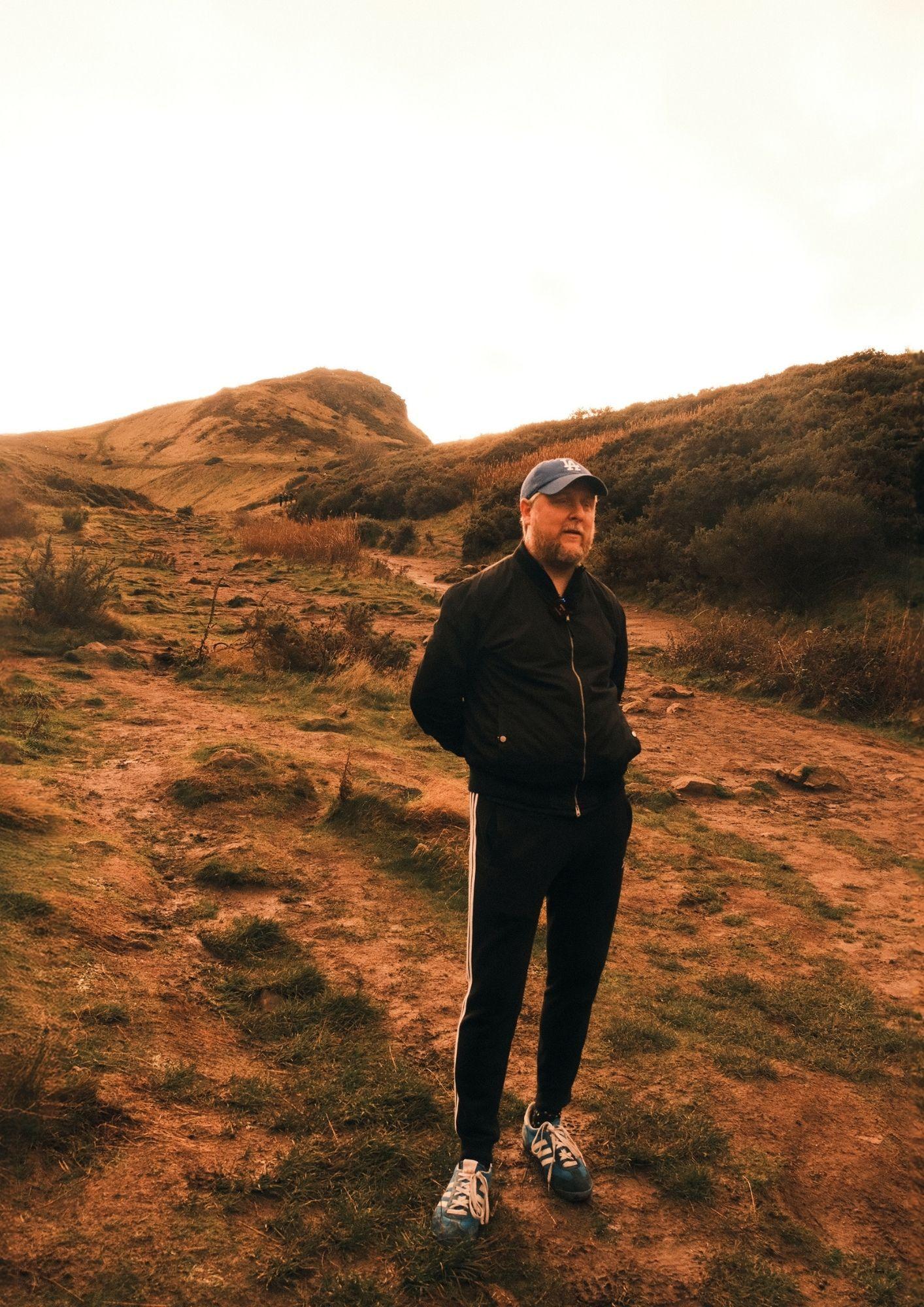
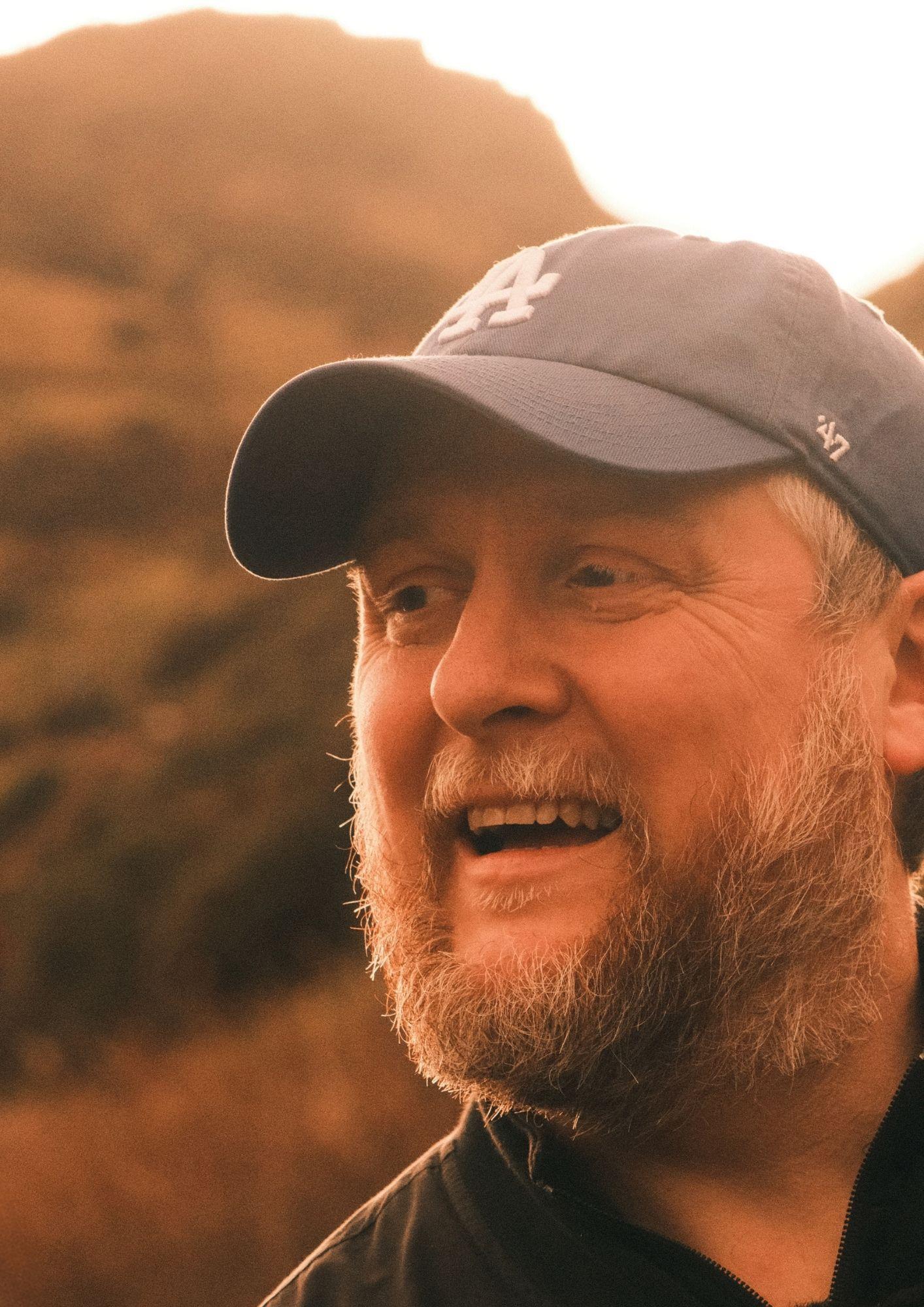
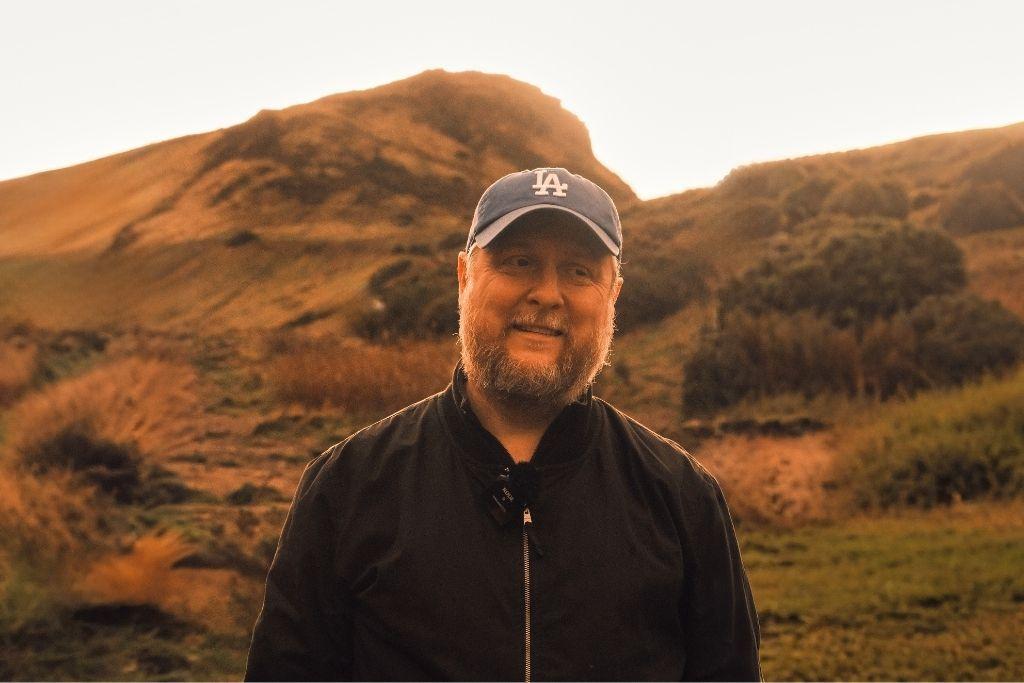
For the last episode of A Life More Wild this series, we’re out on Arthur's Seat with poet, comedian, writer and actor Tim key. He has an emotional connection to this place, after years and years of visiting. We're going to go all the way up Arthur's Seat and all the way back down.
We are now in, I want to say my spiritual home, Edinburgh. We’re just coming past, is this the Scottish Parliament? Is it? Yeah, Scottish Parliament. We’re coming past the Scottish Parliament at the bottom of the Royal Mile, and I'm faced with a big lump, which I don't think this is Arthur's Seat, per se, but it's not far off. This might be something crag, Salisbury Crag? Yeah.
So I've been coming to Edinburgh every year for 24 years now. First year, 2001, I used to run up, depressingly, I used to be able to run up Salisbury crag, and probably ran up there about 10 times with my friend Mark Watson, who I started out doing comedy with. I'd stand heroically on the top of the cliff, on the Salisbury crag, surveying my city. Then every year after that, I'd do the same, less and less, slower and slower, but as a badge of honour to get to that point on the top of Salisbury crag, and then just look over the whole of Edinburgh. And I think this summer, well, you know, dress it up as much as you like. Really, I don't think I did that. So we are where we are.
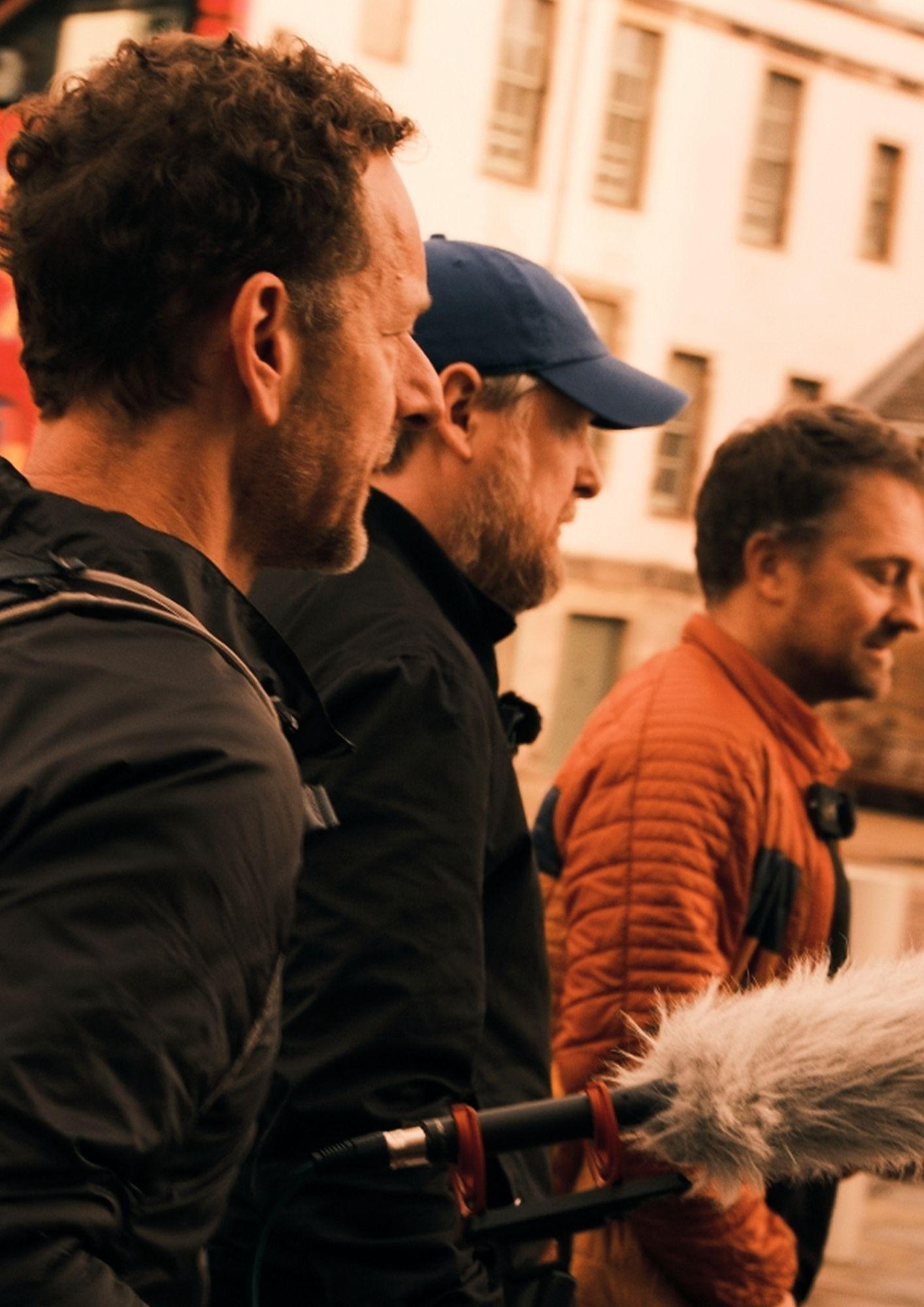

So you start, were you doing comedy then you've worked on the poetry side? Or were you doing poetry and worked on the comedy side? And was Footlighs a total blag as you weren't a student?
Yeah. Do I have to answer that in a full question? The way I got into it was when I was living in Cambridge. I guess I would have been like 24. I pretended, amazingly, a student at Cambridge University. People like the story because I think it's, you know, someone who's like, has no right to be in Cambridge, went to a pretty normal school and all of that. Then suddenly, because I think a lot of people who are at Cambridge are kind of... well not everyone, but most are privately educated. So I think I was doing it for the people, where I just went in and pretended that I was studying at Sydney Sussex College, had a decent cover story and wormed my way in.
And then I think the director sort of got, he was on to me, and I met with Phil and Owen, who were running the show, in the Maypole pub, and had a kind of De Niro and Pacino in heat, or like, you know, Gordon Brown and Tony Blair, this kind of clandestine deal where they said, Okay. I was, like, waiting to hear what my punishment would be, and they were much more okay, we don't speak about this, you're in. So that's how I got in. And then I guess that would have been, like, winter of 2001 and just before that, no, no interest in this area.
Well, not, not no interest. But it sort of feels impossible. Like if you're a, if you're like a 12-year old, the prospect of doing what I do now, being a comedian or being or someone on telly feels like no more ridiculous than wanting to be like a spaceman or a footballer. I don't think you're encouraged necessarily to believe that. There's a sort of raft of jobs which go quite high and quite interesting, which you can do. And then there's another raft separate from that, which are just like, they're not really jobs. They're sort of make believe. You shouldn't really be in a world where you’re in the same world as Mr. Bean, because that's like somewhere completely otherworldly. So, yeah, it's weird. In 2001 that was all bound up with coming to this place, to Edinburgh, and I guess the first steps into, you know, working out how to do it, and working out what I wanted to do.

The thing about Edinburgh is you do suddenly have the chance to do 25 nights in a row, and I think it's a blessing and a curse. It's a blessing, mostly. But you know, that kind of weirdly relates to this walk where I'm taking you now. I think all comedians would probably agree that unless you're very lucky and you arrive and you do your first show and it's perfect, which I think is probably sort of no such thing, you can find yourself soul searching, feeling that everything's about to implode in those circumstances.
Then I think you have, like, a couple of options. You do have, you have each other, and there is, like, a very supportive and good community of people. You also have your sort of people who, by and large, the people you started out with, who you kind of keep going back to. So in my case, I started out in the same sort of era as Mark Watson and Alex Horne, Tom Basden, Stefan Golovsky, Lloyd Wolf, Katie wicks, Anna Crilley, this sort of you know, group of people who are your contemporaries. And that's Option A in terms of keeping your sanity and in terms of trying to steer your ship through the fairly complicated seas of Edinburgh.
Option B is what we're doing now, I think where you go much more... you isolate yourself, and it's kind of horrific, but yeah, I'd say I remember a show I did last year, yeah, I wasn't sure exactly what it was. And so this walk we're doing now, and variations of it, I wouldn't claim to climb Arthur's Seat every day, but getting out of the city and walking on paths like this, and just either, I mean bleak as it sounds, listening to your own show, which isn't pretty, or just thinking and maybe just allowing yourself to stop getting caught up in everything that's happening.
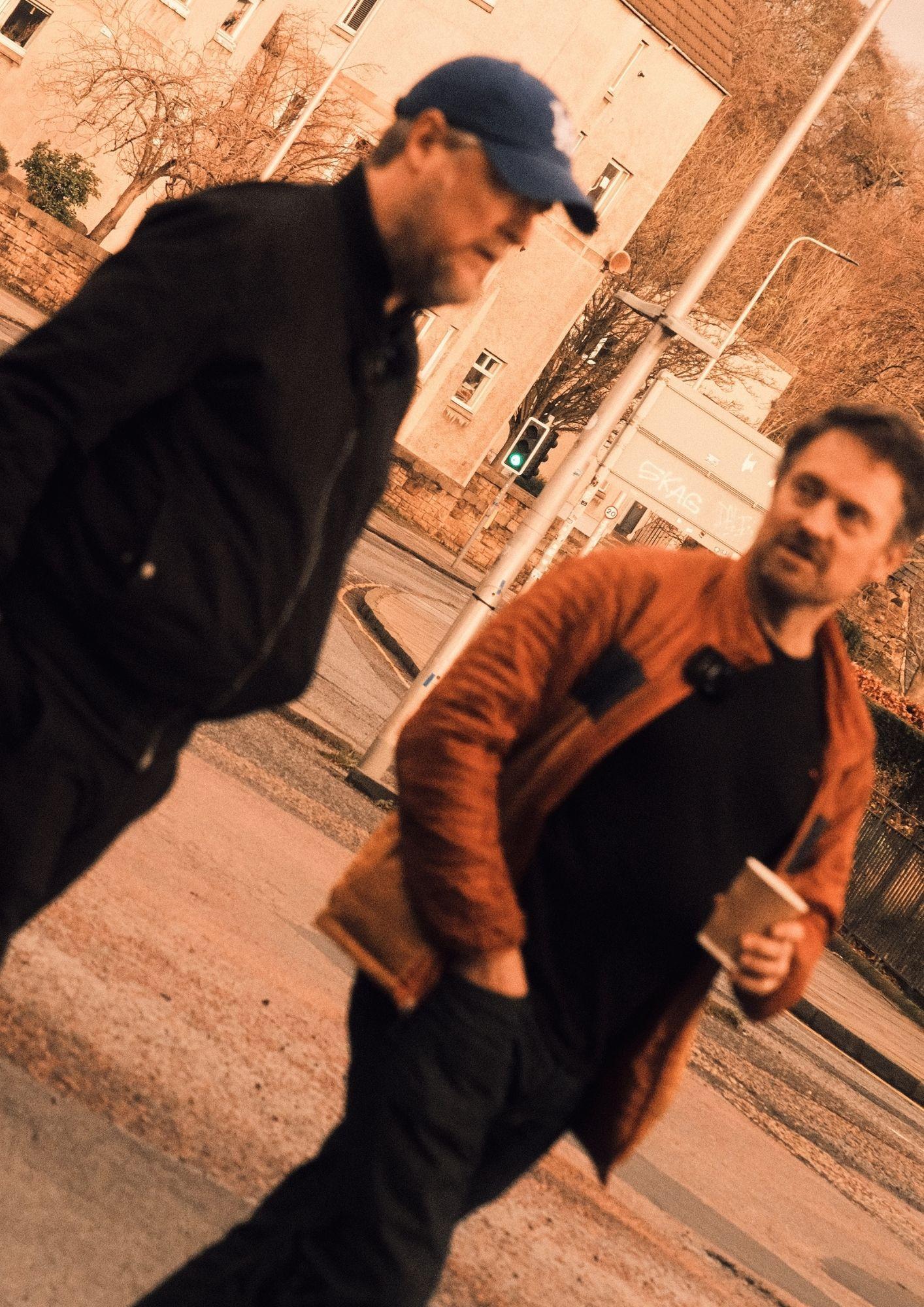
How much is it collaborative and how much competitive?
Well, I don't think it's competitive, but then again, I suppose I do deep down. I feel like we only worked this out the other year, me and a friend, John Kearns, who's also, pound for pound, my favourite comedian, another stand up. And he and I worked out that two metrics for me, anyway, is to have someone on the train home who says my favourite show was that one, right? And then when you you yourself, are on the train home, you say that's the best show I've done, and I think both of those are really, really high bars. It's interesting. You see again, me and John, we talk about this, like watching other people's shows, and I love doing that. But not until my show is working, because if your show isn't working, nothing good can come of watching someone else's show. Because obviously, if the show that you're watching is bad, then obviously that's bad because you're watching something that's not very good, and if the show you're watching is good, well, that's a terrible outcome. I do remember specific Edinburgh's where I wanted to go and watch John or someone, or, you know, one of my favourites. And just think I can't do that yet. That's going to absolutely destroy me.
So we're halfway, oh, wow, that's about as good as I've ever seen it. We're halfway up to Arthur's Seat, and what we're looking at is, well, I'm probably going to let myself down there, but I think that's probably Portobello, is it? Yeah, I'm looking across at Portobello, and then there's some, well, what I can only describe as a body of water, and I'm guessing that must be the ocean. There's an island, maybe that's the Isle of Wight, maybe something like that. And then this kind of a beautiful, kind of sun coming through the clouds and making this kind of striking, this, I want to say, hillock, beautifully. And then if I turn a bit, you've got Arthur's Seat just over there, and a load of Edinburgh over there. There's Hibernian. I think I'm sort of very much, obviously, my father's son. And I wouldn't usually stop halfway up, but when you're doing a podcast like this, you have to just at some point give a shout out to the scenery.
Okay, yeah. I think this is one of the great gifts from my father and my mother, to be fair, that they did love to make us walk, and a lot of trips to the Lake District, and a lot of climbing things like Helvellyn and so on. I would imagine there's people who come to the festival for the whole month, and this thing is just something you occasionally get a glimpse of across the city. Whereas for me, I think it would be sacrilege not to. Once you've climbed it the first time, you realise that it's pretty quick to climb. I just think my father would be so disappointed in me to be so close to something that you can climb and not do it.
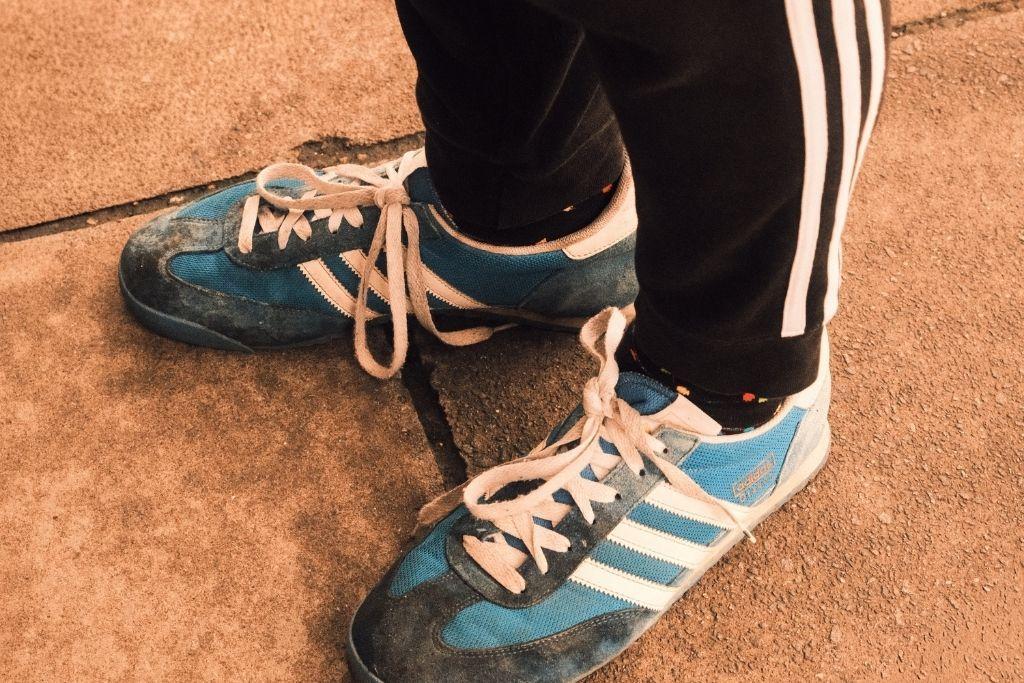
So in 2001, the show went well, and it was a sketch show, and it was a really fun month, you know, wide eyed, just you can't believe what's happening, audiences coming to the show, flyering for our own show, obviously, on the Royal Mile, meeting people, but not, not that many. You're totally on the outside. That came later, like two or three years in, where you suddenly have more of a gang, and you suddenly have this kind of energy where you feel like you are sort of relevant to what's going on. Your show has some kind of worth, and you're making friends, and it's starting to dawn on you that it's kind of a big part of your life this month, but before you get to that, you have to, unfortunately, navigate your way through 2002.
So in 2002 that is when Mark Watson and I both decided that the next thing to do was to work out how to do stand up. And Mark had done it at university. Alex was now two years in, and was going great guns in London, and me and Mark started to do it. So you write your sort of five minutes, and you go off into London. And yeah to say, it was a chastening year barely covers it. And Mark was immediately absolutely brilliant at it. His character, his persona, was in those days Welsh, and he's one of the best. But that gave me a sort of a kickstart, because he'd go on stage Welsh. And, you know, get the big build up from the compere that would die down, and then mark would go “Taaaaaaa” and immediately 200 people would be in love with him. And very, very, very funny.
Whereas me, I was like, had no idea what it would be. It was like, very, workmanlike. The only thing I can describe it is a sort of bad stand up. And I did it for about 10 gigs across about 10 months, which is also ill advised, usually going badly, sometimes going very badly. Often with Mark, with people afterwards, I was like The Sixth Sense, you know, people would just go and just talk to Mark and say, that's fantastic. with me sort of stood there, not knowing whether I was a ghost or not. At that point, I walked away from doing stand up and, you know, focused on other projects. And I guess my other projects were being Alex Horne's friend and doing a lot of stuff with him, lot of sketch stuff.
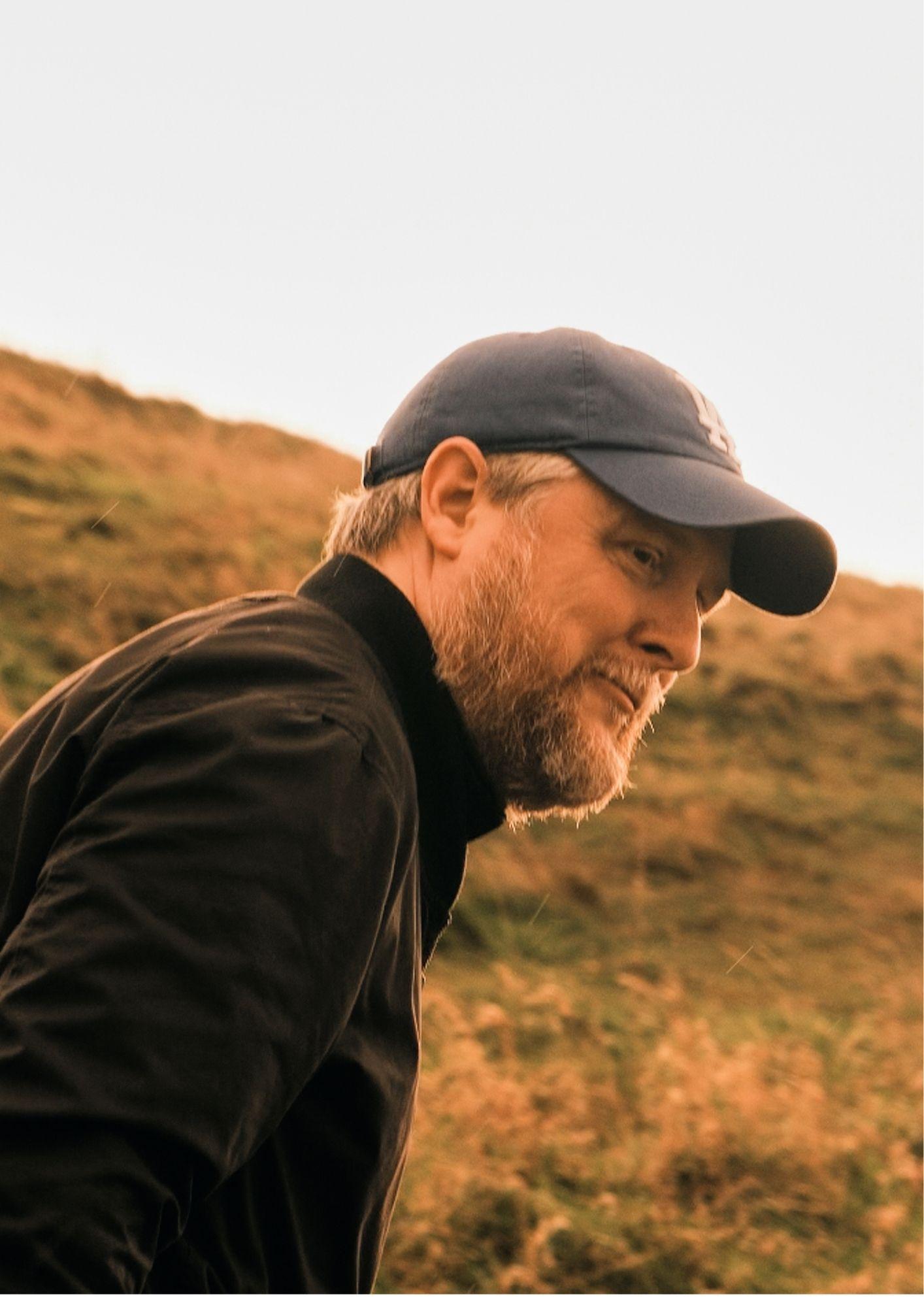
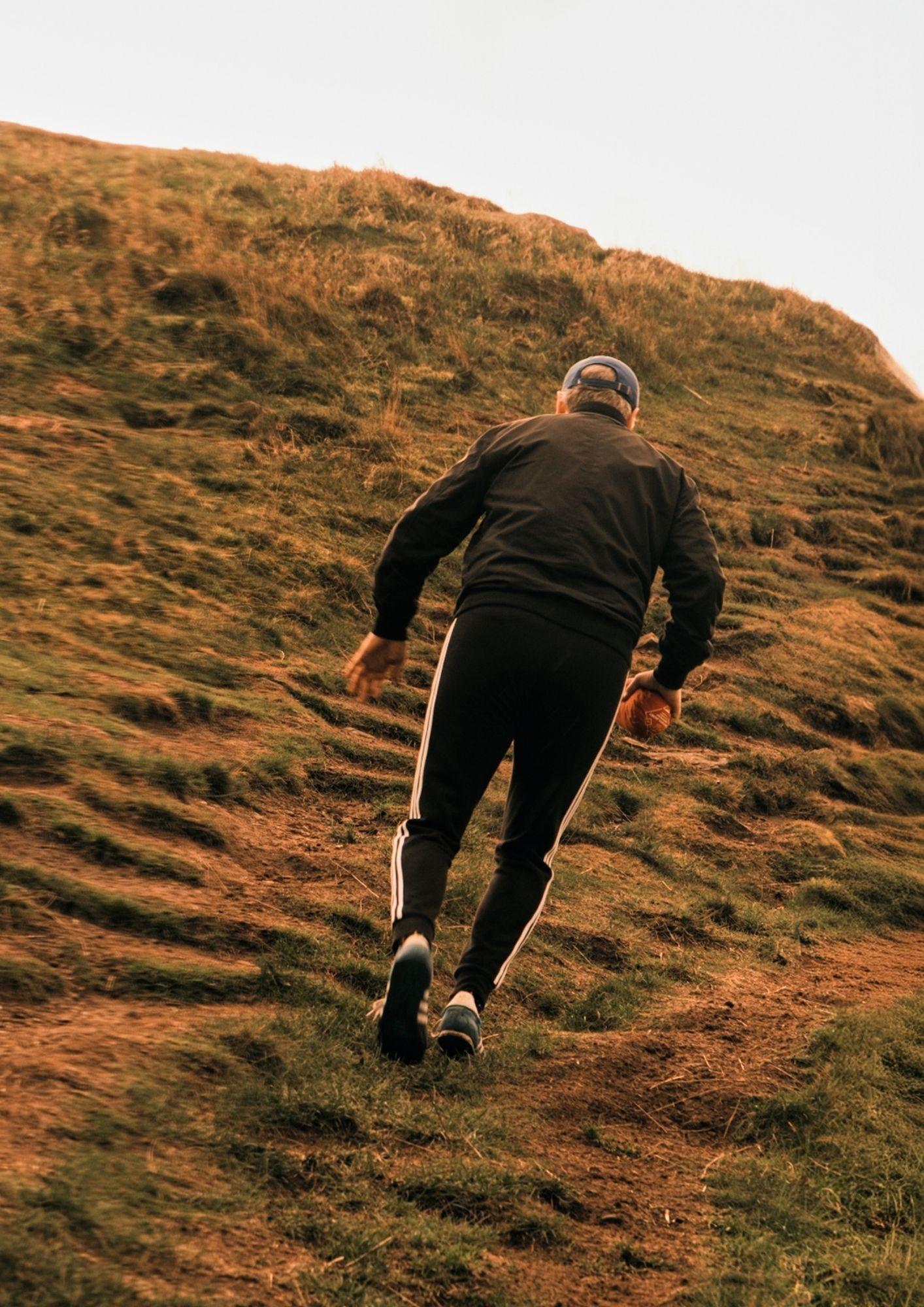
So when do you then go, tell you what poetry! That's the answer, yeah.
About two years after that, I got asked, well, we organised a live gig. Mates living in London, let's do something. And it was called Live in Breen's Lounge. Breno, another kind of absolute stalwart of the era. So we got our lineup. The idea was for me to do stand up. I said I wouldn't do it, but I had written these poems, and I said, I'll read some poems out. And then it was kind of mad. I just climbed through the window to get into the lounge, which is how we came on. It's not a metaphor, no, through the window. And I had some like, yeah, Soviet Lounge Music Playing underneath. And I had a can of red stripe. And I was wearing a suit, and I was reading off scraps of paper, and I did five minutes, and people laughed, and yeah, that's now my that's my act. And it was sort of fully formed immediately. It was amazing. Obviously, some ups and downs, but pretty consistent. It's pretty much what I do now. And yep, it's what I did last night in the Queen's Hall. Just me in a suit, reading out poems, occasionally commenting on the poems, and talking to people in between. That was 2000 and I guess... four. And then I did that and worked it all up for 2005/6, and then brought that to Edinburgh in 2007 and, yeah, there would have been some walks up here, because the show was, like, it wasn't perfect. I'd say there was, like, some nights where... we're on the Top of Arthur's Seat. Wow. Very, very windy, wow.
I saw, well, actually, I saw the first half hour of Mickey 17, and then my internet crashed, right? But how did what's, what's the LEAP there? Because presumably you're not screaming at your agent going, how is my poetic comedy not translated into big budgets? Oh, yeah, no, get me some R Patz movies.
Yeah, Mickey 17 was. There's no romantic story behind that one. I think someone dropped out, if I may, honestly. And then, I think it's a casting agent. I mean, it's really basic stuff. I'd love to say that Director Bong, yeah, you’re the guy we need! But I did get to meet Director Bong for for brunch and and his producer. And it was, yeah, it is kind of quite pinch yourself stuff, in a way, just because I just loved Parasite so much, such a good film. And then suddenly you're in, you're in there, and he's great. He's a kind of big, warm hearted bear of a man.
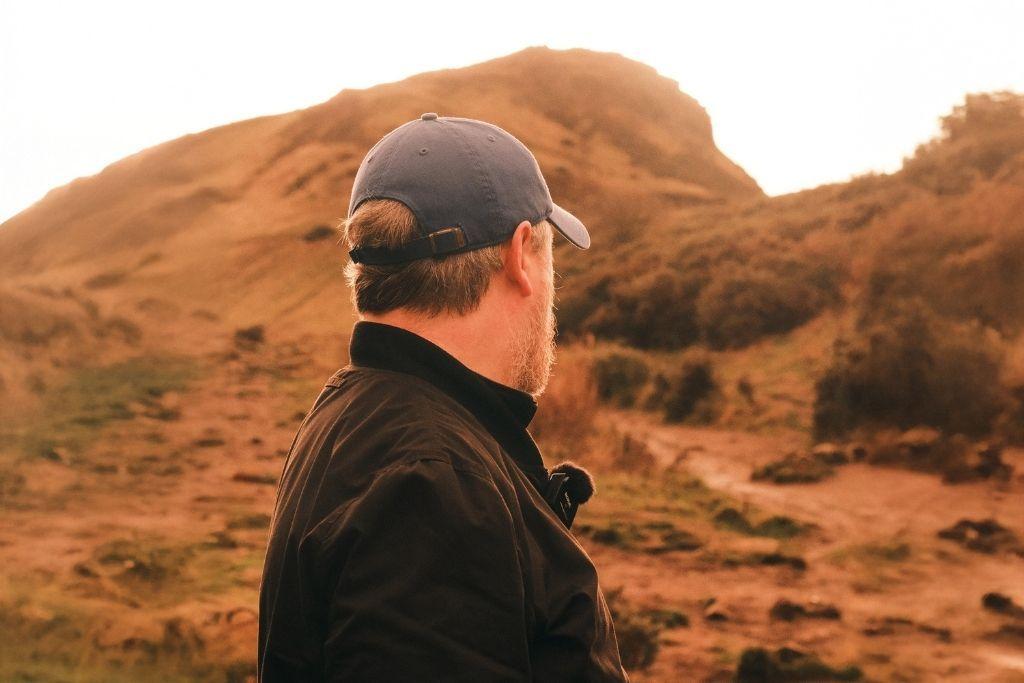
Throughout the whole experience, I'm like, right from the start, sorry, why am I pigeon in this and him laughing, and me going, right, okay. And then on set, just saying, I don't... I must say... why am I dressed as a pigeon? And him laughing and me sort of looking at his translator, seeing if she can sort of shed any light on it. And then, I think just didn't ask anymore. Then at the rap party, I remember, like going over to him, going, can you just tell me why I was a pigeon in that movie? And him laughing again, and me thinking, I think I'll leave it there.
Do you think he doesn't know, like, there must be a reason?
No, I think maybe. I think, no, I think he's just sort of thought, okay, in a way that a lot of the funniest things are like this, like, it's just kind of, there's an incongruous thing where he's thought that guy can be a pigeon, and then hasn't changed it, and has sort of warmed to the idea. And probably every time he's sort of been looking at his script, just thought, well, that's good, at least that guy's a pigeon. I mean, hats off to the guy.
Yeah, you can get to a point where you think you know what, I can do this, and everyone's gonna say this genius behind it, even though...
I do think so. I think people can. People can assume that that's what's going on. I did! I was in Melbourne Comedy Festival, and I got onto the stage, and at the start of the gig, my music, my walk on music, finished, and I opened my can of beer, as I like always do at the start, and then I went to my pocket to pull out the first poem, and it wasn't there. And suddenly the colour drained from me. I'm like, Oh, dear, this is bad. So I left the stage and went out of this door to go to my dressing room. And in that venue, you had to go out into this sort of car park bit and then back in, so I went out into the car park bit. The door closed behind me. The other door wouldn't open, and I didn't have my key card because I was in my stage stuff. And then I just stood there for a moment thinking, Okay, so the show’s started. I can just hear really dimly through this thick door and a bit of corridor, I can hear my audience, and they start to like, titter a little bit, because I think they're thinking like you say, they're sort of thinking, Okay, this is interesting. It's a pretty bold way to start a show.
Do you ever feel just to sort of go back? I've seen you talk about, sort of just writing in floods, yeah. Do you then go back? Do you edit? Do you ever feel a pressure to be more? Tim key, oh, God, I've got to edit it, because it's not I'm just wondering. What do you what do you find funny? Like, how do you know you've written something funny that you like? Or is it just interesting? Is it funny you're going for Yeah, or is it more sort of interesting thoughts
I've always been well, I guess in terms of writing, some of it will come from this sort of thing, you know, just walking along, something will occur, and then you just sort of put it into your notes and stuff, and maybe turn that into something at a later date. The lucky thing I've got is that I've got poetry, and it means that, well, the way I deal with poetry anyway, is I just get my notepad out on the train, in a cafe, in the pub, and just for 20 minutes, just blitz it and maybe write three poems. And those, no, I never go back. I guess I sort of see those as, if I could do art, which I can't, that would be like doodling. So they kind of are fully formed. I very rarely change a word. But then if I do something like I have a sitcom on the radio. That's brutal. That's a lot of staring at a blank sheet of paper, it's plot and things like that. Which are the things that kind of really take it out of you. I think for me, anyway, live shows are a kind of alchemy. And I think it sort of really suits me to write to do live shows, because I can have lots of splintered, different ideas which will kind of come together to form something which isn't necessarily a story, but definitely all feels like it's coming from the same mind, at least. So it can be a little all over the place, but has some kind of logic somewhere. That's the thing that brings us full circle to Edinburgh, where it's turning something which feels like a kind of big mush of stuff into something which suddenly feels like it's a show. And I'll never know how you do that, but that's what you're trying to do.
And that's it for a life more wild this year. Have a great Christmas and a Happy New Year, and we will see you in 2026 for more walks with really fascinating guests in the outdoors you.
Why we're one of the highest scoring travel B Corps in the world
People
We're majority employee owned, which means we all get a say in how the business is run.

Profit
Our Charitable Trust uses 24% ownership of the company to support environmental causes
Planet
We're committing to raise £50,000 by 2027 to help protect nature in our national parks.