




A Life More Wild - Series 5, Episode 5
Join us for a walk in the woods with neuroscientist and founder of Dose Lab, TJ Power
Our next walk for season five of A Life More Wild takes you out for an enlightening stroll with neuroscientist and found of Dose Lab, TJ Power, to hear about how he turned his life and his brain around.
As a young man, TJ power, like so many of us, spent far too much time on his phone, he barely noticed losing the connection to nature that his rural upbringing had given him. As habit rapidly became addiction, he realised he needed to change the way he thought about life in general and tech in particular. Fortunately, as a neuroscientist, he had the tools to do exactly that, and he can tell you how to do it as well.
Nature is arguably the most important action that humanity needs, and there's a big kind of knock-on benefit that occurs when a human being starts spending time in nature, away from the technology.
"I'm Chris from Canopy & Stars, and this is a life more wild. Join TJ now as he talks about everything from changing his brain chemistry and reconnecting with the natural world to developing dose labs, smiling at baristas, phone use, gut health, and Russell Crowe on a horse."
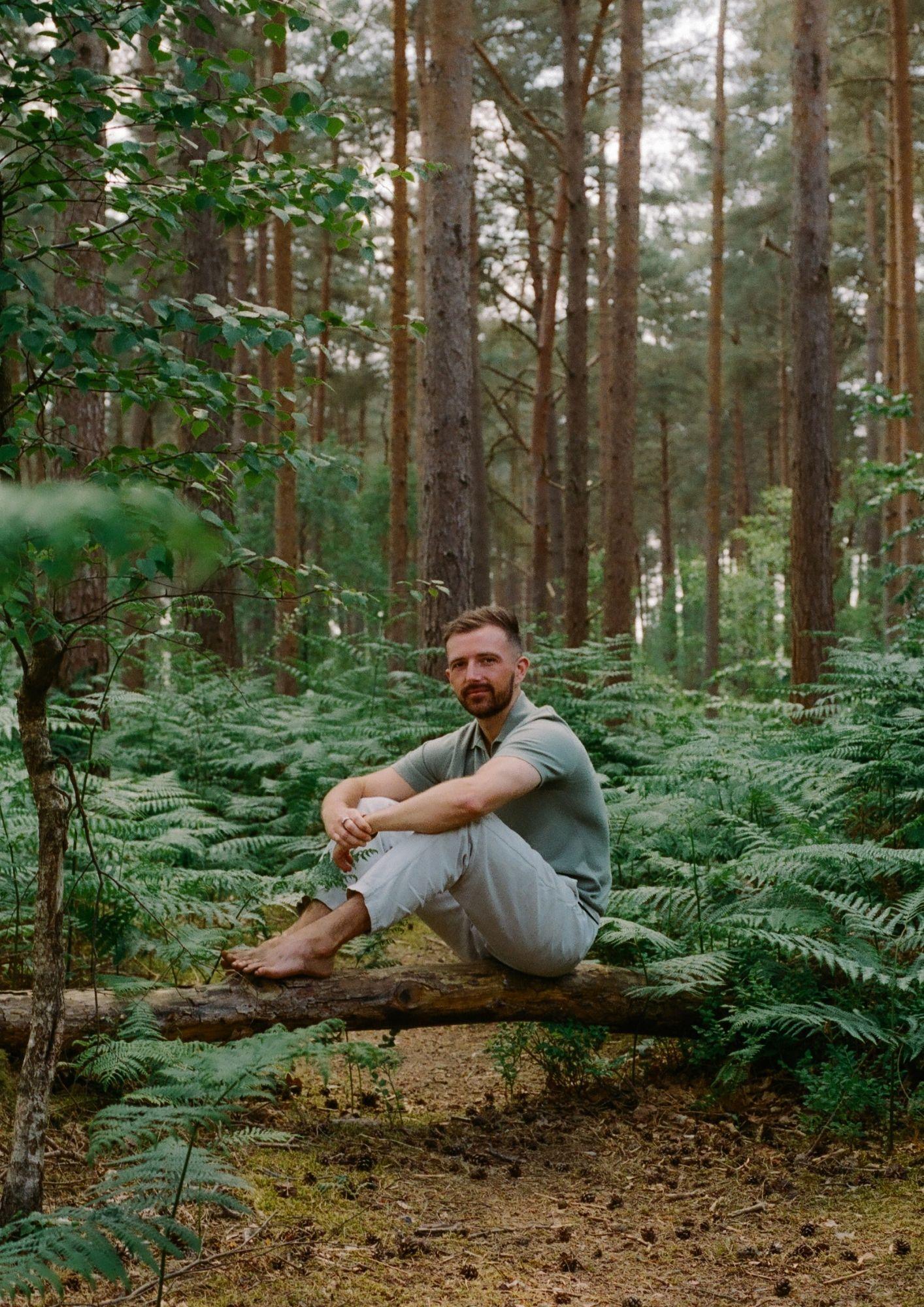
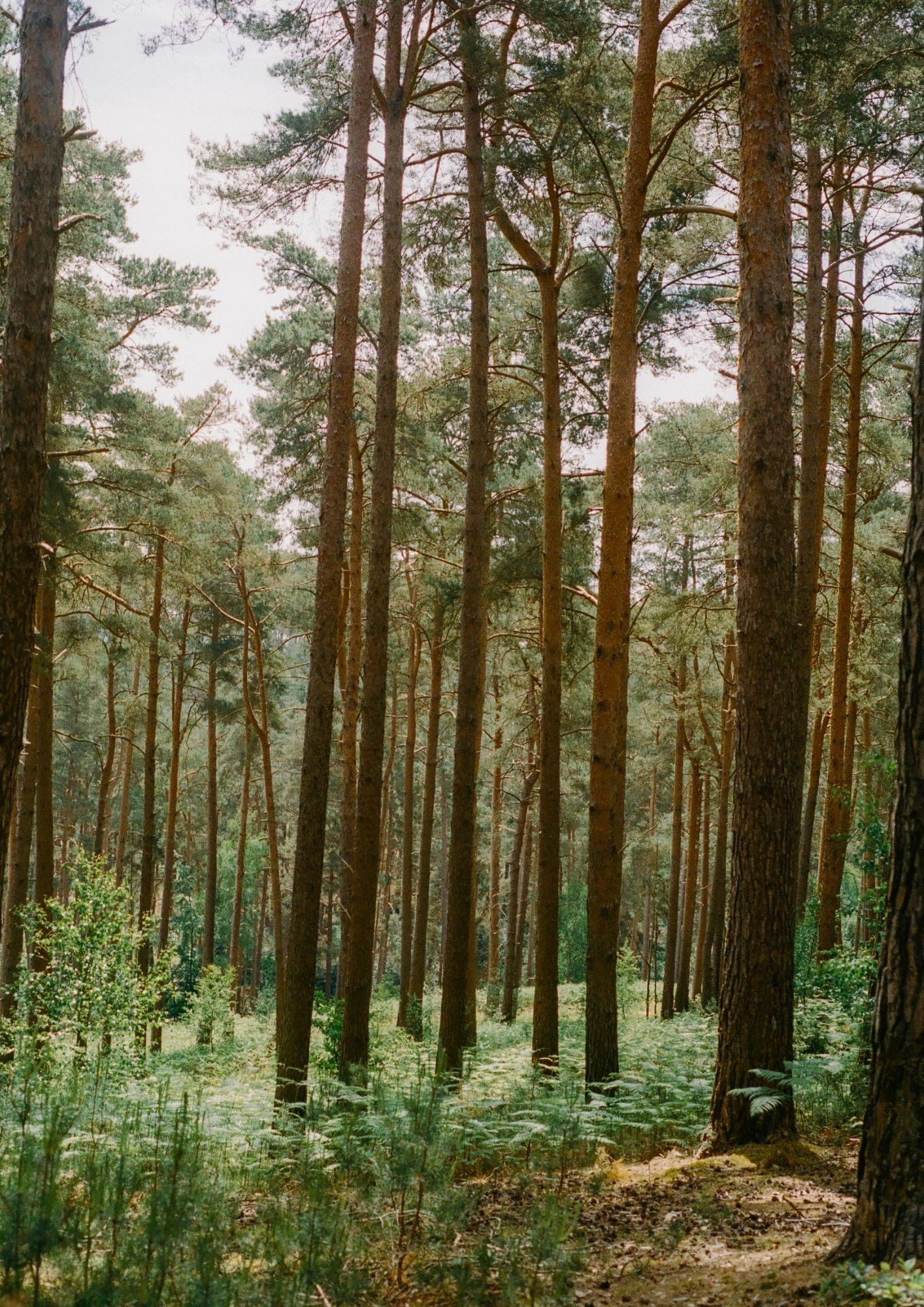
Today we're in a place called Bourne Woods, which is an area in Farnham, in Surrey. I actually grew up very close to these woods. I now live a little bit further away from it, but I used to live very, very near it as a young kid between the ages of, like four to 10 years old. I spent a huge amount of time walking in here, and then I gradually, over the next 10 years, lost my connection to nature, and it was kind of rebuilt in here, which was pretty cool. We're just going to kind of loop round a nice big area. There's a really famous movie called Gladiator that was actually filmed here in this wood. So we're going to kind of loop around the area that gladiator was filmed in and see some nice open areas, but also some nice dense wooden areas as well.
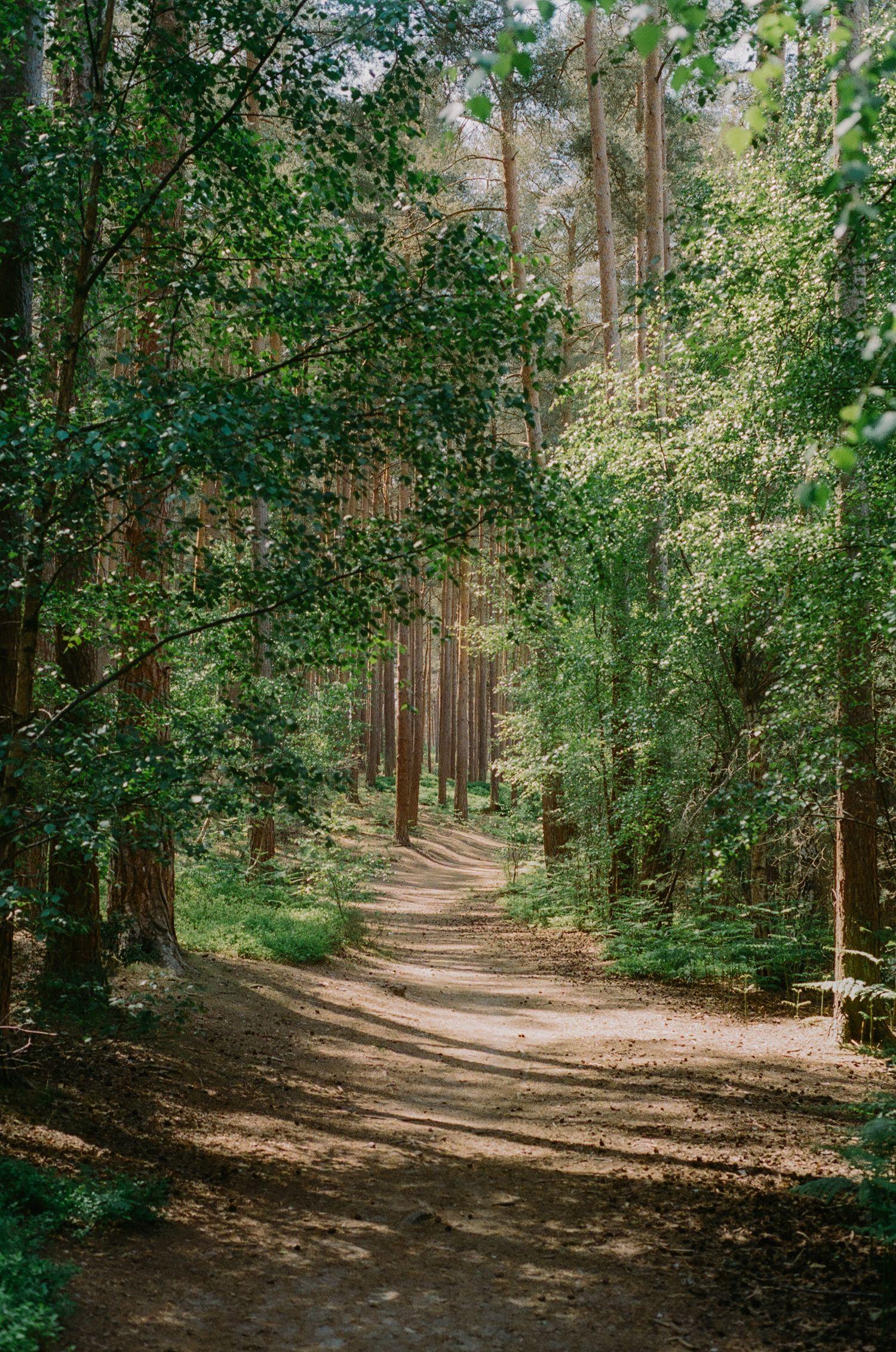
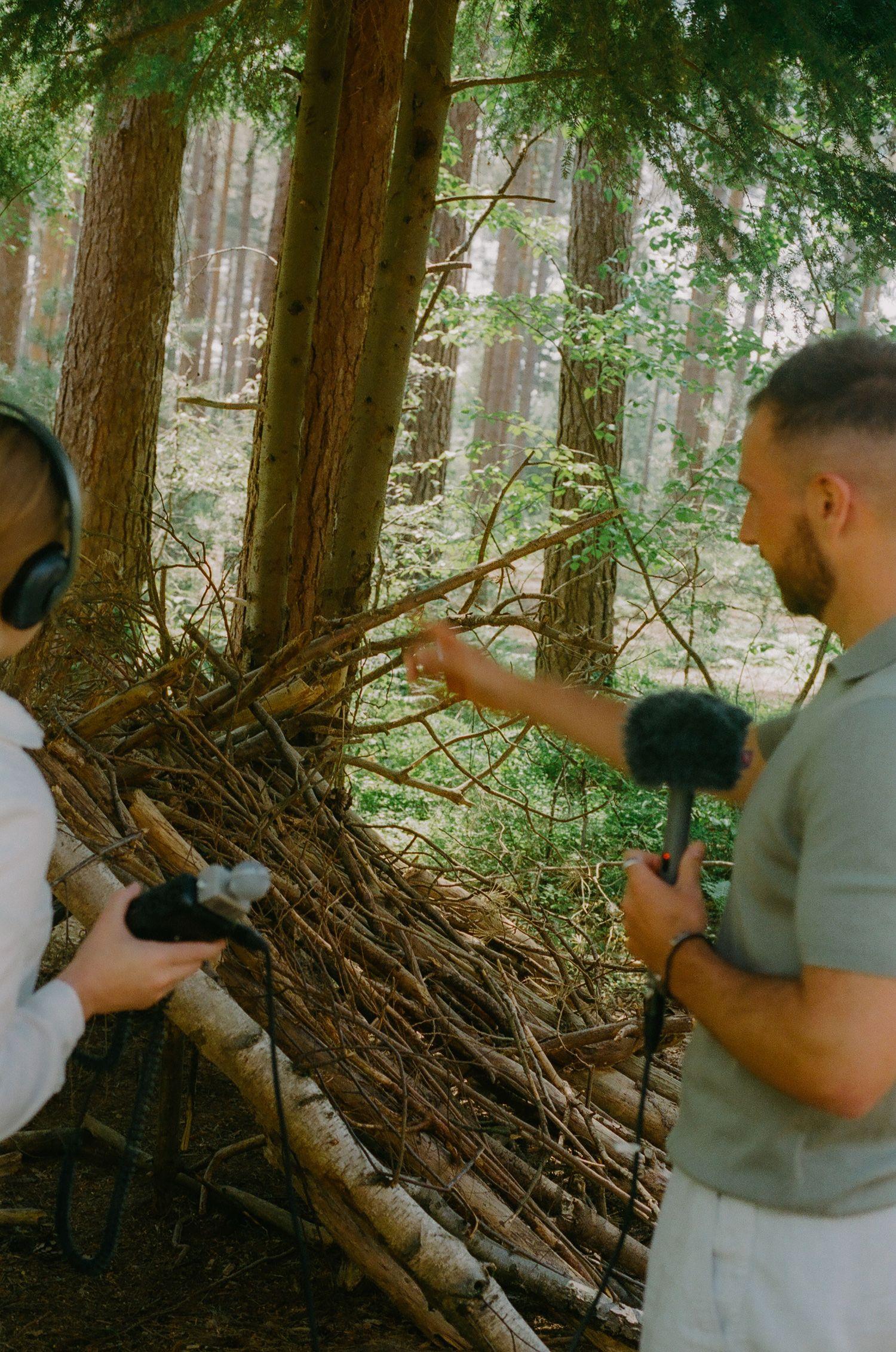
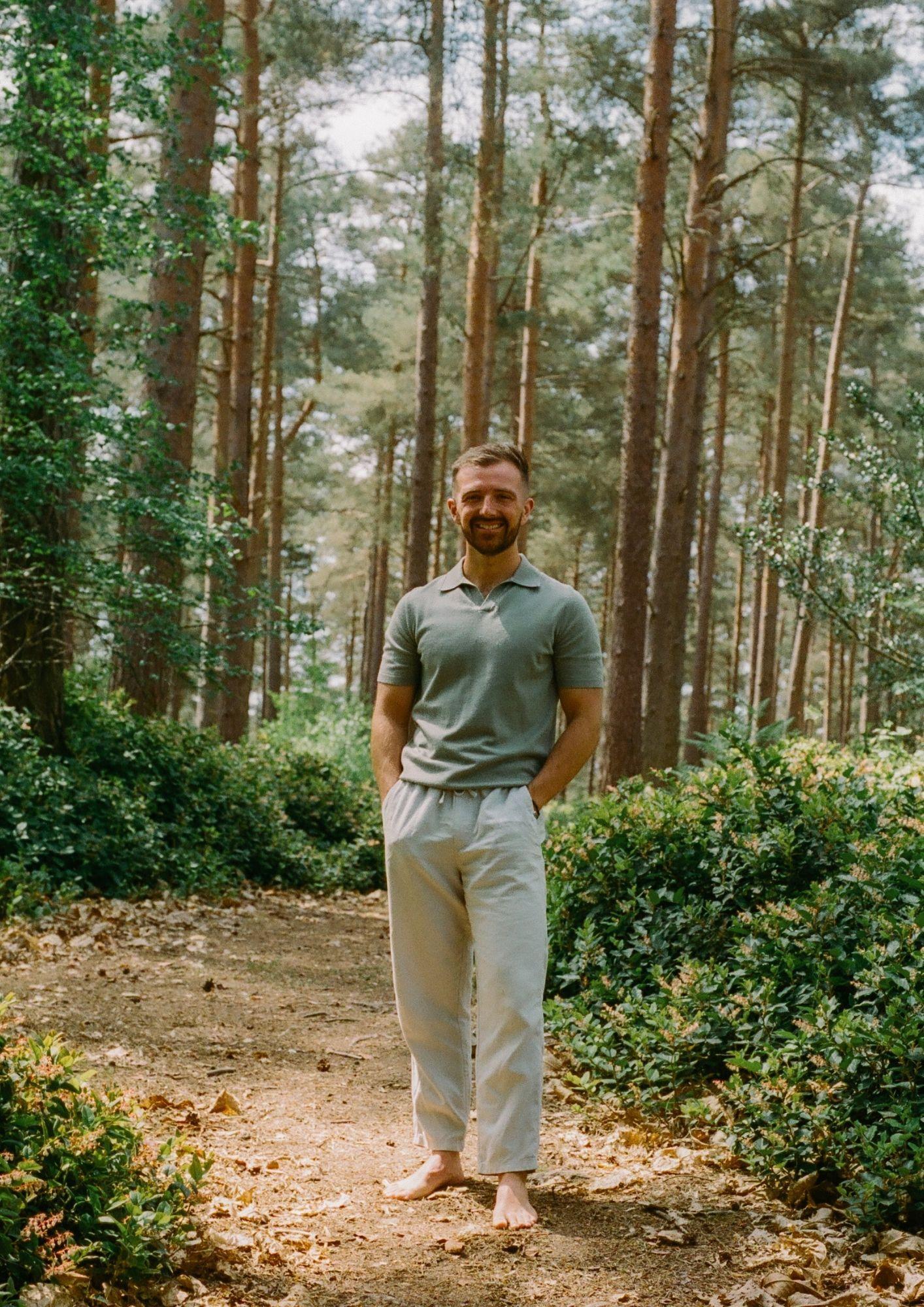
One of my greatest priorities, from a neuroscience, brain chemistry perspective in life now, is to calm my nervous system. Our nervous systems in the modern world are super stressed out, and when our body makes direct contact with the ground, specifically the earth, it's very calming for our nervous system. We as humans have a positive electronic charge in our body, and the Earth has a negative electronic charge. When we make direct contact, it neutralises the electrons within our system, and it slows our heart rate down and reduces our blood pressure. And I am someone that runs a bit fast in life, my system runs a bit fast, so definitely in the summer months, I always come with Birkenstocks. I normally just kick them off and hide them in a bush, and then I do my walk barefoot, which seems to be super powerful.
I'm the Lead neuroscientist at Dose Lab, and I'm the author of a book called The Dose Effect. Dose Lab is a research lab where we're studying our four primary brain chemicals: dopamine, oxytocin, serotonin and endorphins. We're taking groups of people through different training experiences that enable them to understand how these brain chemicals operate, how the modern world is disrupting them, and the kind of actions they could take in order to rebalance things. And we're very, very focused at the moment on helping people manage their relationship with their phones and social media and this kind of quick dopamine land that we've been put into as a species. And it's magic. I love it. It's very fulfilling. And I think it's super important that our world comes to understand how these chemicals work.
When I was young, I definitely spent time in nature. If we look at kind of the age of sort of five years old, up to maybe 10 years old, I lived pretty close to this wood, so I used to come here a lot. We used to build a lot of forts in nature. And that's now a big thing we actually teach young people to do in our dose training. It's something that they really connect with this idea of building forts in nature, and I did have a great connection with it, I would say. At the age of about 11, I started gaming tonnes. I remember getting very addicted to my Xbox, and then got very into my phone and got an iPhone, and very quickly my interest in nature kind of dissipated. And it was at the age of about 22 so about 10 or 12, years later, that I was really trying to figure out how to sort my addiction out to my phone. And I started challenging myself to go on phone-free walks, just to see if I could walk for a period of time without my phone even on me, then out there in the kind of boredom of not having stimulation, the nature connection was reborn.

The phone addiction is, I would argue, the biggest addiction humanity has ever had. The scale of the addiction is so widespread. Like, whether I'm helping young people in schools that are like 10 years old that are addicted to their phones, or when I went for a coffee this morning, I actually, saw this. I was sitting next to a couple that were maybe 75 or 80 years old that were both scrolling Facebook videos instead of chatting to each other. So it's very widespread. And I think humanity is just about now starting to recognise its impact. This is a very cool spot we're in right now, just for those of you that are listening, we're in this big open expanse. And this is where the opening scene to Gladiator, was filmed, where there's like, all these horses running down through this forest over here on the right hand side, and it's definitely one of my favourite spots. I actually considered proposing to my fiance right there, but then I ended up choosing a different spot, but it was my second spot. It was going to be that exact spot there.
I always find big open areas very calming. There's actually a lot of interesting research as to why that is. But if you're high up and you can see a long distance, from an ancestral point of view, you're actually in a huge amount of safety. You've got a huge advantage over any predators, and that's one of the big reasons humans love looking at large expanse views and being in, like, nice, safe spots in nature. And that's then very calming. I mean, I feel pretty good. I can't quite believe my life has led me to a point where I'm chatting about nature, in nature where I grew up. This is wild and, yeah, it's a beautiful moment.
Serotonin is this magical chemical. I think lots of people have come to kind of hear the word serotonin now. Similar to dopamine, those two seem very famous, and serotonin is this chemical that evolved within us as a species in order to really guide us to take very good care of our body and of our nervous system. If we were to look at dopamine, for example, it's something that's primarily created within our brain, whereas serotonin, 90% of it is actually generated in the intestinal lining of our gut, which is crazy that our body can construct this chemical, and it's really responsible for regulating and stabilising our mood. A huge amount of us these days experience a lot of fluctuation in our mood, like sometimes feeling good, then feeling really not good, and it's like very volatile, our mood. High serotonin levels lead to much more consistency in our mood. And there are a lot of components of being out here that are very beneficial to it.
I think it's great to listen to podcasts, to learn things, to listen to music. But I also think it's very important that our brain gets periods of time where it actually just processes all the thoughts and emotions that it's having. And many of us, and really, this is where my whole nature connection was born, many of us struggle with time in the quiet, with no stimulation, because we go into the quiet say, for example, you chose to walk in nature without your phone and any headphones, and suddenly some potentially challenging thoughts may come into your brain, some stress about work or your relationship or your kids or whatever it might be. And in those moments of quiet, we then seek to kind of distract ourselves, to get ourself away from that uncomfortable state.
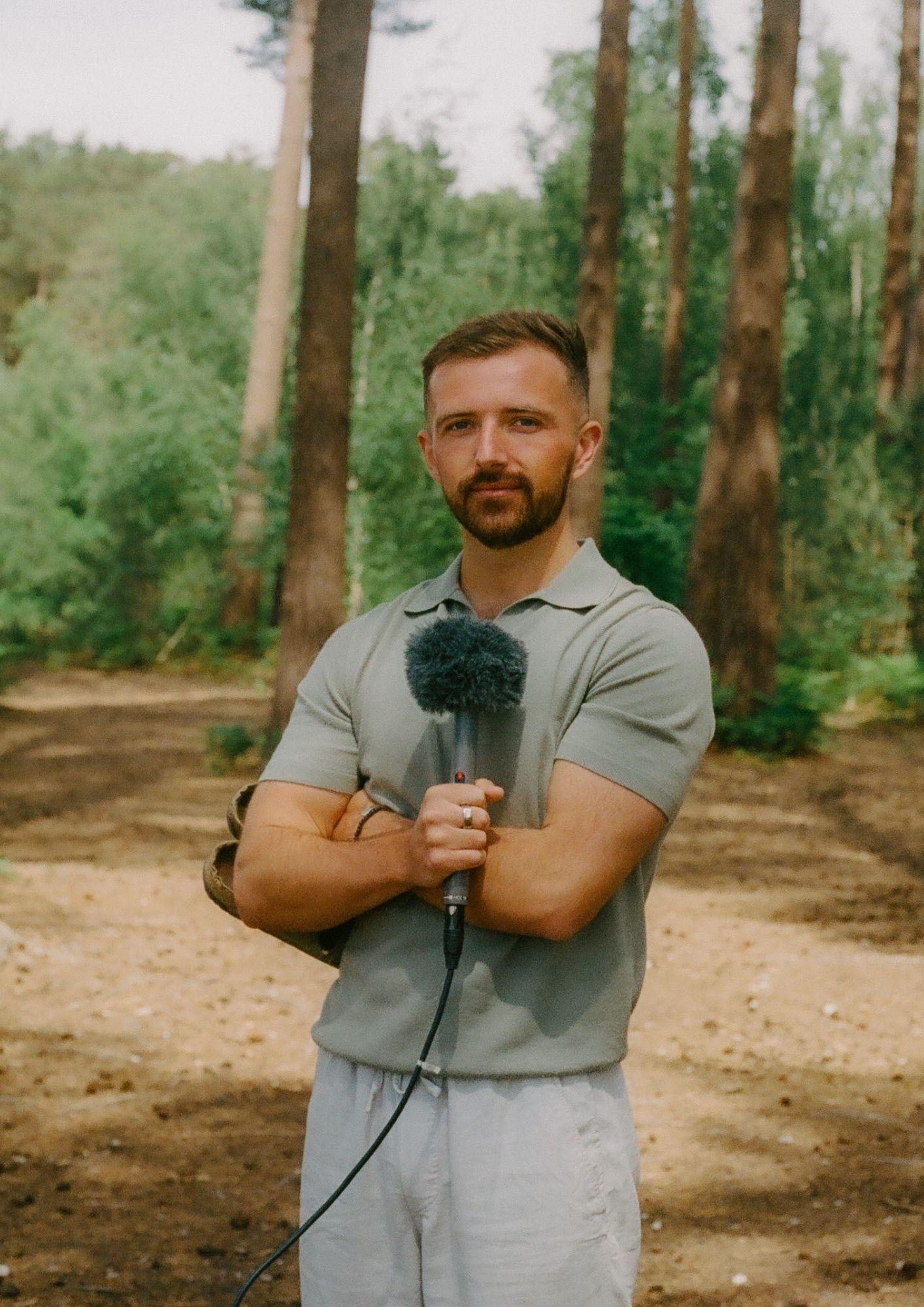
The big thing to understand is our brain and body is a very sophisticated and intelligent system, and it will continue to try and send these messages until it finally gets that moment to be heard. Getting out into the nature without the headphones, even if it's tough in your mind, gives you a chance to actually hear these different stories and ideas that are coming to you and different bits of guidance. And I find when I go on the walks the beginning sometimes is a bit uncomfortable, a few thoughts, things that are stressing me out, but by the end, there's this like newfound sense of peace within my brain. And I think a lot of us aren't actually spending enough time in the stillness to then reach a state of stillness. We're just kind of avoiding it too easily.
One of the important things with this whole nature and serotonin conversation, if you live in an urban environment, is, first of all, understanding that the core behaviour for serotonin is just sunlight itself. It's not necessarily nature. Nature adds to it, but if you were sitting out on a balcony in your flat, or you had any time walking around outside in a city type environment, you would be building serotonin by simply being outside, and that is one of the biggest causes of low serotonin is just not going outside at all. Next I would say plants can be really beneficial. Like, if you're in an urban environment, not just learning to take care of plants, which is actually really beneficial to your brain, but simply having the plants near you is really powerful. And then I would say, like, there's also a reprioritization of what are you kind of doing on the weekend? And could you get yourself to some nature, like, within London, even though it's obviously a dense urban environment, you could get to Battersea Park. Maybe you could take a tube there or a bus for a few pounds, or you could get into something like Richmond Park if you wanted some real, real nature. And I think part of it is obviously bringing nature into the home, but another part of it is just the prioritisation of it being something you actually would look to spend your time doing.
We're living in what I describe now as “dopamine land”, where society has begun to consider the idea that dopamine is the primary focus of us as a species, and what that effectively looks like to ask yourself whether you're living in dopamine land, if you are obsessively working, if you're constantly checking your phone all day, every day, when you wake in the evenings, your email all the time, if you feel like you have quite an obsessive relationship with money and you're thinking about money a lot of the time, if you're feeling very overwhelmed and potentially quite burnt out, if things like sugar and alcohol are like constantly such a priority in your life to access those moments, that's what we call dopamine land, and that's not an unusual place to be.
We've trained over 70,000 people, and we've never had someone say they're not living there. So it's like it's very common to now be living in dopamine land. But if we look at our ancestors, how these chemicals work, they got dopamine through when they went hunting or building shelter, but they were really hunting and building shelter to then experience the beautiful moments of what we call oxytocin and serotonin, which was connection and laughter and dancing and bonding and eating, and those were the things that they would have put as the highest thing they were looking for, and the dopamine was just something that served their capacity to experience it. In the modern world, we are now putting dopamine as the highest thing at the sacrifice to eating in peace and connecting with humans. And the simple example of choosing dopamine over oxytocin is when we're lying in bed with our partner, or if we were sitting on the sofa next to our kids. If we're scrolling our phones instead of talking to each other, we're choosing dopamine over oxytocin. And it's very hard to get out of that loop.
I was in that loop for so long, that's why I got so interested in this. But if you begin to reprioritize things like nature, things like eating in peace, in the quiet, without your TV in front of you, or your phone scrolling at the same time, if you think of deep communication as like a priority, how you're contributing and loving the people around you, suddenly, oxytocin serotonin rise within your system, and they begin to drive you, whereas if you're only ever experiencing dopamine, you forget that that is a part of the modern human experience.
Yeah, so we're on a nice stony path here as we walk down to the bottom of that bowl that we described about 20 minutes ago when we were at the top of that hill. This is the exact hill that Russell Crowe rides down with a load of horses. He's there. He says this line, like, “hold the line and stay with me”. And there's all these horses running down the hill. And I remember it well, because my dad actually watched them do it live. And then he's repeated that sentence to me my whole life, which is a random thing!
We're about to enter this bowl. You can see a nice couple walking their dog in front of us, and it's really interesting to me, because I've never be in the forest at midday. It's always a morning or an evening activity for me. But obviously this is technically work. At this point, I wouldn't necessarily be taking time off work in the middle of the day. So it's peaceful, nice, calm wind. See all the nature moving as the wind runs through it. And, yeah, we can now step down into this, this next part of the walk.
So we're now at the bottom of that basin. There's actually this quite dark, like grey sand, which is hot underfoot, which is pretty nice, actually feels pretty relaxing. It's like a hot stone massage on your feet. And yes, always feels like, gives like a volcanic type of energy. We are not near any volcanoes of course, but it gives that kind of, that kind of vibe, which is cool.

If I was going to pick five things - the best, brain chemistry habits to rebalance things, I would say the first one, obviously we've spoken about would be walking in nature without your headphones, ideally, just thinking. Not with a phone, even on you, but if you need it on you for safety, like in a bag of some kind, just that you don't just get it out and write notes or check it and so on.
Second one would be eating natural foods. I think that's really, really crucial. One of the things we've noticed that's really beneficial is moving your dinner about 30 minutes earlier as well. There's, like, a massive beneficial effect it has on what's called your HRV, your heart rate variability, which is kind of how at peace your body gets in the evening, people sleep a hell of a lot better and a lot quicker if they move their dinner earlier. So that's kind of in that natural food one, not charging your phone on your bedside table is so hard, but so big. If you can do it, you could charge it at the end of the bed, the other side of the room, and then eventually build towards a journey of getting it out of the bedroom. So many people that do those think that's an impossible thing, and then do it, and then realise, it's absolutely fine, life goes on. We didn't used to have iPhones in our bedrooms, and we were all going forward, okay.
Then I would say interacting with people in your local community with more awareness than humanity currently does. There's really cool research by this lady called Gillian Sandstrom at Yale University that looks at this thing called fleeting connection, which is when you smile at someone on a dog walk and say good morning, or you ask a barista how their day is going while they make that make your coffee or a cashier in a supermarket, and we've become very internally focused as a species where we're stuck in our own world, and everyone in the coffee queue is scrolling their phones, and people literally don't even talk to the cashier at the supermarket. They just beep it and act like it was a robot that was doing it. And fleeting connection is very, very powerful for our sense of connection with humans, and this, like, deep loneliness that lots of us feel now, and don't even necessarily know we're feeling, but we are feeling, is super key. It's the interaction with local community.

Also I really feel movement with your body, like calisthenic type body weight movement is very beneficial. It's really good for, like, our endorphin system. It's really powerful for that lane. But I also think our bodies used to be physically utilised a lot, as a part of living. And this isn't even just going back to hunter gatherers, even just back 30 years, humans were much more mobile, using their bodies much more and I think all the stuff of like pull ups or squats or learning to do like a press up or a handstand. Utilising calisthenic body weight type movements is very, very good for your your brain and body and the connection they have.
We're just coming to the end of our beautiful walk in the forest, and I'd love to leave you with this final thought, as we've been exploring these different chemicals, one of the most important changes for humanity to make to rebuild a healthy relationship with technology is to not engage with it the moment we open our eyes and we wake up. And the reason this is so important is our brain instinctively wakes and looks for dopamine. It wants to find something to stimulate it. And if, for example, I got used to a week where you woke up and drank a glass of red wine every time you woke up in the morning, you'd probably find red wine became pretty addictive throughout your week, and suddenly you'd consume more of it. One of the biggest things of the phone, the reason we're so hooked on it, is we're engaging with it as soon as we open our eyes. And if tomorrow morning, you could wake up rather than go straight into the phone, you turn the alarm off. Ideally, maybe the phone is charging a little bit further away from your head, and you just try and spend a little bit more time in the quiet when you wake so you go and brush your teeth. Your first activity, you go and brush your teeth. Then splash cold water on your face. It's super useful for your brain. Then go back. You make your bed.
If you've got a family, you could, like, wake your kids up. If you need to do your makeup, you could do that. And we're just trying to prolong the moment before we engage with the phone. If there is a really important message you need to check. I think it's really useful to maybe, like, open your laptop and open WhatsApp or iMessage on your laptop, because you're less likely to end up in like a scrolling loop. But ideally, we don't see any screens when we wake. Test this tomorrow morning. Observe how it impacts the rest of your day and your addiction to your phone throughout your day. And of course, if in your day, the opportunity presents itself to spend some time outside in the nature as well, then definitely take it.
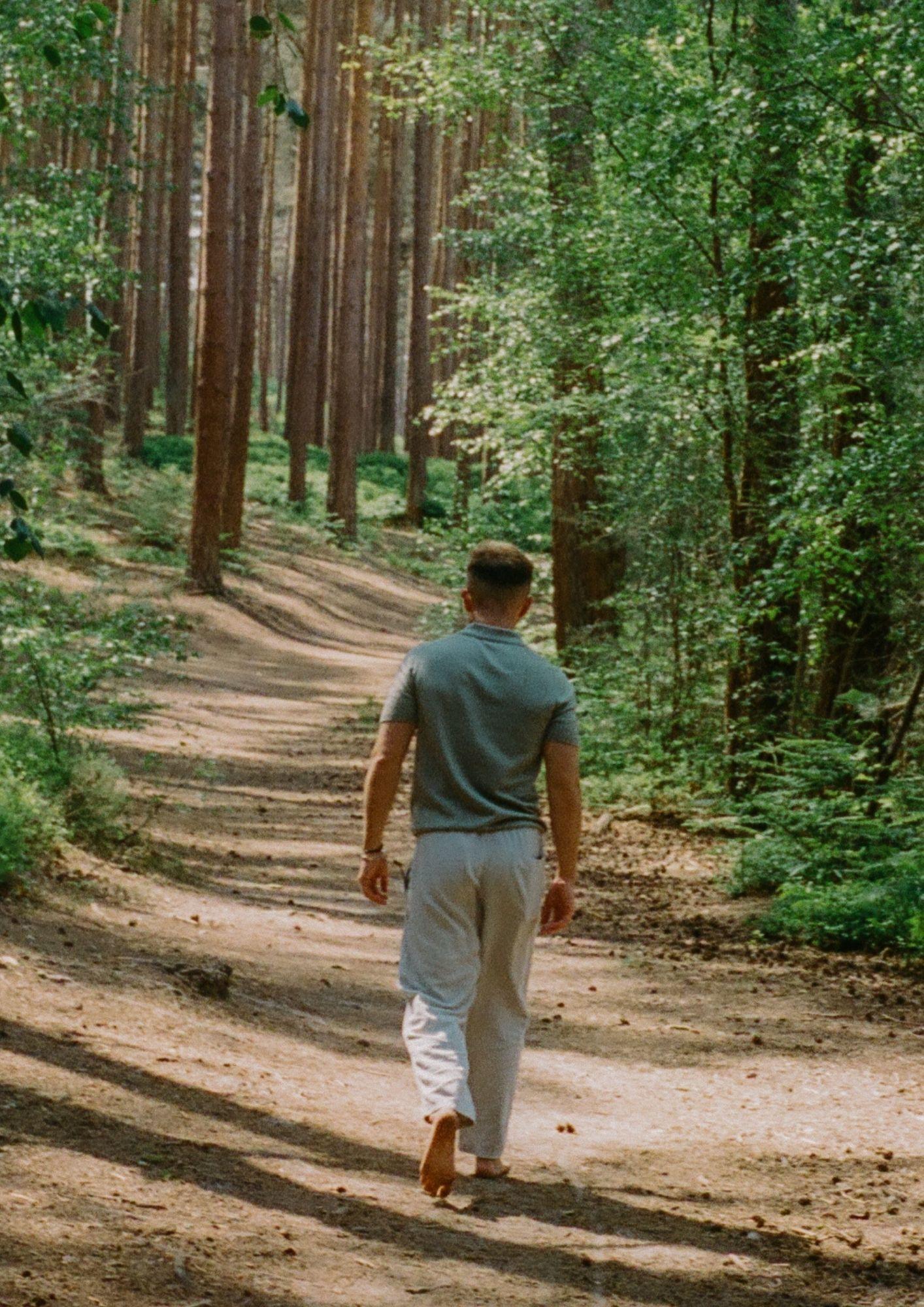
I think there's this really important step that has to take place where you go into the nature and you actually give your body and your system and that kind of intuitive thing, whatever it is that talks to us, our soul. Who knows what that thing is that chats to us? Neuroscience is yet to fully understand what it is. Give it a chance to just say what it thinks is the answer to your pain. The reason I then guide you to continue walking in the nature is out there. In nature, motivation can be born. And for me, after I actually admitted to myself, Okay, these things aren't serving me. Then when I was out there, solutions began to arise, like our brain is so creative in nature. And I just started with a few simple components of this.
The first one for me, rather than solving all the other things, was just try and work on the addiction to the phone. Start putting my phone in other rooms. The reason that's so beneficial is the phone is so significantly depleting our dopamine molecule, and dopamine is the thing that gives us motivation to make change. So if we actually learn to reduce the screen time through putting the phone in another room when we're working, reading, connecting with people, even when we're watching TV, the dopamine molecule begins to rebuild, and that can then fuel the motivation for change. So I really would start with honest, truthful walks with yourself in nature and a lot more physical separation from the phone. And I think a new life can be born out of those two tweaks.
Keep track of all TJ's work on his Instagram and follow us on ours to see behind the scenes footage from recordings and a few extra questions we asked each guest.
A Life More Wild is an 18Sixty production, brought to you by Canopy & Stars. Production by Clarissa Maycock. Our theme music is by Billie Marten.
Why we're one of the highest scoring travel B Corps in the world
People
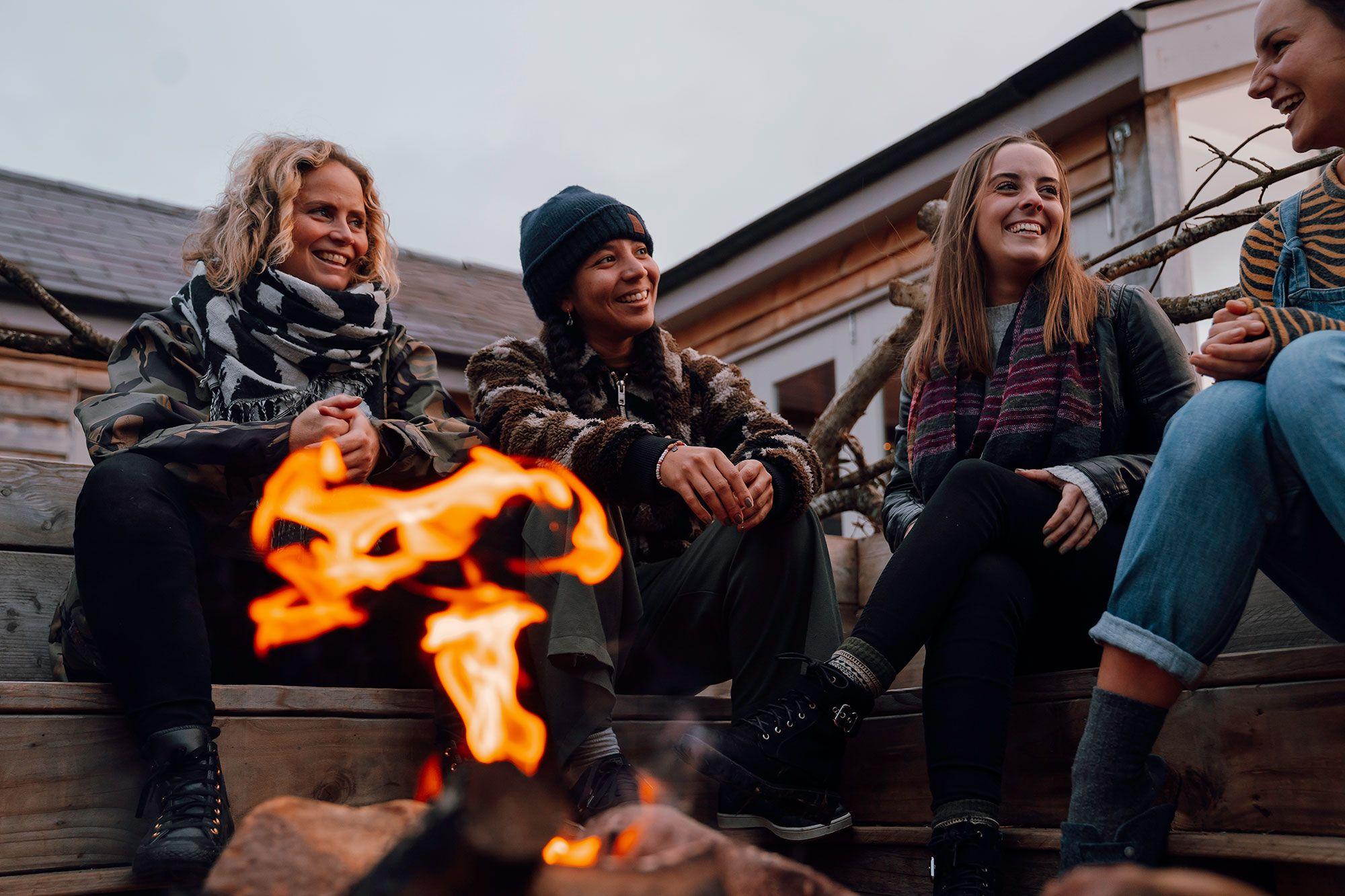
We're majority employee owned, which means we all get a say in how the business is run.
Profit
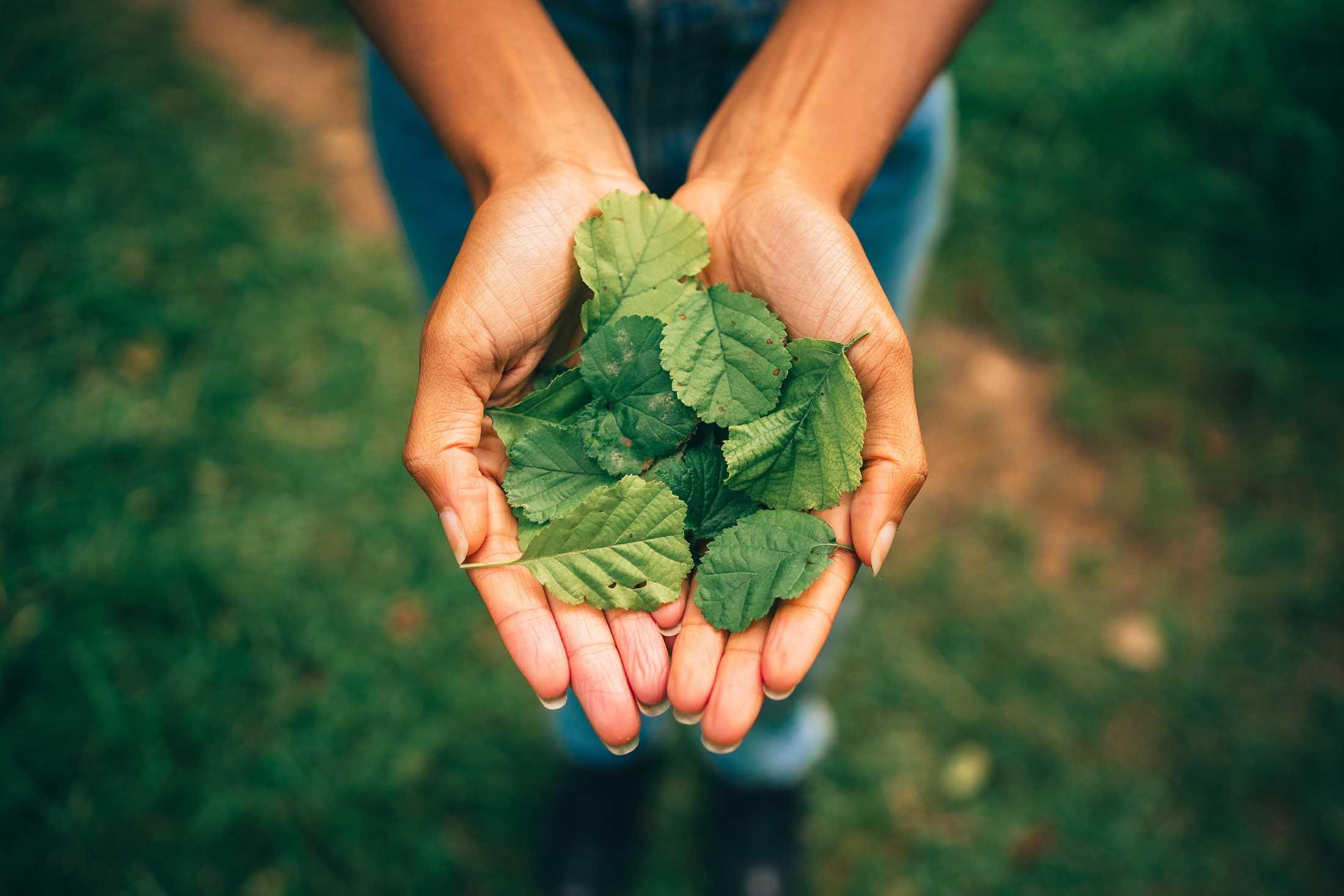
Our Charitable Trust uses 24% ownership of the company to support environmental causes
Planet
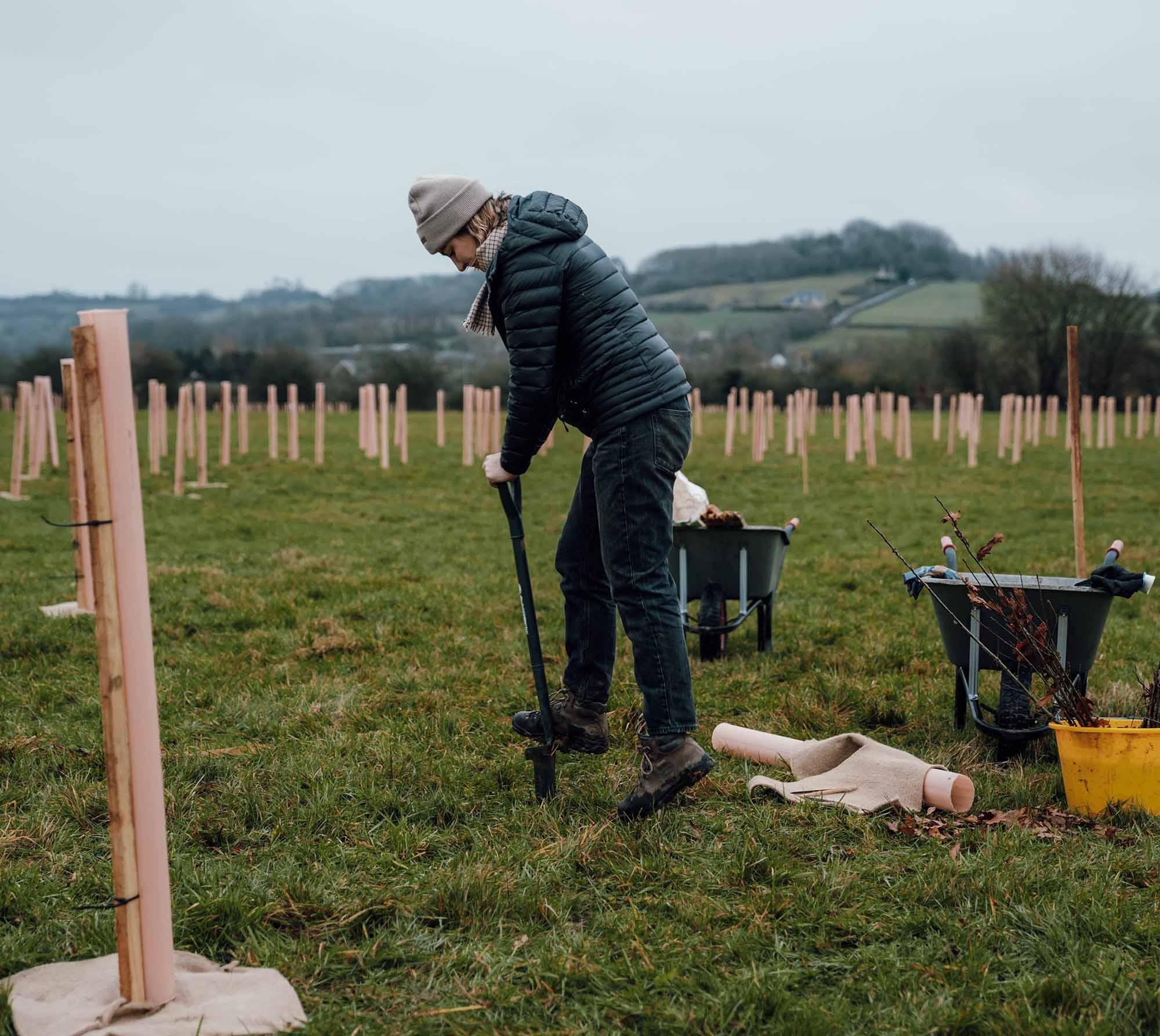
We're committing to raise £50,000 by 2027 to help protect nature in our national parks.