



A Life More Wild - Series 5, Episode 6
Wellbeing expert Adrienne Adhami on her own journey to wellness
Adrienne Adhami was a trained dancer, with a keen understanding of physical fitness. But when a friend suffered a sudden illness, she began to rethink everything she thought she knew about health. She shares her insights on personalised medicine, nutrition, wearable tech and more, drawn from a 15-year career in the wellness industry.
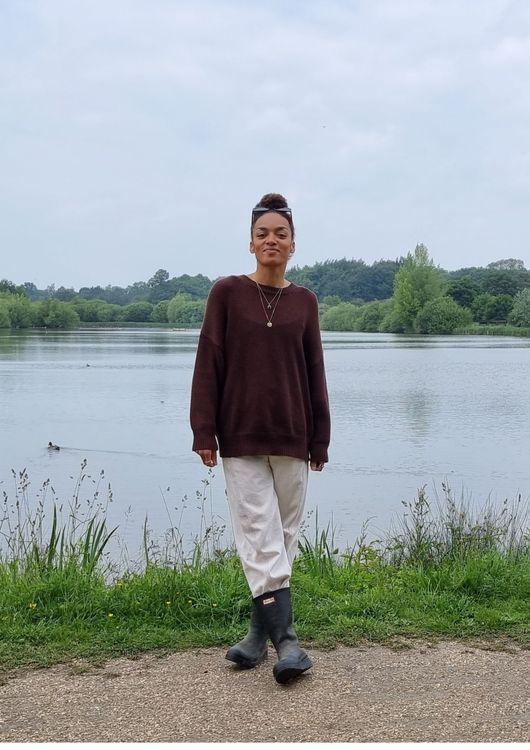
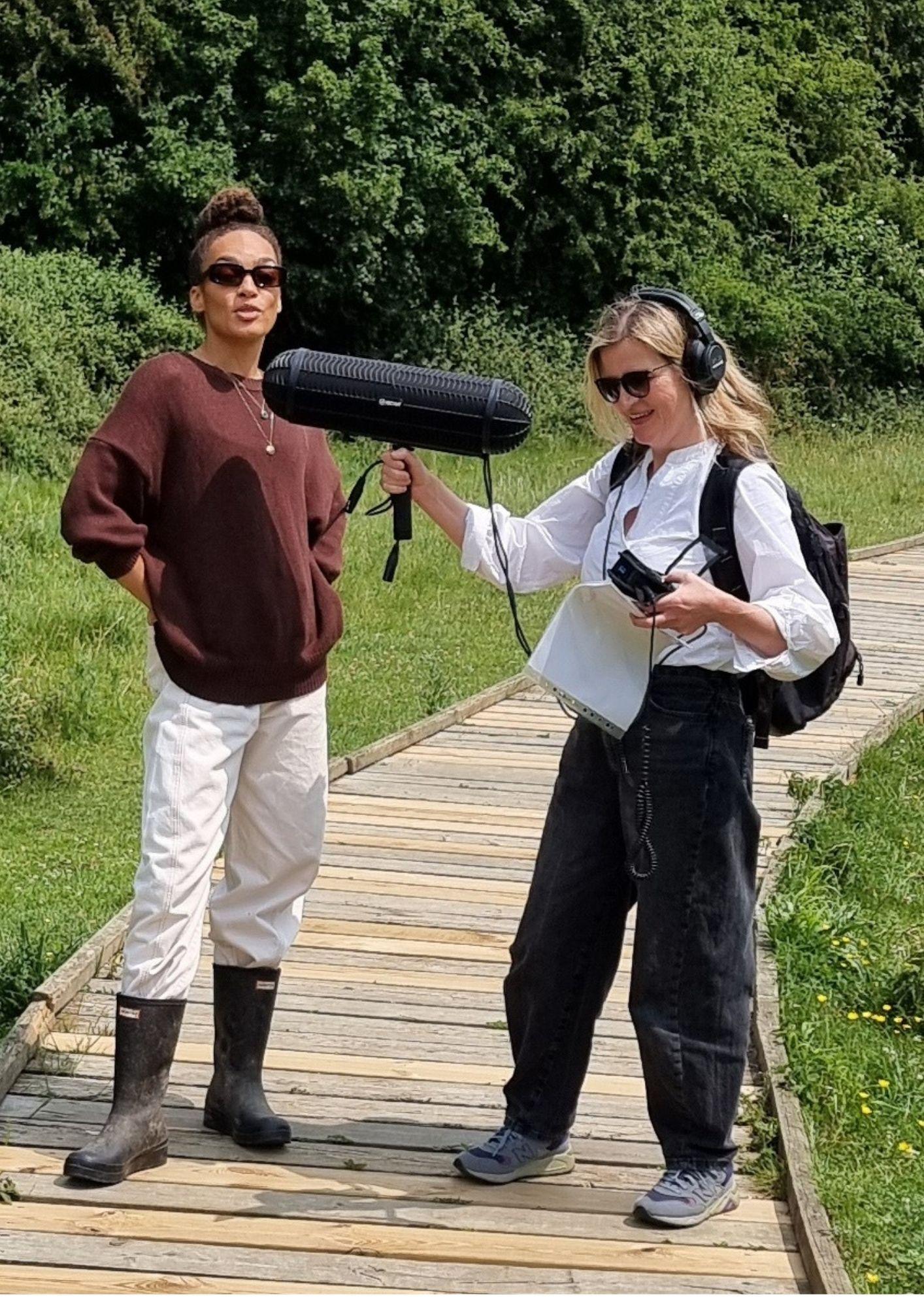
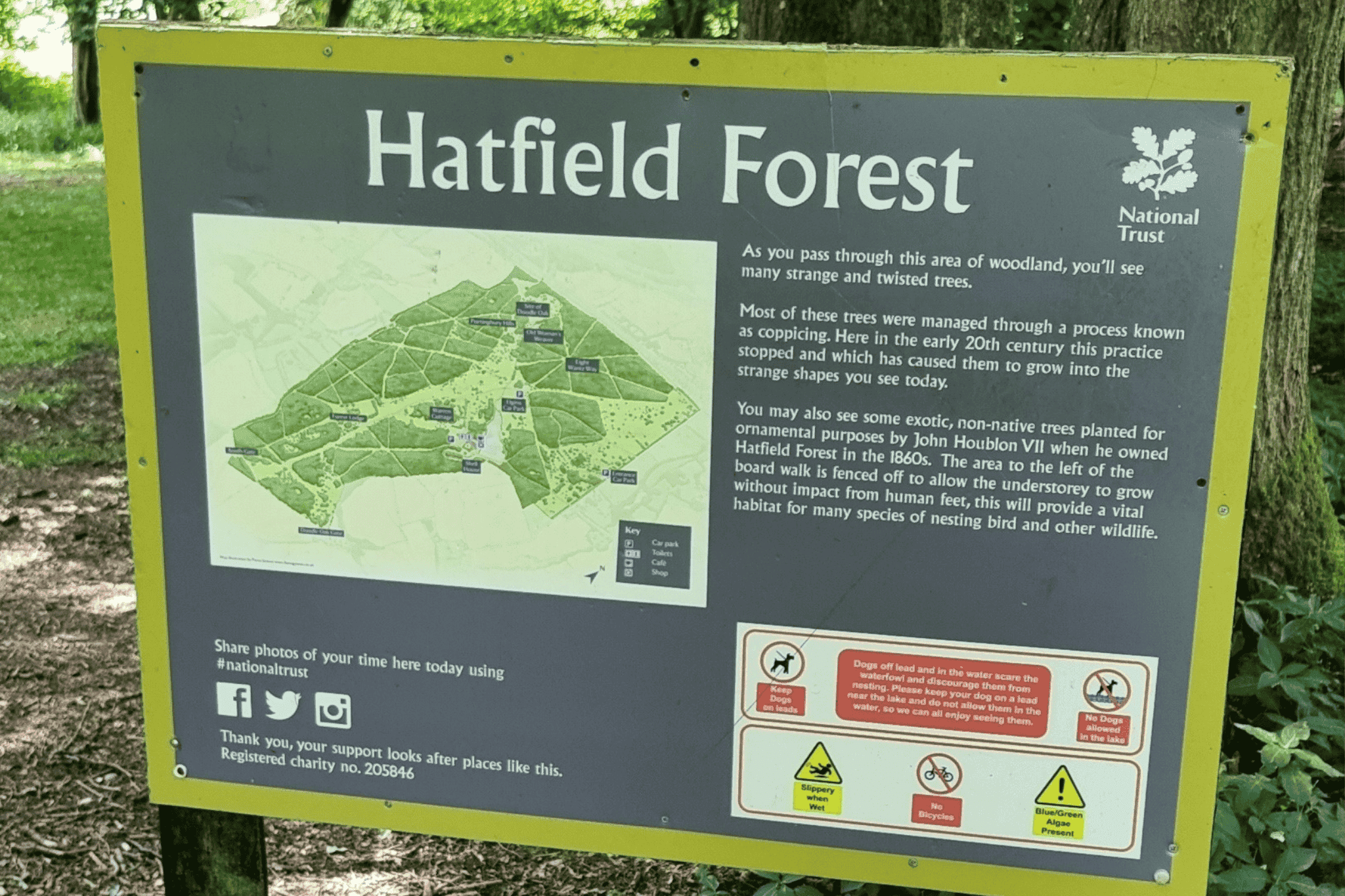
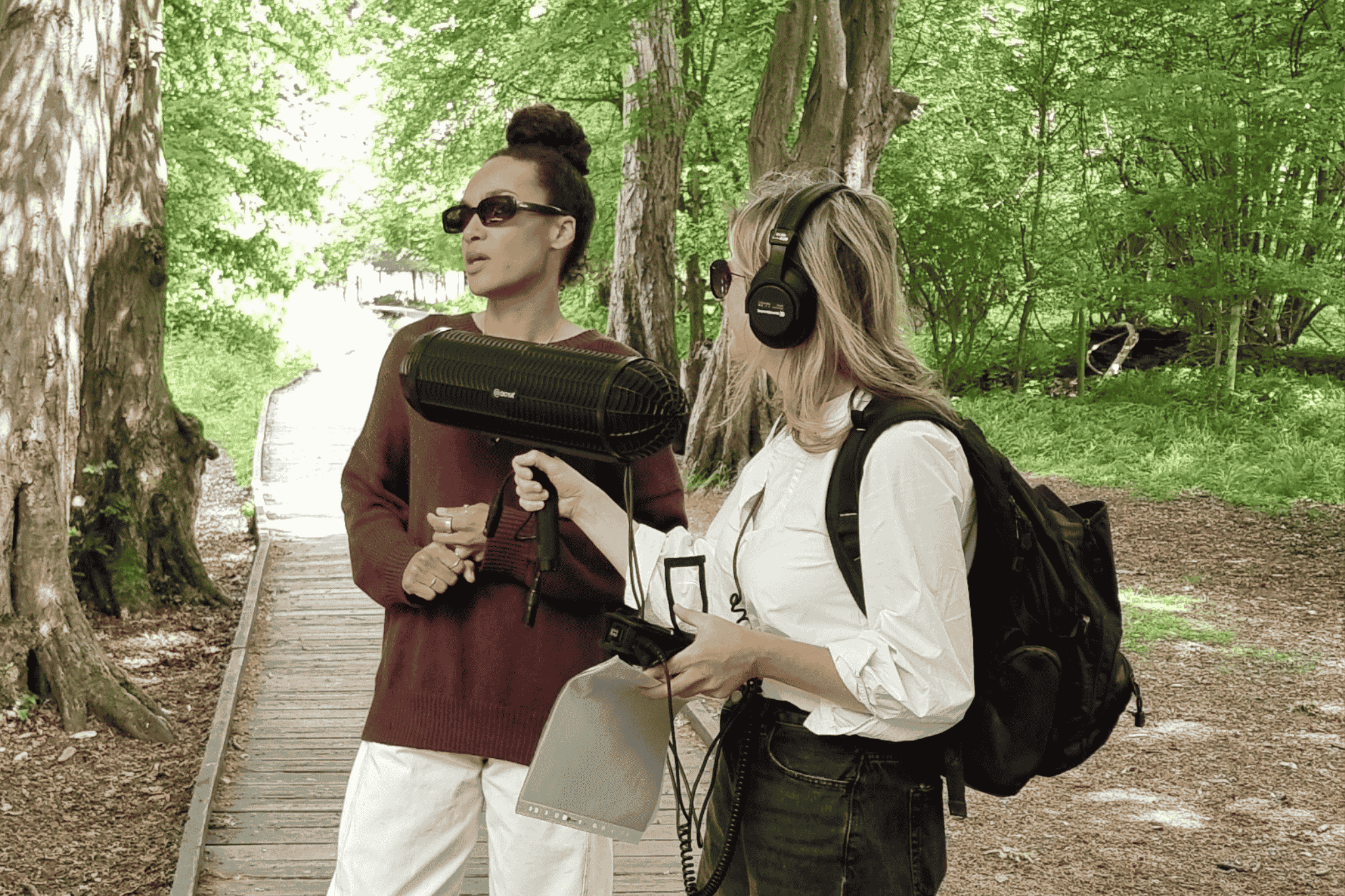
Hi everyone. I'm Adrienne Adhami. I'm here at Hatfield Forest today. Hatfield Forest is a place that I have been hundreds of times over the last few years, all seasons, rain or shine, so it's nice to be here today. It's a little cloudy, but a nice, warm June day. In front of me, I can just see so many different colours of green. Obviously, this time of year, in June, it's really vibrant, lots of contrast. So we're walking along the boardwalk. We're going to go through a wooden gate into the forest, under the canopy and head around towards the lake.
I'm a wellness coach, I'm a wellbeing brand strategist, and I've worked in what is now the wellness industry, which started as the fitness industry, for almost 15 years. In that time, I've done a variety of different things. I've worked with athletes, I've worked with business founders, and essentially, I'm trying to understand more and help other people to understand more about their overall wellbeing.
So what does that include? It includes our physiology, our physical body. It includes our emotions, our mental health. It includes our social wellbeing, everything from sleep and rest and recovery to nutrition and exercise. So how do we how do we live well? It's incredibly difficult to define the wellness industry. If you ask one person, what does wellbeing mean, or what does wellness mean, and you ask somebody else, you might get a different definition. So the way I think about wellbeing and wellness is a holistic approach. So that is everything from how we work and how we live, how we how we move, how we sleep, how we nourish our bodies, all of these things impact our wellbeing and our wellness.
I think why the industry has become so so popular, and why there's so much attention on the industry right now is because some of the ways in which we live have changed so dramatically in the last 50 to 100 years that for many people, their wellbeing is compromised. They now feel as though living in the modern world, they might be working long hours, they might be connected to screens for lots of the time. They might be more sedentary than previous generations. So a lot more sitting, sitting in that car, sitting at a desk.
It just feels more difficult for people to include health and wellness and movement and exercise and all these things that maybe before were just part of everyday living, have now become wellness. They've become a tool or a habit or a practice or a routine that we need to find, that we need to find time for, that we need to buy, that we need to purchase something to make us more well. And it's difficult and it's challenging, but I think it is a bit of an antidote, actually, to modern living and the challenges that many people face.
Growing up, I was very active. I was always into sport. I loved sport. At school, I did athletics, and I also did dance. I trained as a dancer. I went on to be a professional dancer. So I guess I understood movement and the body from that perspective of training your body for dance, but that was my understanding of fitness and of wellness back, you know, 20 years ago.
But then somebody in my life became very unwell. Suddenly, just one day, they were a healthy, young, fit person who'd never had anything wrong with their health, more than a common cold. And unfortunately, one day they suffered a spontaneous brain haemorrhage, and so that really, this was 15 years ago, that really planted a seed for me. I didn't decide the next day, oh, I'm gonna, you know, work in the wellness industry. There wasn't really a wellness industry then, but it definitely planted the seed for me then to start to ask questions about health and wellbeing, to understand more about, how does stress impact our bodies? Could that be it? What could cause something like this? Or, How does sleep deprivation impact our bodies? How do the foods that we eat?
How do you know living in a polluted city, if you live in a city with bad air quality, how do these things actually impact our physiology, and could that be a cause for a healthy person to suffer a chronic illness or disease. So back then, I started off with the physical because that's what I knew. I knew the body. So I studied personal training and movement coaching. And I've gone on over the last 15 years to study a variety of different things, but really looking across the whole 360 approach to health and wellness, looking at things like stress management, like sleep nutrition, even practices like breath work. I'm now a certified breath work practitioner, and I help lots of businesses and brands in the wellness industry connect the dots between these different areas.
Because if you think about our health system, you might go to see one person for skin. So dermatology, you might go and see somebody else for a foot problem, you might go and see your dentist for your oral health. There's all these different sections but they all work together. Our body works together. And it's the same with the wellness or the fitness industry. You might have personal training over there for the body. You might have a nutrition coach looking at what you eat. You might have somebody looking at how do you recover, a physiotherapist looking at your body composition.
There's these different areas, and we go to different people, but I think something that is changing is actually bringing those together. So I say, well, as consumers, what does that mean? It means regular people like myself, we're starting to put those dots together ourselves. So that might be through wearable devices, like a watch that tracks our heart rate or our steps. It might be through education, through listening to podcasts or reading books or reading articles, I think we're starting to learn more about wellness, about our own health, about personalised health, understanding more about what's actually going on inside our bodies, and I think that's helping people to approach health and wellness in a different way.
I'm really excited about that. I'm really happy to see all of those different departments, if you like, starting to speak to one another and and look at each other and look at the whole picture of a person, like a big jigsaw, rather than one person saying, Well, I'm specialising in brain. I'm neurology, and that's where I stop.
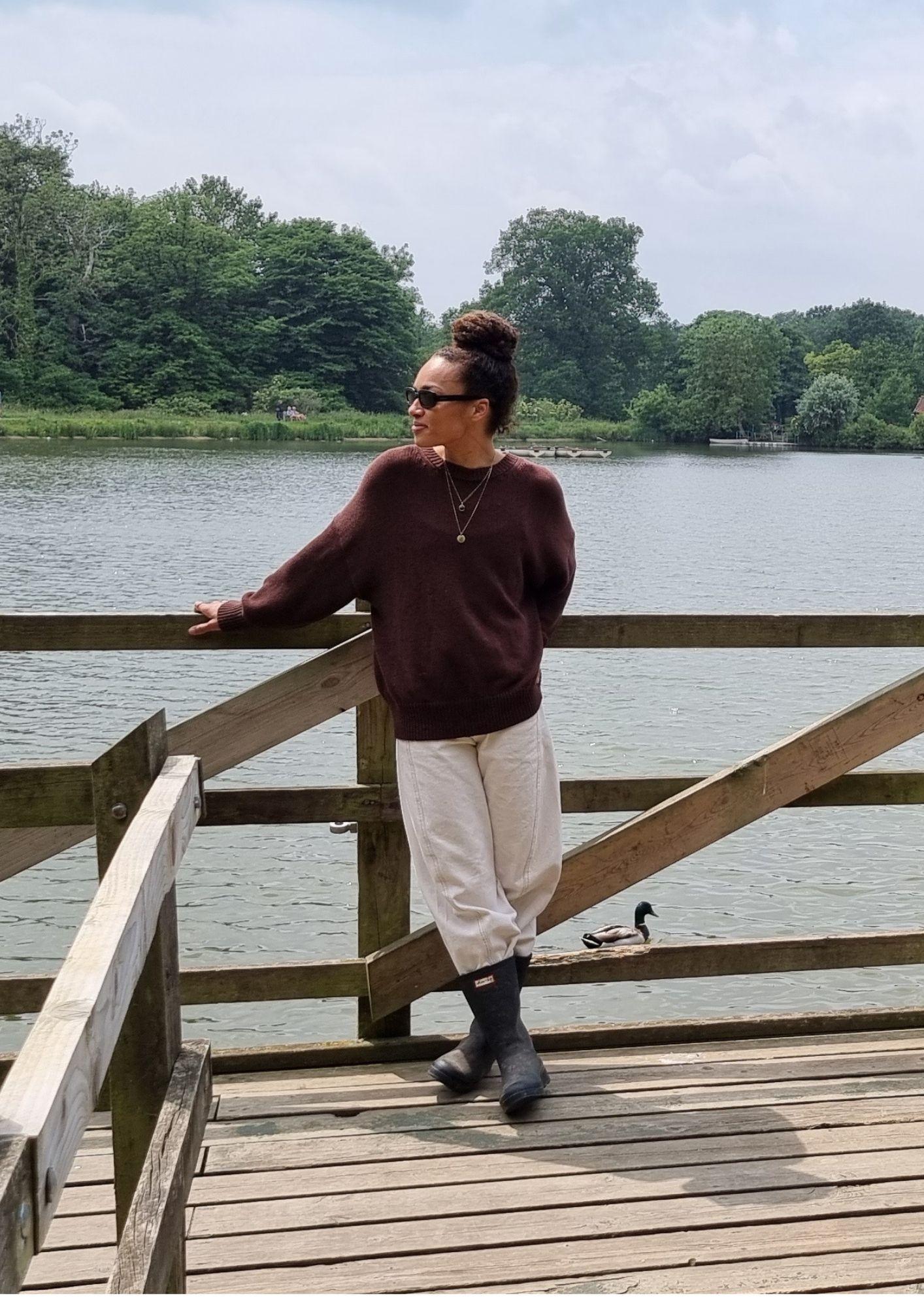
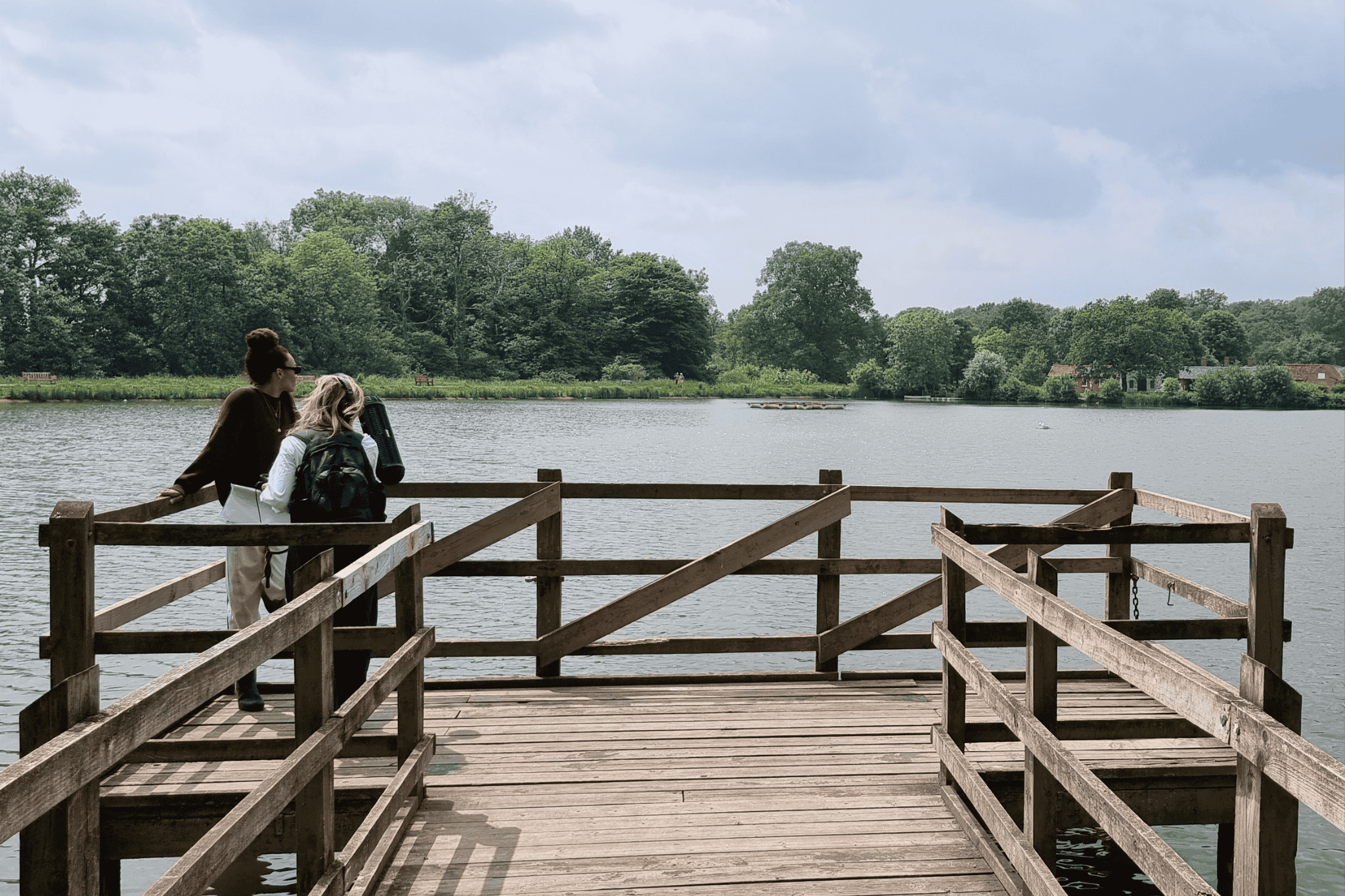
So we're walking along the boardwalk now, and I can see the lake, and there's a nice wooden viewing area where you can step out over the water. So as these Swans have gotten closer, there's actually four little grey, really fluffy little babies following them. And it's this kind of thing. This is what, when people think about going outside, getting out in nature. We hear that advice, but this is the kind of thing, you know, just being out here today, it makes you stop. It makes you notice, you know, you look around and something that you would not normall. We're busy and we're rushing from one thing to the next, we don't always stop to notice what's going on around us. And I think as the seasons change, if you spend more time outside, you notice those small things. You notice when the leaves suddenly turn brown. You notice when the air gets cooler. You notice when the mornings get brighter early. So yeah, really lucky today to be out here seeing all this beautiful nature and feels like we've got the whole place to ourselves.
I mentioned the mind and body. Now the fitness and the wellness industry, historically has definitely put a lot of focus and emphasis on the aesthetics of wellbeing, the aesthetics of the body, and maybe an assumption, if a body looks a certain way, then the person is well, the person is healthy. Now, of course, there is some correlation between our body composition, so that's how much muscle and how much fat we have on the body. But it's not the only marker. It's certainly not the only measure of health and wellbeing. And wellbeing is a complex thing to measure.
Unfortunately, it's not as simple as saying if you've got a chiselled six pack, or if you've got defined muscles in your quads, then you are well, then you are healthy. That's just one part of the picture. So there's definitely lots more things to consider. Are you well nourished? Are you well slept? Are you under a lot of stress? Are you under a lot of pressure? Do you have strong relationships? Do you feel connected to others? All of those things are going to impact how you live and how well you are, and even determine how long you live as well.
So now we're walking along a big open stretch alongside the lake. From here you can really see a beautiful view of the water, the boats, the trees. It's a really great view, I suppose, of the whole forest. From here you can see the open water, lots of ducks, birds, a few dogs, I think as well, having a swim today.
The thing around the wellness industry is... I love it. I'm a part of it, but I also am very aware that so many of the things that wellness experts or wellness gurus talk about can seem out of reach for many people. And it doesn't have to be. Wellness does not have to be exclusive. It doesn't have to be expensive, and it doesn't have to take up hours and hours of your day. It's the same when it comes to incorporating nature, you don't have to have, the whole afternoon free to go and walk around a forest. Maybe you've only got 15-minutes on your lunch break, or maybe you've only got time in the evening after work, but being really intentional about seeking out any time that you can is going to be beneficial.
Something that is a challenge for so many people is trying to navigate the shelves full of products, wellness products, to figure out what's what and what works. What do I need? Is this going to help me to sleep better? Is this going to help me to feel less stressed? Is this going to help me to whatever it says on the front or the back? It is difficult, I think, for people to be discerning about what they spend their money on and where to start. There are some brilliant, brilliant tools and products and things that can help and support us. But the fundamentals, the basics, I suppose, where I always start with people, is really understanding the pillars first.
So for example, if you've got a brilliant diet where you're eating a variety of whole foods, where you're trying to get lots of different plants, lots of diverse grains, seeds, nuts, you might eat some proteins, like meats and fish, if you've got a really great diet, then adding a supplement, maybe it's going to support if you're deficient in a certain thing, but if you're not deficient in that you don't need to take a supplement. If you're not deficient in vitamin C, you don't need the vitamin C supplement.
So the thing that always comes up, and if people ask me, Adrienne, do I need to take this or should I buy that? Unfortunately, it's about personalisation, which I know can be a bit tricky, but it's understanding if you need something, then you will see the benefit of adding it. If you don't need it, then you won't but of course, it's not always easy to have a perfect diet or to have a perfect routine, so that's where things like supplements can really help and support.
One good example, if you're living in the UK like I do, then for pretty much nine months of the year, most of us do need a vitamin D supplement, and that is because we might not get enough exposure to natural sunlight, to daylight through the winter months. Again, depending on how much time we get to spend in nature, if we're indoors a lot of the time, then most people will need to supplement vitamin D. So that is something that could test. You could, you know, have a blood test and find out your vitamin D level. But that is one that most people, pretty much, need to take. But when it comes to the individual different things, it's about finding out what you need.
Then on the other end, you've got things like wellness technology, so wearable devices, lots of people ask me questions about that. You know, do I need a watch? Do I need a ring? Do I need to track my heart rate, my blood pressure, my step count? And this is something that is quite divisive. Some people say, oh, technology and wellness don't go hand in hand. But what I've seen over the last 15 years is that those can be brilliant tools to help to change behaviour. So you might be aiming for eight to 10,000 steps a day. If you're wearing a wearable, and you notice that actually throughout most days when you're working, you only get three or 4000 steps a day, seeing that number on a screen can actually be a really positive motivator, to encourage people to get out and to get more active and to get moving.
I think the data and the wearables, the reason it gets sometimes debated, is it a net positive? Is it a negative? Is it neutral? It really depends on the person. For some people, it's going to encourage them to move more. It's going to help them to track, but everyone's different. Some people won't really be that bothered. Other people obsessively count every calorie that they eat. Other people don't. So I really think it's about personality. If you know that you can be quite obsessive when it comes to the numbers, then you probably need to. Maybe if you're worried about it, you don't need to worry. You can be a bit more relaxed. And if you're not worried about it, then it might be something to look at and go actually, this might give you a nudge in the right direction.
One thing we could all try to do is to improve our sleep. Now, there's many things that we can do to do that, but sleep essentially underpins everything when it comes to our physiology. So if we're sleep deprived, if you have one poor night's sleep, like really poor night's sleep, then the next day, so many different things are going to be impacted within your body, from your ability to regulate mood and emotion to your appetite to your ability to concentrate and focus and problem solve. A whole array of things will be out of whack if you're sleep deprived.
But many people are sleep deprived all the time, so they go to bed too late, they might be caffeinating, drinking high sugary drinks with caffeine, lots of things like drinking alcohol in the evening as well, we know can have a negative impact on sleep. Therefore, when you wake up tired, you don't really want to exercise and go for that long run or go for a walk, so therefore become more sedentary, and the cycle continues. One thing that can improve sleep is, of course, physical activity and being outside in nature. So that could be going for a long walk, it could be hiking up a hill, it could be going for a run, but just being outside, we know, especially in the morning.
So before midday, especially at this time of year, when it's bright in the morning, getting outside means you get daylight into your eyes. And getting daylight into your eyes helps to set your circadian rhythm, which is the body's internal 24-hour clock that helps to regulate your sleep/wake cycle. So that can help to improve sleep as well. So I always start there, because I know it's not always that easy, and often people might work late, or they might have shifts, or sometimes people just want to stay up late watching TV, and that's the reality, but it's not helping us to live healthier. So that is something I always encourage people to do, is start with sleep start with sleep hygiene. Try and go to bed at the same time every night. Try and wake at the same time every morning. And try before midday to go outside, get natural light into your eyes, take off your sunglasses and go outside in nature, move your body. You don't have to break a sweat, but get outside. Get some steps, walk to get your coffee, walk your dog, and that's going to help, hopefully have a positive impact on loads of different things to do with your health and well being.
Some people might think it's too simplified or too easy to just say, oh, just go outside, that's the solution to every problem. Of course, it's not, but actually it's a good place to start. I would argue for a lot of people, they would feel a lot better if they were prescribed an hour a day in nature than a supplement. And some people might challenge that and say, Well, what's she talking about? An hour a day in nature. But for many people, their lives are incredibly stressful. Their lives are incredibly sedentary. They might be eating lots of ultra processed food. It might sound strange for someone to think, oh, prescribing an hour a day in nature, but we know, again, there is science and evidence to support the physiological changes that happen in the body when we're in nature.
So our nervous systems are able to down regulate, and what that means is, when we're in a state of fast, active, hyper vigilant, go, go, go, go, go, our bodies are in a state of fight or flight, but when we're in a calmer state, when we're in a parasympathetic nervous system state, that's when our bodies are able to rest and digest. So it's a different feeling within the body. And we know that being in nature helps us to access that part of our body, and helps our bodies to really feel more restored and calm. So I think for lots of people, the idea of spending one hour a day or even more, if they were to book a holiday, for example, it's not just the absence of work and emails and tech. It's also the additional benefit of being outside in nature that helps to improve the way we feel.
So we have finished up pretty much where we started, which is nice in a way, you know, to walk an entire loop and come back. Obviously, we've got a high step count today, but also sometimes just taking that break. If in the middle of the day, you kind of forget about whatever you were doing this morning or whatever you've got to do tomorrow. Just that whole time that you're out walking, talking, you kind of forget actually about everything else for a while.
A Life More Wild is an 18Sixty production, brought to you by Canopy & Stars. Production by Clarissa Maycock. Our theme music is by Billie Marten.
Why we're one of the highest scoring travel B Corps in the world
People
We're majority employee owned, which means we all get a say in how the business is run.
Profit
Our Charitable Trust uses 24% ownership of the company to support environmental causes

Planet
We're committing to raise £50,000 by 2027 to help protect nature in our national parks.