
A Life More Wild - Series 5, Episode 7
Lia Leendertz on the joy of watching the seasons change
Lelanderts, a writer on gardening, food and nature, is reaching back into the past to help her notice the present. Reviving the tradition of the almanac, a guide to the coming year, she charts what to look for as the seasons change.
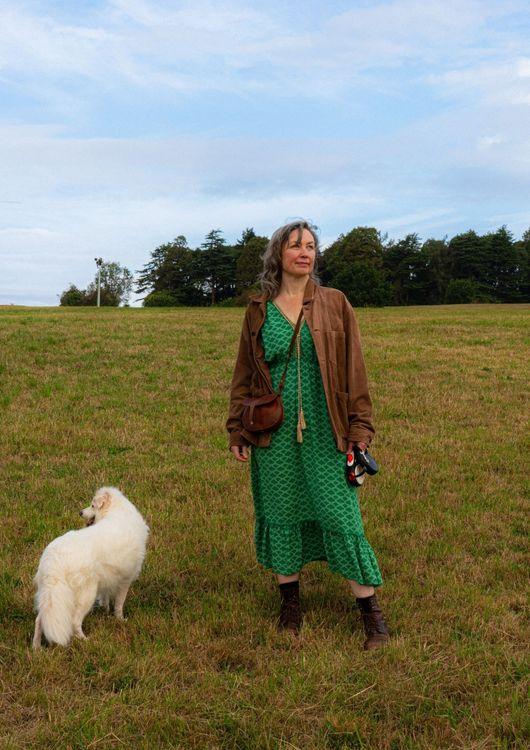
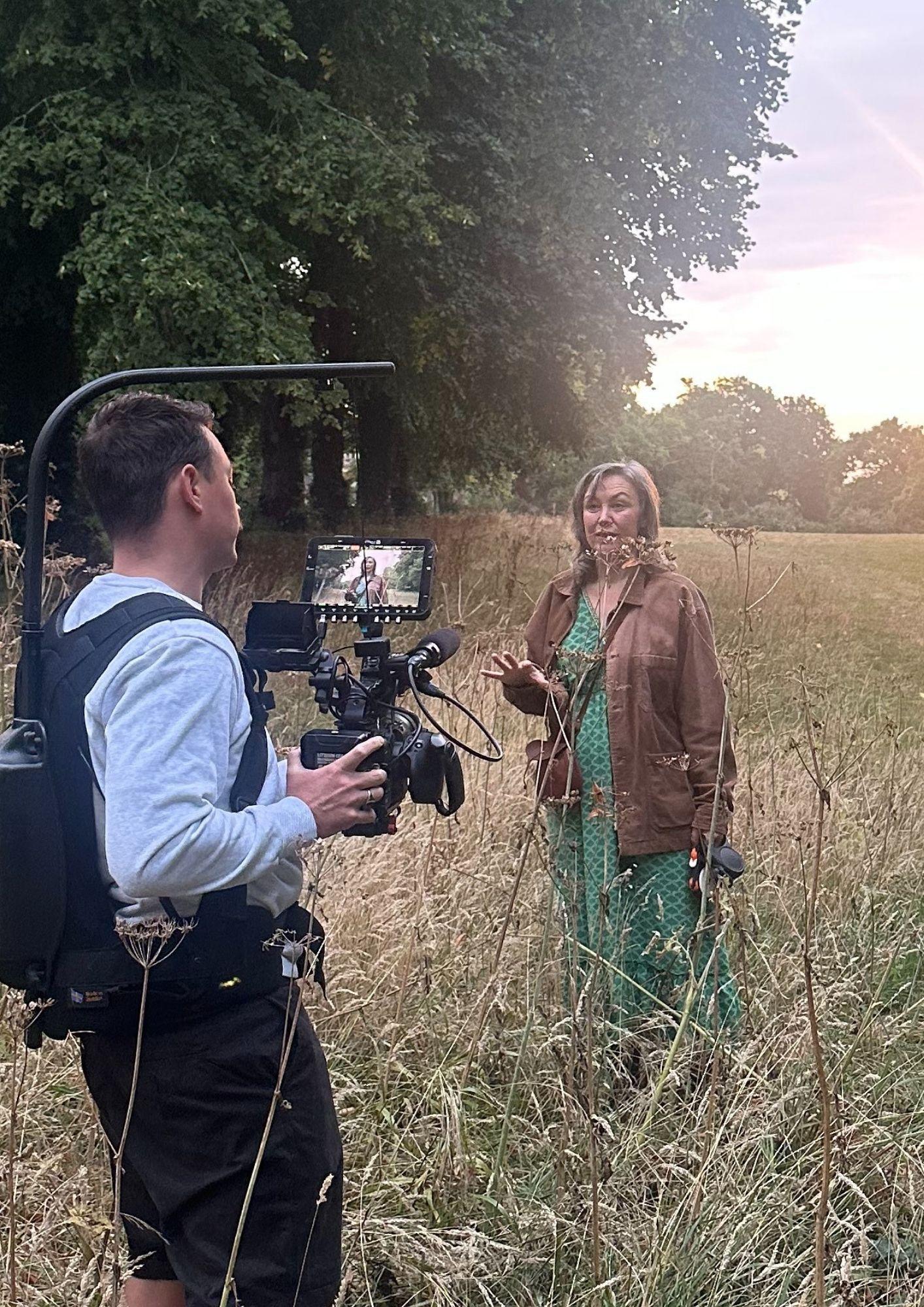
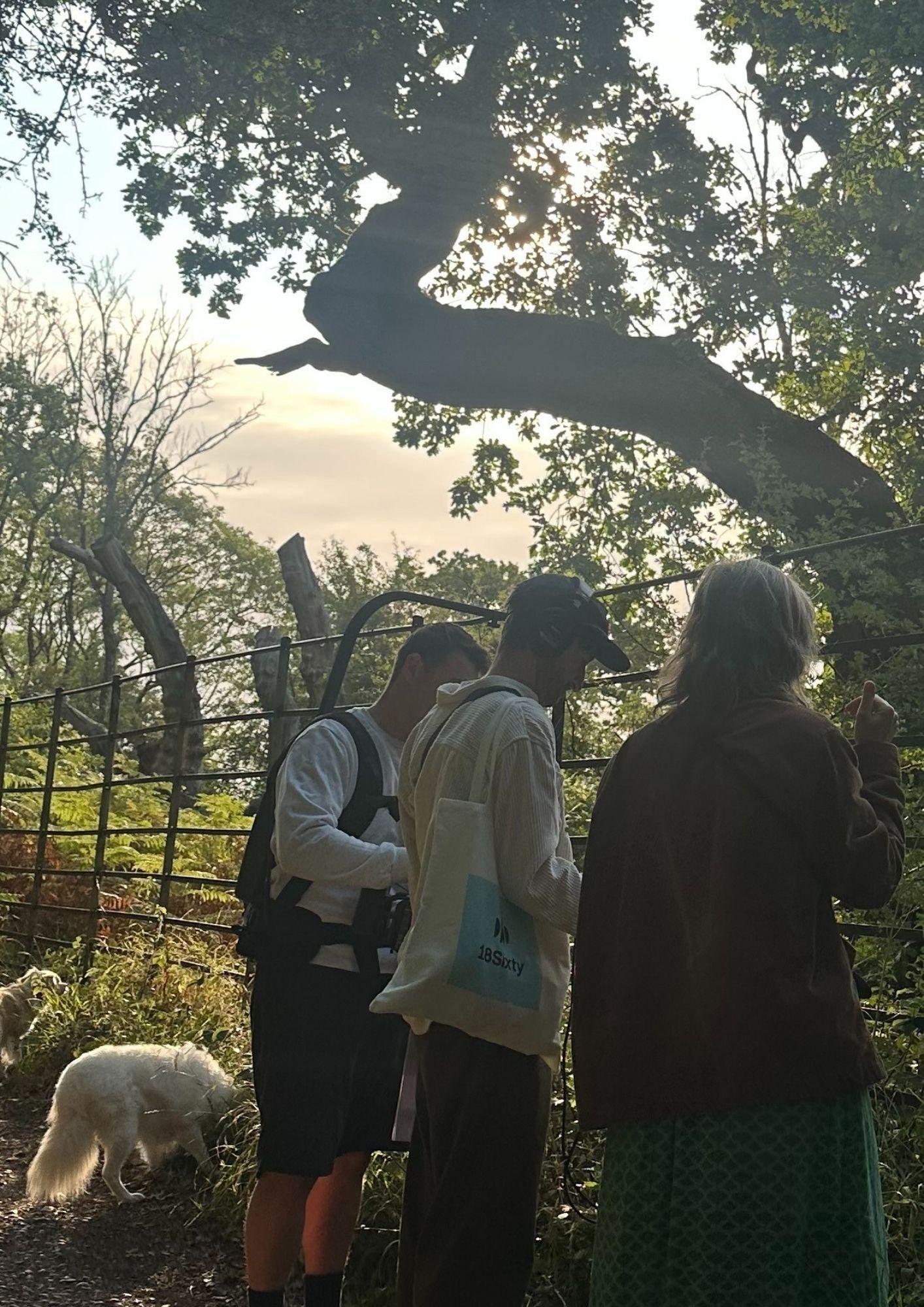
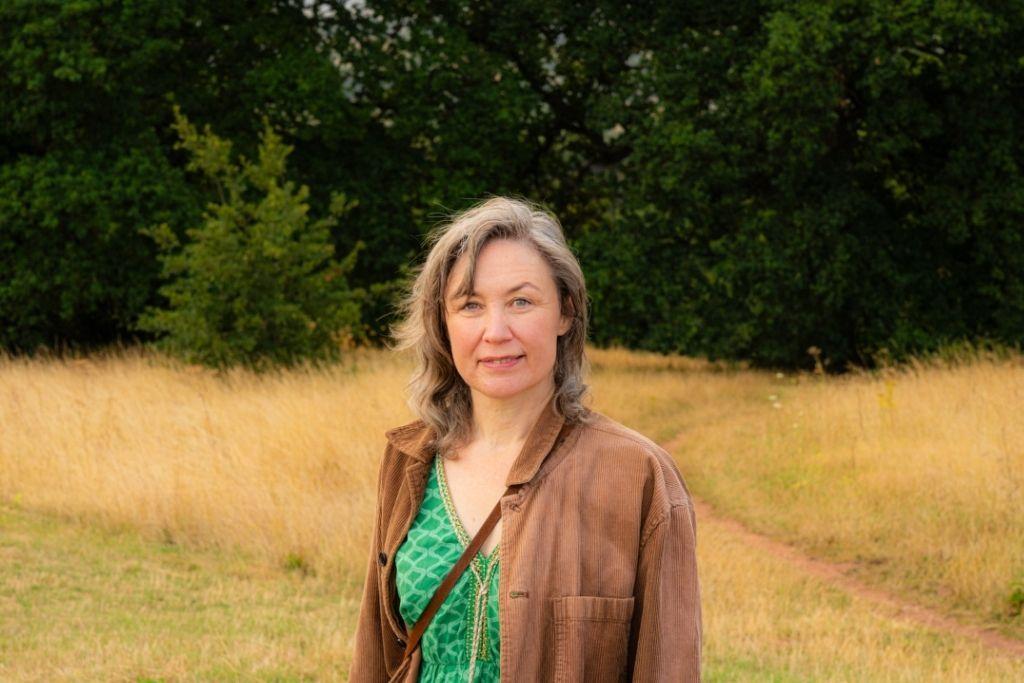
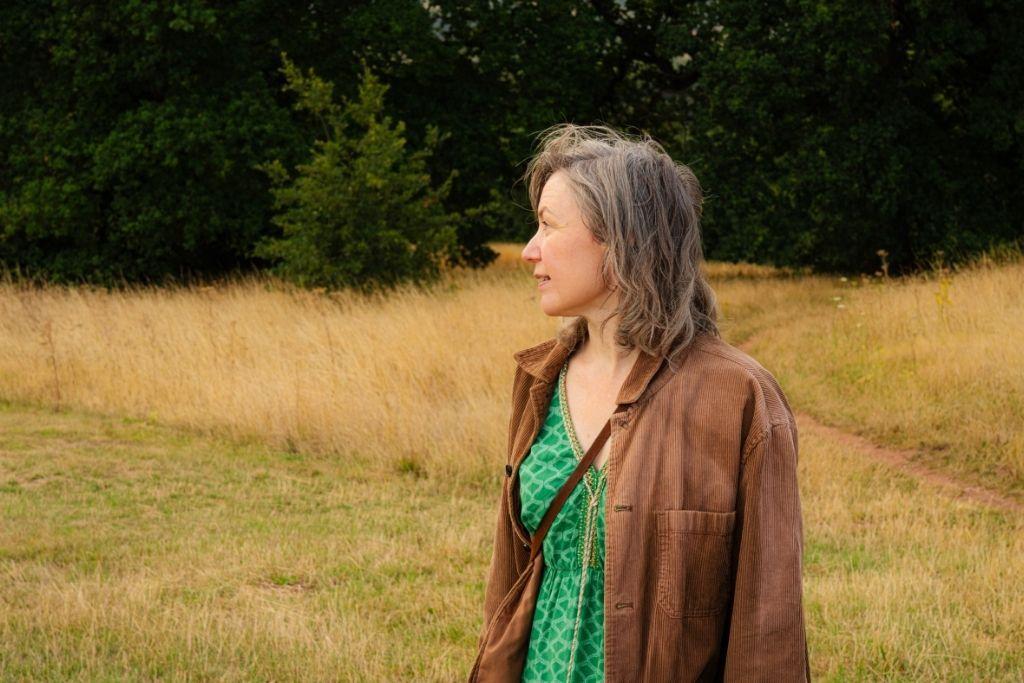
Join Leah now as she walks through Ashton Court in Bristol, recalling summers past, seeking signs of autumn and exploring her relationship to the turning of the year.
Lia Leendertz has revived the tradition of the almanac, charting nature for the coming year. As she walks through Ashton Court in Bristol, she thinks about how easy it is to shut ourselves off from nature and the joy she’s found in starting a community dedicated to noticing the passage of a year the world over.
When a new season comes around, it's almost like going back to somewhere that you've been on holiday to before, or something. In spring, I'll be like, Oh, I remember that tree, and I remember that beautiful view and this wild garlic. It feels like going back and revisiting somewhere without having gone anywhere at all. And it's quite magical, I think, and we can really miss this kind of everyday magic.
I'm at Ashton Court, which is just on the edge of Bristol. The grass is very dry and a little bit parched from this long, hot summer that we've had. And then beyond that, we're sort of rung around by gorgeous, dark trees and then off into the hills in the distance.
And I've got my dogs with me. I've got Karina, who is digging, trying to find who knows what, and Saffy here, who, at the moment is quiet and just sniffing around. But if I stay still for very long, she will start squeaking. So I will set off.
So we're heading round this big clump towards, I think is called the Barnfield, and I want to go that way because I grew up in Bristol and spent a lot of time in Ashton Court, and one of the things that I used to do here every year is come to Ashton Court festival all through my teens. This was just a brilliant place to to come for the festival. Unfortunately, it is no more, but we'll go and see the site of it.
On this walk, I'm going to be looking for signs of autumn. I know that sounds a little bit depressing - it's August, it's high summer! We should be just, you know, throwing ourselves in the sea and all that sort of thing. But I just love the changing of the seasons and that everything is always in flux. You know, even in August, maybe particularly in August, because even though it's one of the warmest months of the year, already, the evenings are starting to get a bit darker. And I know for some people, that's a little bit depressing, but I kind of love it.
I like all of them, but right now, I sort of feel like it's been a lovely summer. It's been gorgeous, it's been warm, so a little bit of cosiness might not be a terrible thing, a little bit of autumn colour, and maybe the odd fire, and some candles, you know, all of that stuff suddenly starts to appeal a bit.
I try to be, I really try to be someone who is enjoying the moment and not always looking forward to the next season and wishing anything away. But there is something about that kind of pull towards the cosy cave of winter that I'm starting to kind of hanker after. So yeah, we're gonna look and see what we can see.
Every year I write an almanac. I wanted to write something about gardening and cooking, which are things I've written about before, but tied into the year and the changing of the year. I came across this word, really the word almanac, and just really liked it, and started looking at what they were. And it's a very, very ancient form of publishing, producing something that is about the year ahead. And I just kind of had this idea of recreating my own version of what an almanac could be.
So it's about what's going to happen in the sky at night in the year ahead, tide times and moon phases, but also about folklore and recipes and foraging and all the things that I think make the changing of the year special and help us to kind of mark and notice where we are in the year. So it's a little bit of a kind of handbook to the year. Really like, what can I look out for through the year ahead?
So I'm now just publishing my ninth edition, which is for 2026. I have a theme every year, and this coming year, for 2026 I've looked at forests and woodlands and at woodland skills and stories, Robin Hood and outlaws and fairy trees, and there's always so much else to find out about the year and different ways into the year of foraging. It's been gorgeous to delve into woodlands and ogham trees and all of this sort of thing for 2026.
If we'd been here a couple of months ago, the air would have just been absolutely full of birdsong, but it's all quiet now. We might hear a little bit in the woods, but that's really because early in the year, birds are laying their eggs, and that's when they like to make a noise. Because what they're saying is, this is my territory. Keep off. Keep away. Now they've done all that business, and they're just raising their chicks and getting on with things so they don't really feel quite so much of a need to be singing all the time. Sad for us, it's a bit of a quieter time of year.
I think when you're a kid, you do kind of experience the seasons much more, perhaps, than when you get older. You know, obviously you remember the summer holidays and going in the sea, and you remember the snow and you know all the big, big headlines of the seasons like that. But I think I reached a point as I got older where I felt quite cut off from the seasons. And I was, you know, you're working and you're behind a computer, and it's very easy to miss, even like the big markers, like mid summer, and I started to really want to just be more aware.
That led into me getting much more interested in tracking and marking and celebrating seasons and just being out in nature a bit more. And actually, though I've been, I think from sort of when I started gardening, really, which was when I first got a garden of my own. I think gardeners, you can't really not be aware of the seasons when you're gardening, because you can't sow your tomato seeds in autumn. And you know, everything does have to be done at certain times, so that it works with when the sun is doing what it's doing.
But actually getting dogs turned it up a level. Because when you've got dogs and you're going on dog walks, you're doing it every single day. So I think in the past, it was possible to kind of miss some of the best bits. But when you're walking a dog every day, you're literally seeing every leaf turn, you know, you'll walk past the same tree every day and it's like, oh, that's got three yellow leaves on it now. Now it's seven. It's just, you know, it's really hard to avoid.
A lot of the trees around here actually have mistletoe in and there's a bunch of trees over there that I know whenever I come in winter are just full of huge clumps of mistletoe, but you can't see it now, of course, because the leaves are on the trees and they're covering them all up, but it's all in there, hidden away, and will be revealed in autumn, when the all the leaves fall.
I kind of love winter walks almost as much as some, or maybe even more. I tend to do more, bigger walks in winter. And I think it's the colours, really. The colours of winter are so beautiful, and you come somewhere like this, and now it's gorgeous, and it's so green and lovely, with little tiny hints of yellow in a few of the trees. Oh, there's a couple of couple of yellow leaves coming up here, little hints of autumn coming. But then when they all drop, you get this kind of sort of sepia landscape.
Obviously it's really beautiful when it's snowing and all of that, but I almost prefer that kind of much more “nothing in between”, brown soil and just the colours of branches. You get, kind of like a purple haze to some of the branches. And sometimes you get that beautiful low winter ligh. It's just glorious.
We're at the Barnfield, and actually I'm going to let the dogs off, because I reckon Karina... Karina, wait, she looks like she's going to take off across the field. It's this lovely kind of sloped field down to some woodland. And there's this beautiful oak tree here that I have always loved. If you imagine a sort of perfect English oak tree in the middle of a field. It looks like that lovely, low, spreading branches. And at this time of year, it's got this gorgeous, deep green to it. You know, in May it would be really fresh, limey kind of green. Now it's got this, it's sort of deepened over the summer into this dark bottle green and it's beautiful.
I have spent lots of picnics underneath this tree and around this tree. It's just been a gorgeous place to gather. I've brought the kids here. I think I've had birthday picnics here. Might even have some acorns. We could pop over and have a look. Oh yeah, oh yeah, absolutely covered in lovely green acorns because it was such a wet year. Last year, lots and lots of trees didn't produce a great amount of seed and fruit, and this year, everything is looking very healthy and bountiful.
The other thing about this spot, with this oak tree, is you turn around, you realise that you're kind of in this natural amphitheatre. The ground just drops away all around, and I'm pretty sure this is where they used to have the stage for Ashton Court Festival.
In my youth, I was a backing singer in a band, so over a few years, I came and performed, did my oohs and ahs on the stage here, a gorgeous, summery memory. They don't have the festival here anymore, which is a shame, but there's all sorts of other stuff that goes on at Ashton Court, which is another reason why I really like it. Feels very human, as well as very naturey.
So I'm going to cross the barn field and go into the woods now and see if we can see any other signs of this changing season. I'm hoping that we might see some seeds and fruits and signs of things starting to ripen, and maybe even some blackberries would be lovely.
This first bit, though, it's very big trees, there's not much undergrowth. I don't think we're going to get much luck here. We'll walk along the estate fence, maybe go down through the Deer Park. The reason why I'm keen to look for some blackberries is it's the time of year, and actually they've been very early this year. I think because it was so hot early on. But we should be able to see some blackberries and some haws and other kind of fruits coming along.
Oh, here we go. We've got a few berries here. A few elderberries, and then some haws here as well, just starting to kind of turn really bright red. So I think I started off foraging, probably with blackberries and just eating them off the plant and on porridge and things like that. But then, you know, then you get to the hard stuff. You get to the hips and the haws and other berries and elderberries.
There are loads of traditional recipes, which is where I started - Pontack sauce for elderberries. People have been harvesting this stuff, you know, for hundreds of years, and making these recipes. And I think as a kind of another way into experiencing the year. It's a really lovely one, because it doesn't mean you have to be watching solstice sunsets. You can do this in your own kitchen. You can be making something that you then put away in a jar, and you save it into autumn, and it's a reminder of summer, and there's such a reward to be had from it, in terms of just linking into the seasons and also linking into the kind of history of the seasons and what so many people have done before us.
We'll walk down this path towards the fallow deer enclosure. So I guess this is some kind of remnant from when it was a grand estate and people would would keep their own deer so there's two deer enclosures here. There's a red deer enclosure and a fallow deer enclosure. And you can sort of walk along the edge of the fallow deer enclosure and see if we can spot any deer. Hopefully we can.
Having deer here has always just been really exciting. I can remember when I was little coming to watch the deer and seeing the little baby fawns in the spring, and the big stags rutting in the autumn. And then there's the red deer, which are kind of even more impressive in their way. They're over in a slightly less accessible part of the park, but they're really big, beautiful creatures, not something that you normally see near a city centre.
We're just coming to the fallow deer enclosure. I'm going to put the dogs back on the lead in a second. But just before it, ther’s this wild clematis, vitalba. And actually, this is doing something really seasonal at the moment. It's one of the few plants that's got two common names, and the common name changes according to the season. So when it's flowering, it has yellow flowers, and it sort of spreads because it's a clematis, it's a climber, and it sort of flings itself over the hedgerows. And it's this gorgeous yellow and it's called Traveller's Joy. And you can absolutely see why.
And then around this time, the flowers have all gone over, and you're starting to get the seed head. So we've got this spiky seed heads coming, which will then, as the seeds kind of open up, become very fluffy. When you're driving sometimes in winter, along kind of hedgerows or country lanes, you can see these kind of fluffy things strung across the hedgerows, and they can light up with the low light coming behind them. They can really look like kind of fairy lights. And at that stage, they're called Old Man's Beard, so they're in their kind of transition currently between Traveller’s Joy and Old Man's Beard, neither one or the other.
We'll walk up the other side of the deer enclosure. I actually can't see any deer today. I was hoping that we might be able to have a look at their antlers, because the antlers actually change through the year. They will lose their antlers, the male deer, in kind of April/May time. Then grow these lovely little nubs covered in sort of velvety fur through the summer. About now they should be almost fully formed. And then they lose this sort of velvetiness, and then they're big, tough guys ready for rutting without the sweet, soft velvetiness. But where are they? They're hiding out in the bracken I think.
This has been a very impressive place to bring my kids, because they just would get very excited about seeing these beautiful, beautiful deer and beautiful fawns. Karina is impressed anyway, at the smell. But we'll walk up this hill to the top and just have a look down towards the mansion, Ashton Court Mansion.
If you asked me at the beginning of the year, what's my favourite season, I would always say it is kind of late spring. I love May, it's so beautiful, and you're so ready for it when it comes, because you've had all these kind of months of dark and cold, and then you get this incredible explosion of green and froth and, you know, white cow parsley, and it's so beautiful, and it's so welcome at that point.
But yeah, I am sort of almost in a practice of trying to appreciate the moment I'm in, and not just hanker after May and June all year round. So right now I am loving, trying to love, late summer, autumn.
I do think it's so easy to miss the seasons. And one of the things I've started doing is I have a substack called Leah's Living Almanac, and what we do is very simple. Every week, I write a little post about something that I've spotted that week that could only really have happened in that week of the year. So this week, it might be, sort of, I don't know, maybe seeing my first yellow leaf on a lime tree, or perhaps seeing some seed heads coming along, and then all the people who read it, they chip in. And we get people from all around the world, sort of talking about where in the season they are and what they're seeing. We even got some daffodils from New Zealand the other day.
And just as we're going into autumn, what I've found is that, because I know that I need to write about this every week, I look a lot more. I'm much more likely to go outside and to try and find something and really open my eyes. And it's been a really brilliant practice of sort of noticing, really, what are the little changes? You know, it's not just summer. It is a particular point in summer. It's not just autumn. It is this particular week in autumn.
I think we're all so busy, you know, we're all just trying to get by, and we've got the jobs and the kids and appointments, and it's so easy to miss so much of nature. And I think the seasons are such a treat. You know, there's I always feel a little bit like it's kind of everyday magic, but also we can really find it really easily, and is just about stepping outside and looking and taking a moment. And it's really hard to do sometimes, but if you possibly can just look for one little thing each week feels different, or that tells you about the seasons. I think it's it's good for the brain.
You don't have to start a weekly subs day to get back in touch with your natural rhythm. Maybe just pick something you see every day and watch it change with the passage of time. It might help you feel a little more grounded.
Why we're one of the highest scoring travel B Corps in the world
People
We're majority employee owned, which means we all get a say in how the business is run.
Profit
Our Charitable Trust uses 24% ownership of the company to support environmental causes
Planet
We're committing to raise £50,000 by 2027 to help protect nature in our national parks.