
A Life More Wild - Series 6, Episode 3
Joycelyn Longdon on secret willow rooms and radical imagination
If you’ve ever felt powerless in the face of global problems, maybe it’s time to look locally for a way you can have an impact. That’s what researcher, technologist and activist Joycelyn Longdon thinks, although she does admit it’s a bit more complicated than that.
I’m Chris from Canopy & Stars and this is A Life More Wild.
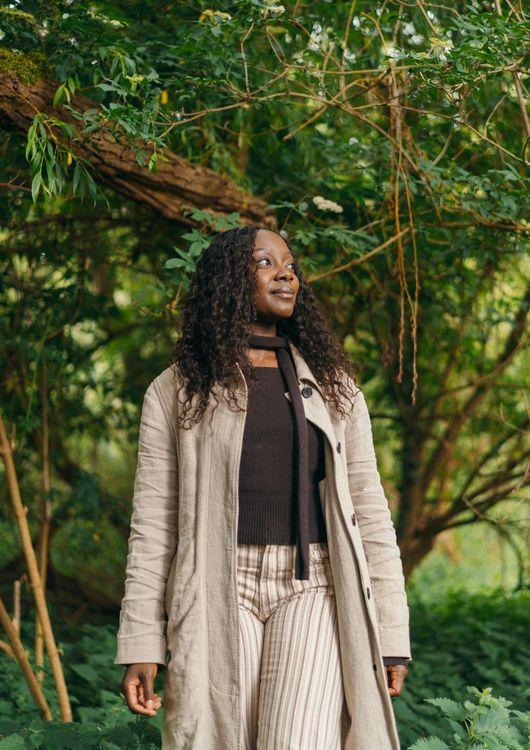
Join Joycelyn now as she takes a break from her busy schedule and a walk through Paradise Nature Reserve, explaining as she goes how small-scale community work, art, music and tech can all come together to spark societal change.
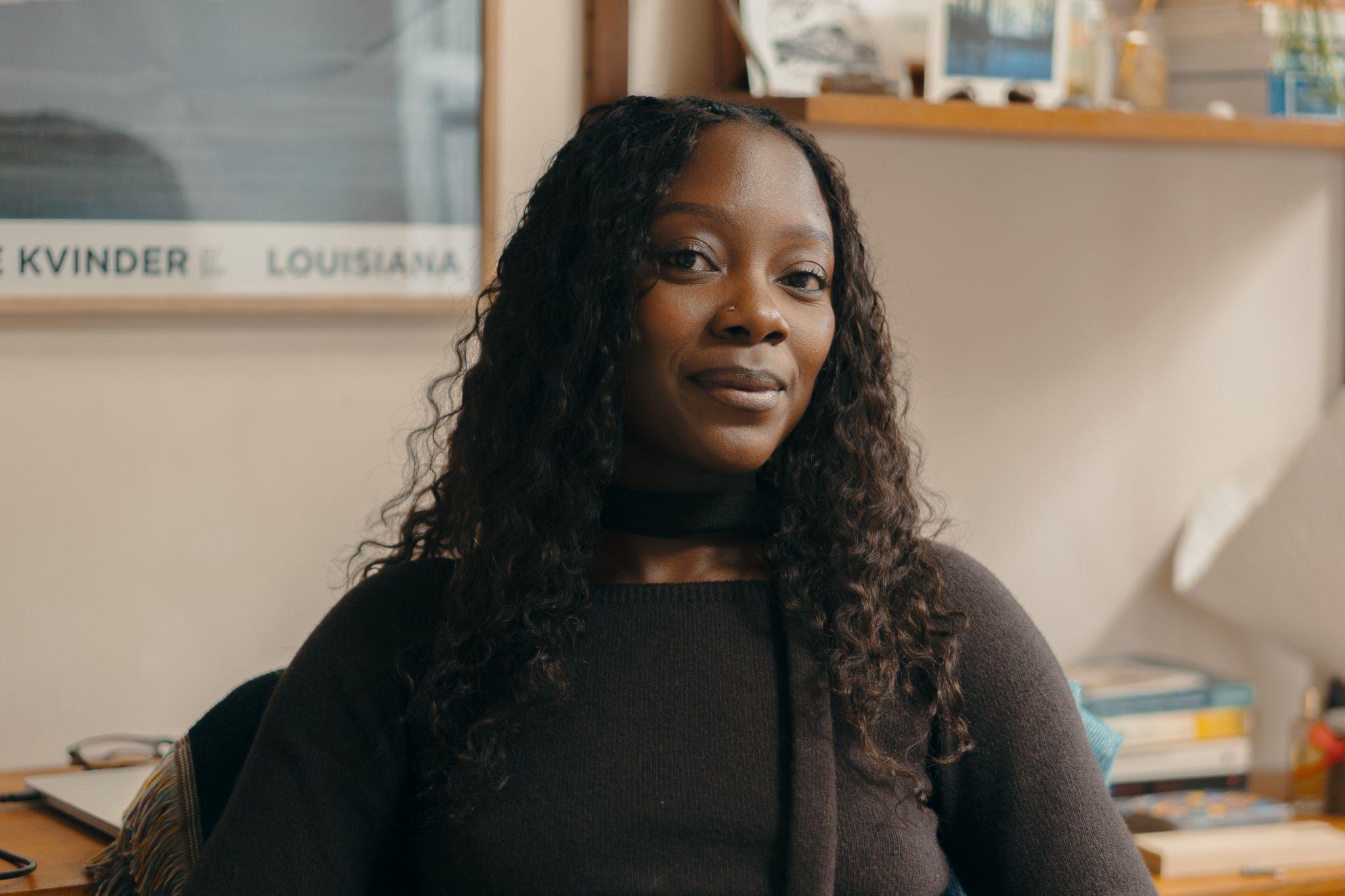
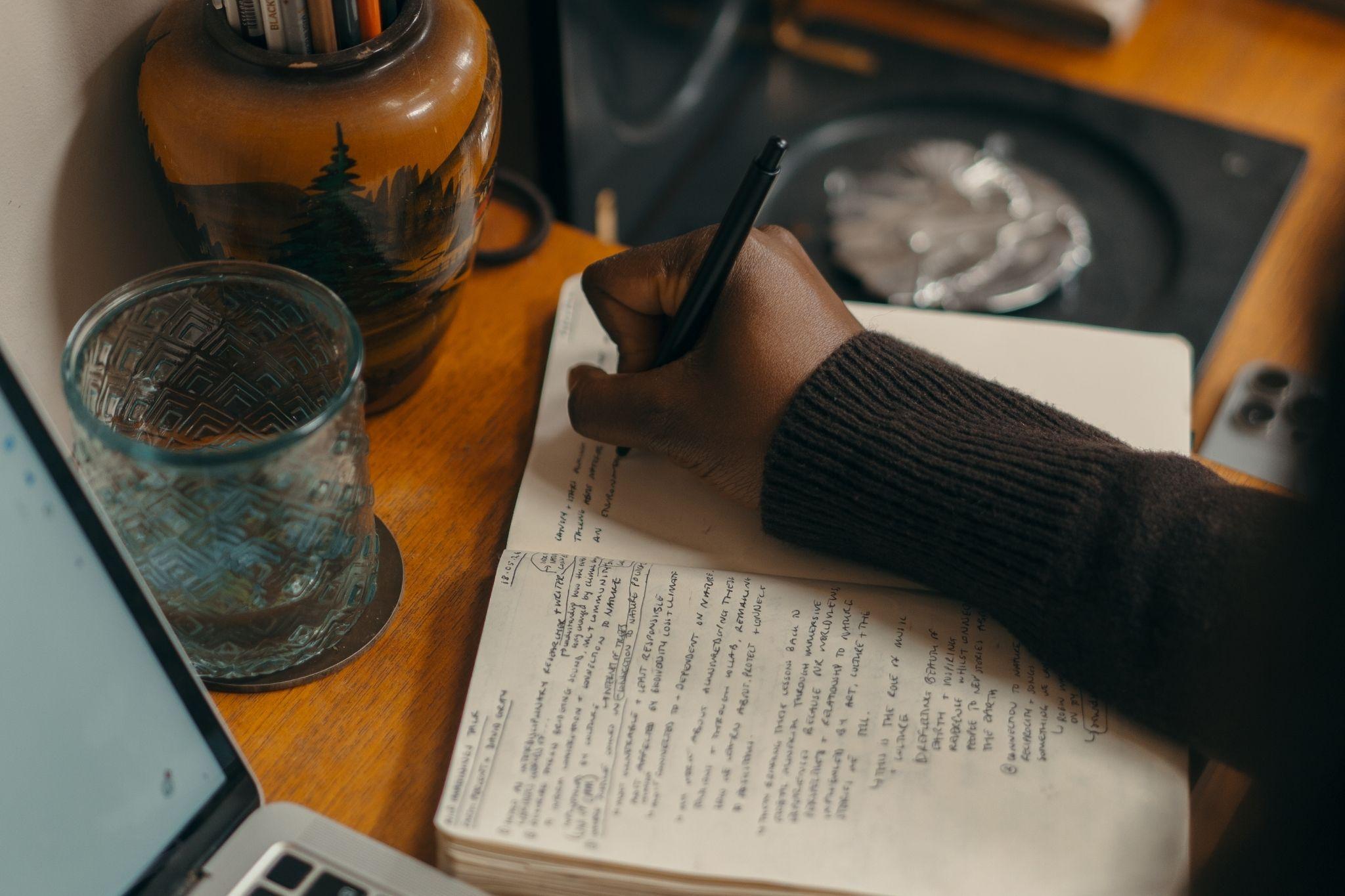
Hi everyone, I'm Joycelyn Longdon. I'm a researcher, writer, and technologist and my work bridges the worlds of ecology, technology, and environmental justice. So I wear a lot of different hats. It's always really hard for me to describe what I do, because it changes on a day-to-day basis. But out of some of the main hats I wear, the first is that I am currently at the end of my doctoral studies, finishing my PhD, and my PhD thesis focuses on how we design conservation technologies through a justice lens.
So, I work with forest communities in Ghana, and we work with a technology called Bioacoustics, which is how we monitor biodiversity through sound and machine learning. I explore with communities what the risks and the harms of these technologies are embedded in ecosystems, ecosystems that are homes for communities, but also what dreams and imaginings of alternative technological futures we might build with communities in order to protect both people and the planet.
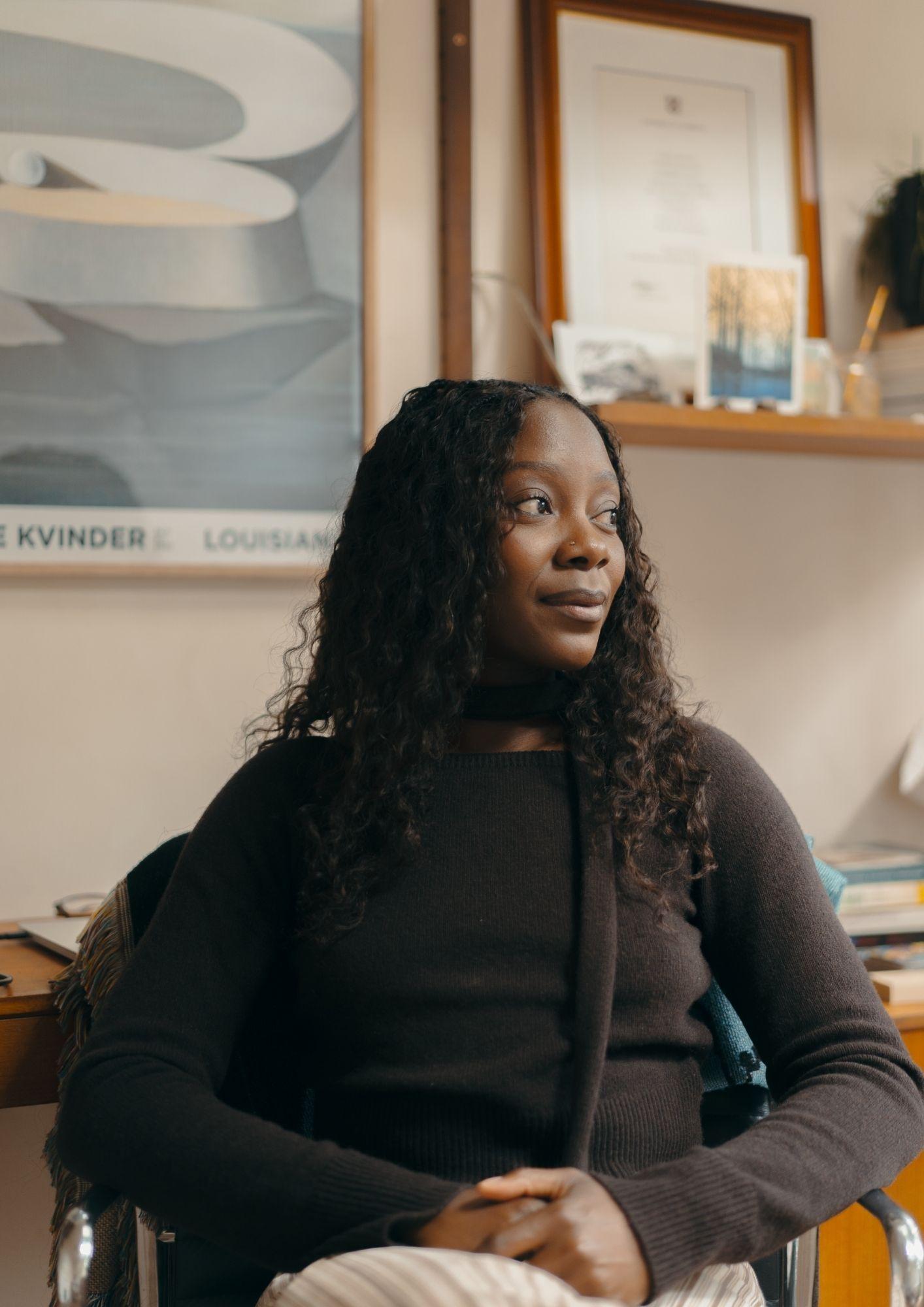
We are currently in my little writing room at the end of my garden. You can probably hear some birds in the background. I feel really lucky to have this space. I moved in to this space around a year ago, and it's kind of a haven for all of the work and writing and thinking and dreaming that I do. Whilst I now have a garden, for a long time I lived in Cambridge, in a flat without a garden, and my favourite place to go to is a local woodland, which is just around the corner, and which I’ve spent so many of my days visiting, walking in, sitting in, and contemplating. So we're going to take you there now.
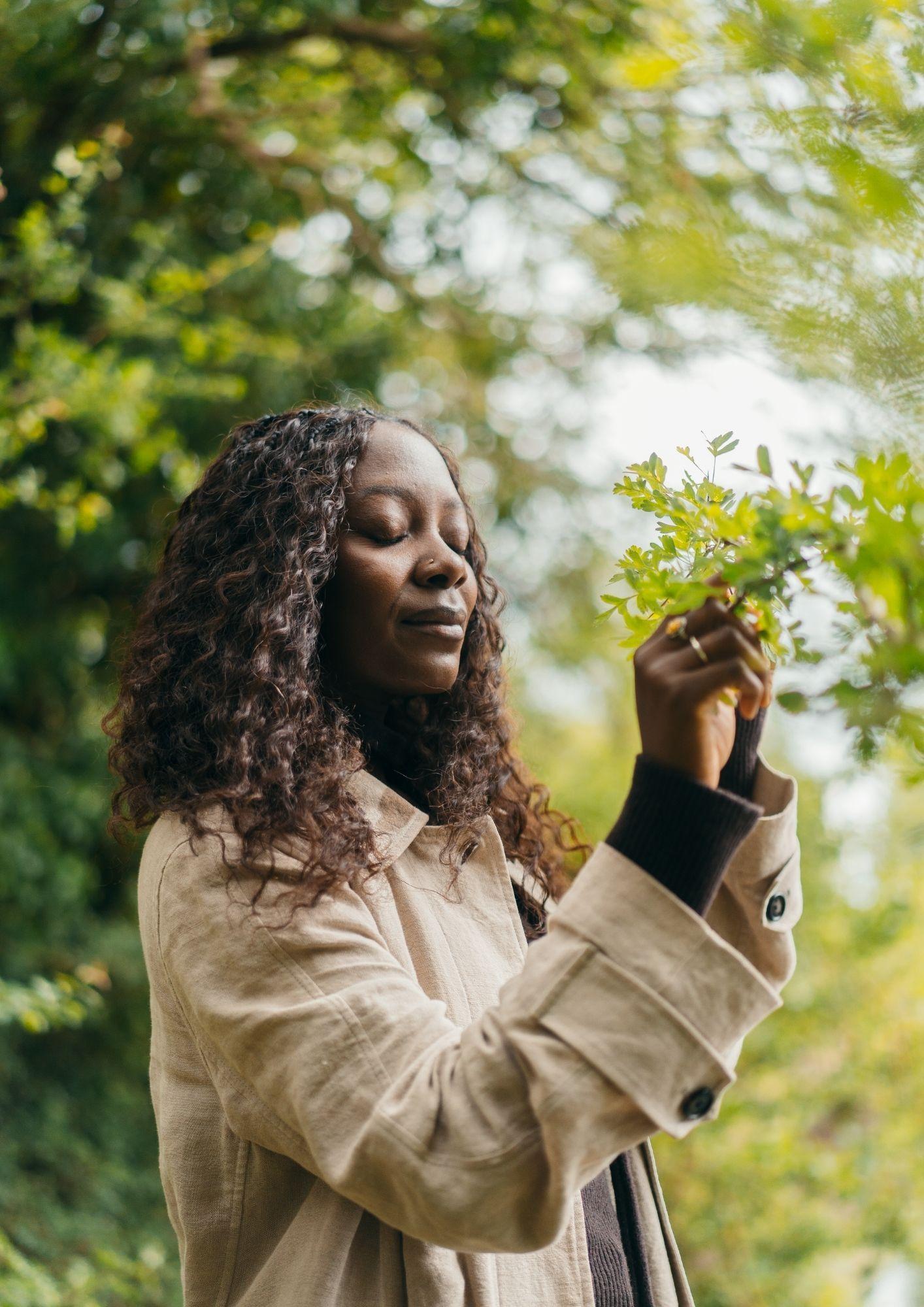
Welcome to Paradise Nature Reserve. This is one of my favourite places to visit, to come and rest and connect with nature. Sometimes it's a little bit noisy, but it's still a space of relaxation and reprise for me. We've just come down the first little path and either side you're kind of hugged in by loads of really luscious and green and verdant plants and weeds. But you know, what makes a weed a weed? That's up for debate.
Then it opens out into a bit of a clearing with a board walk, and we come to the river. We can finally see the river, the river cam flows through this nature reserve, and it's absolutely stunning.
Urban green spaces are lifelines, not just for people, but for wildlife. They make our ecosystems so much stronger, so much more resilient. This particular woodland is one of the most biodiverse green spaces in Cambridge City, and it is a haven, not just for wildlife, but people from all over the city, who come here to support their mental health, to exercise, to relax with friends, and to connect to nature. There's all of this development that constantly threatens them, but without these spaces, wildlife don't have places to, you know, stop over and to nest and to mate and to breed. And we lose spaces to feel that we are constantly connected to nature, that we can constantly be connected and form relationships with the living world, and that is really, really important.

We know the science behind how important green spaces are for our mental health, how important they are for community cohesion, how important they are for our sense of happiness and our sense of wellness. But these spaces aren't just things that can give us stuff, that's a very human-centric way to think of things. I think what we can do when we have spaces like this is start to practice what reciprocity looks like, and we know that the environmental crisis is not just a practical one, it's one of culture, and it's one of spirit, and it's one of relationship, and so the more that we have opportunities to build an actual relationship with living spaces…
That might sound weird, like, how do you build a relationship with a tree? Or how do you build a relationship with a river? Through reciprocity, through knowing that they give us so much and asking what we can give back, and maybe that's just simply like our attention and our adoration, noticing, and so having these quiet spaces that allow us to slow down to kind of get out of our very urban city-focused work and mindsets and actually start to notice and observe and adore and revere these spaces is really important.
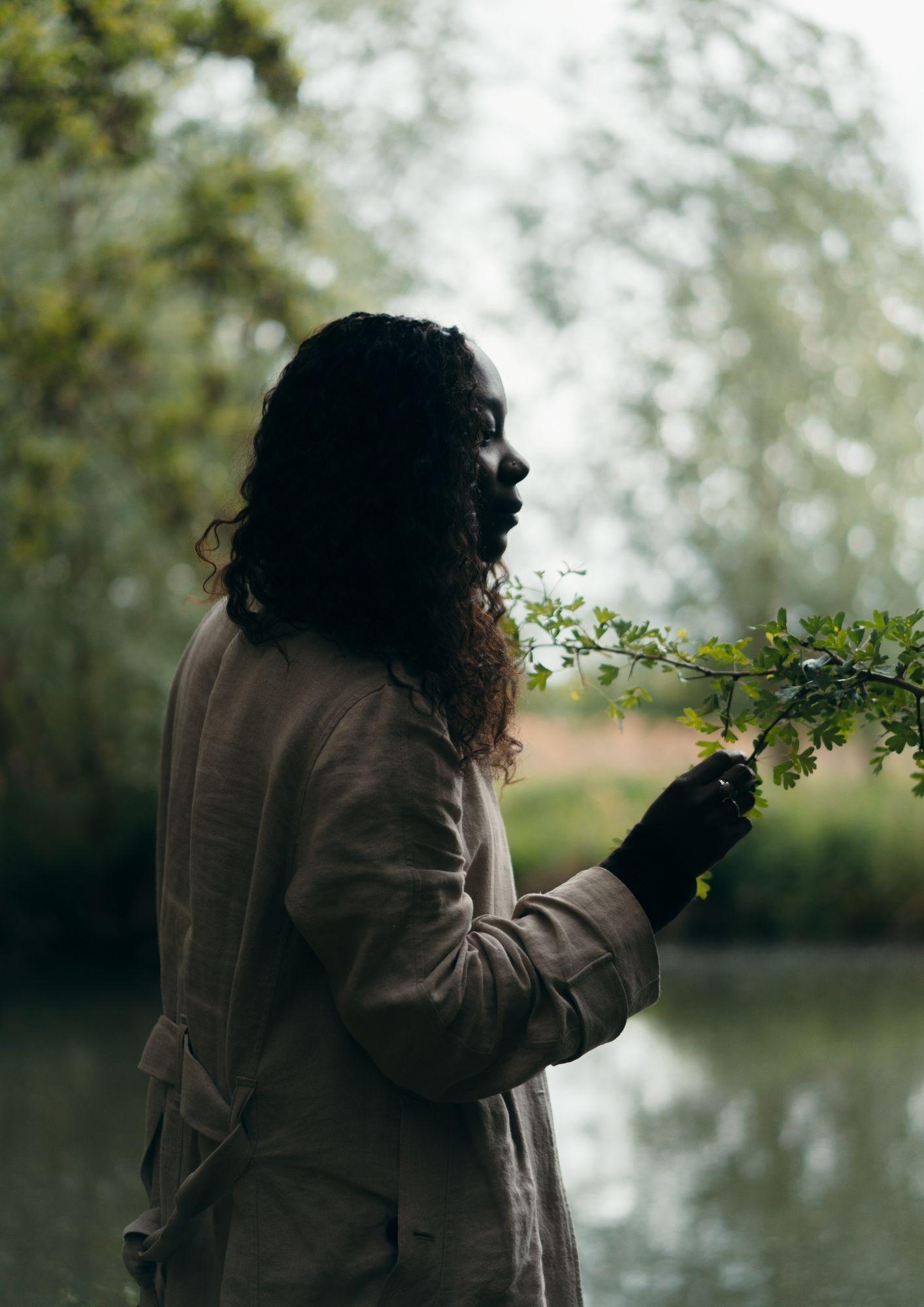
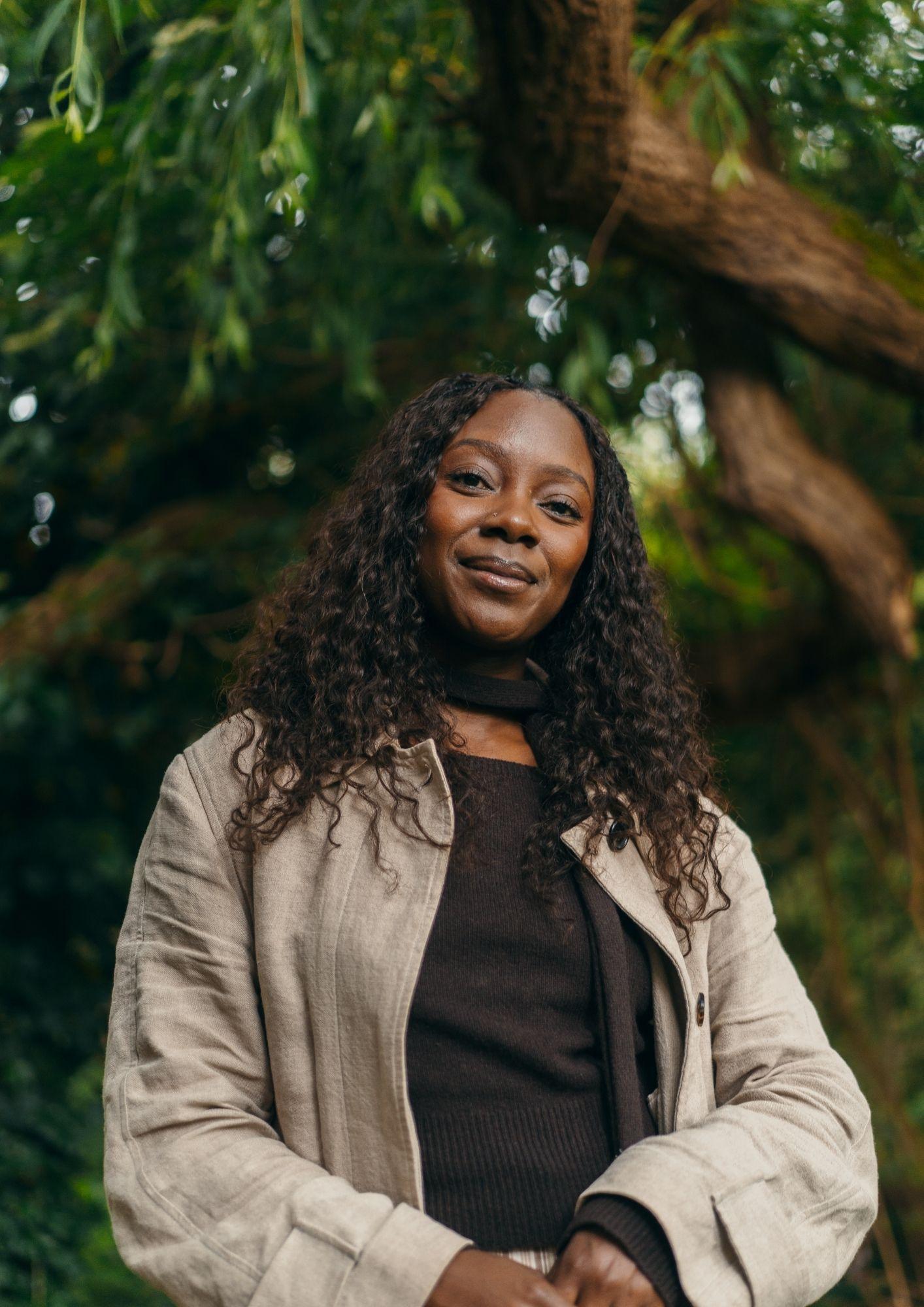
So now we are standing right in front of my favourite tree ever. This is the willow tree. It’s just a bit further at the end of the reserve path and she's just stunning. I have visited her and feel like I have a relationship with her for the last, like, five years. She's surrounded by all of these nettles, these stinging nettles, so you have to pay a little bit of a price to get in under her huge, huge canopy, but it is just like becoming a child going in here, and you know, just being hidden by her long branches. So we're kind of, I say, inside the tree, but we're under the boughs of the willow, and it's a very quiet space, you can hear the birds much more clearly. It's still on the path, but her canopy just creates this sort of room, almost. So it's really private.
I think we're in a really interesting time, where there's so much going on in the world, and obviously there always has been, but there was a moment, from 2019, maybe till last year or the year before, where the environment was top of the list in many regards. In culture, in media, there were lots of conversations happening around environmentalism more generally, and because of that, conversations about climate, environmental justice, which hadn't been in the mainstream before, were starting to get there. They became part of a lexicon that we had in the environmental movement, and we were trying to build education and momentum around them.
We've definitely moved into a different era, where from all of the violence and wars around the world, and cost of living, and just lots of things intersecting and making people's lives harder and more scary and more vulnerable, environmentalism and climate justice has, in the mainstream at least, lost some of that energy. I think for those of us in the movement it provides a time of reflection for what went wrong with that storytelling, what went right, because a lot went right, and actually because of that storytelling, and because of all of the work that happened, not just in that time period, but that has been happening for decades and decades and decades.
People have been campaigning for environmental justice for decades, but it’s valuable having a rethink about how we connect to people, and I think a lot of this does come from an intersectional lens and from understanding intersectionality. A similar thing happened around the Black Lives Matter movement, where there was a huge amount of investment from organisations into equity and diversity, and then there was a sort of fall off, and I think sometimes that fall off happens when what is required of us maybe feels a little bit more difficult and a bit more more challenging. It's very easy to say the slogans and like an Instagram post do more surface level things, which are important, but what it takes to sustain movements, what it takes to really make communities work together is hard.
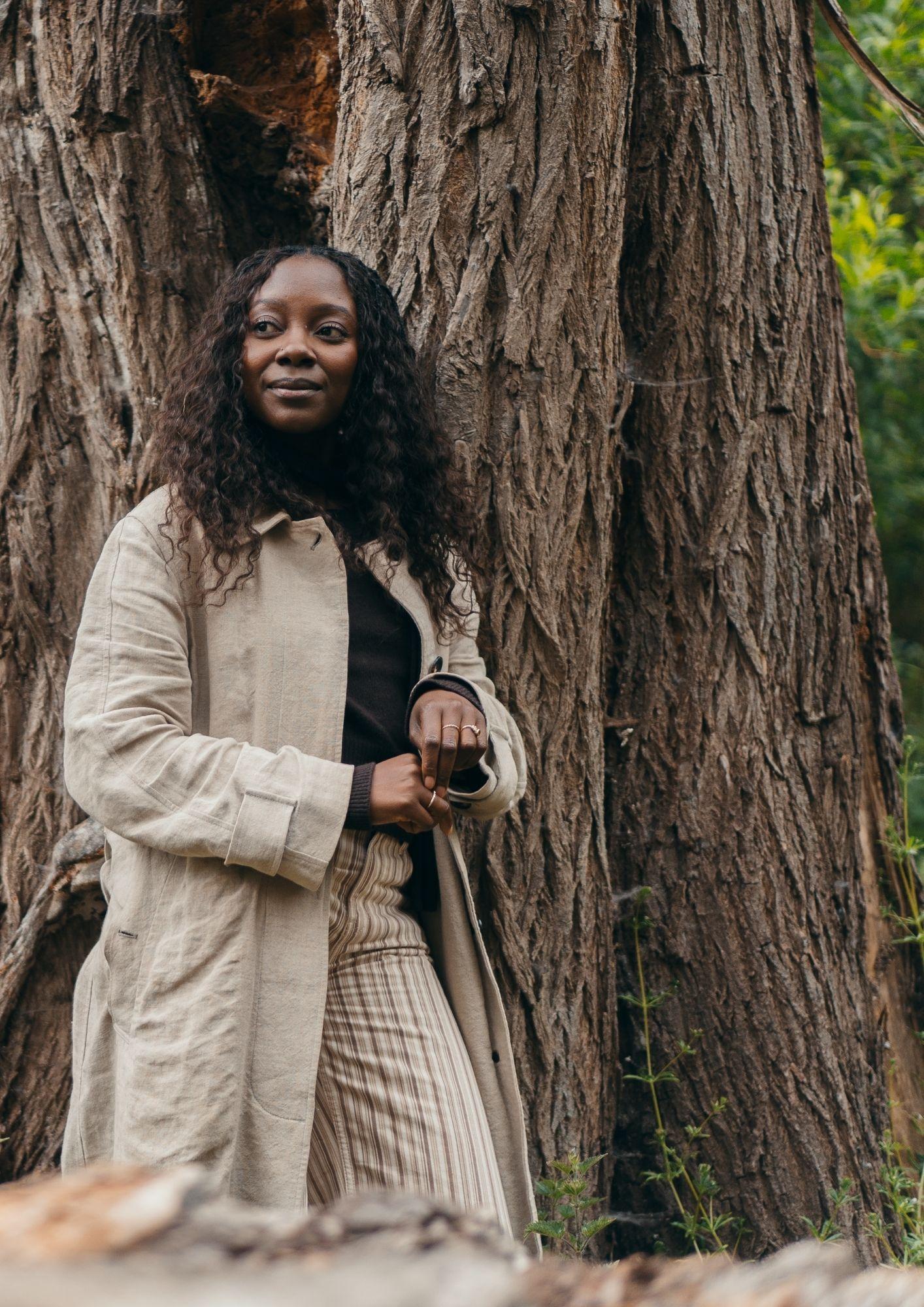
What I will say is that whilst maybe the… “brand” of environmental justice or climate justice has shifted, I think what it has shifted to in many places is a real focus on community, and we hear that word a lot, but I think there was a tension that people were feeling with how big the problems were on a global scale. And actually we find a huge amount of power and agency in being able to change things that are really close to us, and that doesn't mean that we forget the global issues as well.
You know, it's really important to move between the two of them, but I think people are finding some solace and some stability in being really involved in their local communities, and so I think environmental justice is being practised a lot more, even if it's not been spoken about in the mainstream. Those who were really engaged in that period of time where environmental justice was being spoken about are doing incredible work in their local communities with local community gardens, or even in this reserve, with the Friends of Paradise Nature Reserve. They look after this place, look after the paths, make sure it's sustainable, and sustained, and push back against developments that threaten the space. There are loads of different groups coming together to try to work through the things that environmental justice means, but what it means for them locally and building a radical collective imagination for me is one of the most important things we can work on right now.
The systems that we live within and the systems that we might be angry at or frustrated at have come from someone's imagination, and the dominant system that we're living in, capitalism and neocolonialism, those are imaginations, those are stories, those are narratives that are told, and often when you talk about imagination, people think it's really abstract, or that it's not, you know, scientific or logical, or rooted in, you know, the real world, but actually the way we live and all of the systems we invest in are based in how someone has imagined the world.
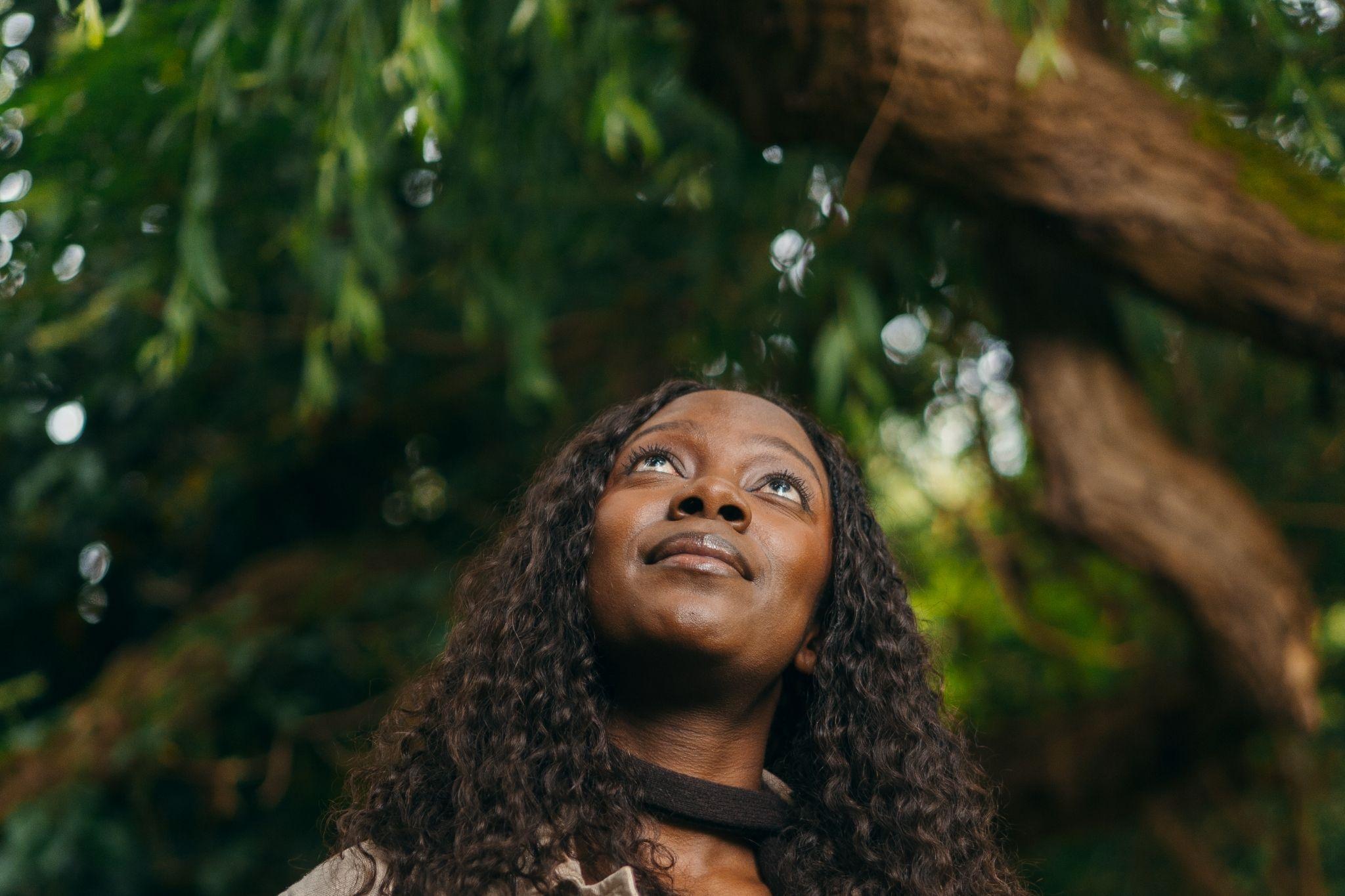
The big tech space has a particular imagination of the world and they build that imagination and that vision before they build the tools, so if we're thinking about how we resist systems of oppression, we also need to not just be reactive and think about what we don't want, but we need to be able to think of what we do want, and we’ll build that. Having that goal, having that vision, and having a shared vision, is really difficult, because so many of us have different visions of what the future is going to look like, and many different futures will exist.
I often try to use future in a plural because there isn't just one future, there's going to be a multiple, a multiplicity or plural future. But we need to have that vision, so cultivating a radical imagination is how we think outside of the systems that we're currently in. How do we move outside of just reacting to systems and saying what we don't want, and how do we start thinking, even if it's outside the box, even if it's kooky, what could exist in the future? Because at one point solar panels were kooky, and at one point wind turbines were kooky, and now they're the most boring thing and the environmental movement's like, "Oh yeah, renewable energy, we know.” It's exciting and it's getting cheaper, and it's now normalised, but at some point that came from someone's imagination, and I think that's what I love so much about science, and about writing, and about art, and why I see them all connected, because they're all about curiosity, they're all about ideas, and I think being able to move into a space of ideation and imagination is also part of resisting defeatism, because it means that we're taking some of that agency back, and even if it's not on a global scale.
In our community, someone imagined that this space should be protected, that this space, this reserve, should be a place of respite for the community, and if we continue to keep it in our imagination, it will stay here. If our imagination shifts, and we suddenly start thinking what would be better here? And what people can imagine is a lovely big development on the side of the river. Then it's the strength of our imagination to resist that, so whilst there are lots of things that are out of our control and so many of the systems that are destroying the planet seem really far away, there's actually so much that we can do when we come together. If we imagine that we will win at some point, and that there will be this better future, I'd hope when we get there we're ready, we're prepared, we have some of the things that we want to bring into that world.
I think a really big challenge is unravelling narratives that are really, really ingrained in our culture. Often people feel threatened by silos being opened up, because it means that new opinions are going to come in, new ways of looking at the world are going to come in, and maybe even your world views might be challenged, and I think that puts people in a really uncomfortable position. We all feel really passionate about our work, and we all, you know, have ideas about how important our work is, and the value that our work has, and often when we receive critique or challenge or see people doing it differently, I think we can immediately jump to that invalidating what we've already been doing, instead of seeing it as an opportunity to grow and to build better.
So one of the main challenges that I have in my work is actually very relational. It's like, how do you build enough trust and respect and create spaces that feel safe enough for people to be open to differences, open to different world views, and see that as a source of abundance, not as something being taken away from them. Through my work I've been able to connect to lots of different people in different spaces and it’s become really clear that interdisciplinarity had to be the way, because there were so many lost threads of communication or pain points in one area that could be solved from people in another area, but they weren't connected at all.
This work of cross-pollination, of connecting people, or planting seeds in one area that actually would be really useful in another area, arose as some important work that needed to be done, especially speaking to people who wouldn't necessarily call themselves environmentalists, but who care about a connection to the natural world. It was very clear that they weren't being served by a kind of binary thinking about what it means to be an environmentalist, or who can even be an environmentalist, and what kind of work you have to do, or what kind of identity you have to have.
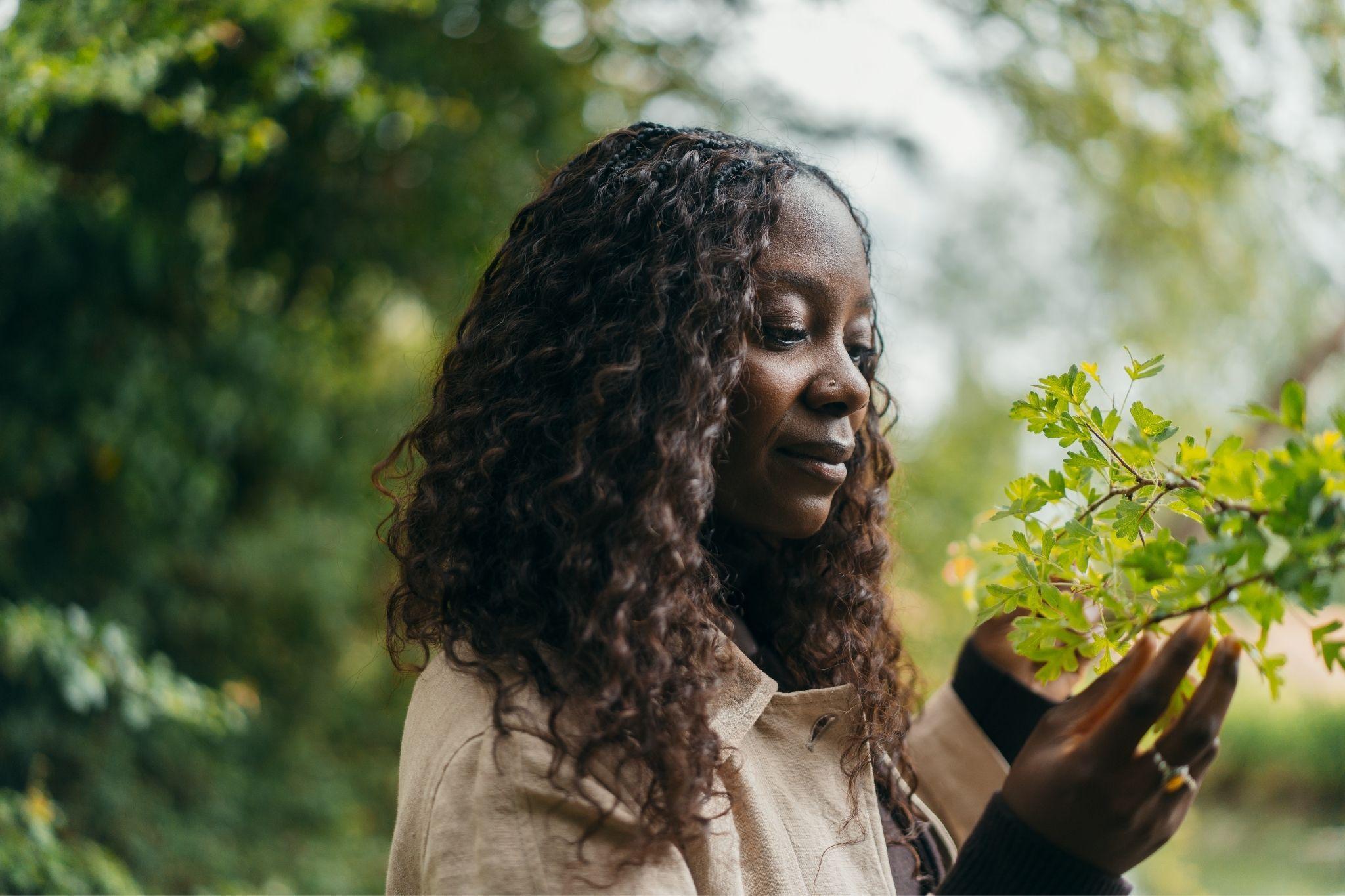
Interdisciplinarity, whether that's academically or just culturally, allows us to make connections, and for me, supporting environmental regeneration is about connection. It's not about disconnection, and if we want to build a better world, I think we have to mirror it now. We know that healthier forests are those that have diversity and are connected at the roots, and healthy human ecosystems, I think, should mirror that. What we're all talking about at the core is a love for this planet, like whether you're a scientist, an activist, a designer or an artist, it's about love for this planet, and the earth itself is a very wild and creative and technological and loving and harsh and raw thing. It's not one thing, it's not just this like docile mother earth image.
Ecosystems are of course built on reciprocity and community and collaboration, and also pain and loss, and those are part of a part of life, and so I think being able to embrace that in the process of doing this work and bridging different worlds together is really important, and that's why I say something like music is really important, or art is really important, because music and art can help to break down those kind of barriers and boundaries that we have between each other, but also with the living world. I think that's what art and music do - start to, you know, soften us and make us more attentive and tuned in to the environments around us. That might be a bit of a wishy-washy answer to bridging, say, the worlds of technology, ecology, and justice, but actually working in communities in Ghana, those are all part and parcel of their everyday, blending culture, connection, relationships, duty, loss, pain. Those are all part of life, and I think if we're not starting from that position as people working in the global north on these problems, we're missing what it really means to be in connection with nature.
So, it doesn’t matter what you do or what you’re passionate about, you can be part of the conversation and help get us all back in touch with nature.
We’ll be out walking with another guest soon and until then why not try our Soundscapes series, which started with some sheep and a rainy hillside in Eryri National Park. Don't worry, It sounds better than it sounds, if you know what I mean.
Also, please take a second to rate and review ALMW wherever you get your podcasts, it really does help.
Why we're one of the highest scoring travel B Corps in the world
People
We're majority employee owned, which means we all get a say in how the business is run.
Profit
Our Charitable Trust uses 24% ownership of the company to support environmental causes
Planet
We're committing to raise £50,000 by 2027 to help protect nature in our national parks.