


Wild escapes: Our top UK glamping spots near nature reserves
Glamping is about more than just a hot tub. It’s about rediscovering the wild side of the UK. Beyond garden foxes and city pigeons, the countryside is alive with rare butterflies, birds, and ancient woodlands. Glamping near a nature reserve lets you step into these habitats, with passionate hosts ready to share local knowledge.
Here are some of the best glamping stays across the UK, each close to protected landscapes where wildlife thrives.
Two Pines, Northamptonshire
Glamping in a rewilded woodland
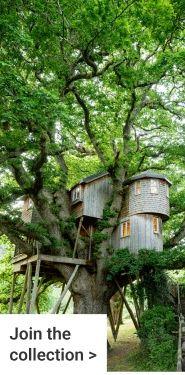
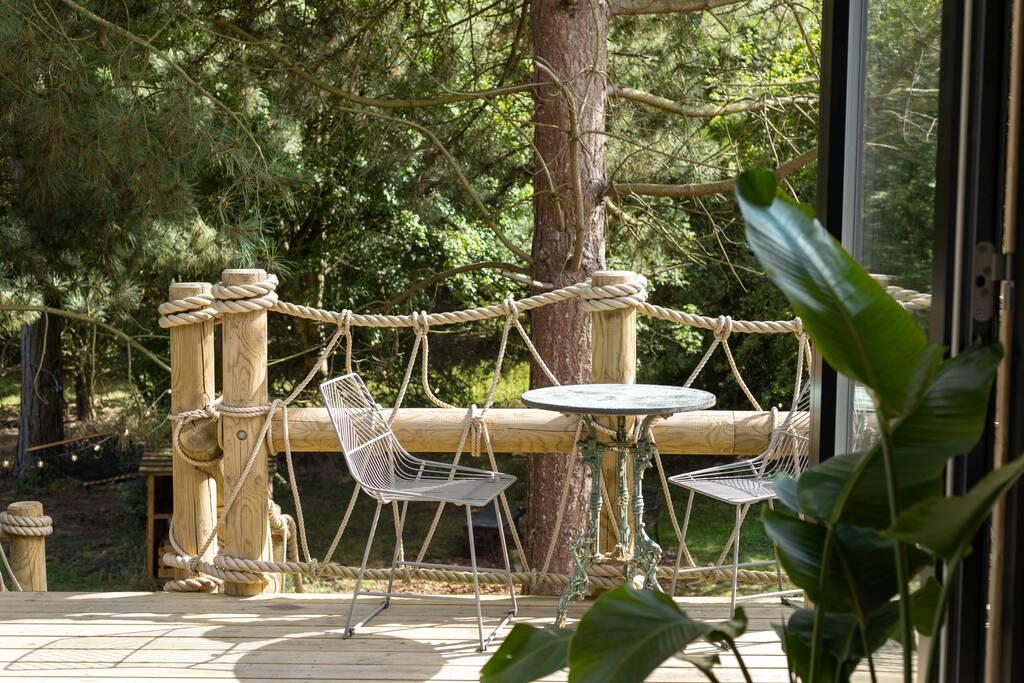
Ninety acres of rewilded WWII airfield and ancient woodland make up the magical setting for Two Pines treehouse. Fin’s parents’ home has been on the site since 1978, and he spent his childhood playing in the woods and meadows within it. Now he wants to share that joy with his guests.
Spend the day spotting rabbits and deer in “The Wilding”, then soak in your outdoor tub under starlit skies. Inside, you’ll find a wood burner, cosy seating, luxury shower room and a modern kitchen.

Double Deckerdence, Lincolnshire
Quirky glamping near Red Hill Nature Reserve
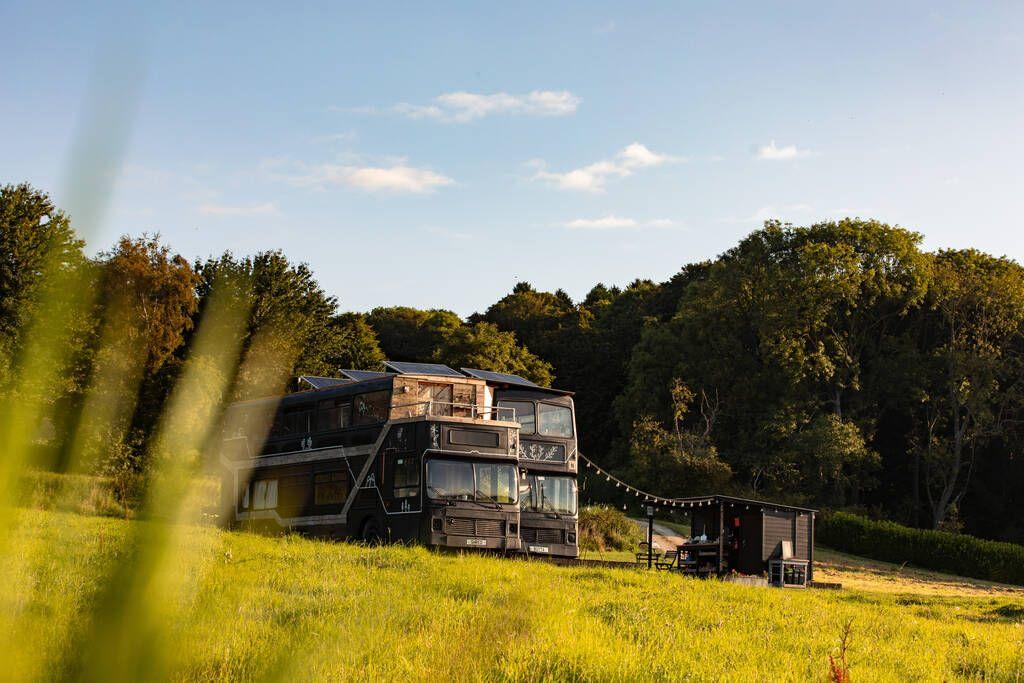
Stay in a double-decker bus turned luxury glamping retreat. Just a short walk brings you to Red Hill Nature Reserve, known for bee orchids, lizards, and butterflies. Fossil hunting in the Red Chalk quarry is a must for families.
Back at base, unwind in the top-deck hot tub or cook under festoon lights in the outdoor kitchen. With a roll-top bath, king-size bed, bar, and kids’ climbing wall, it’s luxury glamping with a playful twist.

The Hog House, Cumbria
Glamping in the Lake District Fells
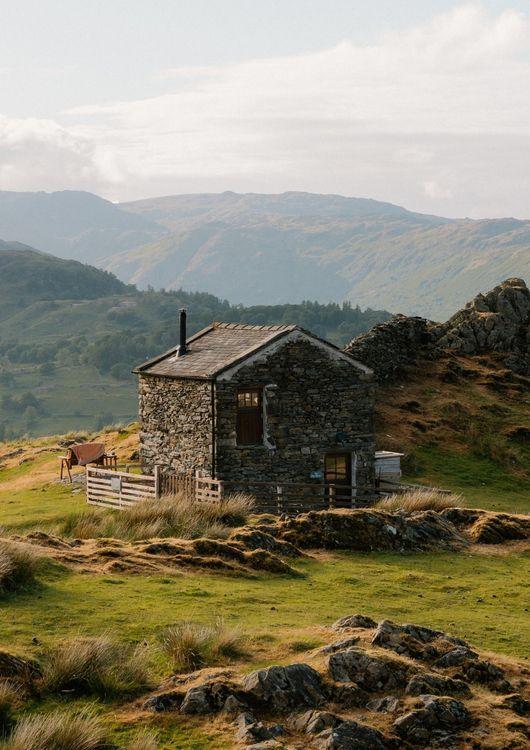
At the edge of the Lake District National Park, The Hog House offers breathtaking fell views and sits on National Trust farmland. Parts of the site are SSSIs, and the team has planted over 1,000 native trees.
Wildlife here includes hares, red and roe deer, and circling buzzards. The Drunken Duck Inn is walkable, while caves, tarns, and fells offer endless adventure. Inside, the ex-shepherd’s bothy is cosy with rustic charm, while the upstairs dining area frames unbeatable mountain views.


Buck’s Coppice, Dorset
Off-grid glamping near two Nature Reserves
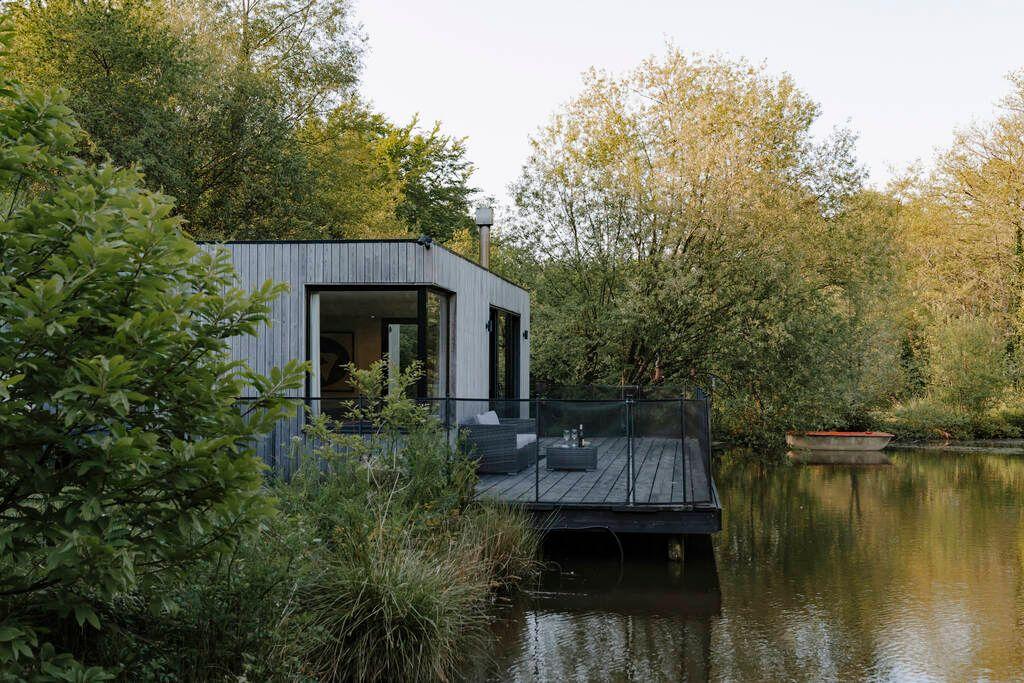
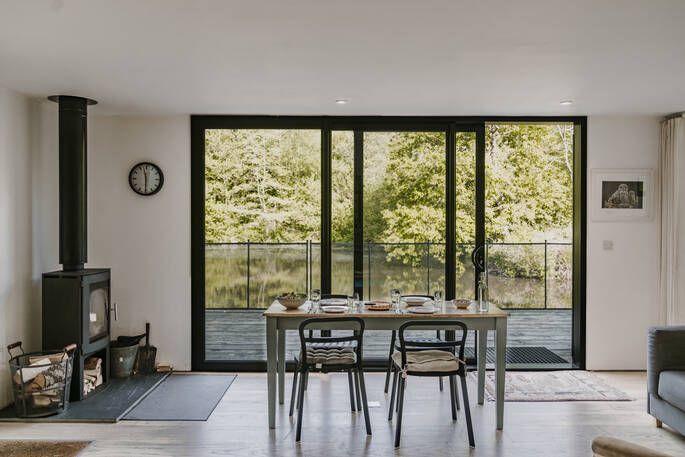
Set in the heart of a Site of Special Scientific Interest (SSSI), Buck’s Coppice overlooks a wild swimming lake and is surrounded by Dorset countryside. Nearby Powerstock Common and Kingcombe Nature Reserve brim with wildlife. Look out for bluebells in spring, fritillary butterflies in summer, and dormice in autumn.
This Scandi-inspired sanctuary has vast windows, muted tones, and a calming lakeside view. The Jubilee Trail is right outside your door for walks, and Bridport’s lively food and art scene is close by.
Tinkers Treehouse, Sussex
Glamping near Bewl Water Nature Reserve
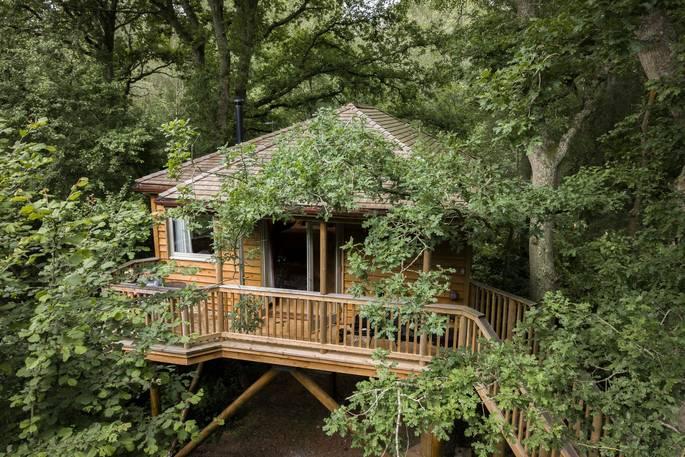
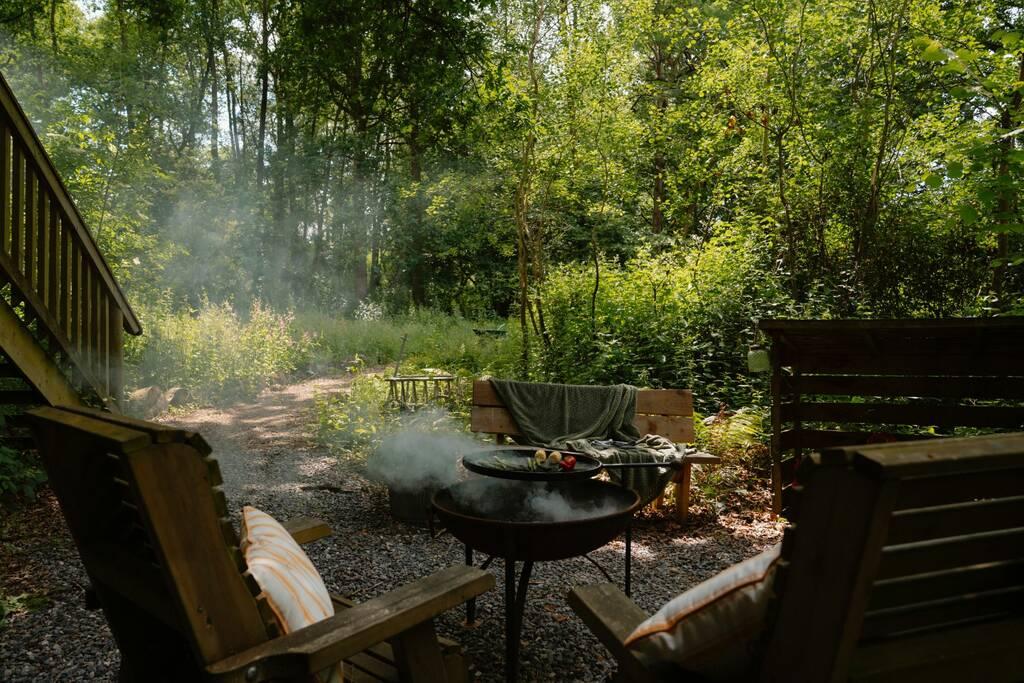
Perched among the trees, Tinkers Treehouse is a design-led escape with a spacious deck, wood burner, and waterfall shower. Nearby, Bewl Water Reservoir is equally epic, offering the largest stretch of open water in the South East, complete with miles of criss-crossing scenic trails and watersports like sailing and windsurfing.
117 acres of the park are designated as a nature reserve by the Sussex Wildlife Trust, complete with bird hides for spotting rare species.
Gypsy’s Rest, Suffolk
Glamping in a 100-acre wildlife sanctuary
Set within the Sinfield Nature Conservation Trust, Gypsy’s Rest offers a truly wild escape. The site spans over 100 acres of wildflower meadows, ponds, regenerating woodland and scrubland, all carefully protected to let nature thrive.
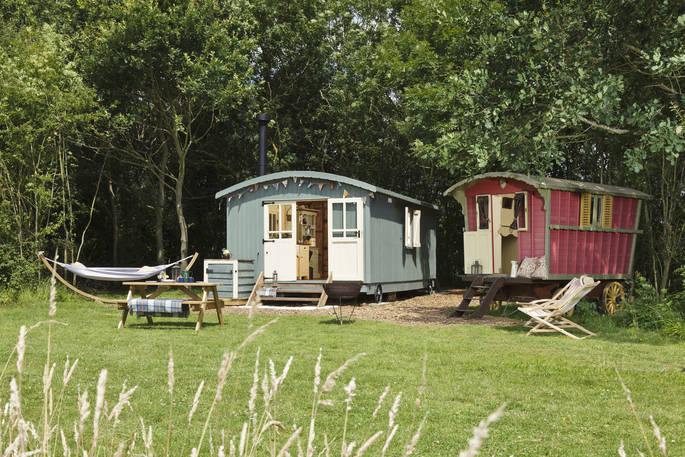
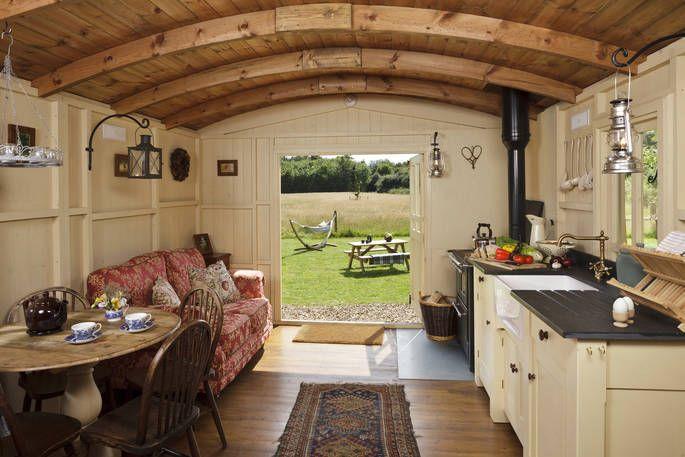
Sleep in a colourful vintage gypsy caravan with a wide shepherd’s hut alongside for extra space. By day, explore the reserve’s trails, spot birds and butterflies, or simply swing in a hammock while listening for nightingales. You can also join unique activities like goat walking, bow and arrow making, or whittling workshops, before rounding off your stay with an on-site spa treatment.
The Lodge Treehouse, Kent
Glamping near Samphire Hoe Nature Reserve
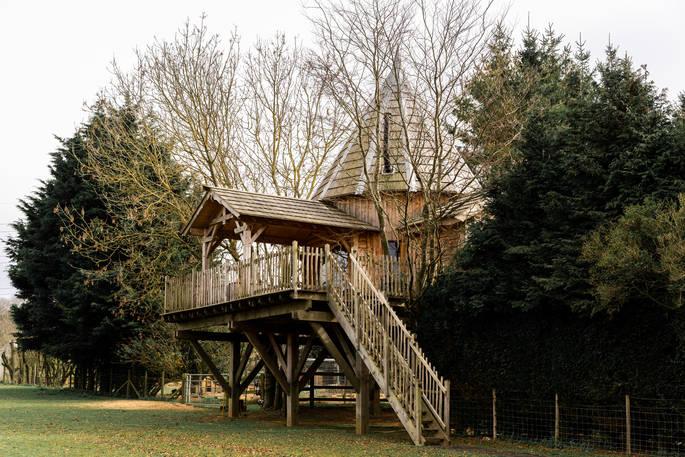
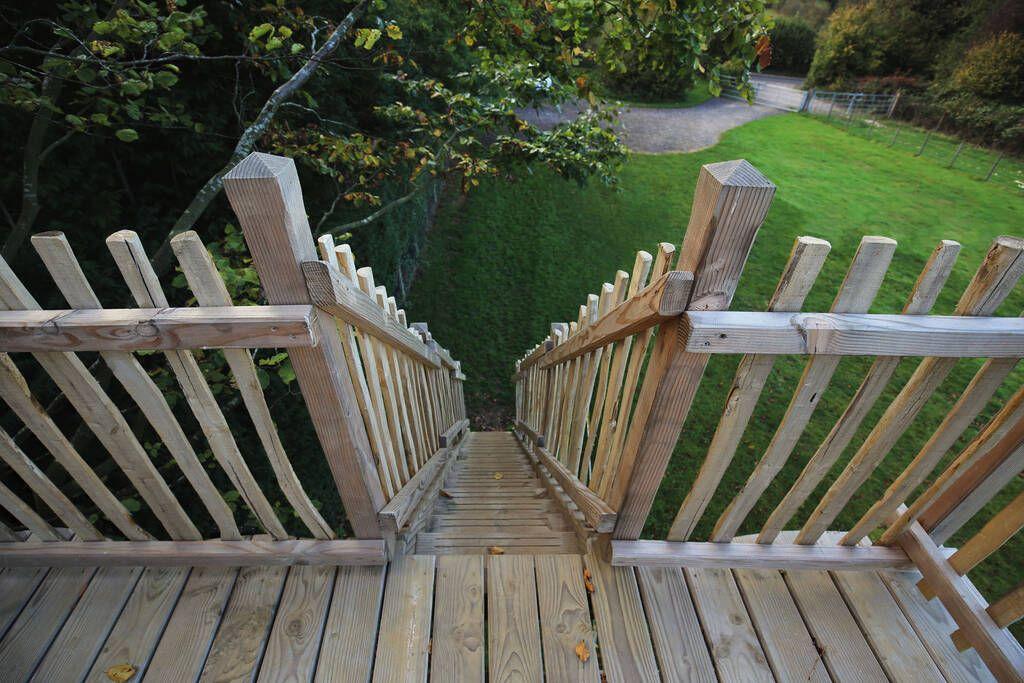
Floating in the branches in the Kent Downs AONB, The Lodge Treehouse invites you to kick back in the outdoor Jacuzzi bathtub after a busy day chatting to the animals on the smallholding. You’re just 20 minutes from the coast and Samphire Hoe Beach, a man made nature reserve created in the nineties thanks to the Eurotunnel.
It was landscaped from earth cut to make the tunnel, sown with wildflower seeds and today is home to 200 species of plants, 220 species of birds, butterflies, moths, dragonflies and more.
Other articles you might like

15 amazing spots in National Parks which you can get to via public transport
Why we're one of the highest scoring travel B Corps in the world
People
We're majority employee owned, which means we all get a say in how the business is run.

Profit
Our Charitable Trust uses 24% ownership of the company to support environmental causes
Planet
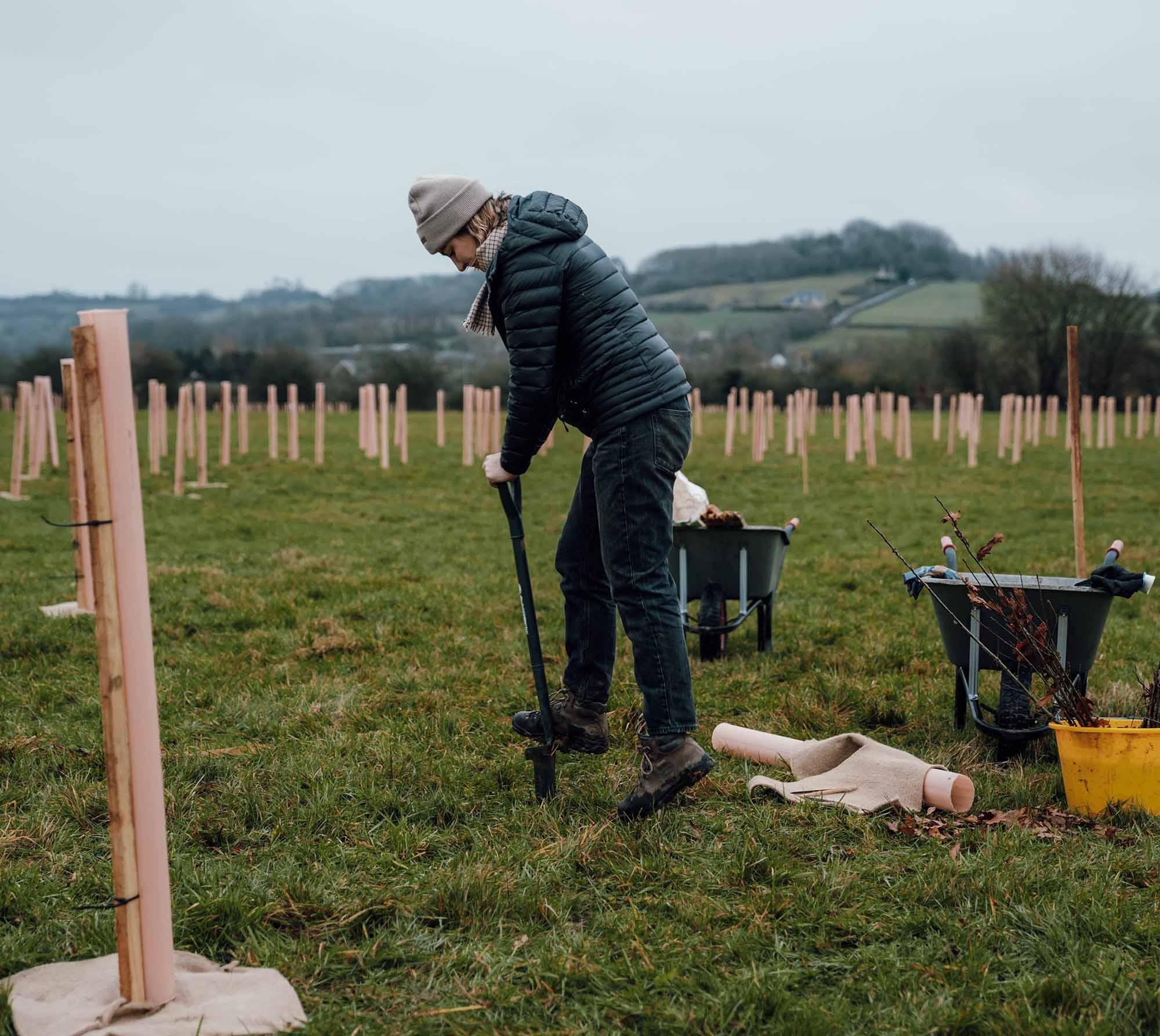
We're committing to raise £50,000 by 2027 to help protect nature in our national parks.