






The complete guide to wellbeing in nature
There’s been a bit of a shift in what people want from time away lately. It’s no longer just about going somewhere nice. More than ever before, people are travelling because they want to feel calmer and less like their brain always has 40 tabs open. Which is where nature comes in, doing what it’s always done. Nature doesn’t ask you to “download this routine”, “optimise your morning” or to improve yourself in any way. There are no metrics to hit here, just places that take you as you are and give your brain a break from being constantly on.
This is what we mean by wellbeing in nature, and it’s exactly what sits behind many of our unique places to stay, including those featured in our top wellness retreats. There’s not a strict programme or a list of things you should be doing, and as a result the pattern is pretty consistent. People arrive tired, distracted, a bit done with everything. A couple of days later, they’re a bit more like themselves again.
5 real benefits of spending time in nature (and why they work)
Reduced stress
Humans didn’t evolve to be this stressed all the time. The nervous system was designed for short, sharp bursts. Deal with the problem, calm down, carry on. Instead, we’ve built a world of constant low level pressures, notifications and micro-decisions, all quietly nudging your system into “stay alert” mode without ever giving it a proper off switch.
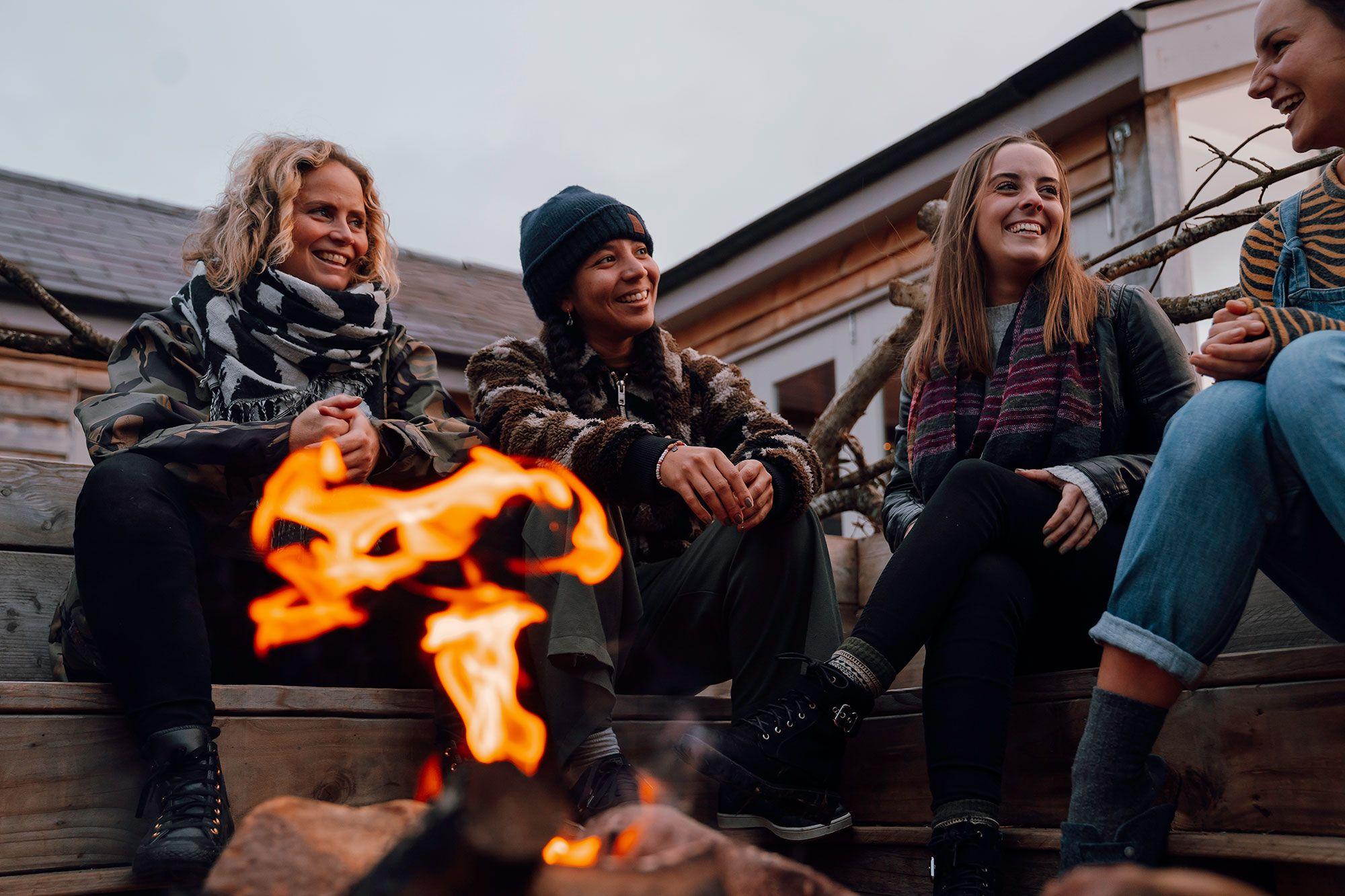
Nature speaks a language your nervous system actually understands, breaking you out of the cycle of chronic stress (fight or flight). It’s where the simple stuff comes in, like walking, swimming, sitting by a fire, and the kind of nature rituals that don’t need scheduling. If you’re feeling particularly committed, there’s always a bit of rage therapy via log splitting or shouting into the wind for some good old-fashioned emotional release. But even without that, something shifts. In fact, just 48 hours in nature can be enough to take the edge off in a way that feels surprisingly long overdue.
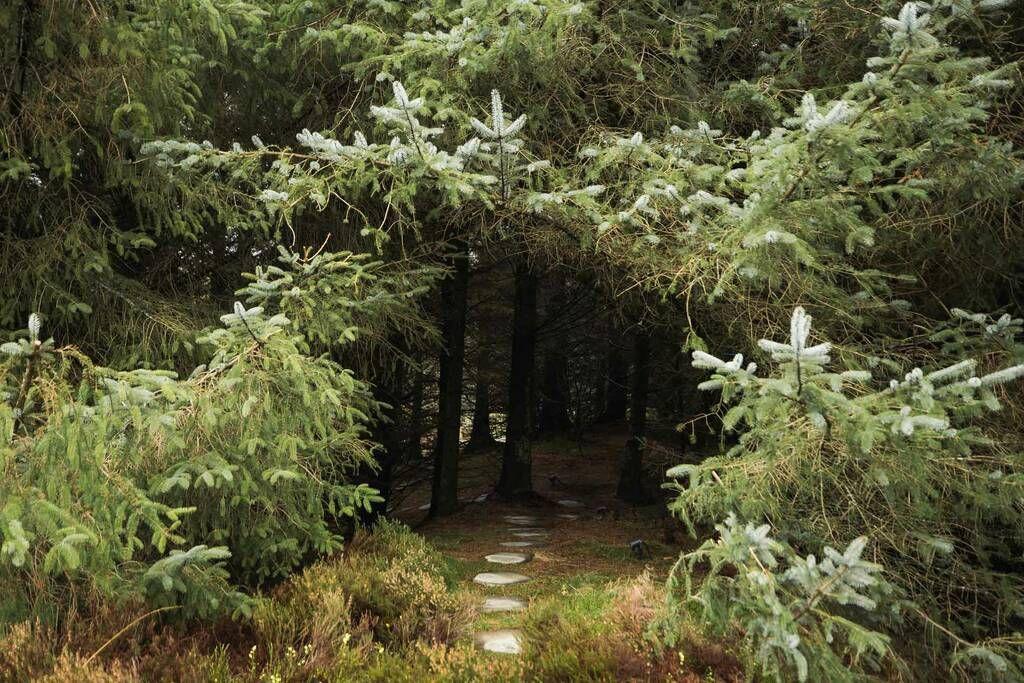
Improved connection (the non-forced kind)
A lot of modern “quality time” is squeezed into gaps or comes with a time limit. You meet for an hour, order a coffee, half finish a story before someone’s phone lights up and the conversation briefly detours into “sorry one moment, I just need to message this person back quickly”. It’s not that we don’t want to connect, there’s just a not enough time or everything else keeps getting in the way, leaving things feeling a bit…unfinished.
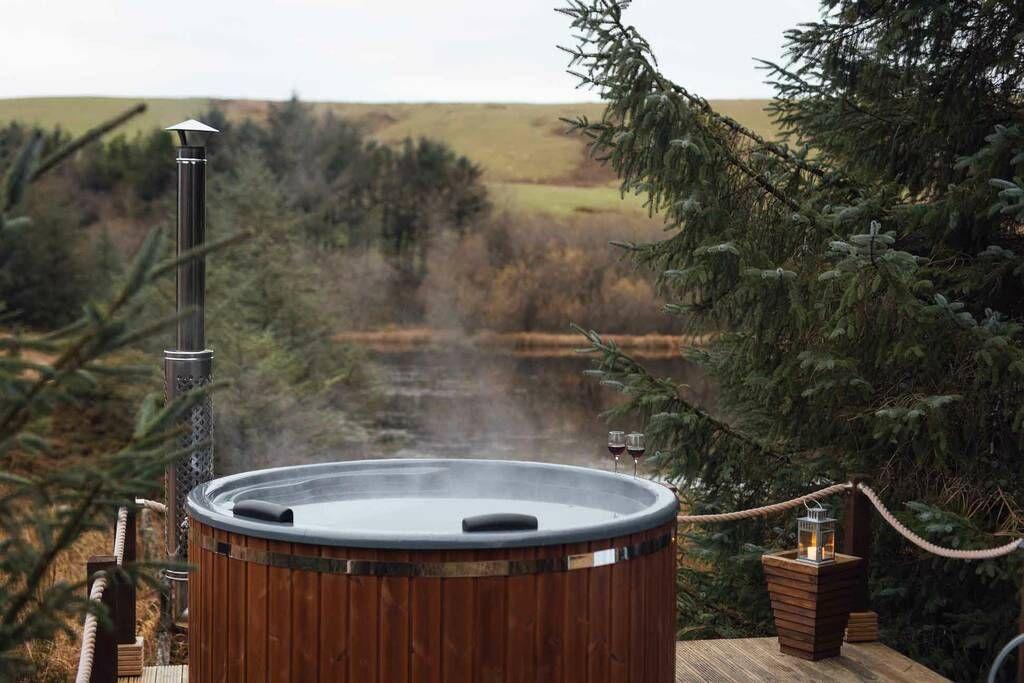
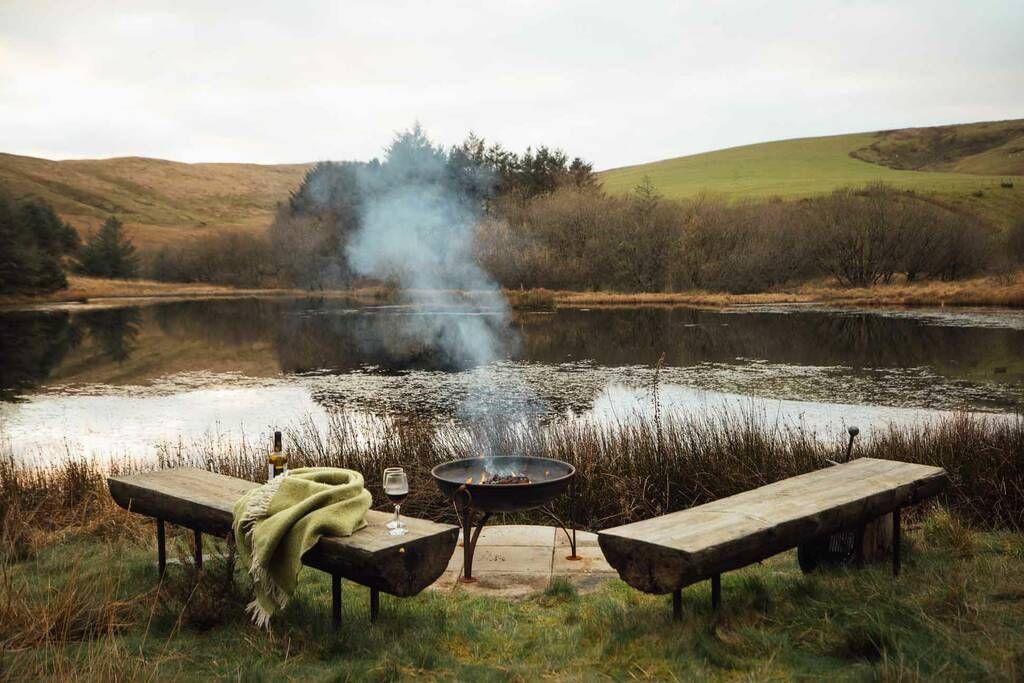
A couple of days away in nature with nowhere else to be, and the hours slow down enough for people to meet each other properly again. It’s why more people are leaning into the joy of missing out, choosing presence over busyness so moments you do engage in become more meaningful. Shared experiences are one of the best ways to reconnect and the outdoors was never just for kids, so enjoy a few days of fun nostalgic activities together, get in cold water or just cook side by side. It’s also why couples find that time outdoors brings them back together – these sorts of stays make space for connection to happen naturally.
Restore focus and clarity
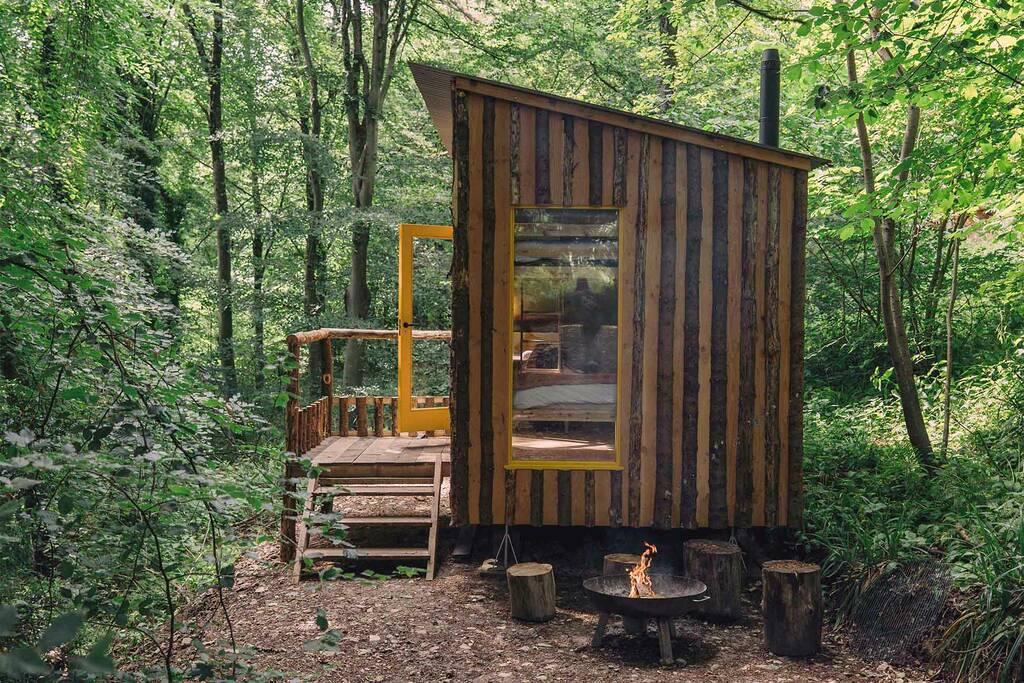
Humans are, on the whole, not at their best when they haven’t slept. Everything is a bit more annoying. It can turn a missing sock into a minor tragedy and a simple email into something that requires a lie down after reading. It’s not your fault, it’s a delicate system, the human brain, and it turns out it quite likes being rested. Give it a decent night of slumbering and the difference is obvious. Focus comes back, thoughts feel less cluttered, and you’re far less likely to take the small things personally. In places like a quiet cabin tucked into the landscape, where the usual interruptions don’t really apply, that reset tends to happen without much effort.
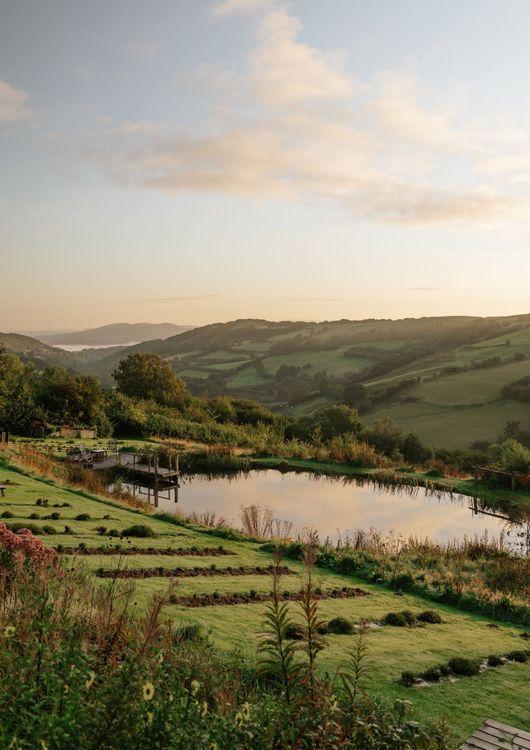
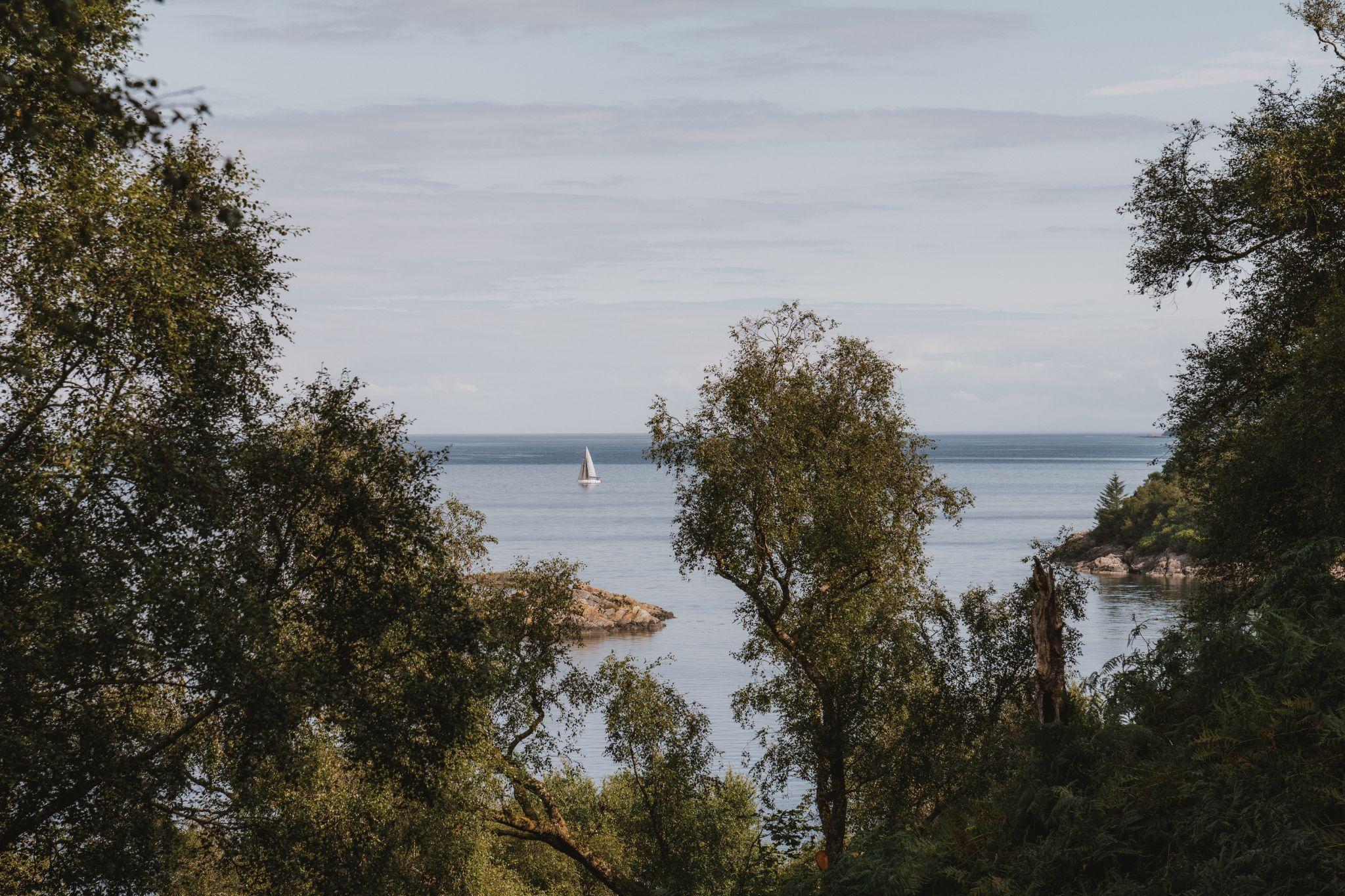
Give your brain a hillside, a stretch of sea, or even just a decent sky, and it tends to behave itself a bit better. Imagine your attention running its laps out of habit, then it spots the view, slows down midstride, and forgets to keep going. Instead, it sits down on the grass and finds peace in just looking at something nice for a while. The psychology of a view works like a release: light shifting, water moving, clouds drifting, enough to hold attention without demanding it.
Psychologists call this Attention Restoration Theory, where certain environments allow the brain to recover simply by being in them. And once you notice that kind of mental unravelling in the moment, it becomes easier to see how it shows up elsewhere too. The same conditions that soften attention in the daytime are often the ones people describe when they talk about sleeping more deeply away from home, or experimenting with the idea of a sleepcation, where rest feels less engineered and more inevitable.
It’s also why certain stays seem to do more than just change your scenery. The places in our collection are designed around quiet and space, where sleep can feel less like a task and more like something your body simply drops into. That’s why when you stay in one of our cabins in the middle of nature, environment and rest start to blur together.
Improved mood
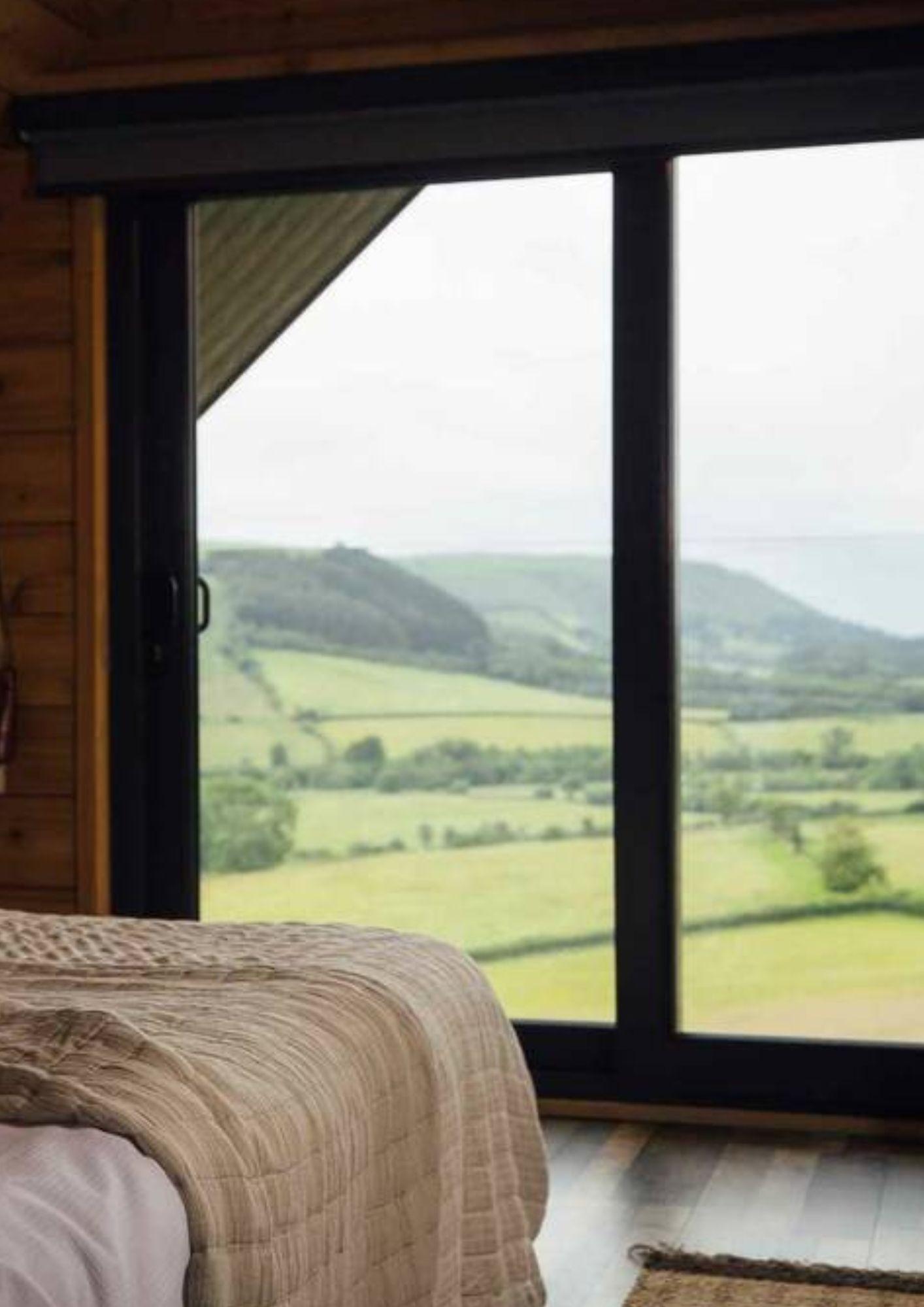
Improved mood doesn’t usually come from one clear switch. It’s more the result of small, quietly competent forces getting on with their jobs. Sunlight hits and gets serotonin moving, a bit of walking releases endorphins, and lungs get a better grade of air than usual. Funnily enough, when these things come together, you might just find your internal weather improves.
Sometimes that easing unlocks a more playful state of mind. For some people it echoes something familiar, like the feeling of being outside as a child, where time felt less structured and fun came more easily. This is where what we can learn from children in the outdoors becomes glaringly obvious. Left to it, the brain doesn’t crave productivity, it drifts toward curiosity, and in doing so, lifts your mood and returns you to a way of being that resets attention and energy to something far more natural.
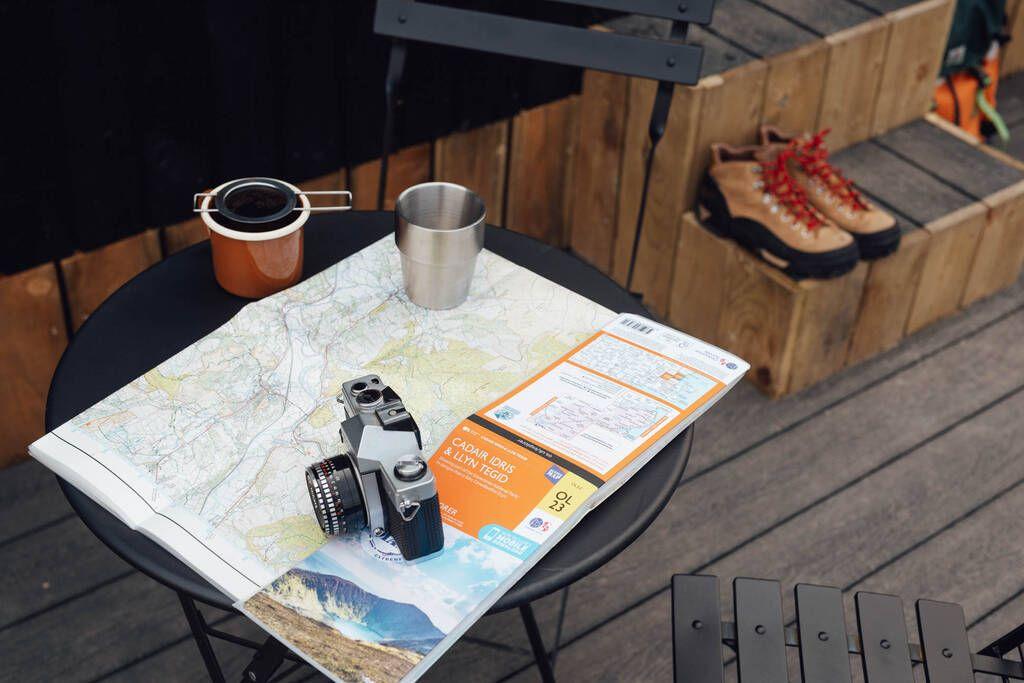
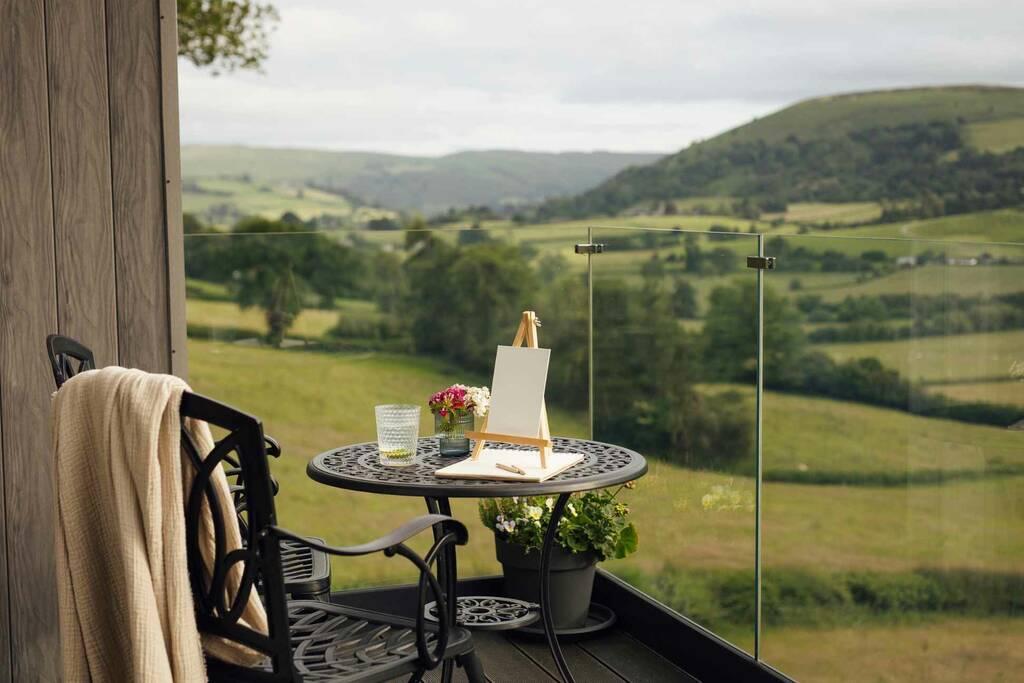
Wellness, without the effort
Most forms of “wellness” involve a certain amount of trying. Trying to relax, trying to switch off, trying to improve things in a structured way. What’s different here is the absence of that effort. You don’t have to be good at it. You don’t even have to think about it much. In places like Canopy & Stars’ cabins and hideaways, the setting does most of the work simply by being what it is. Which is surprisingly effective, given how little it asks in return.
Sleep deepens without much negotiation, attention stops scattering quite so easily, mood lifts in small but noticeable ways, and the world feels a little less demanding than it did before. It turns out that, left alone in the right place, people are quite good at finding their way back to something steadier.
Explore the full range of nature escapes in our glamping holidays collection and start planning your own wild wellness break.
What our guests say
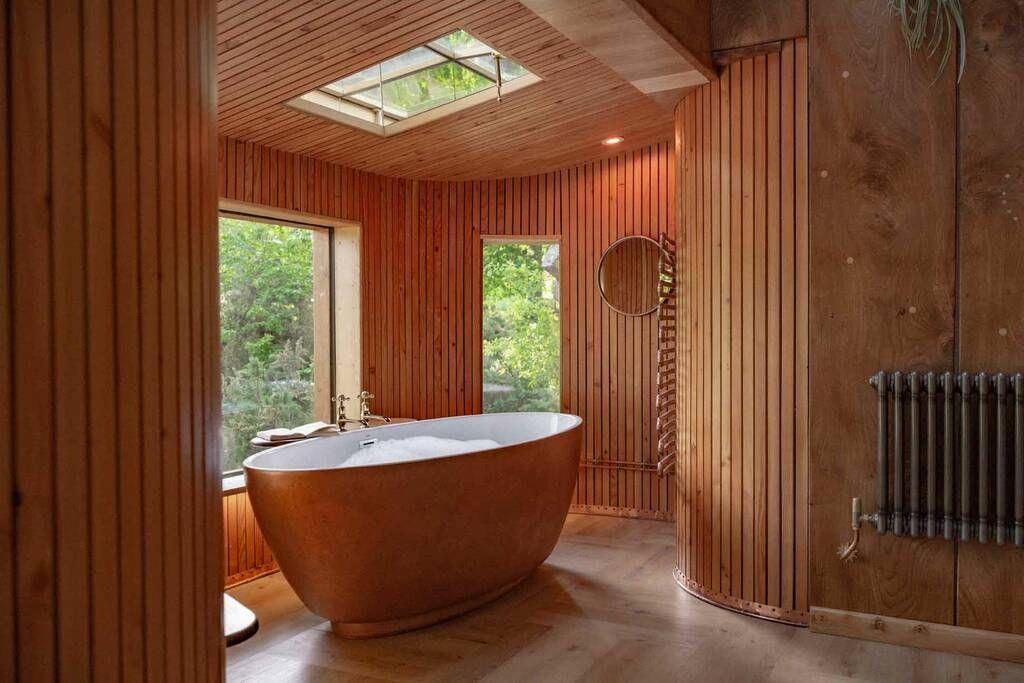
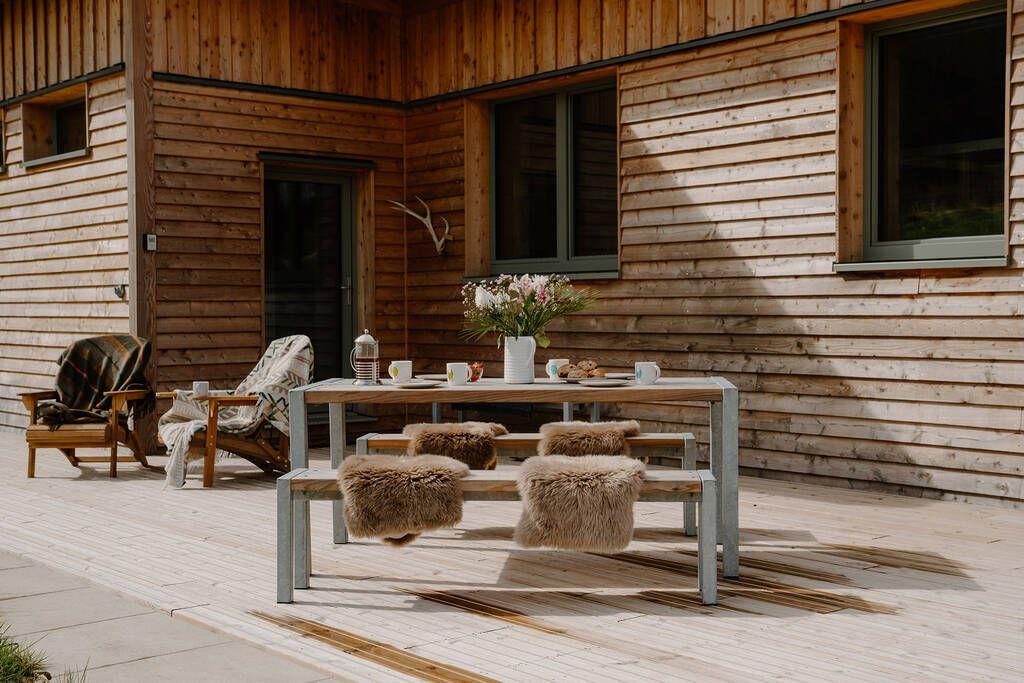
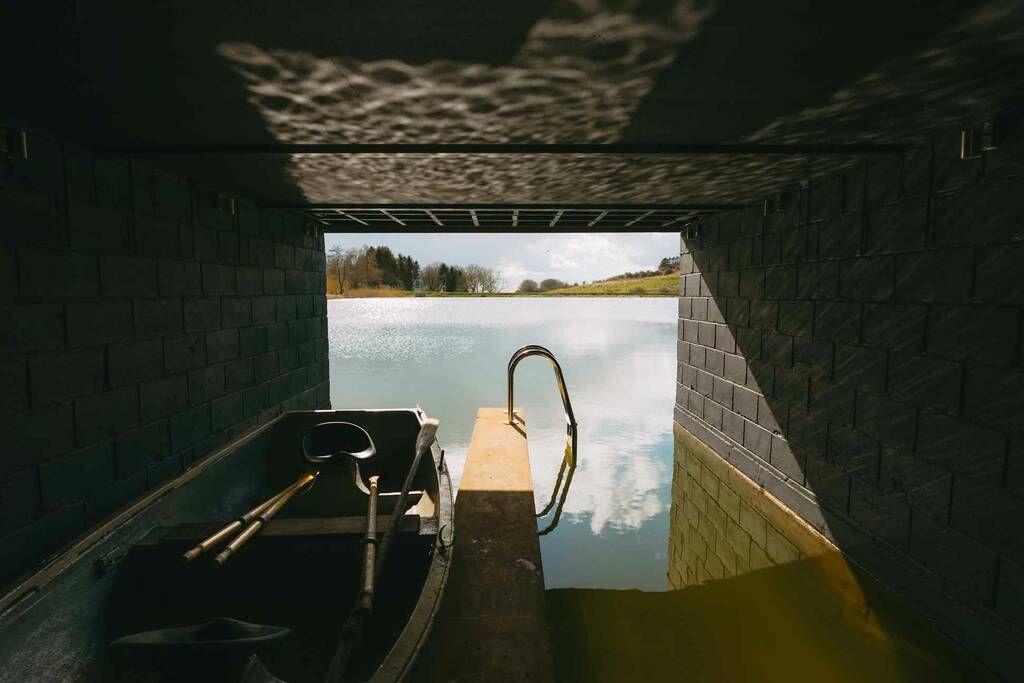

Wellness in nature FAQ's
How long do you need in nature to feel the benefits?
It varies, but many people start to feel a shift within the first few hours. Even short periods outdoors can help reduce mental noise and improve mood, while longer stays tend to deepen the effect. Around 48 hours is often enough for people to notice better sleep, a calmer mind, and a clearer sense of focus.
What wellness activities are typically included at glamping places?
There isn’t usually a fixed programme, and that’s part of the appeal. Wellness in glamping settings tend to come from simple, unstructured things like walking, swimming in wild water, sitting by a fire, or simply being outside with time to slow down. Some places may offer yoga, saunas, or massage, but the core experience is usually about the space rather than the schedule.
Is a digital detox part of glamping?
It can be, but it’s not enforced. Many guests naturally find themselves using their phones less once they’re immersed in nature and away from constant notifications. The absence of pressure rather than a rule is often what makes it feel so effective.
Can glamping really reduce stress and anxiety?
Spending time in nature has been shown to support the nervous system by lowering stress hormones and encouraging a calmer physiological state. Simple elements like fresh air, natural light, and gentle movement all help shift the body out of constant alert mode. Many people find this creates a noticeable reduction in feelings of stress and mental overload.
Can being in nature really improve sleep quality?
Yes, it often can. Natural light during the day helps regulate circadian rhythms, while physical activity and reduced stimulation in the evening support deeper rest. Many people report falling asleep more easily and waking less during the night when they’ve spent time in natural surroundings, especially in quieter, rural settings.
Why we're one of the highest scoring travel B Corps in the world
People
We're majority employee owned, which means we all get a say in how the business is run.

Profit
Our Charitable Trust uses 24% ownership of the company to support environmental causes

Planet
We're committing to raise £50,000 by 2027 to help protect nature in our national parks.