Interviewing Felix Bill: The right to roam, to be, and to be known
When it was discovered that ‘just 6% visitors to National Parks are aged 16-24 and young people are much less likely to live, work or be involved in decision-making in National Parks’, it was a rallying cry for change to an organisation founded on principles of preservation and public enjoyment of our green spaces.
Campaign for National Parks (CNP) answered the cry with a project aimed at giving ‘young people from diverse backgrounds the opportunity to influence and connect with decision makers to change the narratives on who National Parks are for and who has a say in their future’.
As part of that project, CNP have been funding young storytellers to share their stories and explore themes close to their heart. This year, Canopy & stars is working alongside them to fund a new round of storytellers, one of which is the writer Felix Bill.
On a Thursday afternoon in July, Bristol is sweltering in unbearable humidity with its first warm day after a few weeks of patchy rain. Neither me nor Felix are prepared, no shorts and no water bottles in sight.
In the cool, green-tiled and stone arched foyer of the library, we try and find one another – as we’ve no real clue what the other looks like. I finally work it out after texting him my location, and upon meeting, Felix Bill doesn’t betray any sense of nervousness about being interviewed – because why would he? In fact, he can operate the dictaphone better than I can. And when it comes to qualifications, it’s not every day you meet a guy that’s already racking up writing awards and nominations before he’s even finished uni. More still, he’s not even fazed by the muggy weather.
“I worked the whole way through the pandemic. I was working in a bakery in South London in this 40-degree weather. […] I was in front of an oven probably the size of this [meeting room], it was an extra 10 degrees warmer where I was working.”
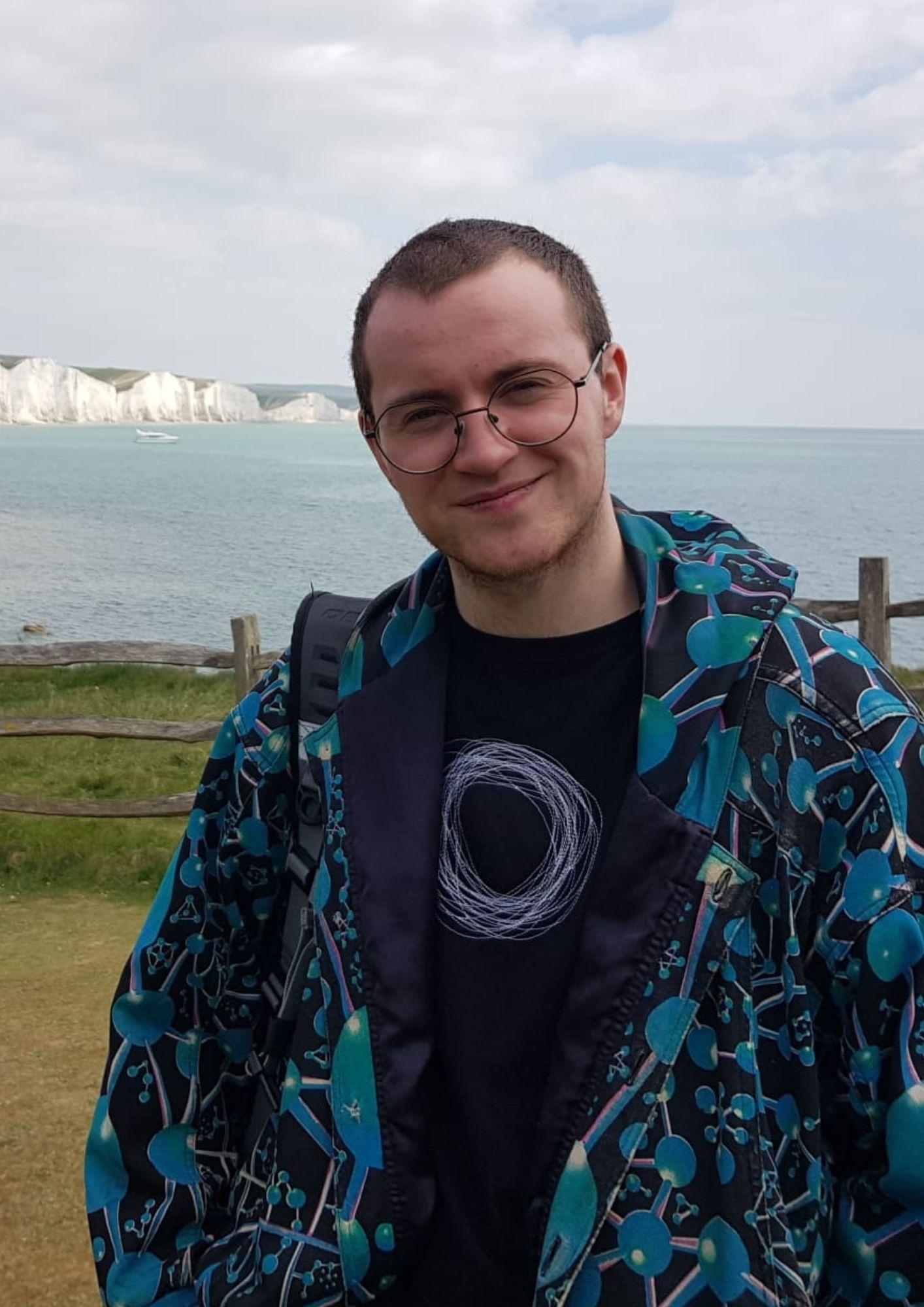
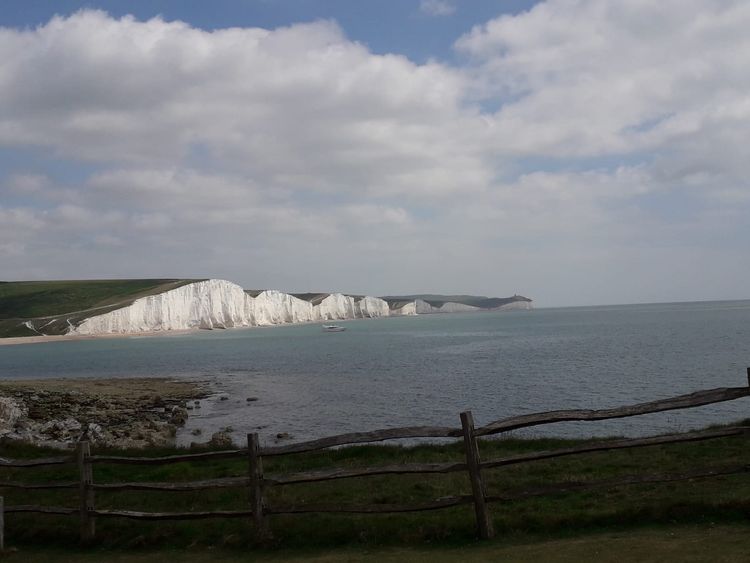
Felix is, as his 2024 work Brixton born and Dreaming would suggest, a South Londoner. But when his local parks were taken over for festivals during the pandemic, Felix needed to get further afield for his nature fix. He started with London’s Great Green Routes, Greensand Way – before falling into the Right to Roam Campaign briefly.
Which, if you don’t know it, focuses on “the idea that people should have the right to walk and hike, and chill, in bits of the countryside with a general right to roam, rather than having that just in the national parks and on right of way footpaths. In Scotland, they have the right to roam, and it functions very easily. There aren't really many problems [with] it. So the idea is, why can't we just have the Scottish model in England?”
Literature, as you can imagine, is a big driver for Felix, and even at the mention of a book, or another author, his hands are up and animated in a blink “I got really involved with it because I read The Book of Trespass by Nick Hayes, and then I read Who Owns England, by Guy Shrubsole, basically, I got authored in and then once I was invested, I went to the first right to roam meeting, which was, of course, a hike, and it was really amazing.”
It was there that Felix met the real-life inspiration for his character ‘Spiky hair’, who features in his new short story and autobiographical anthology – Transing the wild: Wilding the Trans. “She had a trans hiking group, and I was just like: ‘you, have a? You have a? Could I join?’ And then, we've been friends since, and they do a lot of foraging, hiking, adjacent things that I got involved with. So, I go down to Brighton quite a lot to meet up with them. And then I basically dragged all of my friends in as well. So it got a lot bigger. […] I would say, the main group, is probably about 20? 20? 15/20, people that come regularly.”
There’s little space in the soundproofed meeting room we’re in, and despite sitting quite still in one spot, it’s easy to see how someone gets so much done at once. Felix has boundless energy and is incredibly animated explaining the hiking group he’s in, his maths degree (which at the time of writing is still underway), and his interest in rock climbing – “I love to rock climb, I spend a lot of my time writing, I really enjoy clubbing. I like hiking. I mean, that's kind of obvious from the short story collection, but I'm, I'm generally quite outdoorsy. Sometimes I do long distance-ish bike rides, yeah.”
The very same bike rides inspired one of his earlier works (though only recently published): How Island-visiting Became Life-changing. In fact, Get Felix on the topic of public transport, and you’ll find out some of his more passionate views “I really do see car camping as weakness. I feel you are not really in the outdoors, though, are you? You are not experiencing the outdoors. You're in a box. You know, obviously, I'm joking. Mostly.” Going on to point out, “but I feel you get much more of an experience for what it is to be a wild creature, if you are cycling and walking through the wilderness, because it just, things take longer, you can get into much more wild places. You can go off across the hills where there's no road.”
He went on to say, “I feel you can get much closer to the sort of, the animal truth? Of being in the wilderness? If you have, especially if you're walking, you know, if you have the time, you can just walk into the Peak District or into the Lake District across ways that you cannot get to by car. It's beautiful. You know, it's an incredibly powerful experience to go by public transport to places.”
So it’s entirely no wonder that the 23-year-old was invited to be the young storyteller of choice to share his stories of ‘people, climate and nature’ for Campaign for National Parks (CNP): New Perspectives’ bursary. The scheme intends to outreach to marginalised, or less heard voices in the national parks – highlighting the issue of diversity in their visitors, and even the method by which they arrive – 93% by car.
The information on the demographics that visit the national parks is patchy, and for good reason – over 100 million visits per year are made to our national parks, and that’s not just hard to track, it’s hard to aggregate. From The Peak District’s data, 4.6% of visitors stated they had mobility problems, and yet by contrast “In 2011, nearly 1 in 5 people (17.9%) in England and Wales reported a disability that limited their daily activities” – making people with mobility issues underrepresented. But it doesn’t stop there.
“In 2015, 91% of visitors to the Peak District classed themselves as White British compared with 94% in 2005. Aggregating White British, Irish, and White Other, this figure is 95%, which is higher than the national level of 85.4%.” and when it came to visiting the more remote locations, “Out of the 19% travelling alone (111 respondents), of these 26 were female (23%) and 85 were male (77%). Race and gender disparities are rife, and some reports find that people of minority ethnicities make up only 1% of visitors to national parks, despite making up around 14% of the population.
The good news? CNP is having none of it. Through providing a medium like Viewpoint Magazine, they’re helping to broadcast experiences of the parks, and even larger, of the great outdoors – to a much wider audience. Especially, hopefully, to younger visitors, who will get examples of people that look just like them, have experienced the same issues and overcome them. Even better perhaps, people who’ve found no barriers for entry at all.
At the moment, that can be a tall ask. For Felix, this conversation comes as trans rights face fresh waves of assault from, well, everywhere. Over the course of their term so far, the Trump administration has revoked gender identity recognition from federal agencies, banned transgender individuals from the military, banned trans women and girls from female sports and halted gender affirming care for minors.
And whilst the US all too often takes centre stage when it comes to geopolitics, the UK is seeing not just the slow erasure of trans people from the cultural narrative – but a continuation of a worrying trend of hate crimes towards trans individuals. “If you've been paying any sort of attention in the UK, it's really bad here as well. We easily have, of everywhere that it's legal in Europe to be trans, the worst situation for trans people.” Felix went on to reference the For Women Scotland’s campaign, which ended up in a landmark ruling that curtailed transgender rights, and set the stage for further regression.
Felix covered the issue with a depressing level of rehearsal, the kind of overview of the facts that comes with having had to explain it much more than once. “It's important to tell our stories, because nobody else will.” He finishes, and after asking whether he ever gets tired of the dual burden of both experiencing this kind of discrimination, and educating on it, he jumped out of the malaise of his former answer, and into: “Oh, I don't educate on the topic. I entertain on the topic. I've got friends who educate on it. I will not.”
He went further to show an incredible level of empathy: “I feel people having information forced down their throats are not going to necessarily respond as well as people who learn things organically through the lens of fiction or through the lens of auto fiction/ autobiography […] if people who like hiking read these unexpected hiking stories, they'll think, that's something I have in common, and it will be a bridge. Just hope to build bridges, really.”
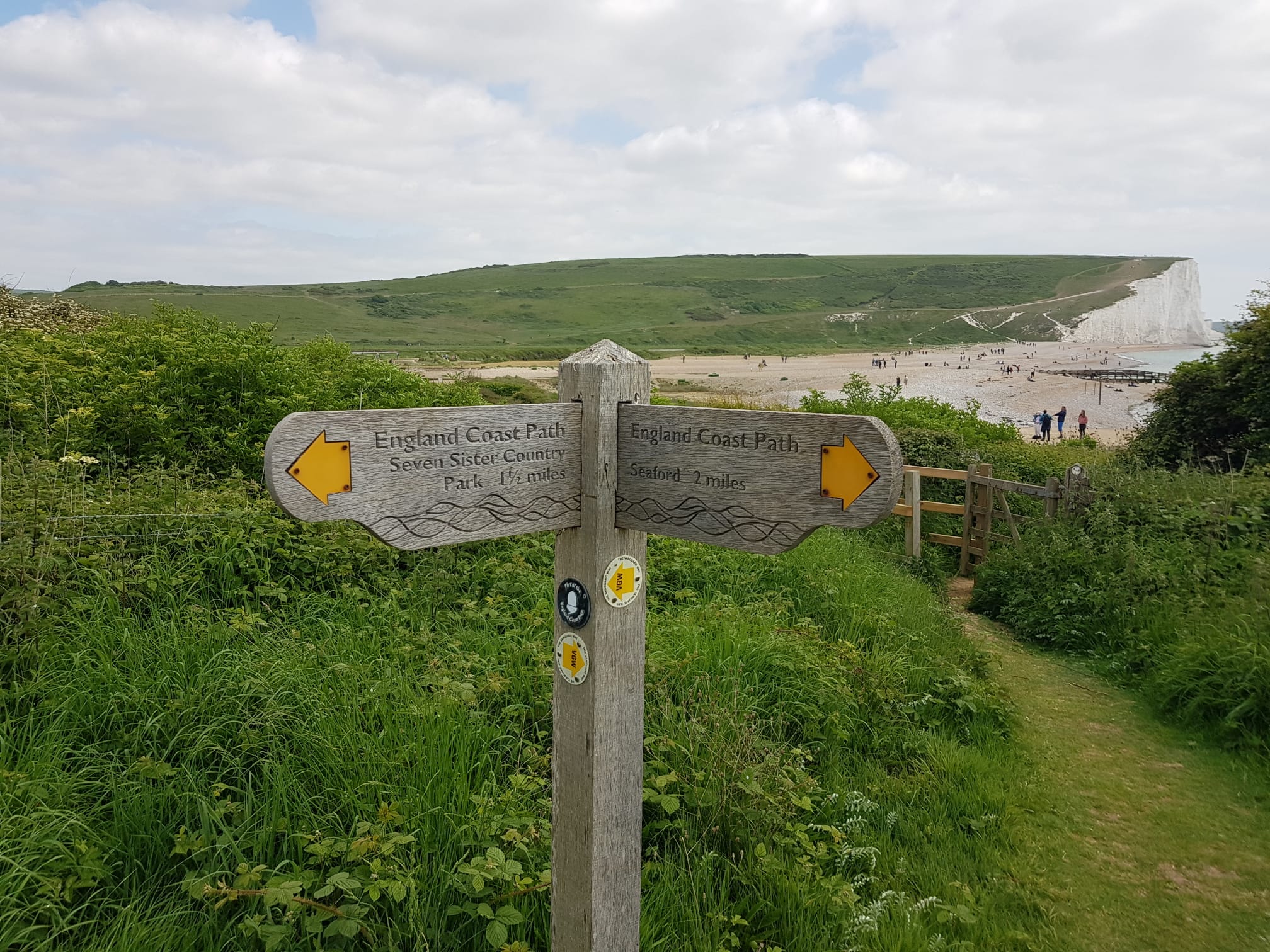
When it comes to examining the experience of trans individuals in the countryside, there’s little data. From an anecdotal perspective, Felix explained “there's this narrative in queer spaces, and especially in trans spaces, that if you're from the countryside, you have to flee the place you grew up and go to the city and club, and that's where you're going to find your community. And that narrative can be true for a lot of people. I know loads of people that that's really true for. They move to London and they never look back. But it shouldn't have to be how it is.”
There is no avoiding the fact that what little research there is points to an, at best, indifferent attitude to trans individuals taking space in rural environments, and at worst – an actively dangerous situation. Whilst there’s no data to quantify the difference between urban and rural environments – common sense suggests that a place with fewer witnesses would at least feel far less safe to those experiencing abuse.
The Crown Prosecution Service’s statistics show that between “62% - 73% of transgender people have experienced harassment and violence because they were identified as transgender." Further, it shows that a large number of these hate crimes aren’t reported, with 2020/21 data showing it could be as high as 88% of transgender people not reporting attacks.
Felix went on to say “I feel by forming a group and taking up space in a place where people might not expect to see trans people, […] it's something that a lot of people want to do, or might think, ‘oh, I would like to do that, but think ‘it would just be me alone’, and that's quite unsafe for people if they especially if they're, ‘clocky’ or visibly trans.”
One of the most vital steps in addressing these kinds of issues is to make space for marginalised groups and, in Felix’s words, “to humanize trans people out of being just a media tagline”. A lot of which starts by telling stories people can relate to, empathise with and understand on an emotional level.
With this opportunity to tell these narratives from CNP’s New Perspectives project, Felix has “written a short story collection that should appeal to people from all walks of life, but very particularly trans people, and encourage them to go out and explore their national parks with a friend, with a friend group, or if you're down on the South Downs – with my hiking group […] And I feel with the short story collection, I'm showing anyone who wants to do that that they're not alone in that desire, and that they can find groups and that they can go out and explore and do anything they want to do, and go anywhere that they want to go.”
It'd be easy when talking about such heavy topics, and facing the kinds of issues that Felix and his peers in the community experience, to communicate these messages with a defeatist tone, be deflated, or worn down. But Felix shows no noticeable dip in determination or energy. It’d be easier still to feel disinterest in bridging divides, but with a still animated tone, he says “what I'd really hope for the short story collection to do is to reach out the other way as well. Not just reach to the trans community and say, ‘we can go outdoors’, but reach out to the more outdoorsy community and say, we're just people. This is a short story collection about people who love the outdoors, just like you do.”
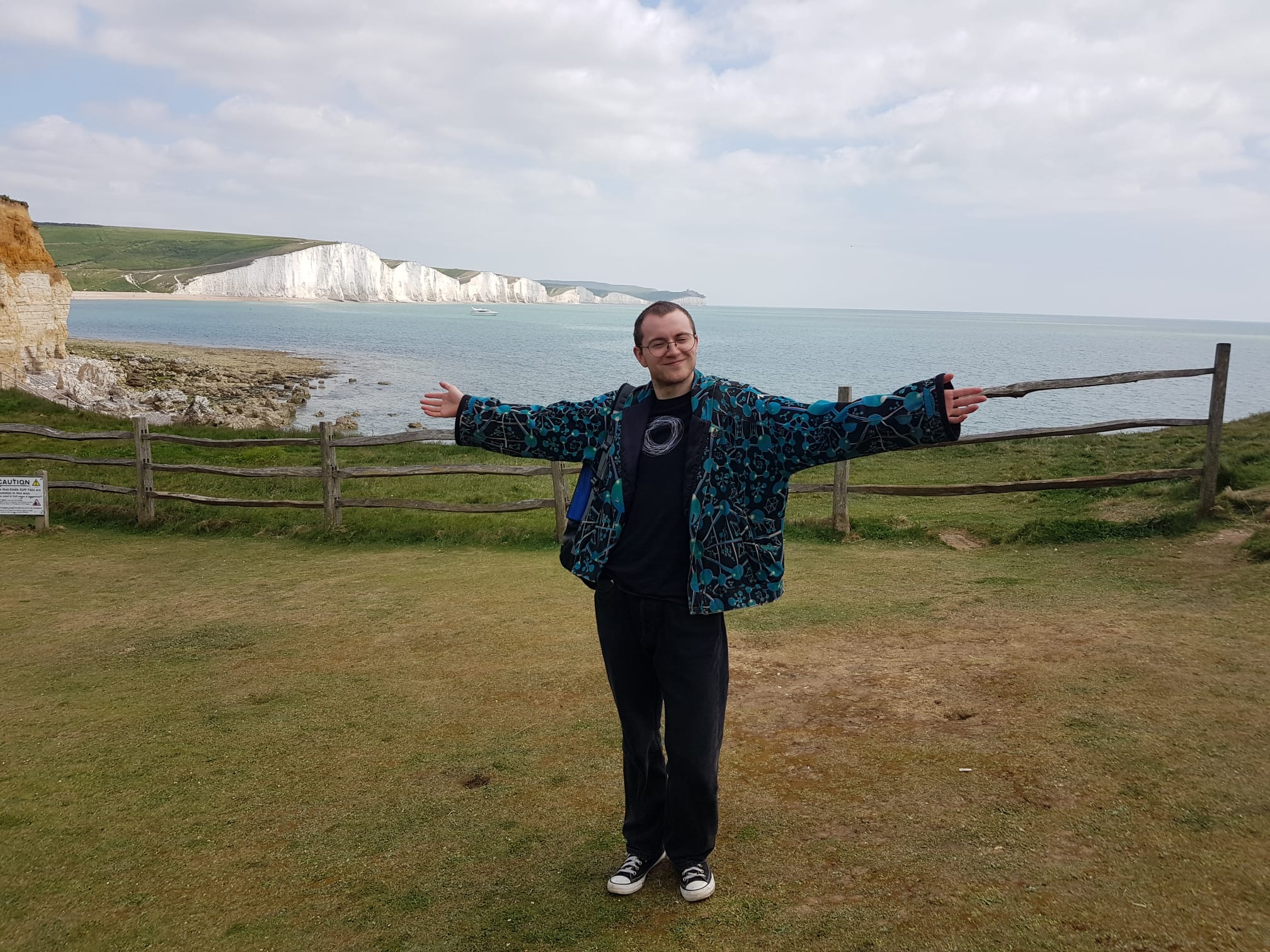
Transing the Wild: Wilding the Trans is not a hard series of stories to relate to. They’re stories about exploring, trying new things and finding community – the same narrative we all experience when we try new hobbies. Through writing the anthology, Felix gained a certain amount of self-discovery: “The big shift was in the second [story] when I was writing about meeting [Spiky Hair], and I just realised that the whole thing was going to have to be about the friends I made along the way, and how being in nature and interacting with the queer community, the trans community in nature, has tied me so much more strongly to my love of the outdoors, because it's just so... there's something so comfortable about being around just other trans people that's really nice to do in a field or on a hill, and it's just, I don't know, I felt like it really became a love letter to my community”.
When thinking about the actual experience of a safe outdoors environment, the kind that CNP are working to promote, there is a noticeable glimmer of what’s called ‘trans joy’ in Felix – a term Felix himself uses, and one of the definitions can be: “community and belonging, which presents itself when one feels at home with other trans people.”
“I do feel you can really possess a space, if you've got a nice woodland glade with you and your mates in it, it becomes a very private world that you don't really have in city spaces without paying for them. And that's one of the best things about going hiking, is that I really love to walk and talk, and you have much more of a chance to hear people's life stories and to hear long form storytelling in the countryside. […] I feel people come into themselves, and there is an inherent oral storytelling tradition across every human culture. And when you're on a hike with people, you experience it. […] I love storytelling. Obviously, I love storytelling, but I think everybody does really. If you give people a chance to tell you their stories, they really will.”
By the time we’re through, our panic-bought waters are empty, and whilst more was said and learned than can be transcribed and quoted – the opportunity for anyone else to not just be educated, but entertained – is available. Felix Bill’s previous works, Brixton Born and Dreaming, The Stage Debut, 159, How Island Visiting became Life Changing and more are all available on his site. But more importantly, his new short story anthology, Transing the Wild: Wilding the Trans is also available to read. Felix Bill is happily stood on one side of the bridge, and is waiting for you to join him from the other side.
Other articles you might like
Meet the: Photographer who adventures for a living: Sarah Afiqah Rodgers
What do outdoorsy people do in winter? Meet Sian Sykes