






How to reduce your reliance on fossil fuels
Running an off-grid glamping site usually means using fossil fuels at some point, especially if you want to open for a full season. Even the most green-minded owners struggle to reduce fossil fuels from their setup but while it might be difficult to free yourself from the fossils, it’s not impossible!
This guide walks you step-by-step through how to transition from fossil fuels to renewable energy, without risking guest comfort or your business.
Step 1: Knowledge is (cleaner) power – understand your energy usage
Before installing or upgrading your tech, you need to know two things:
- Power - Daily energy use (kWh per day)
- Demand spikes at peak times
We have a handy spreadsheet and supporting guide to help you work out your power and energy demand. There is also a webinar which takes you through the process step-by-step.
A typical small cabin for two people with LED lighting, standard plug loads, an electric water heater, kitchen equipped with oven, induction hob, fridge freezer, dishwasher is likely to have an energy demand of between 10-20 kWh per day and a peak load (power demand) of 6-12kW at any moment.
Step 2: Get the tech - Install or upgrade your energy technology
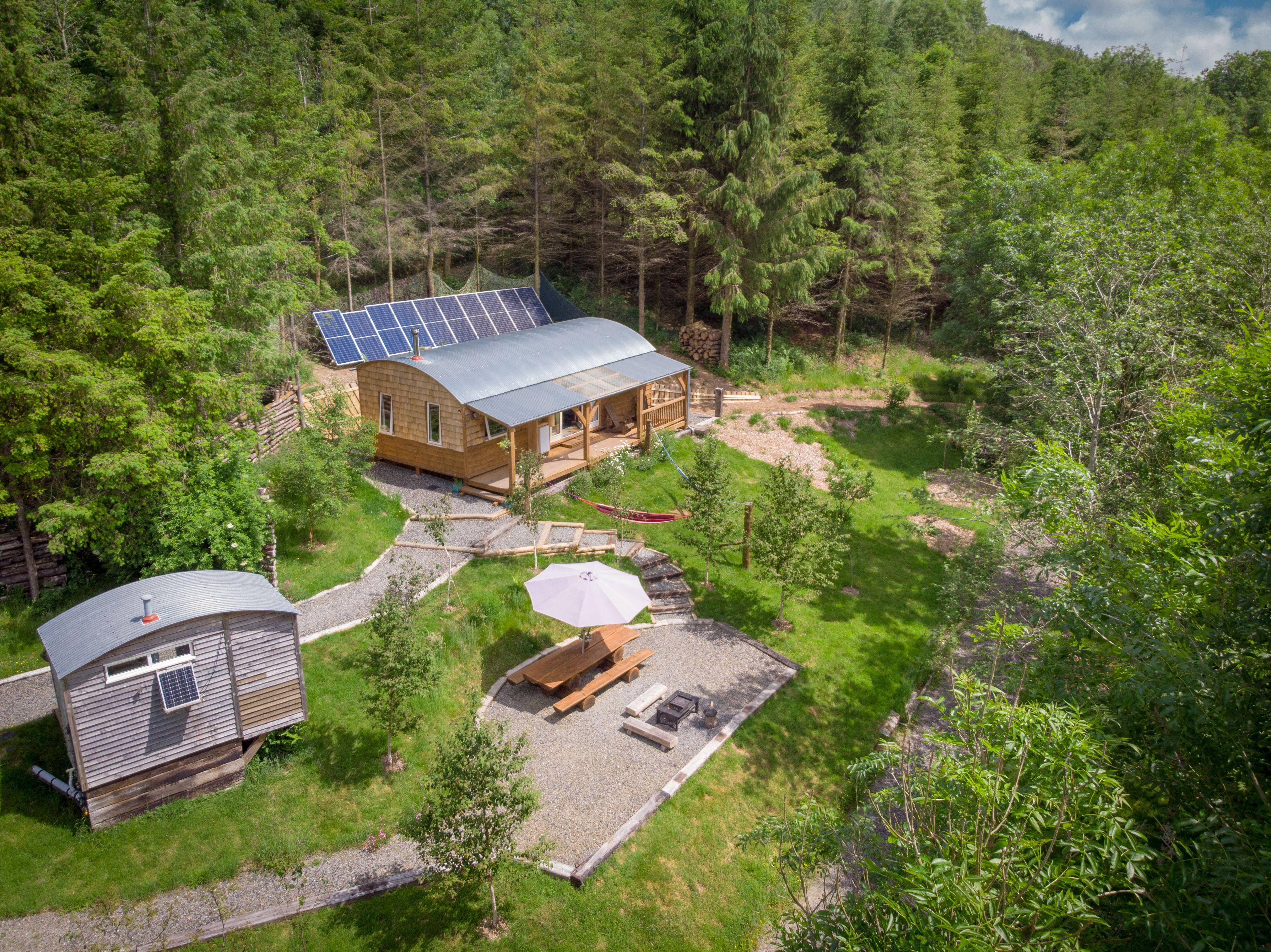
Many owners will already have solar and other renewable energy systems in place, so we might be preaching to the converted but it’s always worth checking if you can upgrade your system and gain more capacity. Renewable energy technology is always improving and upgrades can be cost effective.
Solar Panels & Battery Storage
- While solar panels won’t give you a year-round supply, having an appropriately sized system and battery storage should give you a solid supply for much of the year. Watch this webinar on deciding whether solar is for you and how to spec your system.
- Battery storage has improved dramatically in recent years, you may be able to increase your capacity with minimal outlay.
Small Wind Turbine
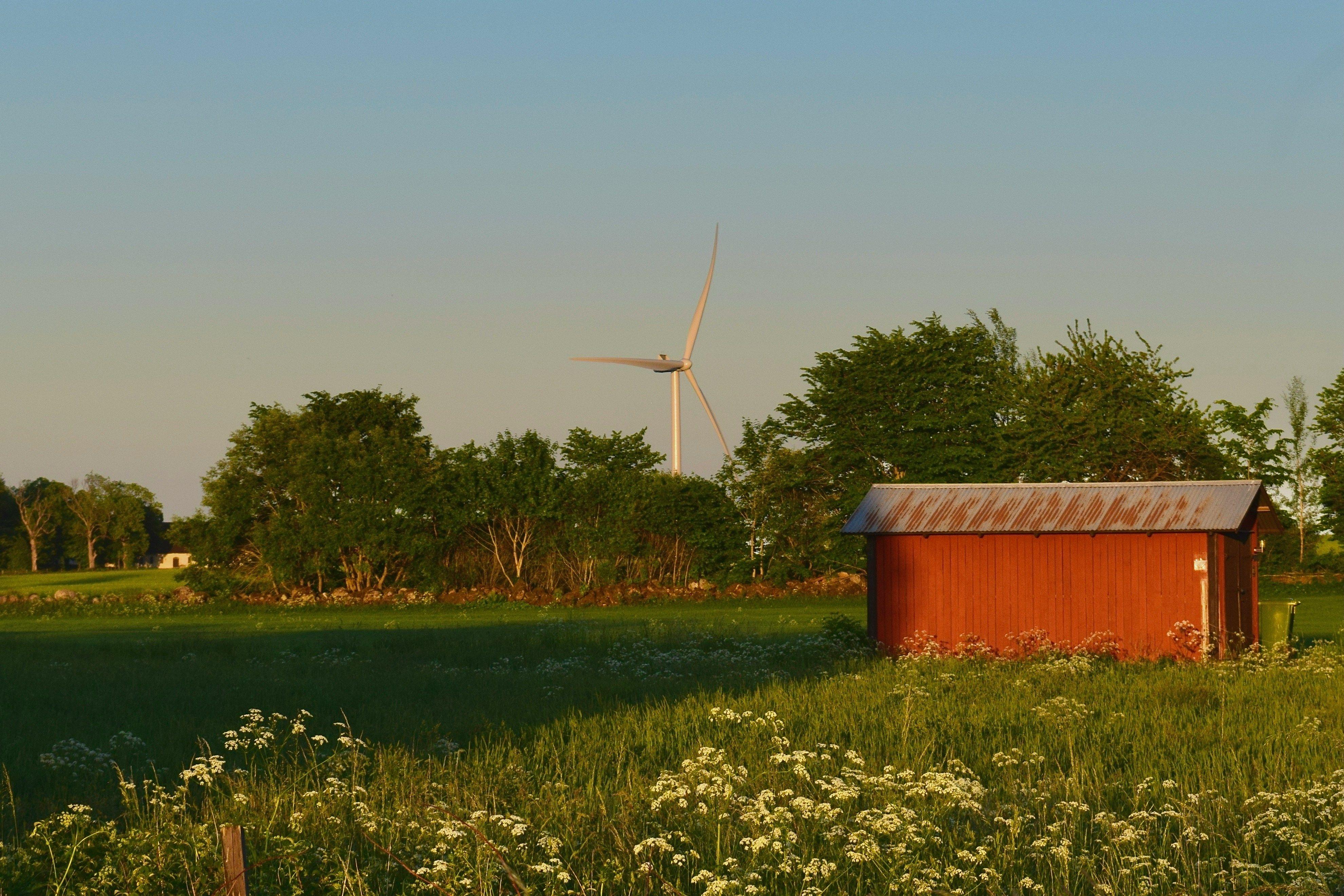
- Wind power complements solar well during darker months. Watch this webinar on deciding whether wind is right is for you and how to spec your system.
- One drawback is that it often requires planning permission, which adds time to the installation process.
Micro-Hydro
- If your land has flowing water with decent fall, micro-hydro can provide continuous 24/7 generation, often with better output than solar.
- As with wind power, this is likely to need planning and permission from your local environment agency
- Sadly, we don’t have a webinar on this yet! If you have micro-hydro, we’d love to hear from you about putting something together.
We can refer you to renewable energy consultants and installers, who can help spec a system for your site and install technology. Just get in touch with sustainability@canopyandstars.co.uk
It’s an investment…
We recognise that shifting your power usage is an investment and not one which always feels affordable. It’s worth doing the maths on the cost of the fuels you are using, and how much that amounts to over time, especially as the cost of fuel continues to fluctuate. We’ll always keep our eyes peeled for grants that might help you invest in sustainable tech and we’re also exploring some grant and loan opportunities of our own. Watch this space.
Step 3: Reduce the Energy Loads (The Game Changer)
Strategically managing the energy usage in your property is the single most effective and easiest way to bring down your bills and emissions. It can take pressure off the system and make alternative power sources more feasible. Here’s how to go about it:
- Check the energy rating on your appliances and opt for A-Rated where possible.
- Remove unnecessary appliances – consider whether certain things are really needed. You might have a fancy coffee machine or blender in the kitchen for example – guests can live without this for 2 days and we encourage a slower way of life on holiday!
- Consider a wood-burning stove for your main heat source (but only if you have access to a supply of seasoned wood which doesn’t have to travel far)
- Trick your guests into using less energy – check out this article, which has tons of tips and advice on how to encourage your guests to switch off.
Step 4: Build a safety net - run a small backup generator
Going renewable doesn’t mean taking risks and you’ll need to ensure that guests always have the power they need. For your backup generator, consider:
- A smaller, efficient unit
- One that only kicks in during extended bad weather
- Which is integrated to automatically top up batteries if needed
- And uses biofuels where possible. Learn more about biofuels here.
Final Thoughts: Renewable Energy Is Becoming the Standard
Fossil fuels were once the only practical off-grid solution. Today, solar + battery systems are mature, reliable, and increasingly affordable. If you size it properly and remove high-energy appliances, many single glamping units can operate almost entirely on renewable energy.
For glamping owners, the shift isn’t just about reducing fossil fuels — it’s about:
- Lower operating costs
- Better guest experience (no noisy generators noise)
- Stronger eco-branding
- Future-proofing your business
With guests increasingly conscious of the impact of their travel, taking steps to remove fossil fuels from your setup is good for the environment and good for business. We’re keen to help you move away from fossil fuels, so if you have any questions, suggestions or learnings from your own journey, we’d love to hear from you.