
Quick Strolls - Creativity in Nature
Welcome to Quick Strolls, shorter walks with the guests from A Life More Wild, in which we look at particular issues and ideas that we've come across in previous seasons.
Many of our guests on A Life More Wild talk about how nature helps them find calm and slow down. But there are also plenty, who say how it inspires their creativity. Here are just a few of them exploring nature in music and writing, at all times of year.
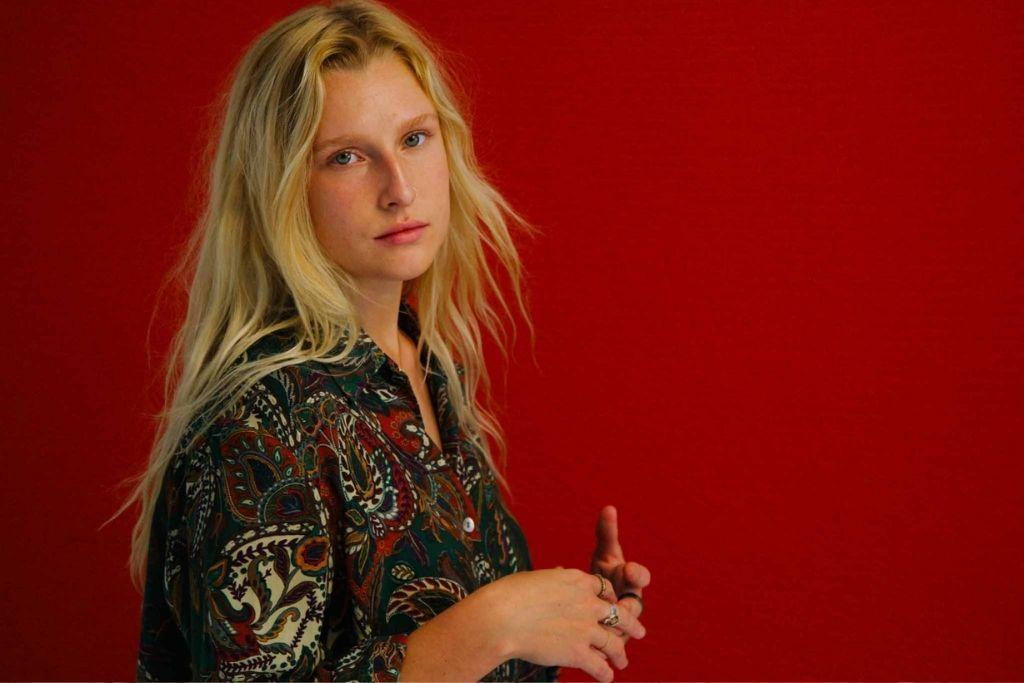
For singer songwriter Billie Marten, nature was always the subject or the setting of her early music helping her express herself
Billie: For me, it's just like, nature is kind of, it's a sigh of communication, and it's just for me, it evokes those kind of pent up emotions, and they're usually not negative, but it's, it's catharsis, and its comfort in blue, which I just really resonated with. At the age I was, which was 13/14, and feeling a little weird, and trying to express my views to the world and desperately failing, but it's always been attached to my writing, and it always will. So I'm really glad that I've got that tag, because not many people get that, and that's nice, and you can evolve still, and you're not necessarily tied to a specific character.
But if I you, know in the past, I have written a lot about mental health, and I have SAD disorder and depression and anxiety, and all of that stuff. And in the past, if you mention that, even once, you then become, you know, poster girl for that which I'm not, whereas with nature, I'm glad to be a poster girl for that. So it will, it will constantly be a source of inspiration. It's ever evolving, and as are you. But it was something that I was very protective over. And there's nothing else that does as good a job as this, and it's there for you all the time. It's completely non-judgmental. You could be anyone in it, and it accepts you. So that's nice.
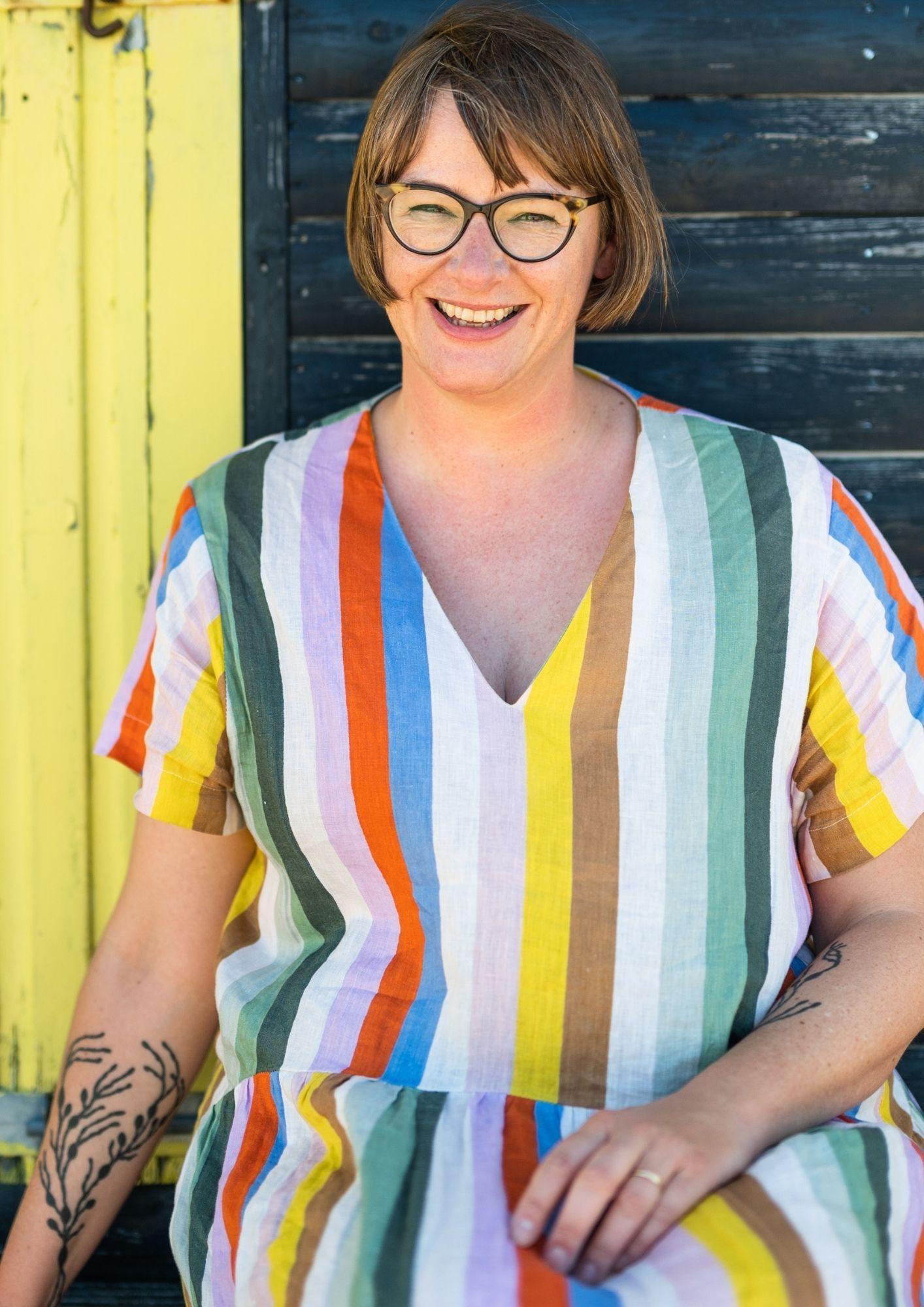
Author, Katherine May examined her love of winter and the change it brings to us in her book, Wintering
Katherine: So Wintering is a book about surviving the fallow periods in life. So it uses the metaphor of winter to explore this very natural part of the human life cycle, that comes to all of us over and over again, where for a little while, we feel kind of shut out of the rest of the world. You know, it's probably in the aftermath of an illness or a poor period of mental health or a big life event, but I increasingly think actually, it's often just the way we endure change, like really necessary change, but we often resist it, but that kind of takes us out of the world for a while, and it's really useful to think about how natural it is within the cycle of the year for us to withdraw, to have a more restful, regenerative time, and, you know, maybe to reflect so that, you can go back into the world slightly more ready again.
It's always weird to talk about it at mid-summer, because it's like the opposite of this time of year. And I always feel like it's a very maligned season, and I think it's a shame that we talk so enthusiastically about summer and how glorious it is and almost hold our breath through winter like it's this season that you have to just get through, and ignore as much as possible. And I think I always wanted to write something about how beautiful I find winter. I mean, it's, it's something that I came to realise when I moved here to Whitstable, that in winter, the beach is incredible, and people avoid it, but it's got a different beauty.
Yeah, it's not like the summer, but it's quiet and the wind's blowing, and the best thing you ever see here is when it snows on the beach and the whole scene turns white, and it's just so amazing. And, yeah, I think I really wanted to kind of write a defence of winter a little bit, and, and to say what a shame it is to skip out a whole quarter of our lives and not notice what's going on out there in those times.
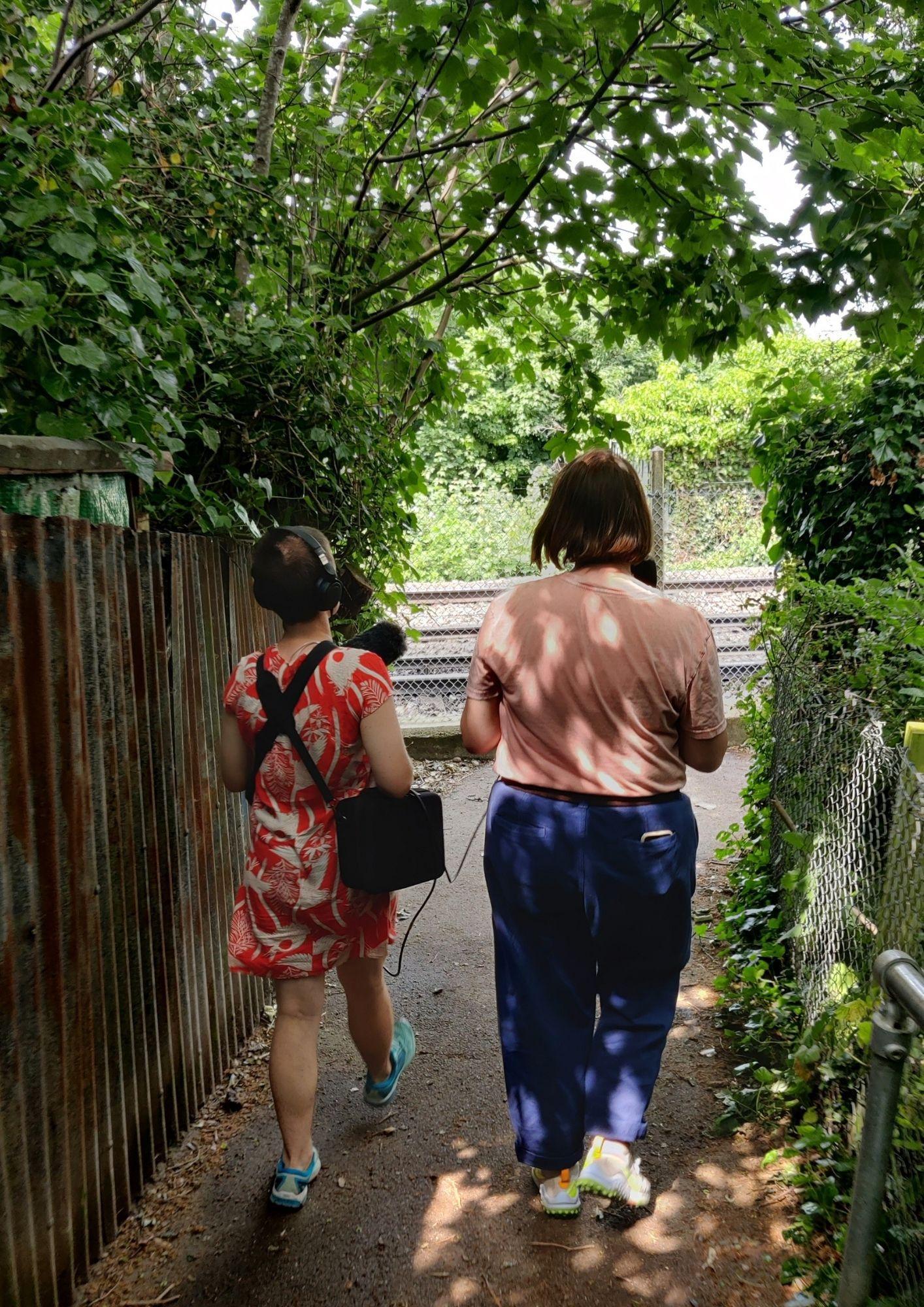
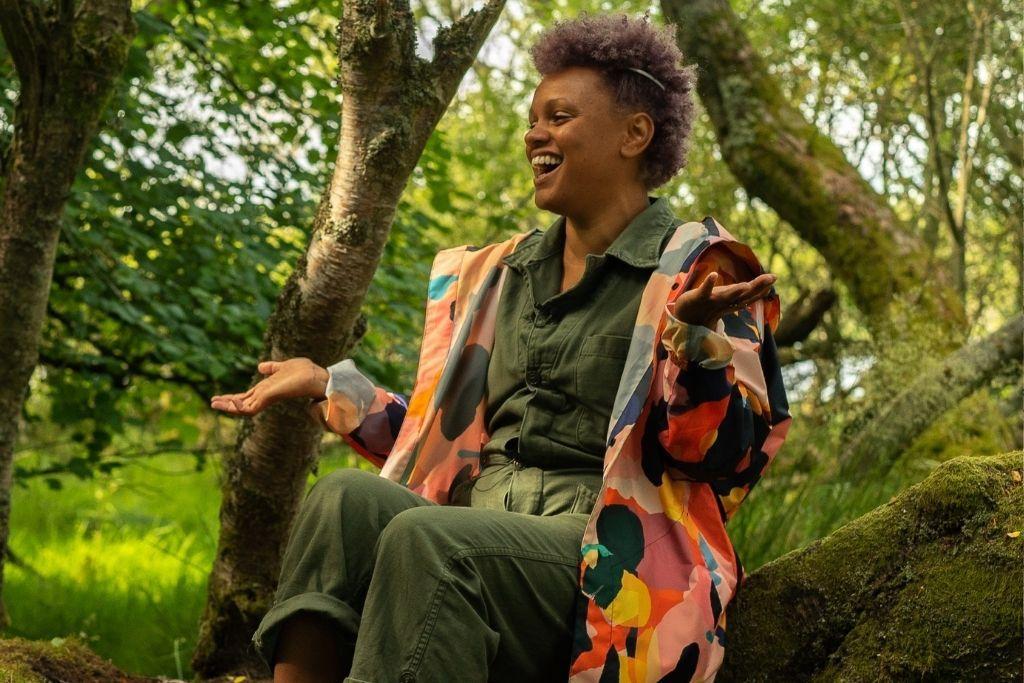
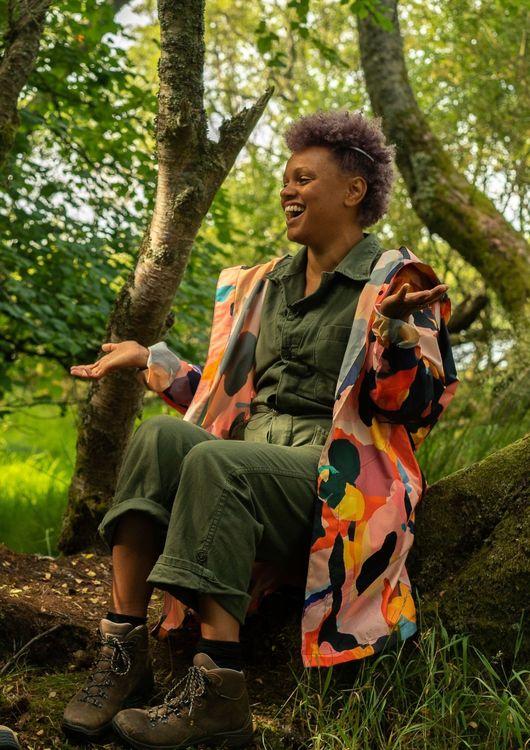
Radio presenter Gemma Cairney, while working at the outdoor sculpture garden and Education Centre, Jupiter Artland, reflected on her long journey to nature and the power it has to inspire
Gemma: I definitely was much more inspired by an urban scape for a long time. In my 20s, my career started taking off. I was working in amongst pop culture. I was doing a lot of breakfast radio shifts. I'd done so many different types of radio, but working for Radio One, the biggest youth station in the country, in so many ways, it was quote, unquote successful and exciting, but it was very, very, very busy.
And if I'm completely honest, it's always interesting what language people use. But I did reach a type of burnout, and I think having the sea close, when I lived in Margate, and it was literally outside my bedroom window and my lounge window, I could see the Walpole Bay tidal pool, so I didn't even have to check the tidal times online or anything. I could just see the tide. It put a lot of things into context. It's all that poetic stuff that people talk about – when you see a massive blue sea every day, it makes you feel a bit smaller, but in a good way, big nature, I guess. But for me, it's blue.
There's a beautiful American poet called Mary Oliver, and she writes a lot about like the healing powers of nature and the outdoors for your mind and body. But there is something about that practice within nature, whether it's a swim, whether it's like potting in your garden, it's like when I see the little kids, when they come here to, you know, get involved in workshops and learn. And they're coming back with bunches of leaves holding them in their hands. This kind of tactile nature that we can have when we're like, gentle but loving within nature, it changes the way you breathe. It changes how you think creatively. It changes lives. It definitely does.