

Powered by nature: Inside the UK’s most innovative off-grid cabins
Written by Jem Brownlee
Created March 2026
Read time: 6 minutes
Time was, off grid meant a certain degree of ruggedness. It was a cabin in the furthest reaches of the Scottish Highlands, the lowliest valleys of Wales, or the lofty summits of the Peak District. You’d be expecting candles for light, reserves of bottled water or a gas tank for your heat and cooking. But off grid means something entirely different these days. It’s less about logistics and more about the blissful seclusion you get to enjoy, spending time away from civilisation.
So what does off grid now entail? Is it a simple set of upgrades on those frontier days or is it, in fact, a kind of luxury you’d not expect to find amongst the trees – and best of all, a kind that benefits those trees too. Well, here’s a few forward-thinking spots that show how off grid is now out of this world:
1) Otby Lake Boat House, Lincolnshire Wolds
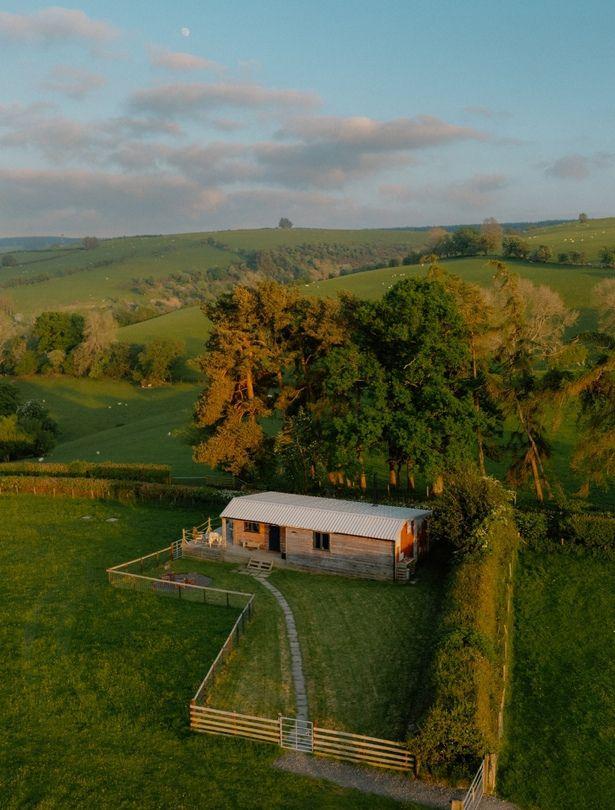
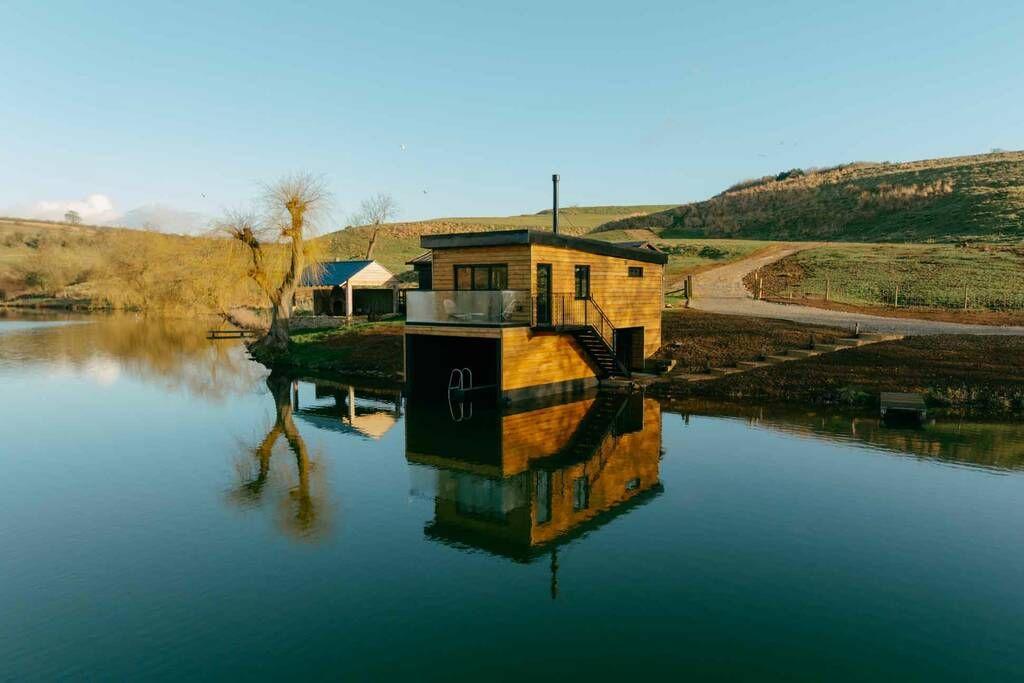
A family farm project years in the making, Otby Boat House, is rooted in heritage and craftsmanship, rather than futurism. Whilst it benefits from having some wonderful technical features like solar power, heated towel rails and insulation so good it eliminates phone signal – the real wonder of this place is the simpler touches.
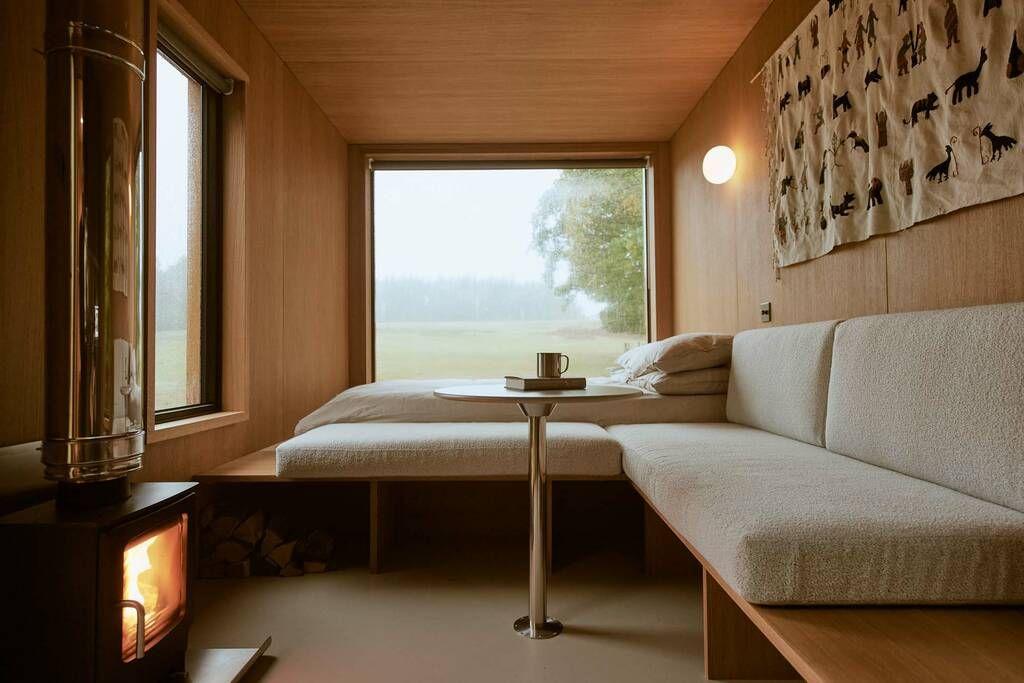
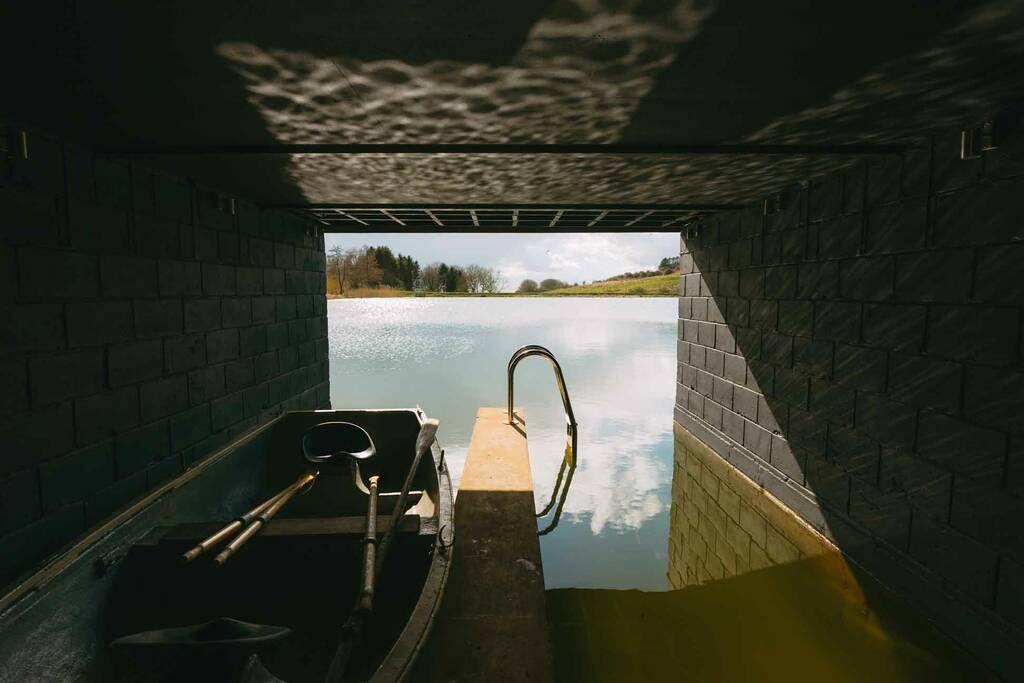
With handmade local furniture, locally sourced upholstery and a wood burner at the heart of the space, it’s easy to sit back and unwind in the living quarters – that is, when you’re not outside, enjoying the sauna, or taking the rowing boat out for a spin on the water.
2) Secret Container, Argyll & Bute
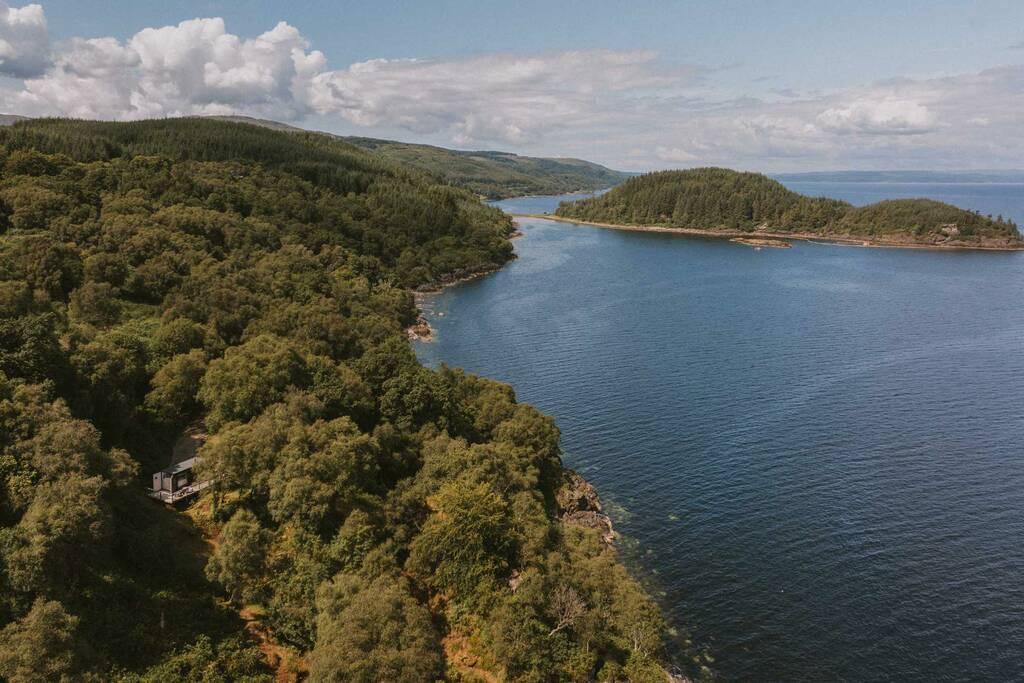
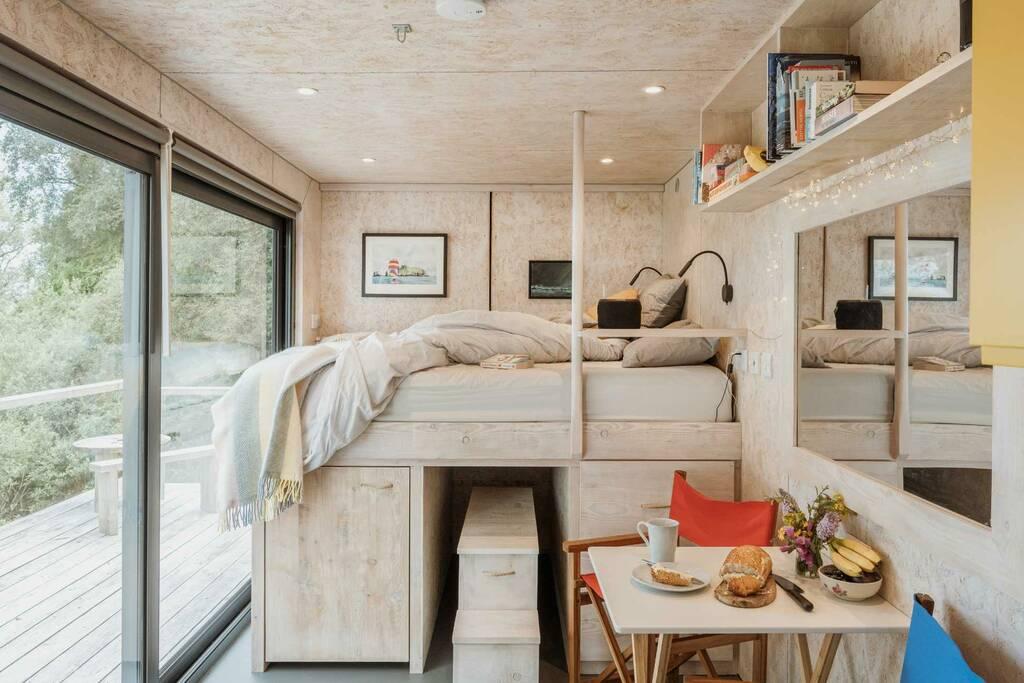
A great example of where sustainability takes centre stage would be the Secret Container in Argyll & Bute. Recycled from a shipping container, the very body of the space is a reused material. But it doesn’t end there. Secret Container uses a compost loo (indoors of course) and low energy LEDs to light the interior.
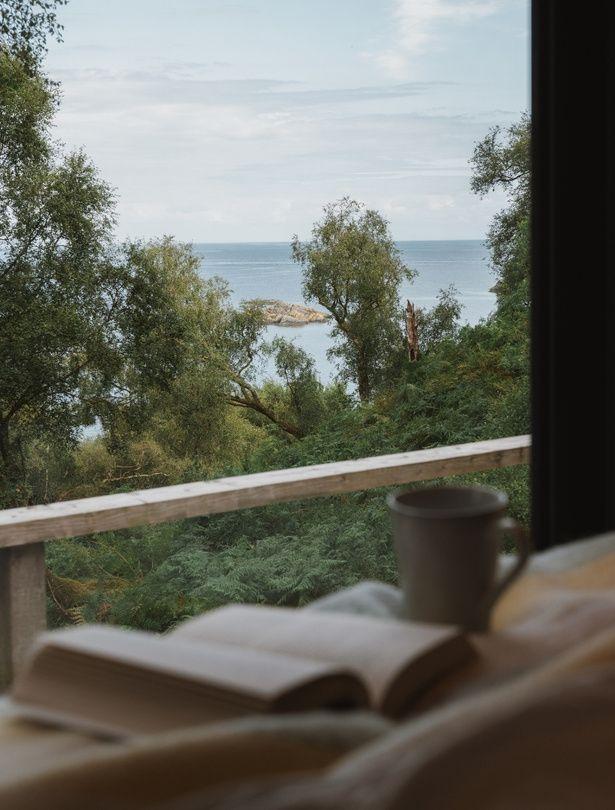
The water used in the space comes from the local river, passing through filters, charcoal and UV light. Of course, these things blend into the background of a stay, what you’ll most likely notice will be the short walk down to the private beach, the hammock for afternoons in the sunshine or the bath for a nighttime soak.
3) Tiny Home Two, Scottish Borders
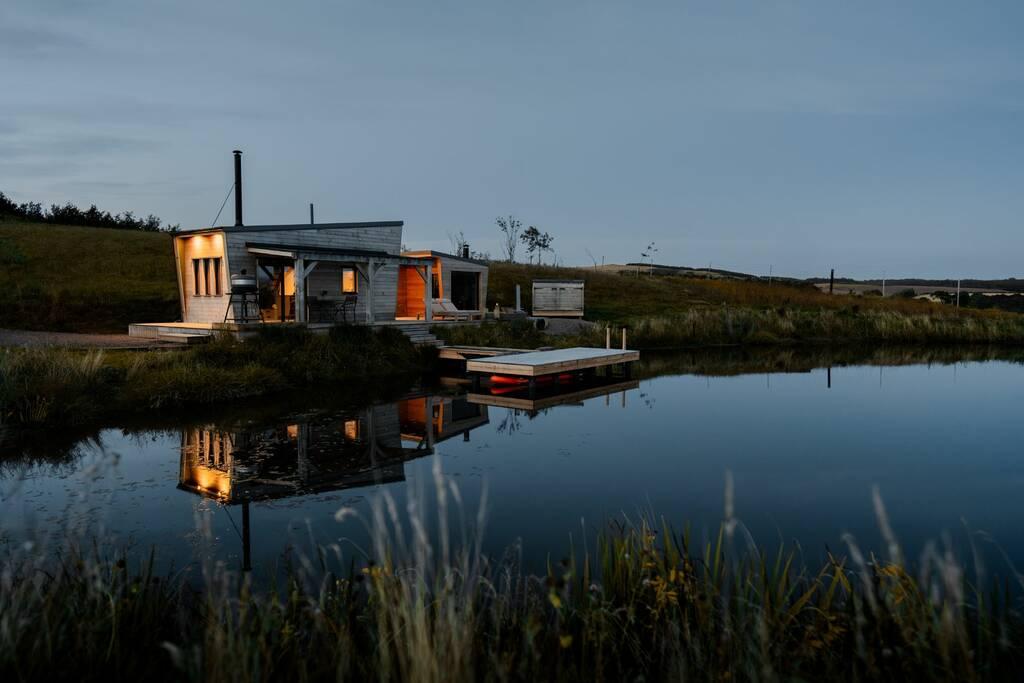
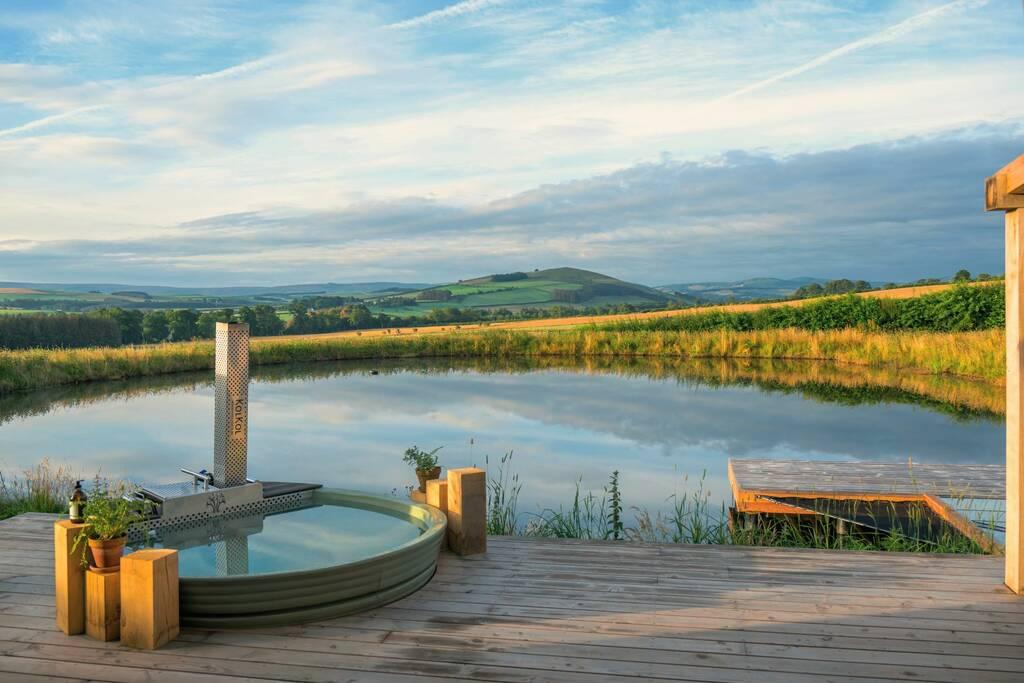
Running on solar power, Tiny Home Two uses the sun to fuel what little electricity needs you’ll have here for both your few days away, and the whole year whilst everyone else visits too. It also gets its water from a borehole, so all your afternoon baths, morning showers and spells in the lakeside sauna come straight from the land beneath you.
Of course, you don’t need a huge amount of electricity when you’re spending time away at a cabin on the edge of a lochan where you can wild swim or paddleboard to your heart’s content – and then warm up by a wood burner as the evening draws in.
4) Withywindle, Devon
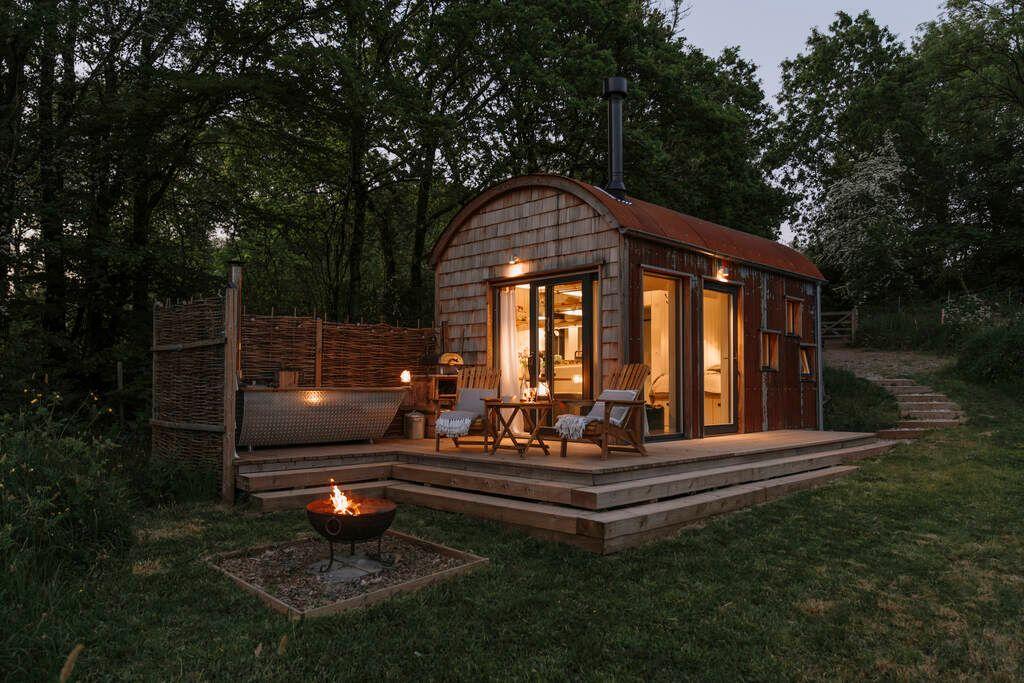
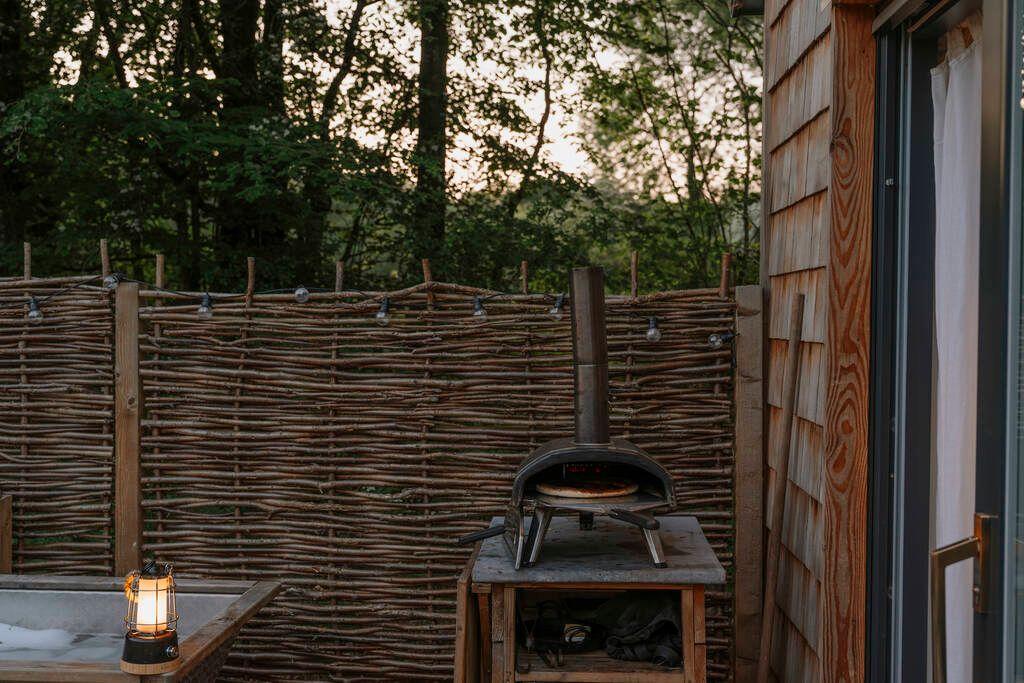
Fuelled with the power of the sun yet again, Withywindle’s sat in a quiet corner of a Devonshire meadow just soaking up the rays to power your stay in nature. It even funnels that power directly into the USB charging points – but the likelihood you’ll be using your phone is of course, pretty low, when there’s the Gozney pizza oven, a Swedish bath to soak in, and a firepit to huddle round.
What’s most impressive however, though you probably won’t be mentioning it when you talk about your relaxing time away, is that the cabin uses a biodigester and borehole water system – making it wonderfully self-sufficient.
5) Orrin, Hampshire
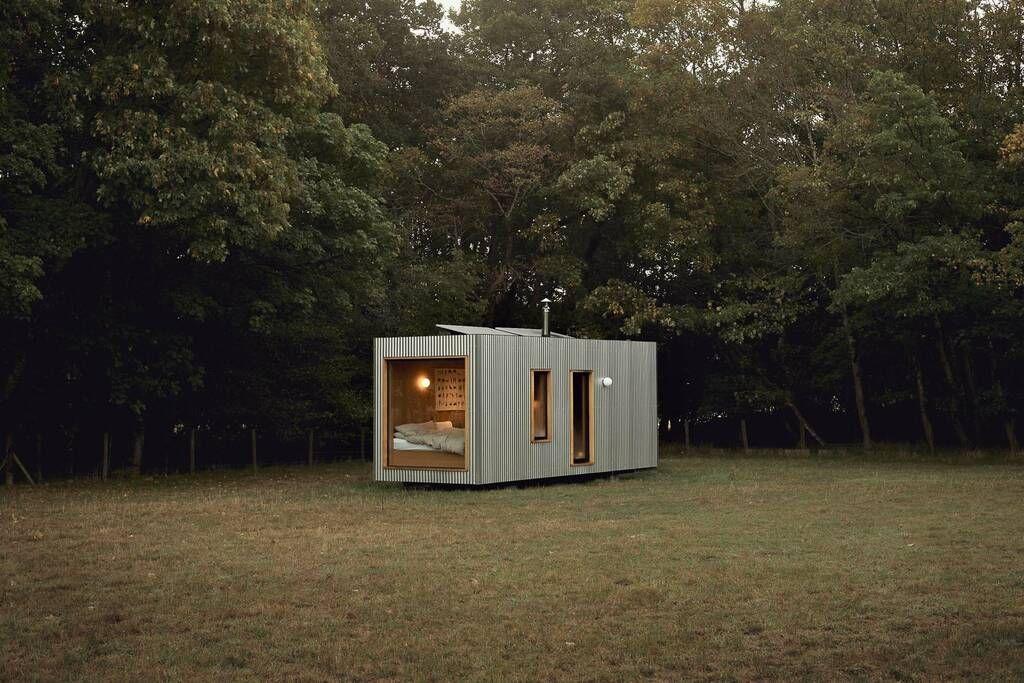
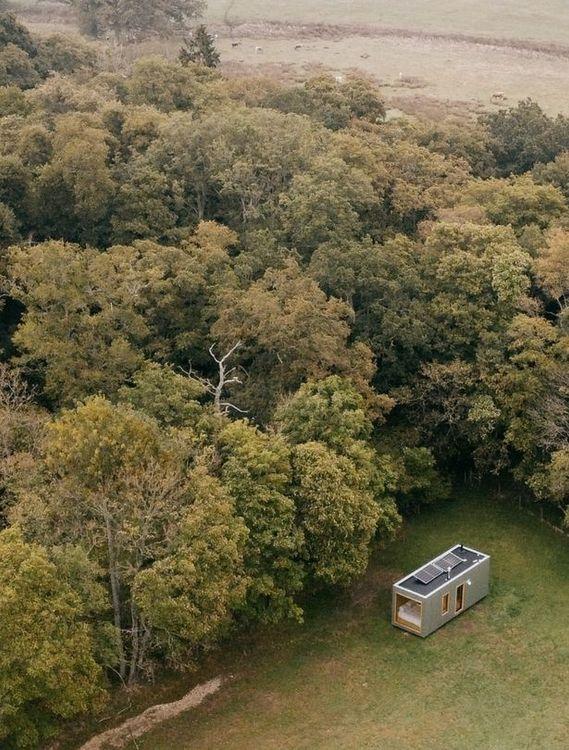
Orrin is sitting very lightly on the land – with removable foundation pads, when its time comes to retire, it’ll leave no trace. But that’s just one of many features that make this place a light touch on the environment. Getting its power from solar, the rainwater and filtered water systems feed the cabin, and it uses a modern composting toilet and biodegradable toiletries.
All this modern tech sits in the background, peacefully fuelling the space, but what you’ll see is more likely to be the huge picture windows, the clean lines of Scandi design, and the kind of restful environment perfect for a few days of R&R.