






No WiFi, no problem: Why digital-free holidays lead to better conversations
Written by Beth Tingle
Created March 2026
Read time: 6 minutes
Not long ago, losing signal on holiday felt mildly catastrophic. A weak connection meant missed updates, messages stalling halfway through and a sense of being cut off from the world. Now, for a growing number of people, that moment when the bars disappear from the phone screen signals something else entirely: relief.
Digital-free holidays are gaining popularity not because people dislike technology, but because daily life rarely allows genuine disconnection. According to Ofcom’s latest Online Nation research, the average number of UK adults now spend around four and a half hours online every day outside of work. Notifications arrive before breakfast, conversations continue across multiple apps and even downtime comes with commentary, updates and background scrolling. Being reachable has quietly become the default setting.
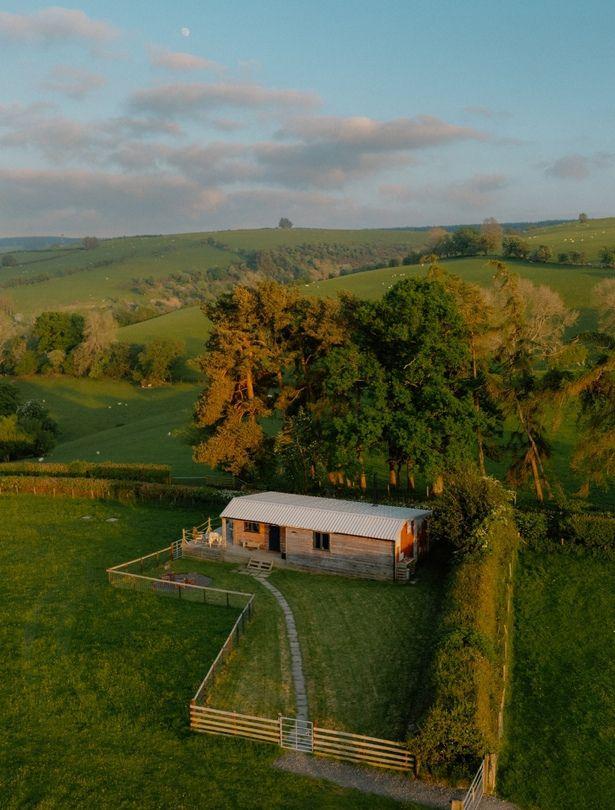
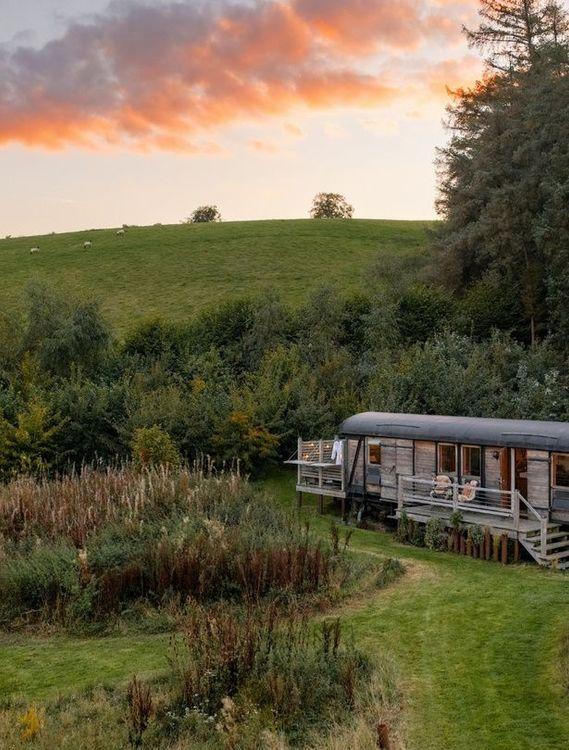
Temporarily stepping somewhere without WiFi, like one of our off-grid cabins, interrupts that pattern. It might sound dramatic, but the first few hours can feel uneasy. Phones are reached for instinctually, pockets tapped out of habit. But once the expectation of replying disappears and feeds stop refreshing, attention begins to settle in the present moment. And without screens acting as background noise, almost immediately, conversations change.

Phones leave the table and conversation returns
At home, conversations often exist alongside parallel digital lives. One person scrolls while listening, another replies to a message mid-sentence. Plans are made while emails are skimmed. No one intends to disengage, but attention becomes divided by design and communication becomes diluted.
Research suggests we are feeling the impact. A recent UK study by AXA found that 71% of young adults struggle to maintain concentration during face-to-face conversations, with many admitting they feel the urge to check their phone within minutes of speaking to someone. Constant connectivity has trained us to expect interruption.
Even brief glances at a phone during conversation can reduce feelings of closeness and empathy. The brain treats notifications as potential rewards, making it harder to remain fully present with another person. A digital-free environment removes that competition entirely. Without incoming alerts, there is no longer an invisible third participant in the conversation. People listen for longer, respond more thoughtfully and often find discussions drifting into subjects rarely reached during everyday routines.

The power of disconnecting to reconnect
One of the most noticeable effects of an off-grid stay is how time seems to slow. Without constant prompts telling you what to do next, days unfold more organically. Breakfast runs late, walks take unexpected turns, and evenings gather around simple rituals rather than scheduled entertainment.
Guests often notice how quickly shared moments take centre stage. One guest who visited the off-grid cabin Withywindle, described spending the evening “cooking and eating pizza in the outdoor oven under the stars” before a long ramble through quiet countryside the next day, adding that they “saw barely anybody… a total disconnect from society and felt very close to nature.” Similar reflections appear throughout guest reviews from remote Canopy & Stars stays, where visitors frequently mention how easily conversation and connection return once signal disappears.
The change is subtle but powerful. When attention is no longer divided, people rediscover the pleasure of shared experience without documentation or distraction.
Why disconnection feels unexpectedly good
The appeal of switching off is not about rejecting technology. Most travellers are not seeking permanent escape. What they want is temporary relief from the steady stream of decisions modern life demands.
Every day involves hundreds of small choices: reply now or later, open the notification or ignore it, keep scrolling or stop, compare options, respond, react, decide again. Individually insignificant, together they keep the brain alert long after the working day ends.
Without WiFi, those decisions quietly disappear. There is no pressure to document the moment, answer immediately or keep up with what everyone else is doing. Time stretches and evenings unfold without urgency. Conversations drift naturally because nothing is competing with them. It is often during these slower hours that people find themselves discussing things they haven’t talked about in months, or sometimes years.

The psychology of presence
Digital-free holidays work not because they remove technology entirely, but because they restore boundaries. Modern devices collapse work, social life and entertainment into a single object carried everywhere. Off-grid environments reintroduce separation between those roles.
Natural surroundings reinforce this shift. Exposure to green space has been linked to reduced stress levels and improved mood, making people more open, patient and emotionally available. Research from the University of the West of England, funded by the Wellcome Trust’s Mental Health Programme, found that time spent in green environments can create a state researchers described as “effortless mindfulness”, allowing people to step away from the constant distractions of modern life, including noise, traffic and social media, which are known to heighten anxiety and irritation.
At an off-grid cabin surrounded by nature, conversations become less transactional and more reflective. Instead of discussing logistics, people begin discussing ideas, memories and plans for the future. In this way, disconnection from devices often leads to reconnection with each other.

Conversations that stay with you
Perhaps the greatest appeal of digital-free travel is not silence but depth. Away from scrolling feeds and constant updates, experiences feel less performative. Moments are shared rather than broadcast.
Friends notice they laugh more easily, couples rediscover the pleasure of uninterrupted time together and families find children asking questions and playing outside instead of reaching for screens. The absence of WiFi does not create conversation on its own, but it creates the conditions where meaningful conversation can happen naturally.
The lesson is simple: connection does not always require more communication tools. Sometimes it begins by removing them. In a world designed to keep us constantly connected, choosing temporary disconnection can feel surprisingly freeing. No WiFi, no notifications, no pressure to respond, just space to talk, listen and be fully present with the people beside you.
The kind of moments off-grid cabins are made for
- Morning coffee without scrolling
Instead of checking messages first thing, mornings often begin with slow conversation over coffee while the landscape wakes up around you. - Walks where conversation wanders too
With no destination or timetable, long countryside walks give space for chats that meander just as much as the path beneath you. - Cooking becoming a shared ritual
Preparing dinner together, whether over a firepit or in a small cabin kitchen, turns into an evening-long activity filled with stories, laughter and the occasional debate over seasoning. - Board games that spark hours of chat
A simple deck of cards or board game can stretch deep into the evening when no one is checking their phone between turns. - Stargazing and late night conversations
Remote cabins often reveal night skies most people rarely see at home. Wrapped in blankets beneath the stars, conversations often drift into the kind of topics that only emerge when there’s time to linger. - Simply sitting together without distraction
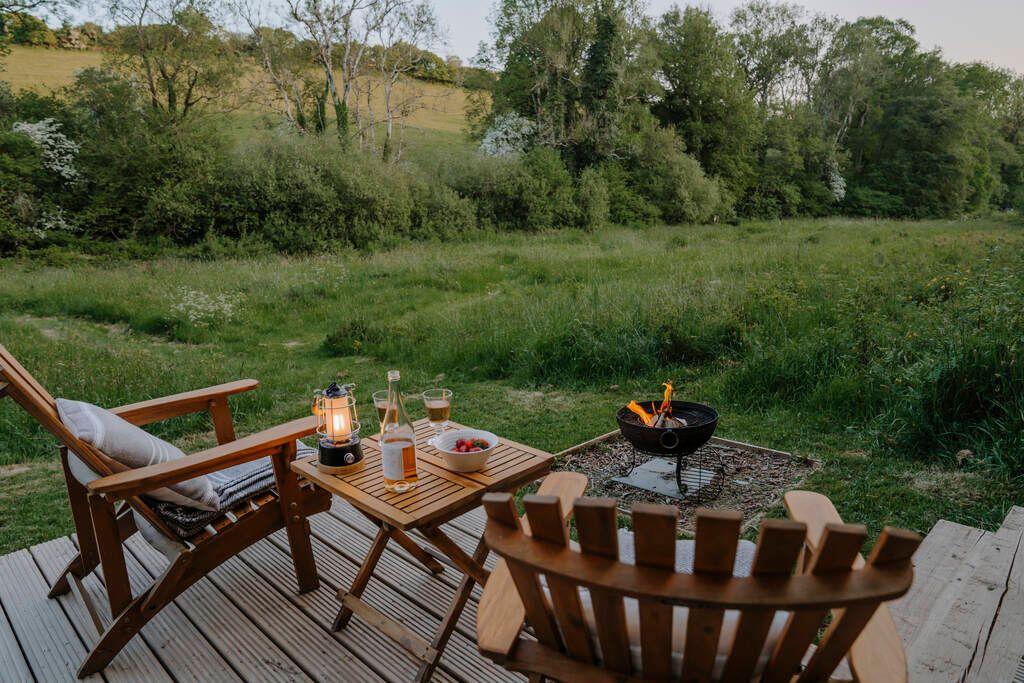
Sometimes the most meaningful moments happen when nothing much is happening at all. A quiet fire, a shared view and uninterrupted time often lead to the kind of conversations everyday life rarely allows.