

Why off-grid cabin holidays are the new luxury (and the antidote to digital overload)
Written by Beth Tingle
Last updated March 2026
Read time: 4 minutes
Not long ago, luxury travel meant marble bathrooms, perfectly filtered infinity pools and waiters in white gloves bringing you fancy drinks with names you couldn't quite pronounce. In 2026 though, many travellers are turning to something more authentic. The reason being? Burnout is widespread, digital stimulation rarely pauses and even holiday inspiration increasingly comes from algorithm driven feeds that send everyone to the same over-touristed places.
Convenience has never been easier to buy, yet genuine escape from “it all” feels rarer. The most valued travel experiences now offer something technology cannot optimise – the feeling of freedom and time that belongs entirely to you.
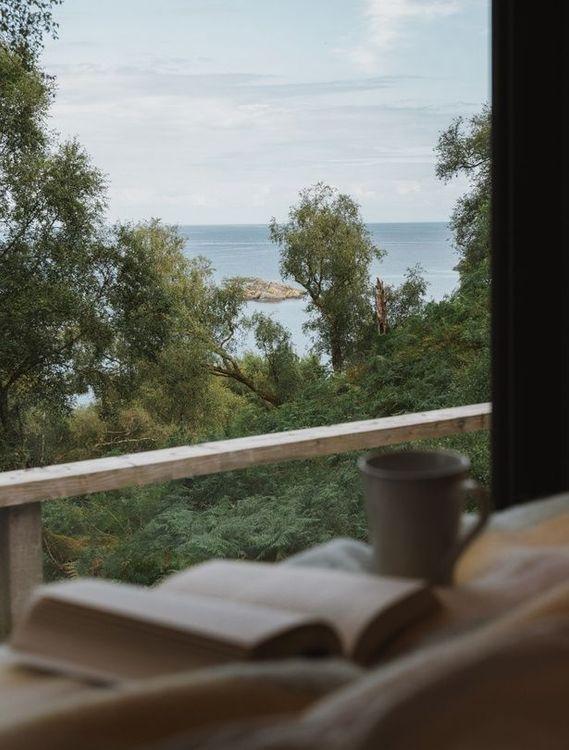
Off-grid cabin stays kindly fulfil that need. You arrive, put your bag down and notice reception has disappeared somewhere along the lane. At first it feels strange. Then the fire needs lighting, music replaces scrolling, veg is chopped without glancing at a clock and suddenly the evening belongs to you again. Without endless options competing for attention, small rituals take over and for many people, that has become the definition of real luxury.
Redefining luxury in the quietcation era
Wellness used to be all about pampering. A robe, a treatment, a perfectly scheduled hour of relaxation before walking straight back out into outside noise. Now it’s about being left alone, in the best possible way. Travellers are looking less for indulgence and more for nervous system repair in the form of deep rest and space to think clearly.
With nine in ten UK adults reporting high levels of stress according to the Mental Health UK Burnout Report 2025, and younger generations finding it the most difficult to switch off from work, it’s no wonder people are becoming far more protective of their time away from the office and responsibilities.
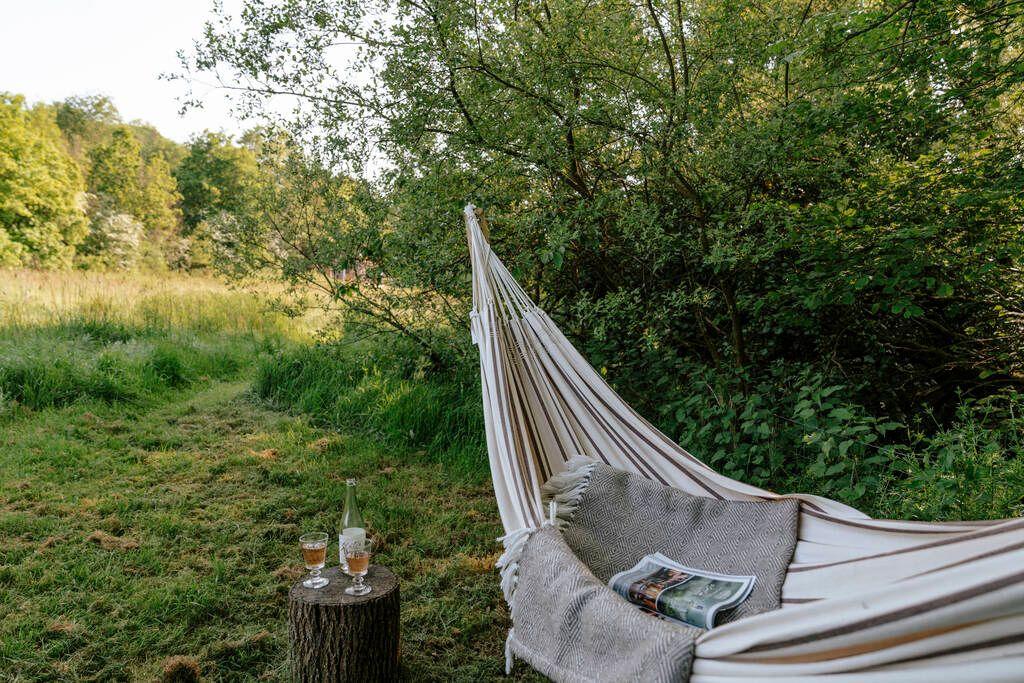
Enter the “quietcation” trend, where the goal of travel or a weekend away is less about activity and more about relief. Unstructured time is being prized in a way that expensive extras once were and off-grid cabins naturally support this. Without urban noise, constant connectivity or tightly scheduled itineraries, guests often settle back into slower rhythms like reading by a stove, watching weather roll across a landscape or rediscovering the urge to create. The experience feels grounding rather than performative, which is increasingly what modern travellers want.
Why digital overload is driving the rise of off-grid stays
Many guests now book specifically to step away from screens, and a little research into decision overload helped us to understand why. Modern life demands a constant stream of micro-decisions each day, replying or ignoring messages, switching between apps, choosing what to watch, what to buy, where to eat, whether to answer one more email or finally log off. None of these decisions feel significant on their own, yet together they keep the brain permanently alert and rarely rested.
That mental fatigue is now showing up clearly in how people plan their trips. The Pinterest Summer Trend Report 2025 found searches for “digital detox ideas” rising by 72%, while interest in nature retreats is continuing to grow as people look for more reflective experiences away from constant connectivity.
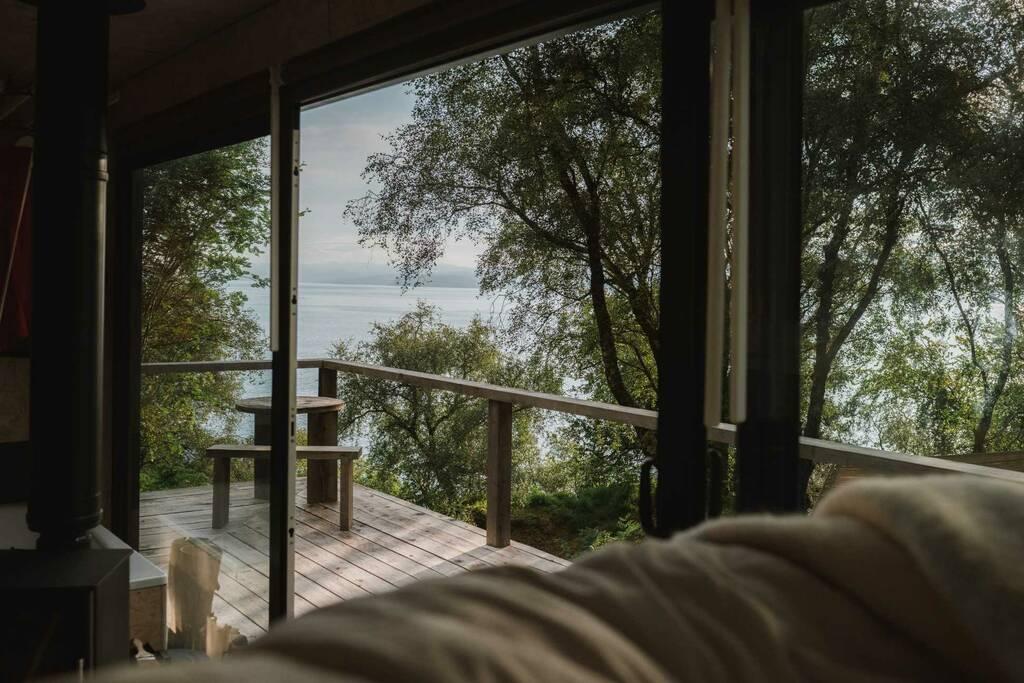
An off-grid cabin stay gently reverses that pattern, and our guests often report sleeping more deeply, feeling calmer and reconnecting more easily with their companions. Fewer signals compete for attention, natural light guides sleep cycles, and limited connectivity reduces the urge to check updates. You’re provided with a setting where switching off happens almost automatically.
What makes an off-grid cabin feel luxurious?
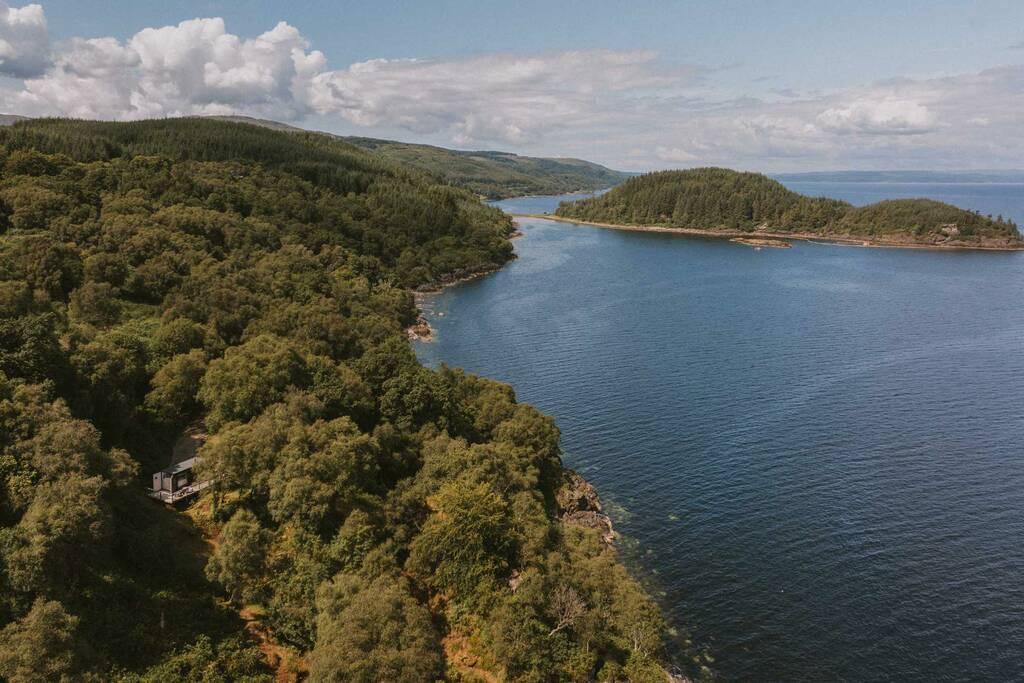
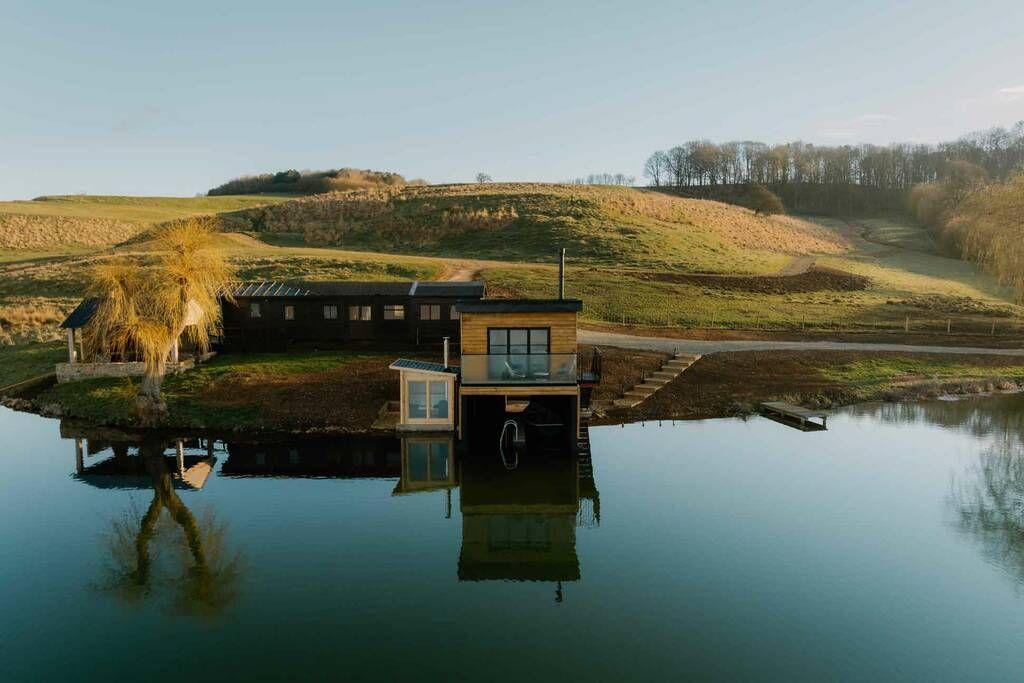
In an off-grid cabin, luxury shows up in solid craftsmanship over excess. Many of our cabins are owner-built or lovingly converted, shaped over years rather than designed overnight. This craftsmanship becomes part of the experience. A former industrial container transformed with the help of a Cornish boat builder, timber reclaimed from old farm buildings finding new purpose as floors and walls. Cabins built from materials that already carry stories, now offering guests a slower way of living within them.

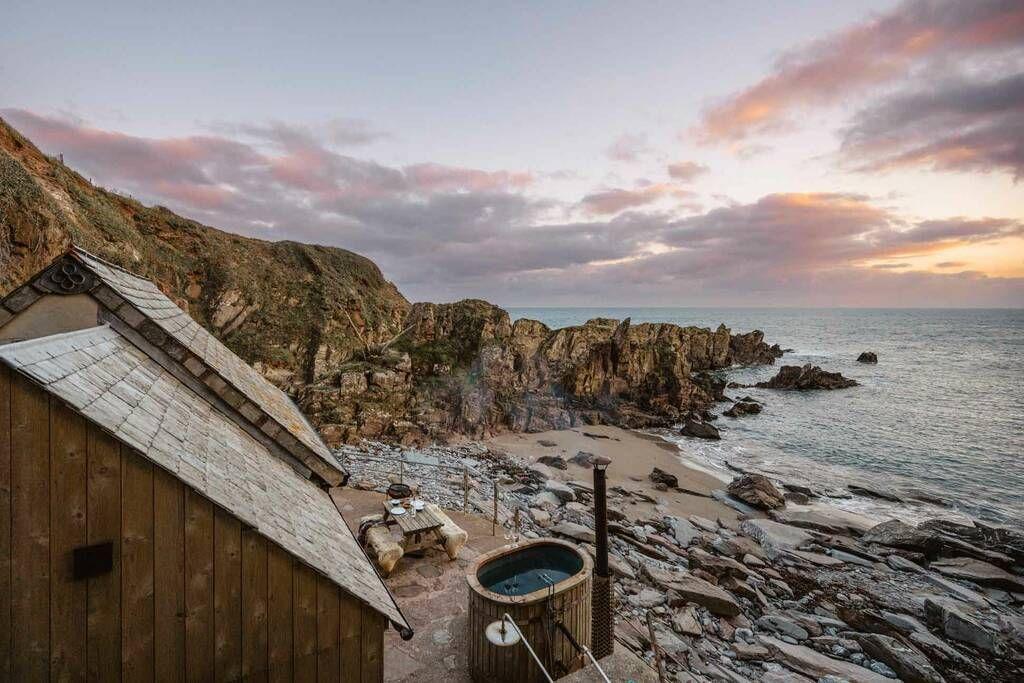
Luxury also appears in thoughtful details. Bramley toiletries waiting in the bathroom beside a heated towel rail. A welcome hamper filled with produce from neighbouring farms. Homemade jams, herbs picked from the owner’s garden or fresh eggs left by the door. Outside, luxury might be a sauna steaming away or a Swedish bath positioned on the deck ready for stargazing.
Most importantly, comfort is never sacrificed. Good insulation, hot water, modern kitchens and comfortable beds ensure that off-grid does not mean going without. The result feels luxurious and personal because someone has thought carefully about what makes you comfortable, calm and welcome, and increasingly, that care is the real indulgence.
A curated alternative to algorithm driven travel
Algorithmic travel planning excels at convenience but can flatten experience. When millions follow the same recommendations, destinations risk feeling interchangeable. Off-grid stays chosen through careful, human led curation offers individuality, local character and a sense of discovery.
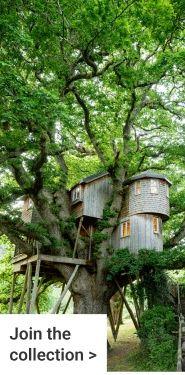
At Canopy & Stars, every off-grid cabin is personally inspected before joining the collection. Attention goes beyond aesthetics to include setting, environmental sensitivity, host ethos and overall guest experience. The aim is to ensure each stay genuinely supports rest, connection with nature and a slower pace of living.
For travellers feeling digitally saturated or simply craving space to think, this kind of considered escape offers reassurance. Off-grid does not mean basic or inconvenient. It means restorative, intentional and quietly luxurious.