





Relationship recovery weekends: how time outdoors brings couples back together
Written by Beth Tingle
Last updated April 2026
Read time: 6 minutes
Relationships don’t always unravel in dramatic fashion. A lot of the time they just get… busy. Entire weeks slip by in a blur of logistics, conversations revolve around laundry cycles and practical tasks (“Did you book the MOT?”), until suddenly your most animated debate is about what to stream on a Friday night.
That’s why a growing number of couples are turning to short wellness nature escapes not simply as holidays, but as a way to reset the relationship itself. Take two people out of their usual surroundings and plonk them in the middle of a forest, and often they’ll find conversation returns once the background noise of everyday life is removed. Laughter appears more easily, and time together starts to feel less like a gap between responsibilities and more like the point of the whole thing.
When the stress drops, the patience rises
It’s difficult to be patient when your brain is juggling a dozen things at once, and unluckily for us, 21st century living likes to keep the brain in a low-level state of alert. Chores, deadlines and general busyness quietly raise stress levels, and that tension has a habit of spilling over into relationships, until small irritations suddenly feel larger than they deserve and it doesn’t take much for minor annoyances to grow into unnecessary disagreements.
Nature has a way of softening that edge. Research consistently shows that time in natural environments reduces stress and improves mood, helping people feel calmer and more emotionally open. When the mind relaxes and the stress levels drop, patience tends to follow. Irritations lose their dramatic flair, and couples often find themselves laughing about things that might have sparked an argument back home. Conversations become less reactive and more reflective, and gradually, the tone of the relationship shifts so that instead of managing the day together, you start having fun.
By the end of your stay, the person beside you should feel less like a teammate in the logistics of life and more like your favourite company again.
The power of doing something together
Relationship therapists often recommend trying something new together. Psychologists call it “self-expansion”, which sounds like a complicated life strategy, but really it just means breaking out of the usual routine for a while.
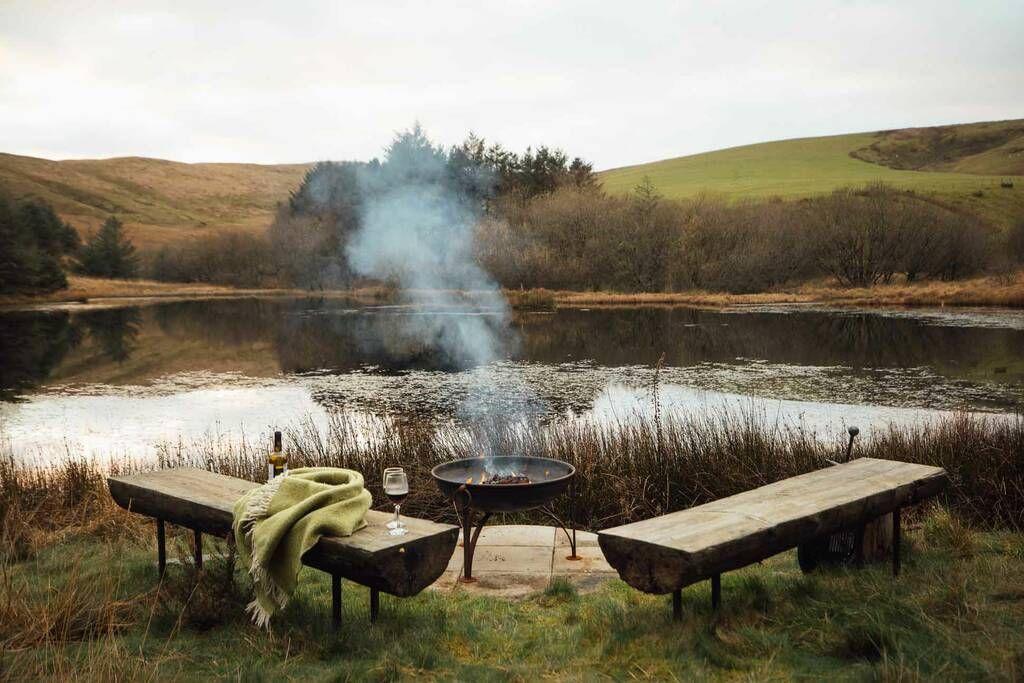
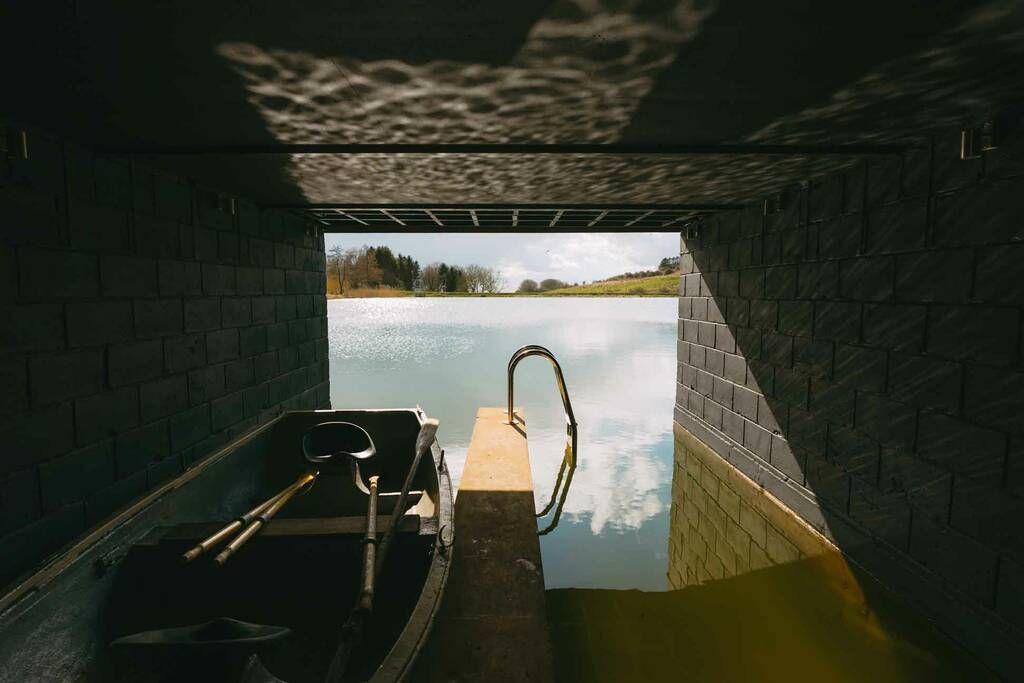
Nature makes this kind of shared discovery wonderfully easy. A countryside walk becomes an adventure, cooking dinner over the firepit turns into an event and a quiet lake suddenly feels like an invitation to go for a paddle. At Otby Lake Boat House, couples can take the rowboat out onto the water before warming up together in the lakeside sauna, watching the surrounding hills that frame the lake.
These moments may sound simple, but they create meaningful shared memories that couples often remember long after the trip itself. Not because they were extravagant, but because they were experienced fully, without distraction. Research into nature connectedness also shows that people who feel more connected to natural environments tend to report higher levels of wellbeing and life satisfaction. When both partners share that sense of calm and perspective, it can do wonders for strengthening the emotional atmosphere between them.
Conversations that don’t happen at home
A funny thing often happens once couples’ step into a quieter landscape – they start talking properly again. Without phones buzzing or the next task waiting in the background, conversations drift into new territory. Old stories resurface, plans for the future emerge and sometimes topics that once felt awkward suddenly feel easier to approach.
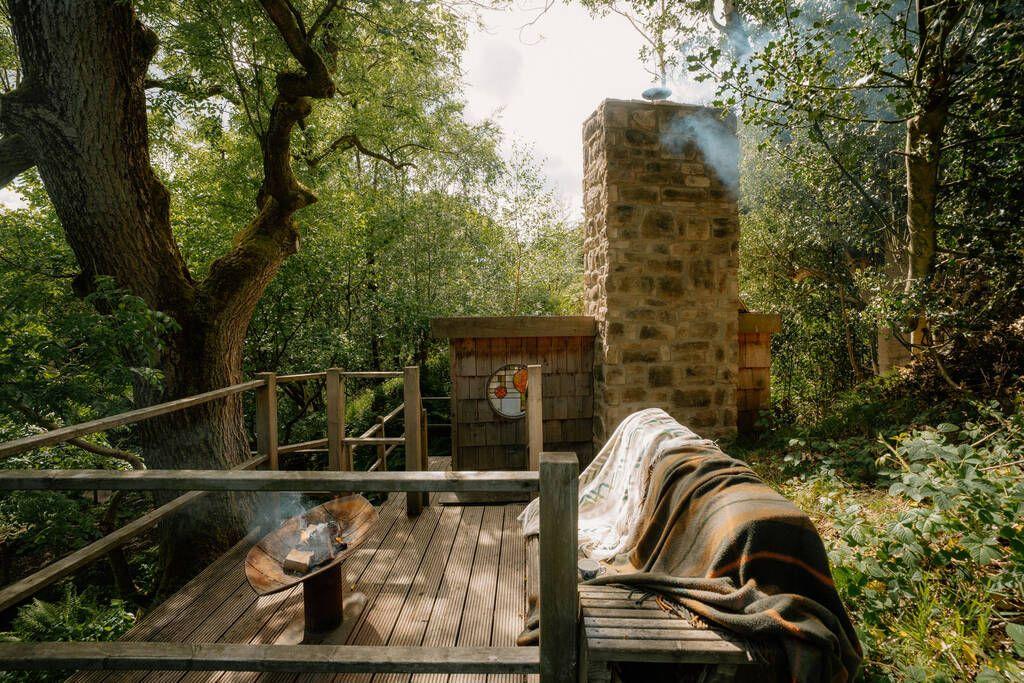
Psychologists suggest that walking side by side can make communication feel easier because no one is sitting opposite the other like it’s a formal meeting. You’re simply moving forward together, which encourages openness. And sometimes the best parts of the conversation happen in the quiet stretches, when both of you pause to watch the landscape for a moment. At Falling Water, a colourful cabin in Yorkshire with a waterfall beneath it, that flow is effortless. Step outside onto the Pennine Way, Britain’s oldest National Trail, and let the surroundings guide your chat, whether you take a short walk or follow the trail to Hebden Bridge.
Intimacy returns in quieter places
Romance is often portrayed as grand gestures in the form of candlelit restaurants, extravagant surprises or perfectly staged moments. In reality, it usually appears in the smaller moments, like sharing a flask of coffee on a hilltop you just climbed or the shared satisfaction of cooking a meal together after a day spent outdoors.
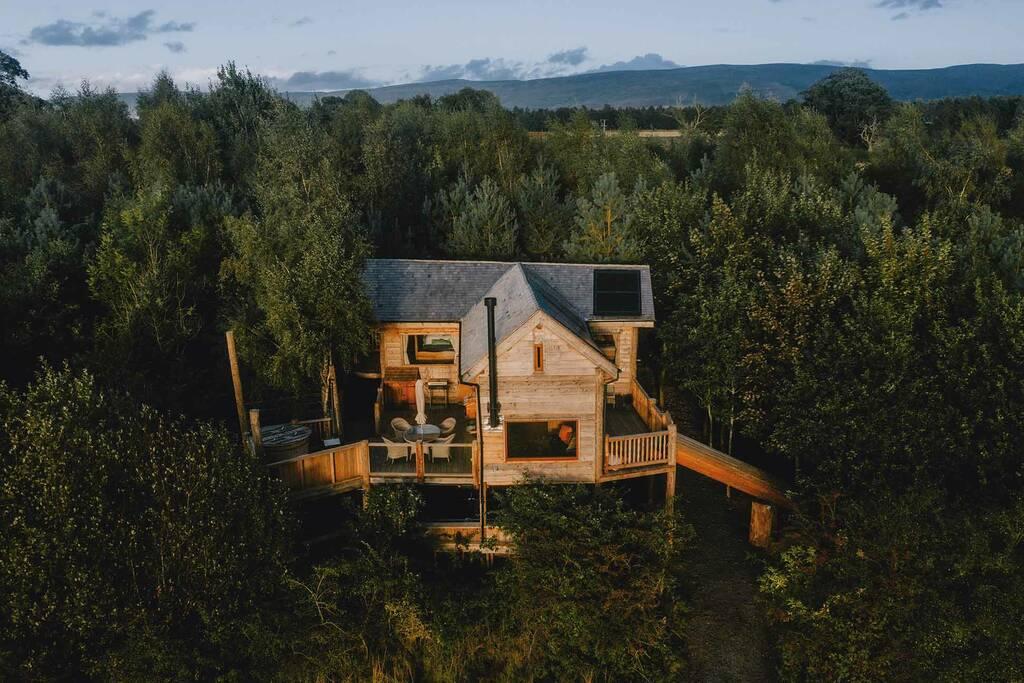
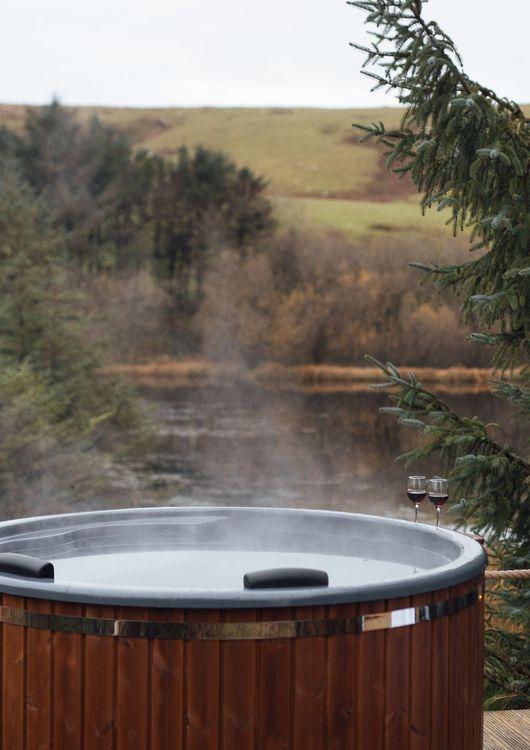
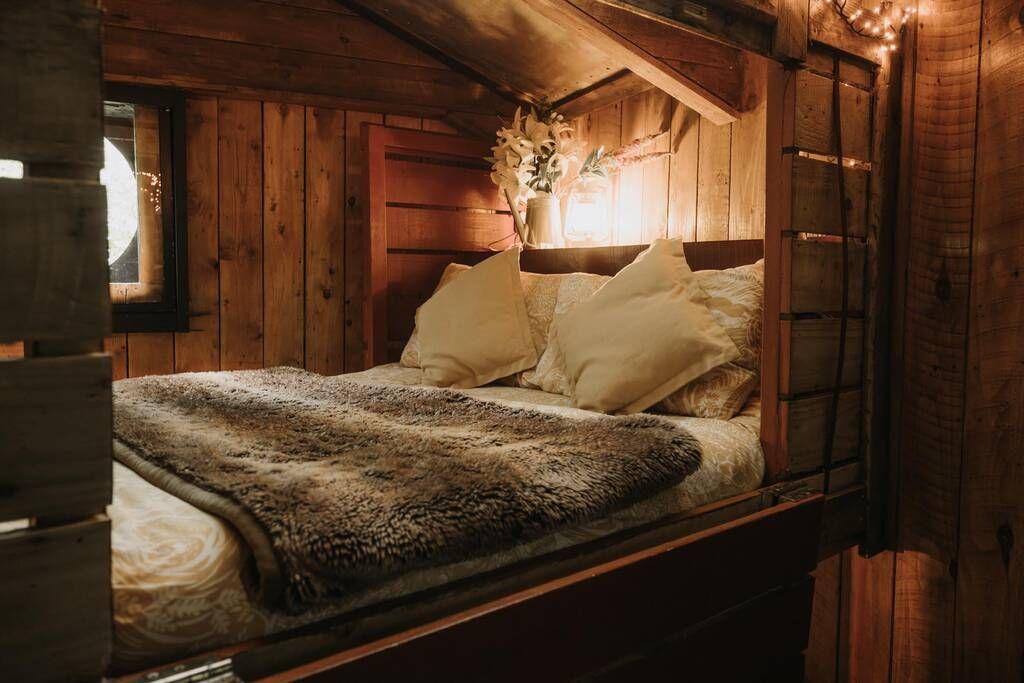
At Humble Bee Cabin, couples spend the day exploring Dartmoor before returning to a woodland scene that feels almost enchanted. Candlelit trees glow between the branches, a cedarwood hot tub steams under the stars and the cosy hive cabin becomes a snug little world of its own. These stays create moments feel meaningful because they are unstructured. There is no performance, no audience and without these distractions, attention shifts back to the person beside you, which sometimes alone is enough to bring a relationship back into balance.
The underrated romance of doing very little
Some holidays feel like an ambitious checklist disguised as relaxation. Visit this, photograph that, book dinner somewhere impressive, and somehow squeeze in a museum before lunch. By the time the trip ends, you need another holiday to recover from the holiday. But now, couples are discovering a more fulfilling and restorative alternative. Go somewhere beautiful, make a couple of easy-going plans and then leave plenty of time for absolutely nothing.
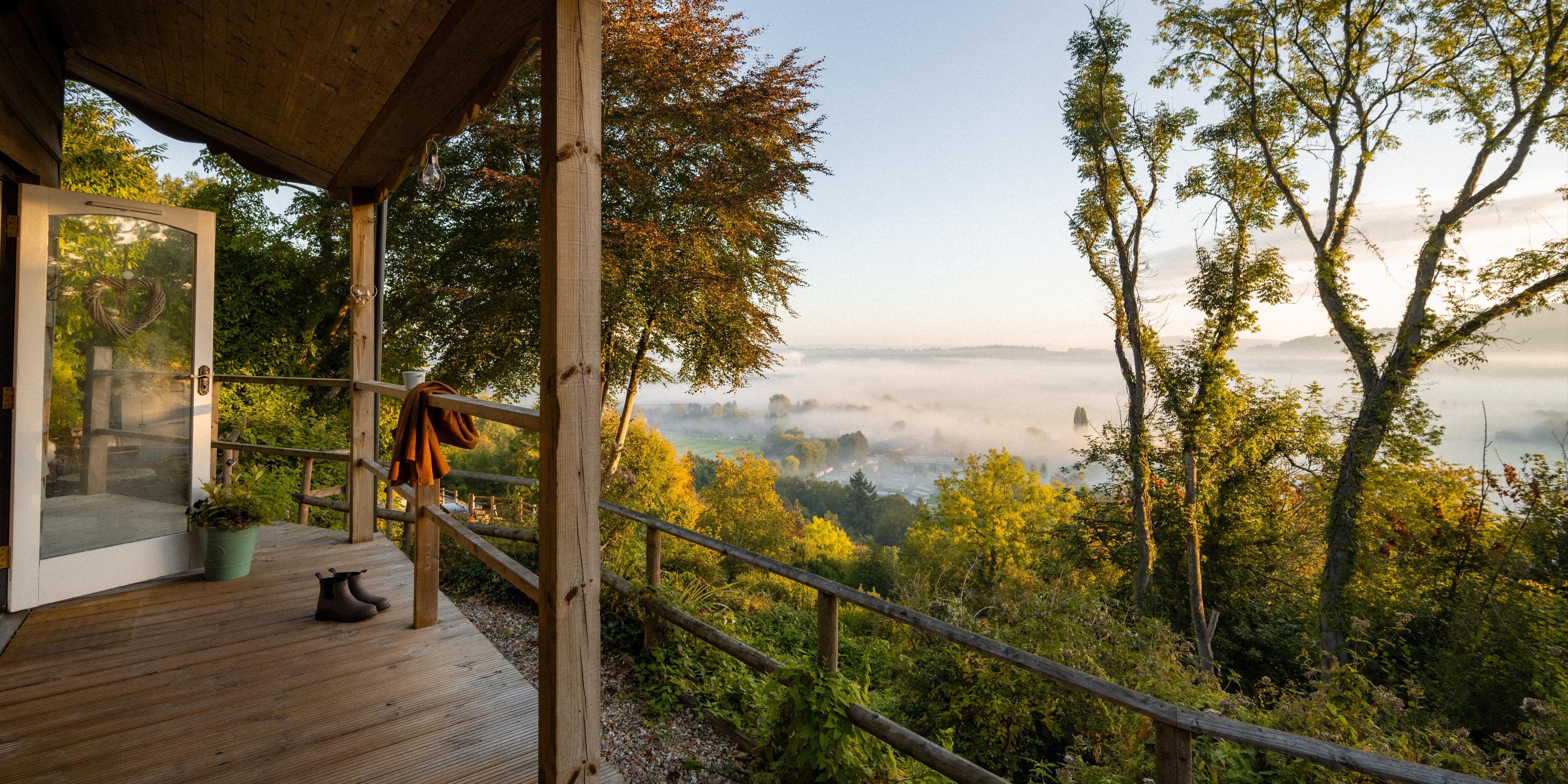
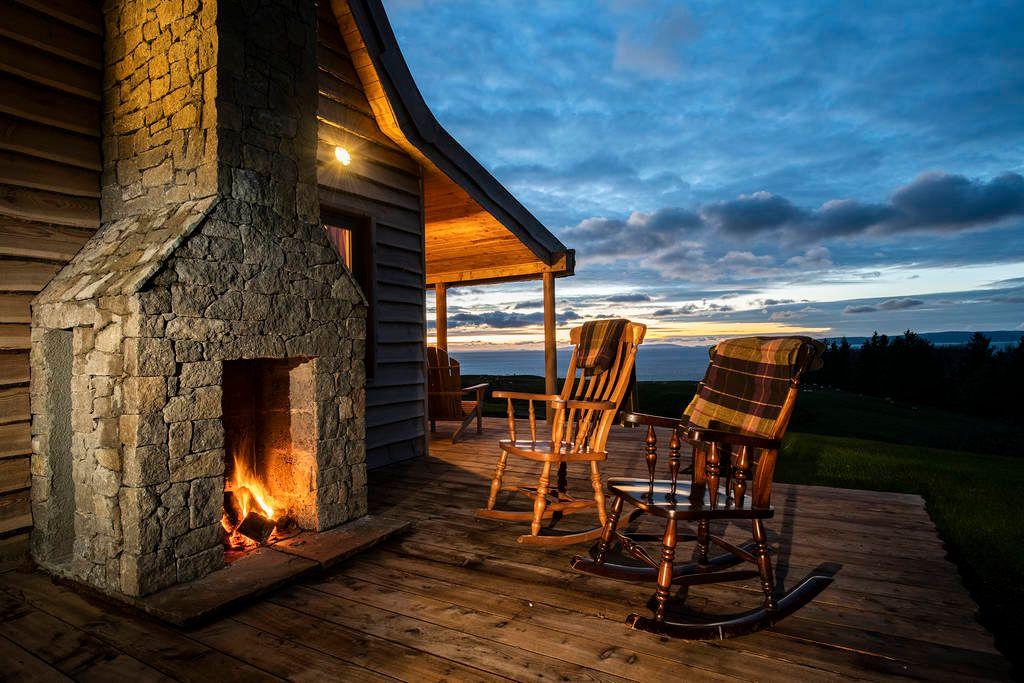
At Bennan Cabin in Scotland, mornings tend to start without much urgency. Maybe a coffee on the porch, a slow breakfast and some gentle debate over whether today calls for a relaxed coastal walk or a boat trip over to the Isle of Arran. By early evening, you’re back at your cosy base and the cabin becomes a little world of your own. Experiment with cocktails using whiskey from the distillery on Arran, enjoy a candle lit dinner at the table with sea views, or bring out a board game and let the competition begin.
Later, grab a blanket and settle into the two rocking chairs beside the outdoor fireplace built into the chimney. With the sea air drifting in, they quickly become the best seats in the house. Guests have even been lucky enough to catch a sighting of the Northern lights on occasion. These are exactly the kinds of atmospheres that create evenings where conversation drifts easily and nobody feels the need to hurry.
Why a little time away can go a long way
Years from now, couples rarely remember the practical details of everyday life. Nobody looks back fondly on household admin. What people remember instead are those small little scenes that broke up the routine.
A nature escape changes the setting just enough for those moments to appear. You might return home with a new running joke that started somewhere along a walking trail, a new favourite cocktail recipe discovered on a rainy evening in a cabin kitchen, or a funny half-remembered story that somehow gets retold every time the trip comes up.
Many couples searching for romantic getaways today are not looking for elaborate itineraries or luxury for its own sake. What they want is space to reconnect. A lakeside cabin, a woodland hideaway or a quiet countryside retreat offers exactly the right space for these shared experiences that become part of a relationship’s growing collection of memories.
You might also like...
Our 10 best wild glamping wellness retreats