Quick Strolls - A Space for Everyone
Welcome to Quick Strolls, shorter walks with the guests from A Life More Wild, in which we look at particular issues and ideas that we've come across in previous seasons.
So many of our guests on A Life More Wild were not only passionate about nature for what it brought them, but saw equal access to the UK's green spaces as vital to their preservation, and felt a responsibility to spread that love as far and wide as they could, whether it started with their own family or a much broader remit.
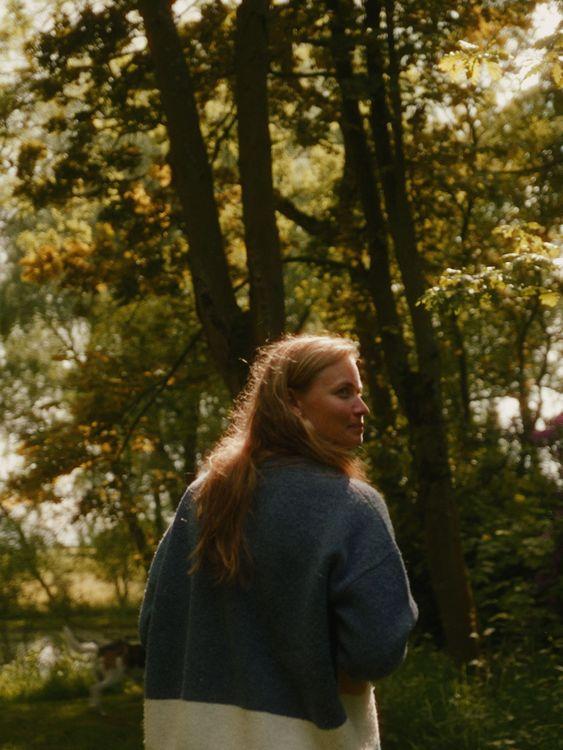
Hiker Athena Mellor, as well as inspiring many with her books and blogs, saw part of her role as a parent being to instil in her daughter a love of the outdoors.
Athena: I want my daughter, Aoife, to grow up with a really deep connection to nature that I'm hoping will mean that she wants to protect it as well. You know, there are so many issues at the moment with climate change, and she's a little bit too young to talk about that too much, but we do have quite a lot of books on things like plastic pollution and that kind of thing. And I'm really, you know, hoping to talk to her about that more and more in the future, and for her to understand that while we love these places, we also have a bit of a responsibility to look after them. Well, a huge responsibility to look after them, and I definitely want to pass that on to her. Yeah, I hope that she keeps on developing this love of the outdoors and a connection to it, and that we can teach her how important it is to look after it as well.
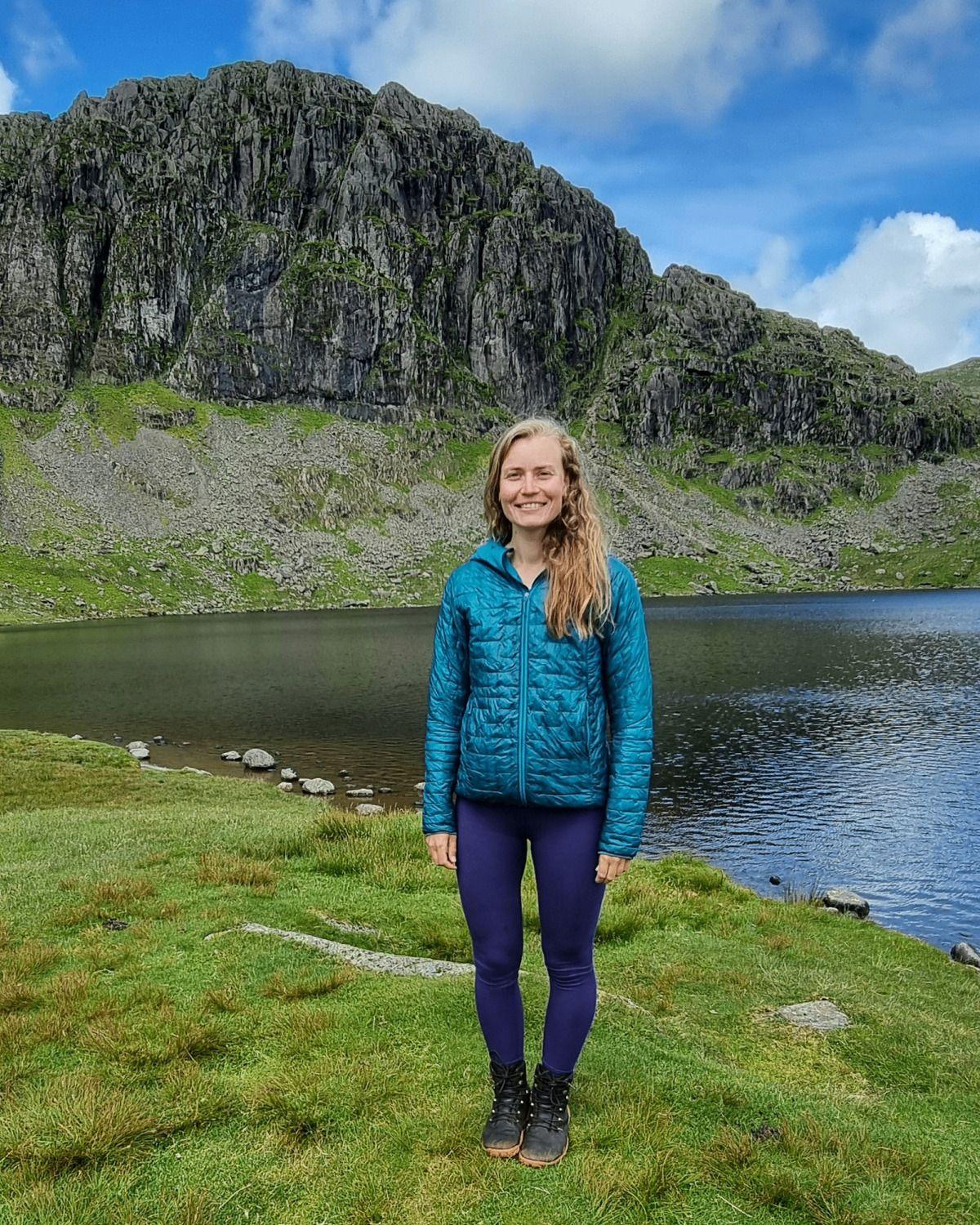
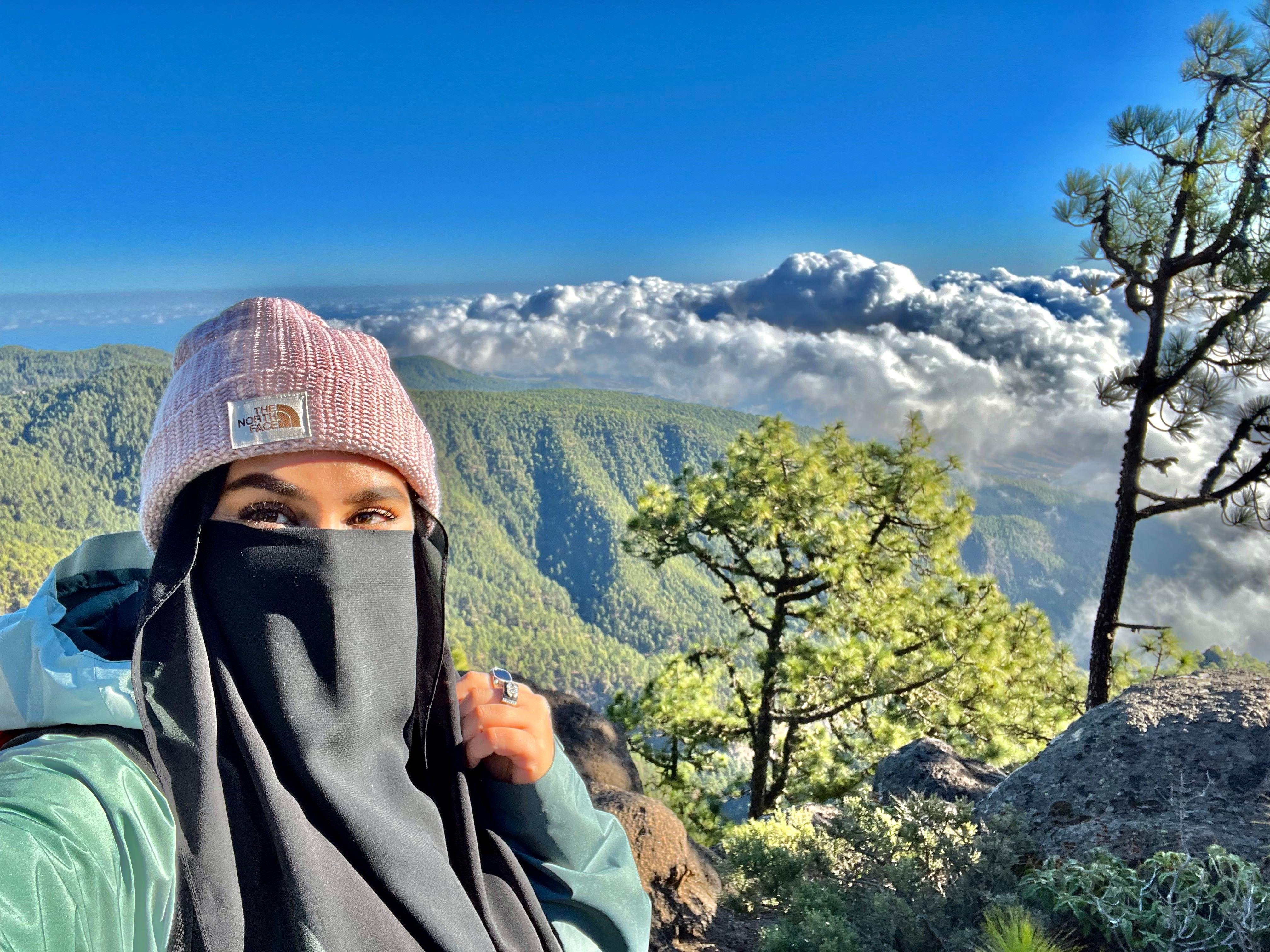
Then there was Amira Patel, founder of Wanderlust Women, who was keen to show a marginalised community that nature was also for them.
Amira: I mean, there is definitely a confidence issue, but I think there are other things, societal issues that make people feel like something isn't for them, or the outdoors isn't for them. Because if you don't see, if you don't see it, then you're not going to feel like you can be it. And if, for however many years, up until, you know, now, if the representation hasn't been diverse or inclusive, if they have not been able to see people that look like them represented, then they're going to feel like that. That it’s not for them. That is one of the biggest barriers is, you know, not seeing people look like you represented. And then I think after that, it's things like, not being brought up with doing a certain activity, and not knowing resources, education. And then you know, access to a lot of the places. These women are from different areas, inner city areas, so they've never actually left those areas. So, you know, going into a place which is unknown, that can be a barrier, kit can be a barrier, transport can be a barrier.
A lot of the times people say, oh, but no one's saying you're not welcome here. And our argument is that we're not saying, that you're saying, we're not welcome here. But the microaggressions and the physical barriers there are, you know. If you're going into areas, which are typically where you're not going to see anyone that looks like you, then you know that, again, is a barrier. So I think it's just having access to those things, and having that gateway. And I think a group, you know, the groups have emerged during lockdown, have been so great because they've been a gateway for people.
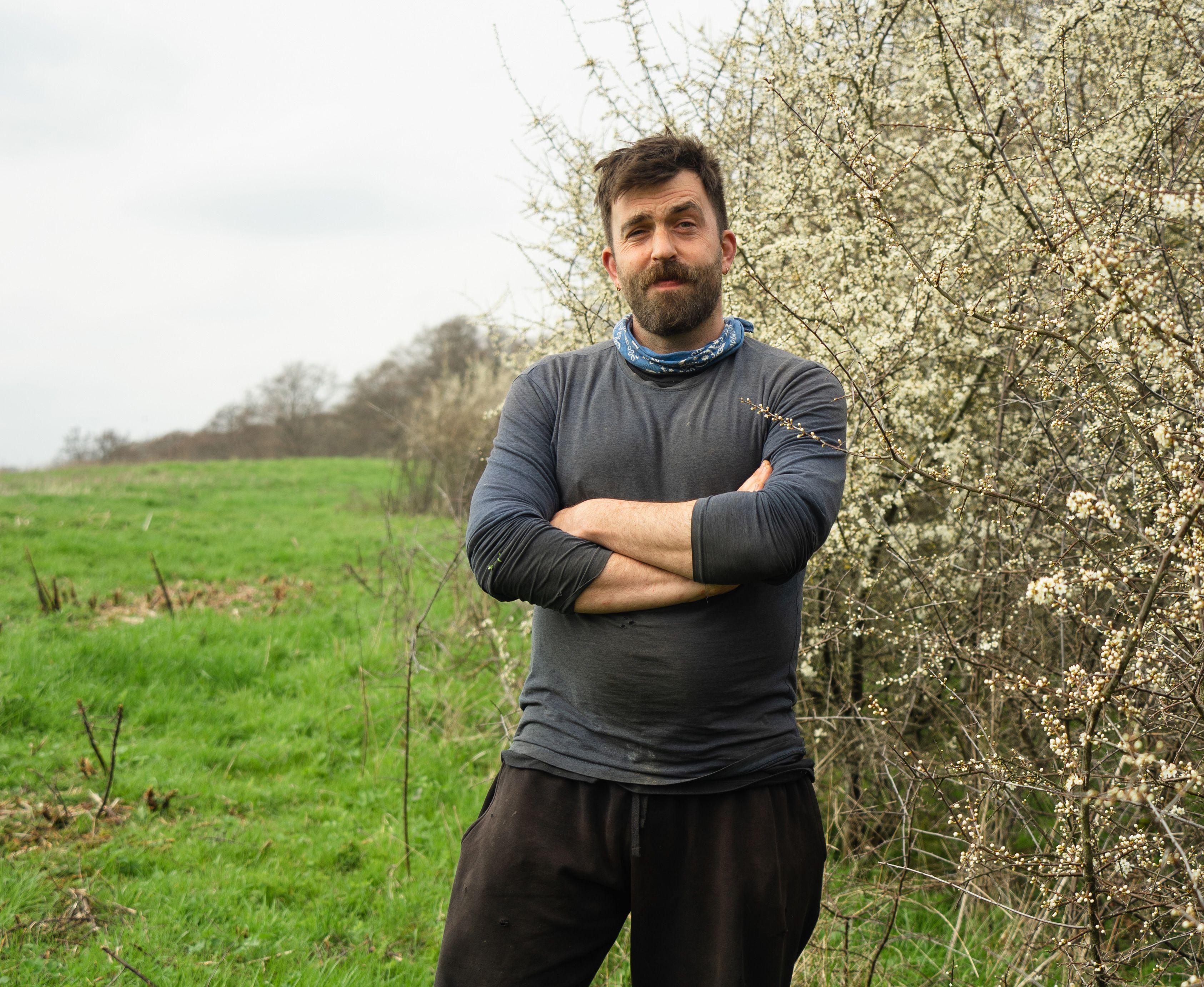
But writer, artist and activist Nick Hayes had a slightly different take. Nick was central to the launch of the Right to Roam campaign. Having written The Book of Trespass, he saw community contribution and engagement as the key to saving the natural worl
Nick: Well, I guess success for our campaign means a full right to roam. So the right to be able to swim or kayak or paddleboard in your rivers, the right to wild camp responsibly in places that are far away from people's dwellings in England's beautiful open spaces. That's what success would look like. Then it would actually get us to a stage where we could then start campaigning for its improvement. You know, whether that means rewilding, or what we're more kind of keen on is that idea of re-commoning, like you can rewild an area of landscape. But by and large, how that translates in England at the moment, is further exclusion of the public. But if you want that to be sustainable, you really need the community, the local community, to be involved in that rewilding. And for that, obviously, they need access. They need a certain degree of autonomy, to be able to connect in their own way to the nature around us.
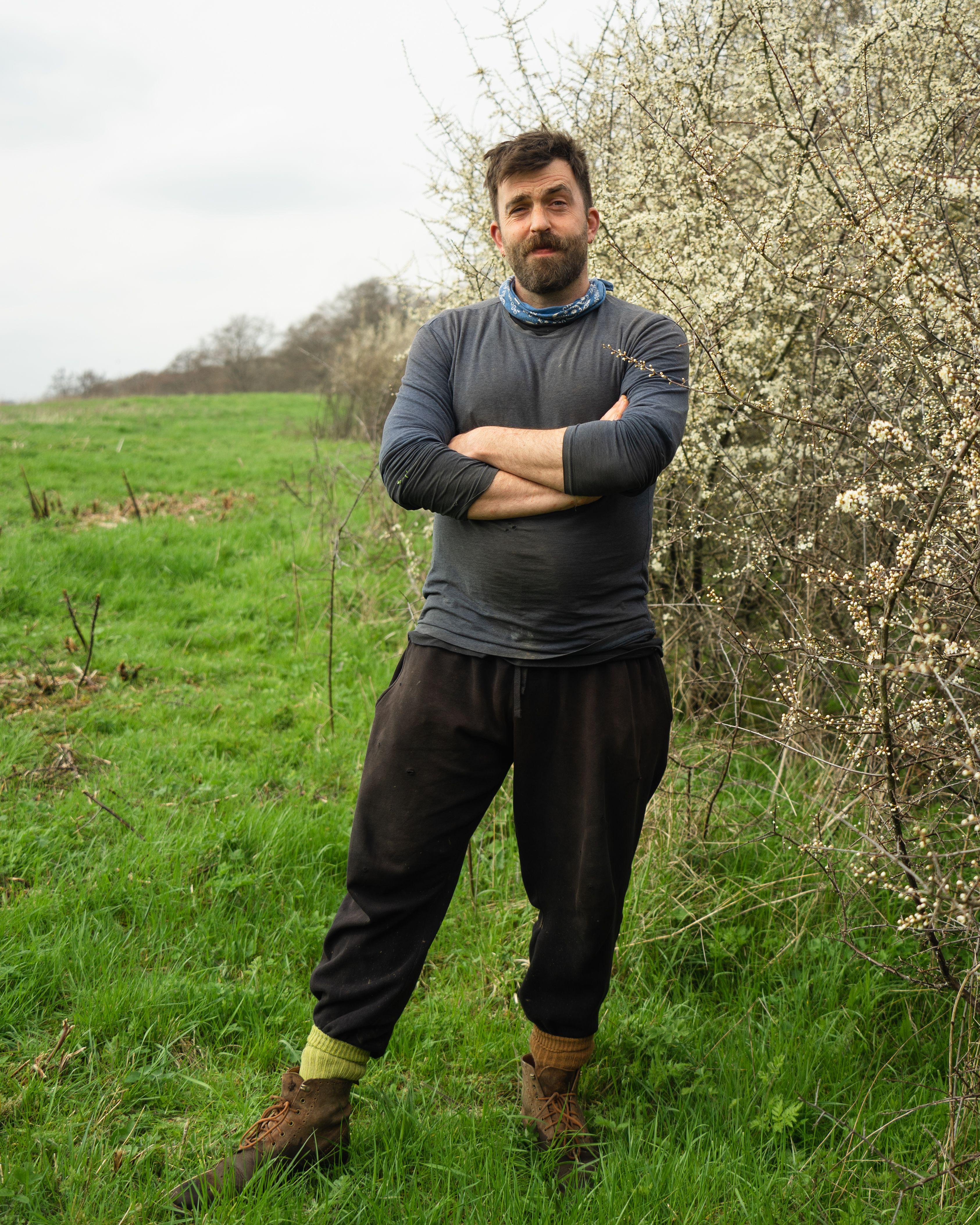
As we sat on a hillside having jumped a fence onto privately owned land to be in the shade of a stand of trees. Nick summed up what access really means, connection, care and more voices joining the fight.
It's not just that people are able to access the outdoors. What it also allows for is people to understand what land workers are actually doing. And our point is that, how can people be asked to care that the Linnet is down 59% since the 70s, or that the Nightingale is teetering on the edge of extinction, if you've grown up without ever having heard the nightingale? So what we want, what we need is for people to be able to access and connect to nature, to really start to care about it on a visceral level.