
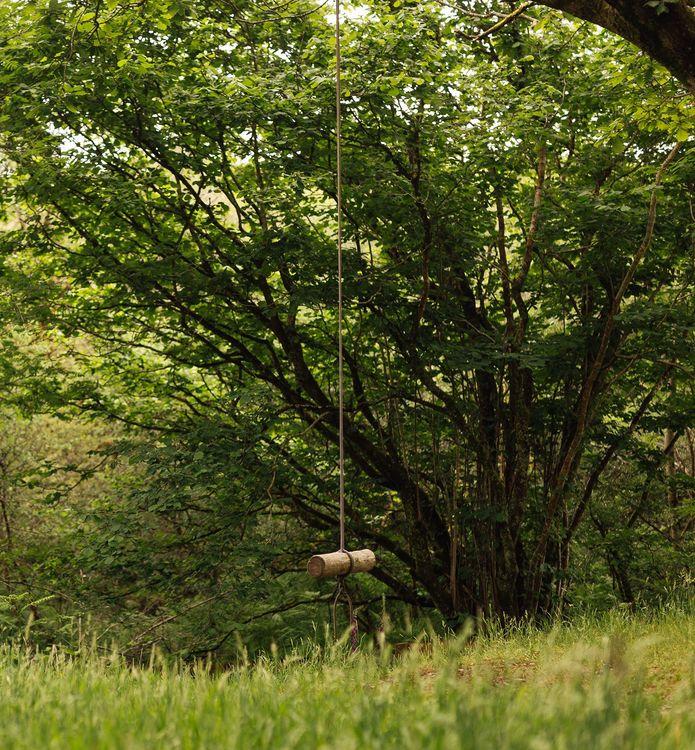
Why we need play: what we can learn from children in the outdoors
Written by Beth Tingle, April 2026
Read time: 5 minutes
Play is pretty simple when you’re young. If you’ve ever given a large gift to a child, you’ll know that it’s often the box it comes in that seems to inspire more fun than the present. With your imagination, a box is anything you want it to be. A rocket ship, a galleon, a race car, etc.
We don’t really lose that instinct to play. It just gets buried under routines, schedules, and the idea that everything we do should have a purpose. But step outside, especially somewhere quieter, and it comes back surprisingly quickly. The interesting part though, is that we don’t all play in the same way.
Why play still matters
Play isn’t just something we grow out of. In children, it’s how we learn about the world, testing boundaries, building confidence, and figuring out how to interact with others. It shapes everything from coordination to emotional intelligence, often without us even realising it.
For adults, the benefits are quieter but just as useful. Studies suggest play can boost creativity, improve resilience to stress, and increase overall wellbeing. It’s also linked to healthier habits, more movement, and a greater sense of curiosity. In short, it gives your brain a break from being useful all the time, and that tends to make everything else work a little better.
What kind of player are you?
According to Stuart Brown, founder of the National Institute for Play (yes, this is a real thing), we each have a different “play personality”, a way we most naturally slip into that state where time disappears and we’re doing something simply because we enjoy it.
You might be a mix of a few, but one usually stands out. And once you recognise it, it becomes much easier to find your way back to play, especially in the right setting. See which of these feels most like you when you’re outside. You’ll know it when you see it.
The Explorer
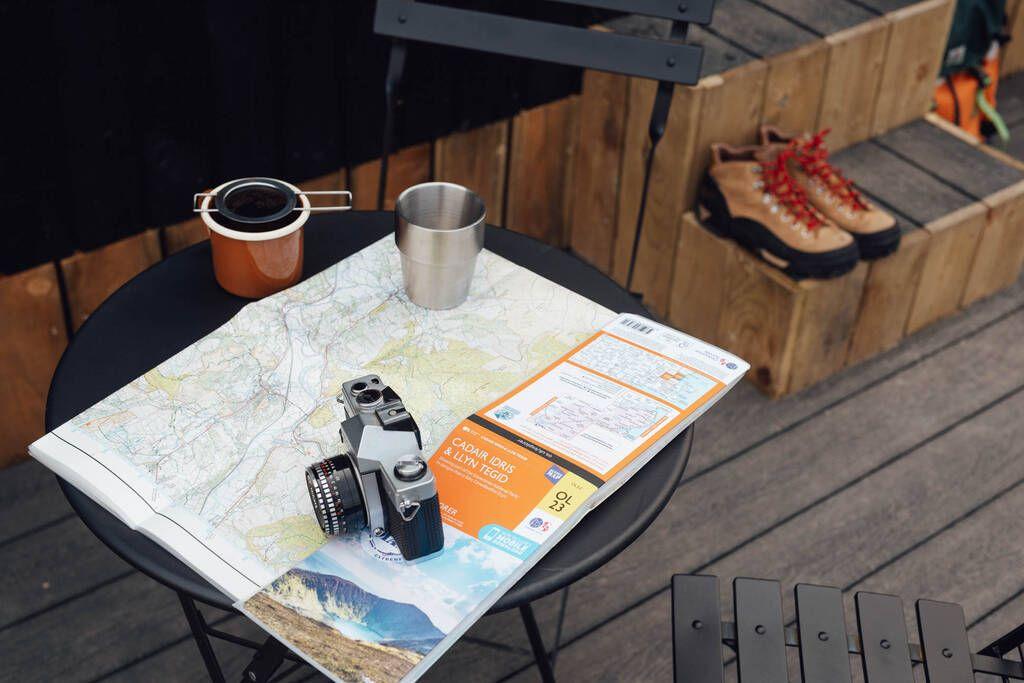
You’re drawn to what you haven’t quite figured out yet, and places where you can keep discovering new corners, routes, or perspectives the longer you stay. A path you haven’t taken, a coastline you haven’t walked, a turn that wasn’t planned. For you, play comes from discovery and the small thrill of not quite knowing what’s next.
Outdoors, this might mean wandering without a route to places that feel a little off the map, following a river just to see where it leads, coastal paths with hidden coves, or heading out early to experience a place before it wakes up. You don’t need an itinerary, just enough space to let curiosity take over.
Best fit stays: Remote cabins, woodland sites, places with walking routes, wild swimming spots, and landscapes that reward getting slightly lost.
The Storyteller
You experience places through feeling and imagination. A landscape isn’t just something to look at, it’s something to sink into. Atmosphere matters, and so does time.
Outdoors, this might be long, meandering walks, slow mornings, evenings by a fire, or simply sitting somewhere long enough for your thoughts to drift. You’re not looking for activity, you’re looking for immersion.
Best fit stays: Treehouses, cabins with views of dramatic landscapes, and cosy spaces that invite you to settle in and stay awhile.
The Kinesthete
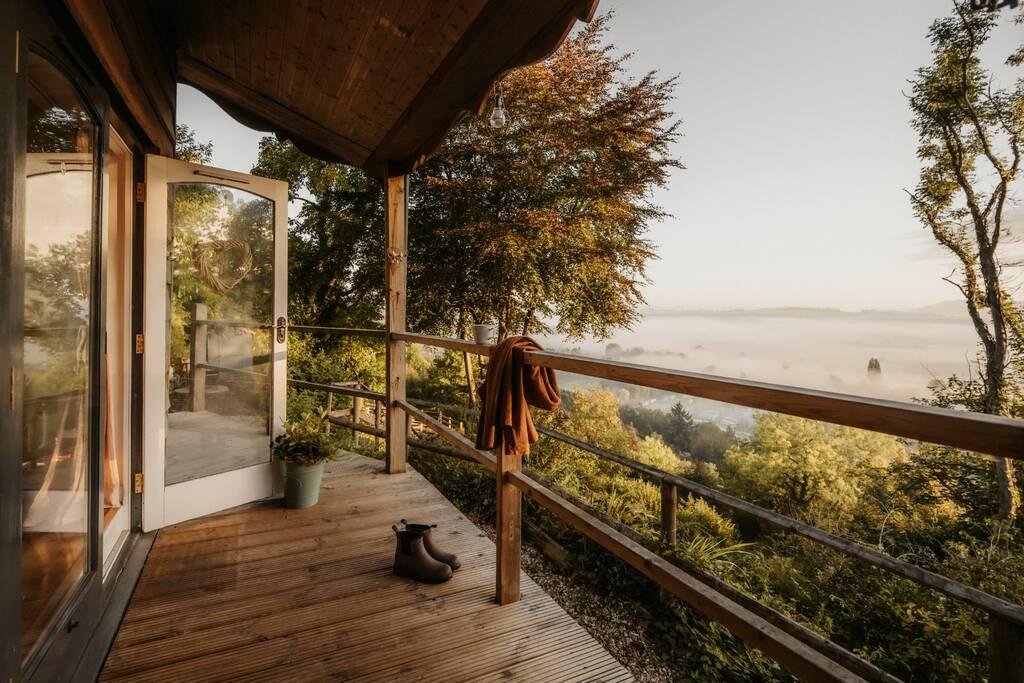
Kinesthete’s are people who like to move. Sitting still rarely feels like rest, but being in your body does. Play, for you, is physical, rhythmic, and often a little bit energising.
In the outdoors, that might look like long walks, swimming in cold water, climbing, stretching, or even just the simple act of moving through a landscape without needing to be anywhere specific. It’s less about achievement and more about the feeling of movement itself.
Best fit stays: Places with space to roam, lakes or rivers to swim in, hills to climb, and open landscapes that invite movement.
The Creator
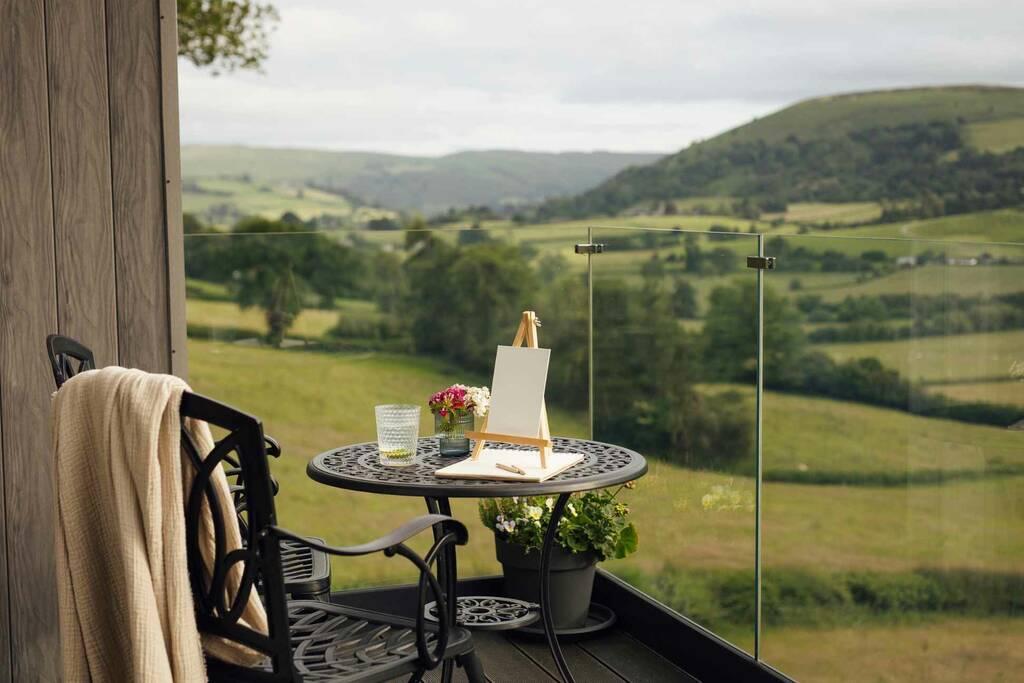
For you, play is about making something. Not for an outcome, not for an audience, just for the quiet satisfaction of doing it. You enjoy shaping your surroundings, even in small ways.
Outdoors, this could mean cooking a new recipe over a fire, sketching a view, pressing flowers into a notebook, building something simple from what’s around you, or even just combining ingredients you found locally into a meal that feels tied to the place. It’s a slower kind of play, one that rewards time, attention, and a bit of experimentation.
Best fit stays: Places with fire pits, foraging opportunities, workshop style spaces, or environments designed for slow living and creative downtime.
The Collector
You notice what others might miss. Small details, subtle changes, patterns, textures. Play, for you, is in observation and quiet discovery rather than big moments.
Outdoors, this might mean spotting wildlife, identifying plants, foraging, or simply paying attention to how a place shifts throughout the day. The more time you spend somewhere, the more it reveals.
Best fit stays: Biodiverse locations, woodlands, coastlines, and places rich in small details where there’s always something new to notice.
The Joker
For you, play is about lightness. It’s laughter, spontaneity, and doing something slightly pointless just because it’s fun. Structure isn’t the goal, enjoyment is.
Outdoors, that might mean turning a walk into a challenge, racing to the water for no reason, inventing games as you go, or committing fully to something slightly pointless like seeing who can skim the best stone. You lean into moments rather than planning them.
Best fit stays: Sociable group friendly spaces, open areas with room to move, lakes or rivers for jumping in, places with outdoor games, fire pits, and enough freedom to be a bit noisy, messy, and unstructured.
Wherever you play, just do it
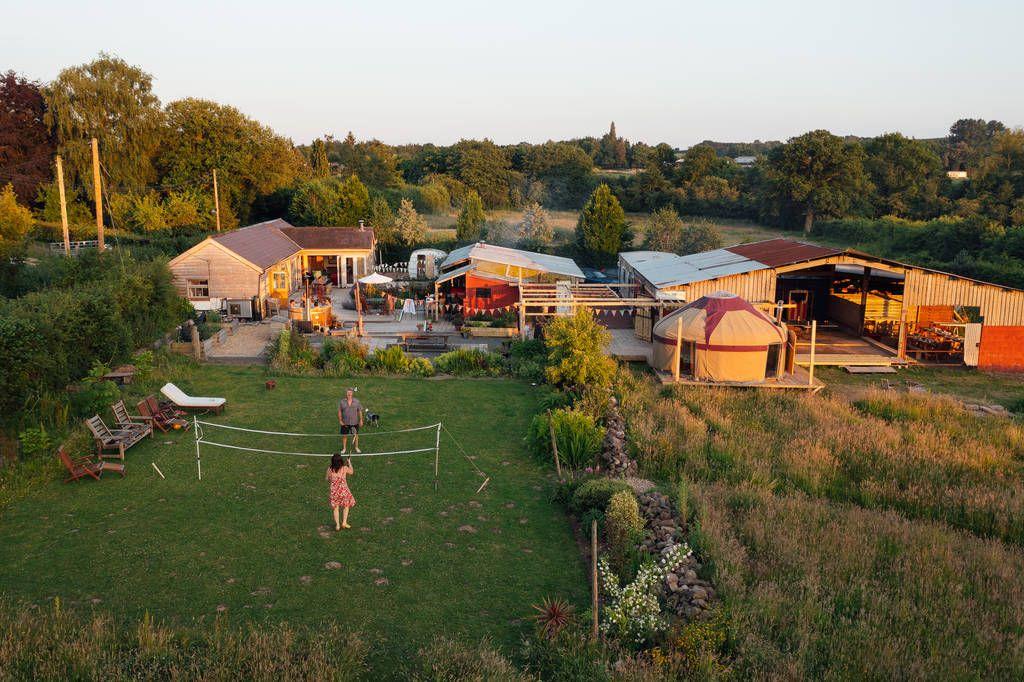
Play is a mental holiday. It’s doing something for the sake of doing it – because we enjoy it, not because it’s productive, or valuable, or even self-improving. We need play for perspective, to tap back into the simplicity of childhood for a second and return to our normal lives a bit fresher for it. It takes the brain down new paths and gives us a little jolt of happiness and freedom.
You don’t need to relearn how to play. You’ve done it before. It’s just a case of recognising what draws you in and giving yourself the space to follow it again.
You might also like...
Five outdoor activities that aren't just for kids