A Life More Wild - Series 6, Episode 4
Emily Chappell on winning the Transcontinental, crying with joy on the streets of Paris and learning how to enjoy non-extreme cycling
Endurance cyclist Emily Chappell, winner of the 2016 Transcontinental, a 24-hour mountain bike race in Scotland and countless others, has covered most of the globe on two wheels. But cycling has opened up the world to her in a less literal way too.
When I was back in my courier days, I'd sometimes meet people in cafes who were serious cyclists wearing lycra. And they would talk about, you know, the Galibier, the Tourmalet. And these were all just like magical names to me.
I'd seen them in the Tour de France and I didn't know how you would get there to ride up them or, you know, what it would be like or if I could. It was a very vague kind of inaccessible thing. And now I know them really well. Now I've, you know, I've been at the Tourmalet in all weathers. I've been up there in the snow. I've crossed the Galibier before it was open. And it's been this kind of big part of this big progressive opening up of the world to me that I've had since I started cycling.
I'm Chris from Canopy and Stars, and this is A Life More Wild. Join Emily now on a ride from her new home in Kendal. She talks about sleeping in fields, shining a spotlight on the Women's Tour de France, and learning how to enjoy riding less than a few hundred miles.
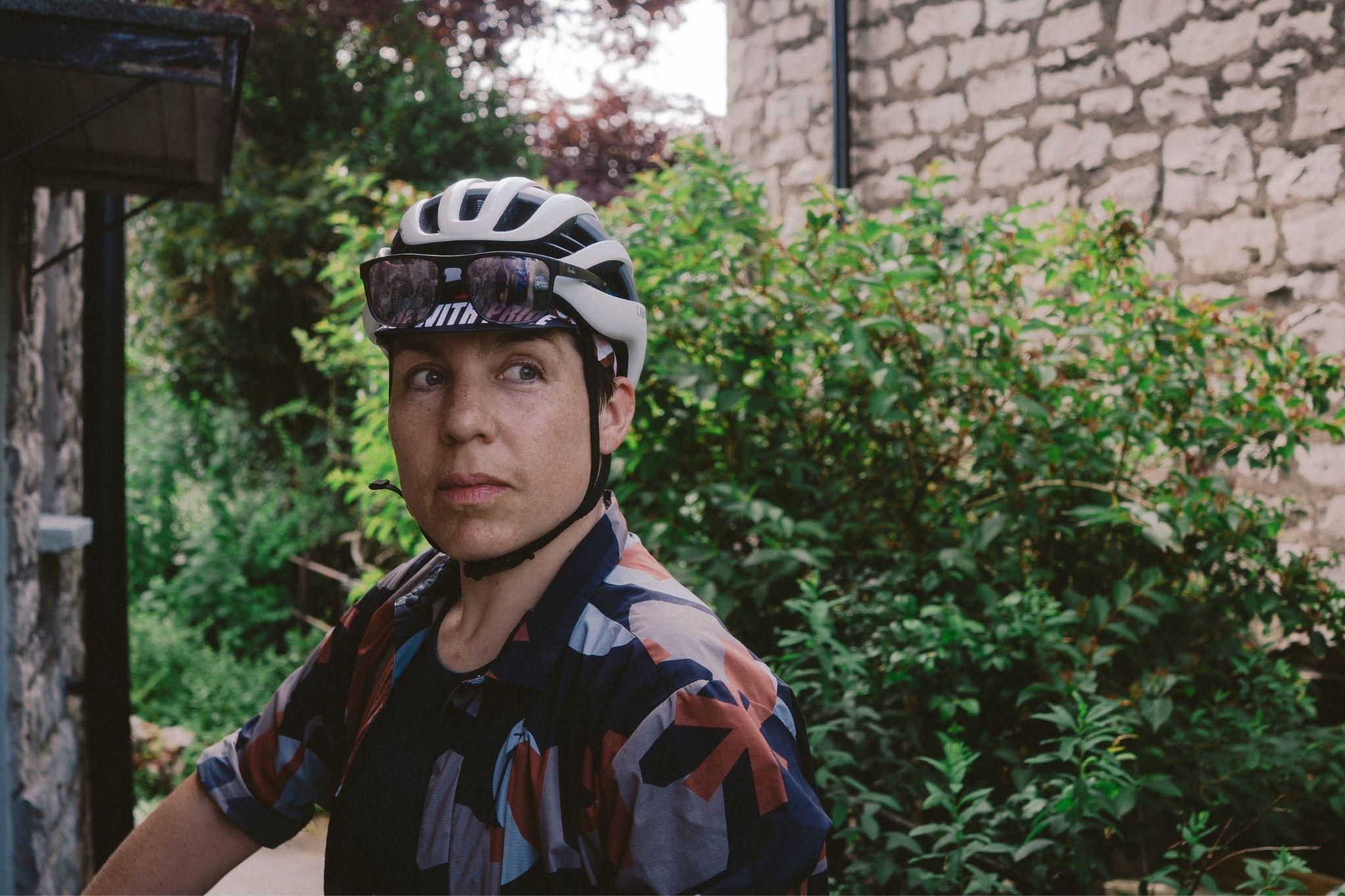
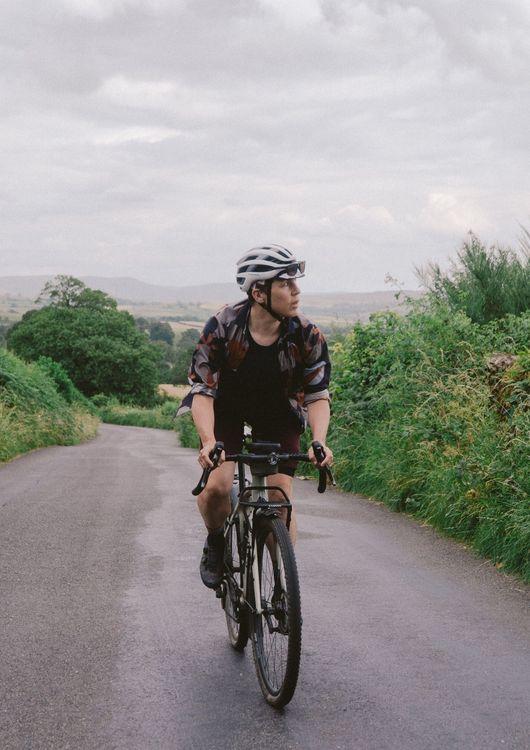
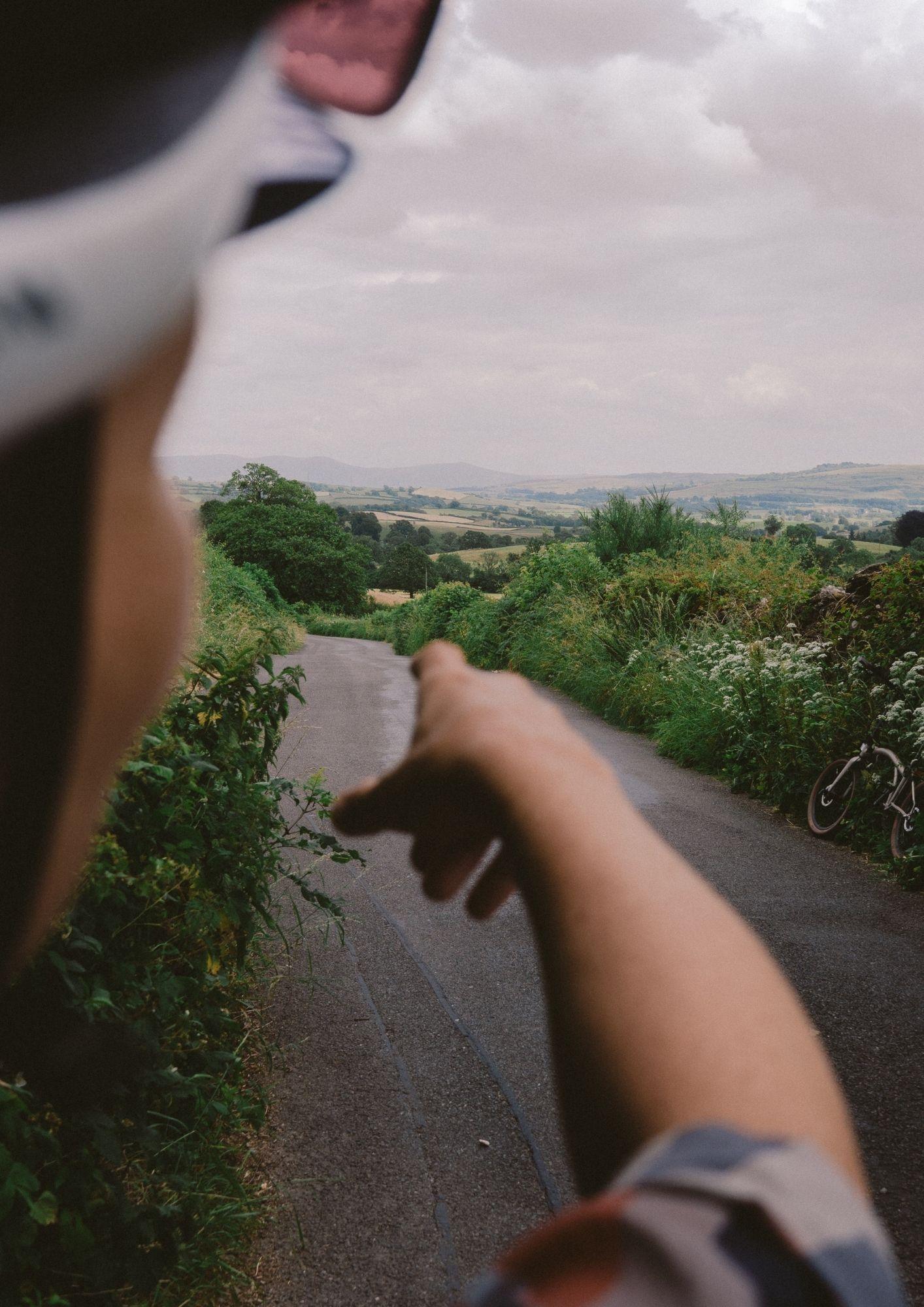
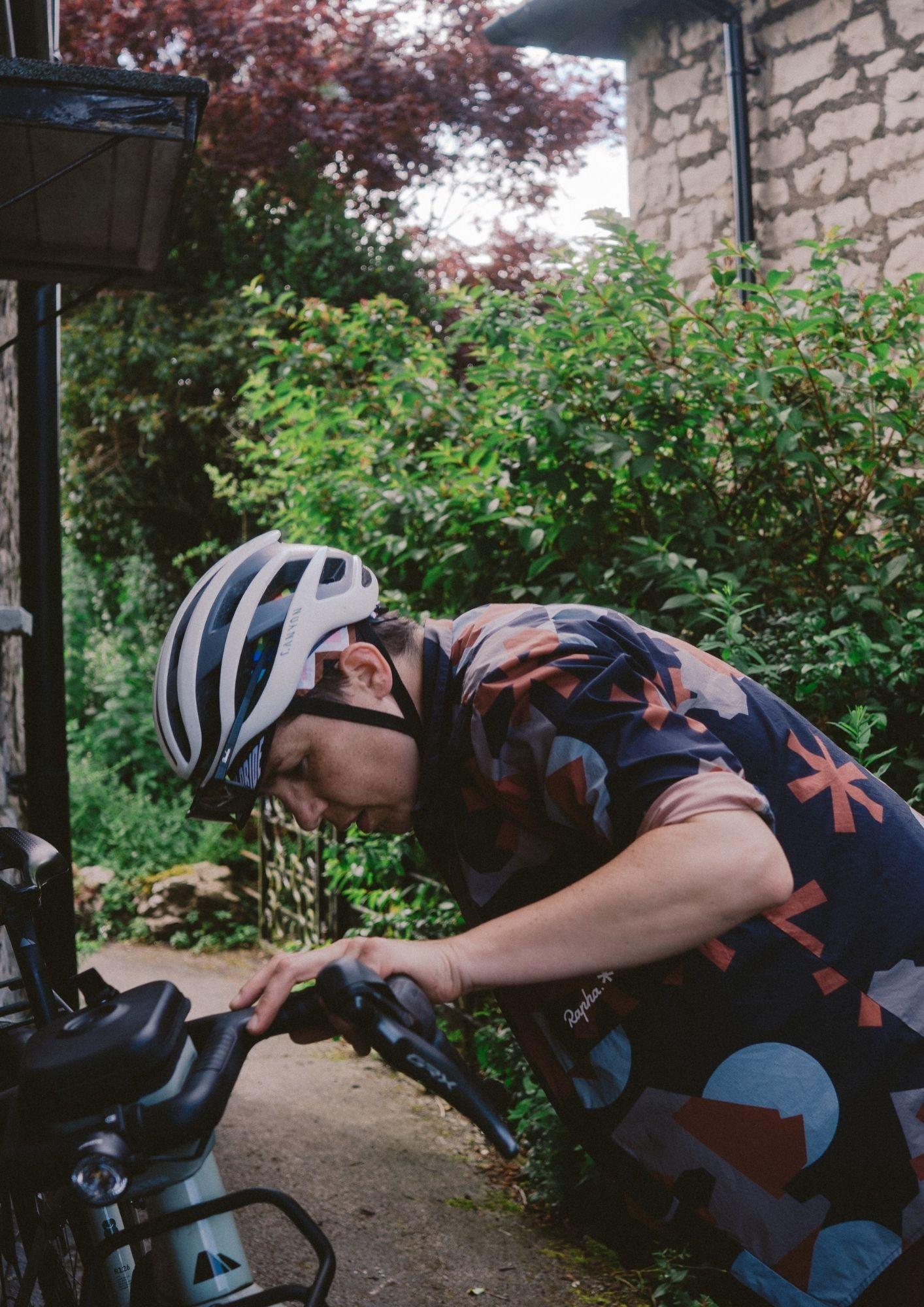
So at the minute, we're standing outside my house, my very new house, just on the edge of Kendal in the Lake District. And I've lived here for, I think it might be almost three weeks now, but it still feels very, very new. The house is still full of unpacked boxes. And I'm still getting to know the local roads and hills very much. And I'm really happy here already.
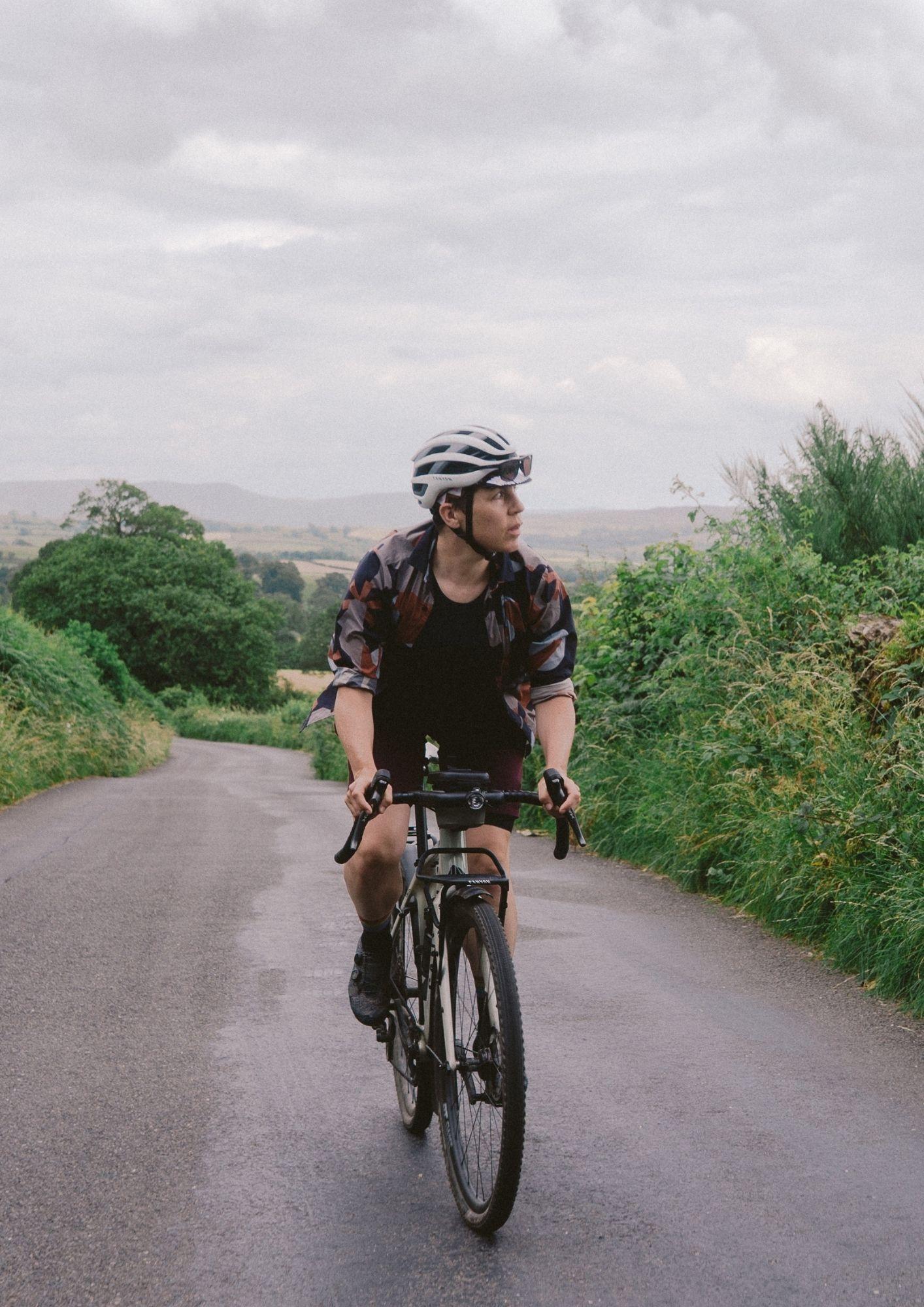
So on every horizon in between the houses, I can see fells. And I can see hilltops and I can sometimes even see roads that I'm going to cycle up. And the place is full of trees. There's birds everywhere. I’m really, really enjoying having all the birds around. From my desk, I can see the house next door. There's a drain pipe and there's a couple of little sparrows who are building a nest above it. And I'm just, you know, keeping an eye on them. So today I'm going to take you on one of my little loops that I do, you know, if I've got a lunchtime free or an evening ride. I don't know the area super well yet. I've spent a lot of time here and I have done cycling in the area, but of course I'm not an expert. So this is, I think, quite a predictable route that a lot of people will do out of Kendal, just up to the nearby town of Staveley, which is about five or six miles away.
So I think I'm... known for winning the Transcontinental race in 2016. And it's funny, I don't want to do myself down. I'm very, very proud of it. But I also find it quite strange that everybody is so interested in that because it was just one of many, many, many things I've done on the bike and many ways in which I've been interested in cycling. And it was, although it's not by any means the most memorable or exciting thing I've done, it was amazing. It was really, it was two weeks, almost two weeks of just me on the bike on my own, travelling, being awake most of the time.
I slept four hours a night and taking myself to various, you know, physical and emotional extremes. But also by that point, I knew what I was doing. I'd done a lot of long distance cycling and I'd had a false start the year before where I'd entered the same race and not completed it. And I had, as much as anyone ever could, kind of figured it out. And I knew how to look after myself. And I knew how to do this riding across a continent thing. You know, my memories from the inside of experience are great. And then also, yes, I find it weird that people are so interested in it. But obviously, I'm quite proud. You know, I won the Transcontinental. And it's nice to be able to say that. And it was nice to be congratulated on it and to feel like someone like me who...was not always athletic, had just undeniably won a major race. And I felt, you know, proved myself.
These days I'm doing a lot less long distance cycling because I had long COVID for a few years. And so that really stopped, I think, my ultra distance career, such as it was. And I've had to relearn, you know, how to go for bike rides because for a long time I could still ride, but I couldn't go out. So I had to really do a lot of work to sort of refocus my relationship with it and think well, what are all the other things I get out of cycling, you know? It's exploration it's seeing the countryside and getting to know the world around you and seeing different roads on different days, or the same roads on different days and seeing how they change and all of that, and it's uh you know, we all talk about headspace and uh, how much it does for your happiness, your mental health and all of that, and that's you know, it doesn't even feel like much if you just go and turn your legs around for an hour / an hour and a half I used to think it doesn't even seem worth it really, I mean what's the point if I'm not smashing it, but it really does make a difference. The rest of the day is different if you've been out on your bike, even for a little while.
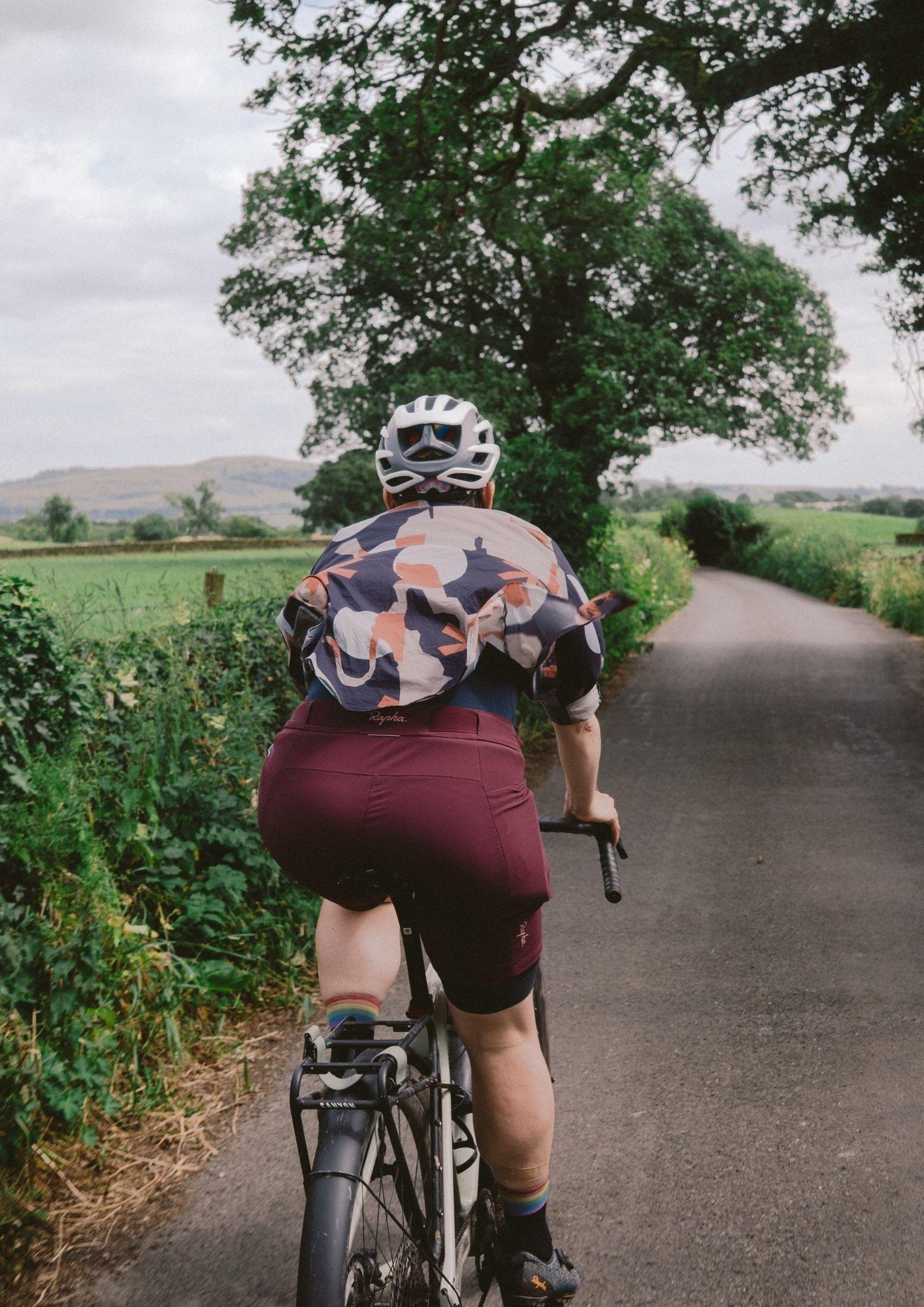
Right, so we're going to get on the bikes now. And we've got a little bit of cycling out of town to do. It's probably going to take us four and a half minutes, I would say, along a main road. And when I say a main road, I don't mean Lower Thames Street. It's going to be pretty quiet, pretty chilled. And then we turn left onto a country lane. And after that, we're not really going to see very much traffic. And we'll just have fields, blossoming hedgerows, birds. There's definitely a little mouse who's going to cross our path because she has crossed my path every single ride I've done out here so far. So we might see her as well.
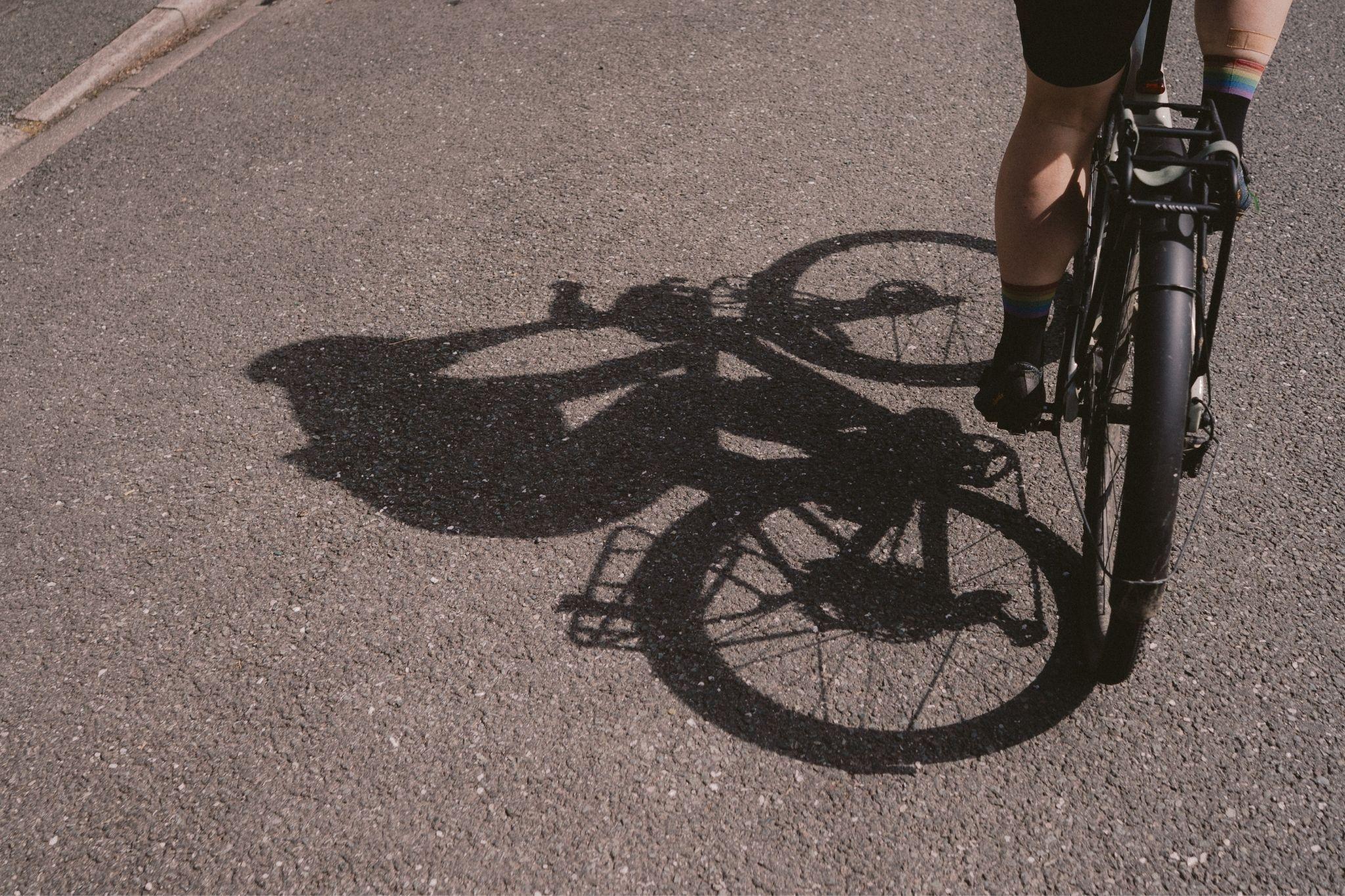
I sometimes feel kind of lightly confused by the fact that I'm still somehow known for winning races when I only did that a few times for a short while. And I think about, so what does cycling mean to me? What is it that I am, you know, what sort of cyclist am I? What role does it play in my life? And one of the things is, it's a way of getting to know the world really well, in great detail. Be that, you know, these new lanes in a place I've just moved to or the hairpins of the Golibye.
So we've just pulled over. We're sitting on a little bench beside this lane. It’s really lovely, actually. I've never stopped here before. I've just seen it. I came past yesterday evening. There were a couple of people sitting here and I thought, well, that seems like a nice place to stop. And it's clearly a bench that has been built in memory of someone called John Bainbridge. There's a little plaque for him. He looks like he passed away in 2001. And it's a nice, solid little stone bench that's built out of the wall and a perfect place to just sit and have a look at things.
You know, here we are on this beautiful country lane with no traffic for at least the last five minutes and hillsides and fields all around us. But I fell in love with cycling in London and I didn't even really cycle outside London for years. So it was just after I finished university and I was a bit lost. You know, I didn't have a good job or anything. I didn't have friends properly. I was really finding my feet and I was a bit sad. And cycling. just I think came along at the right moment. The joy of commuting by bike wakes you up in the morning and by the time you get to work you're alert and happy and feeling positive and really annoying all your colleagues and then in the evening it just provides this lovely, you know, you decompress from the day. You leave it all behind, and in my case it was I think a couple of weeks after I started, the clocks changed, and I really remember that because all of a sudden I had an extra hour of daylight in the evening and it really felt like suddenly the world opened up. So rather than just riding home, I'd just go and ride around London and explore all these places.
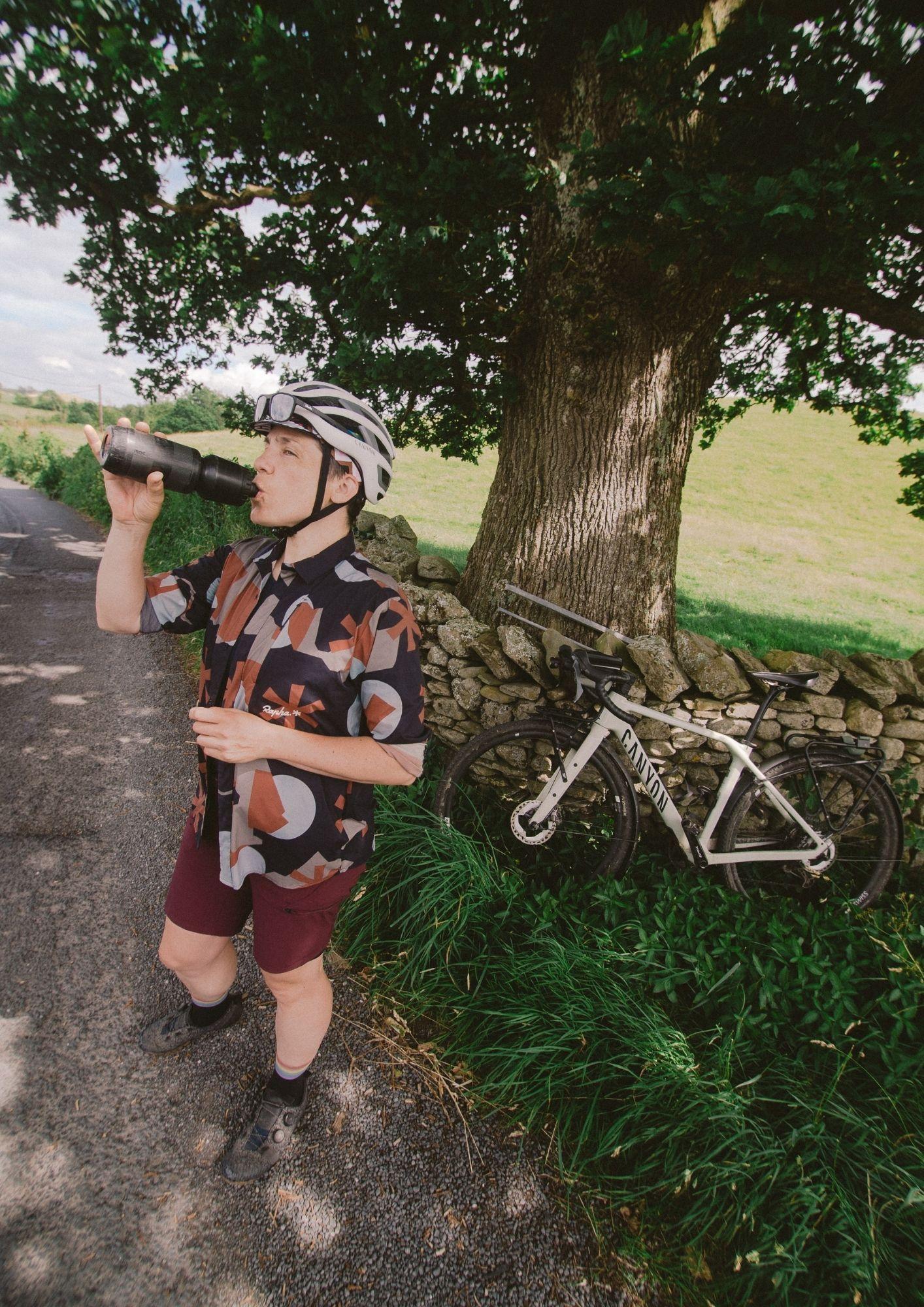
And I remember, something I did was I would just launch myself in a particular direction and ride until I didn't know where I was. And then I would turn around and just try to navigate my way back until I was in a place I recognised and could find my way home. And, you know, I wasn't really learning very precisely where everything was and how to get everywhere. But it was fun and interesting. And I'd found the city very daunting to start with. I mean, I grew up in the country and I'd lived in a small market town for university. So London was too much. I mean, I still think London is a bit too much for most people. But suddenly on a bike, I could navigate it and I could understand it.
And I did start to learn how it all fitted together. And all these complicated journeys I'd been doing by tube, I realised, oh, you can just ride from there to there. It's really easy. You just get on your bike and go wherever you want. And you don't have to wait for the bus or wait for the train or, you know, getting home from friends' houses late at night. I spent so many evenings, you know, somewhere like Fulham or Putney, waiting for a train that took 15 minutes to come and then you're on it. Then you've got to walk home and you're tired and maybe a bit drunk. But actually with the bike, you just get on the bike and go and then you wake up because the fresh air and the pedalling revive you. So it was this immediate wonderful addition to my life and I was instantly happy and I was instantly really into it.
And my first big ride, I think was about a month in, if that, and I rode with a group who are now called the Fridays. They used to do a thing called the Friday night ride to the coast. And yeah, we met at Hyde Park Corner at midnight and we rode to Brighton for breakfast. It was so good. I had thought, I don't know if I can do this and it'll be scary and it's a long ride. And also, what if I fall asleep? And what I hadn't realised is that as soon as you get going, you're awake. The fresh air, the movement of the pedals, and riding through the night is lovely. You've got the whole world to yourself. It's magical. And then we arrived, you know, we've got up Ditchling Beacon, which is a big hill and we arrived at sunrise. And what a thing to do. And for someone who at that point did not feel capable, did not feel confident, had not physically explored the world or even her own body. This was just…mind-blowing and groundbreaking and this really was like the beginning of how i was going to spend my adult life.
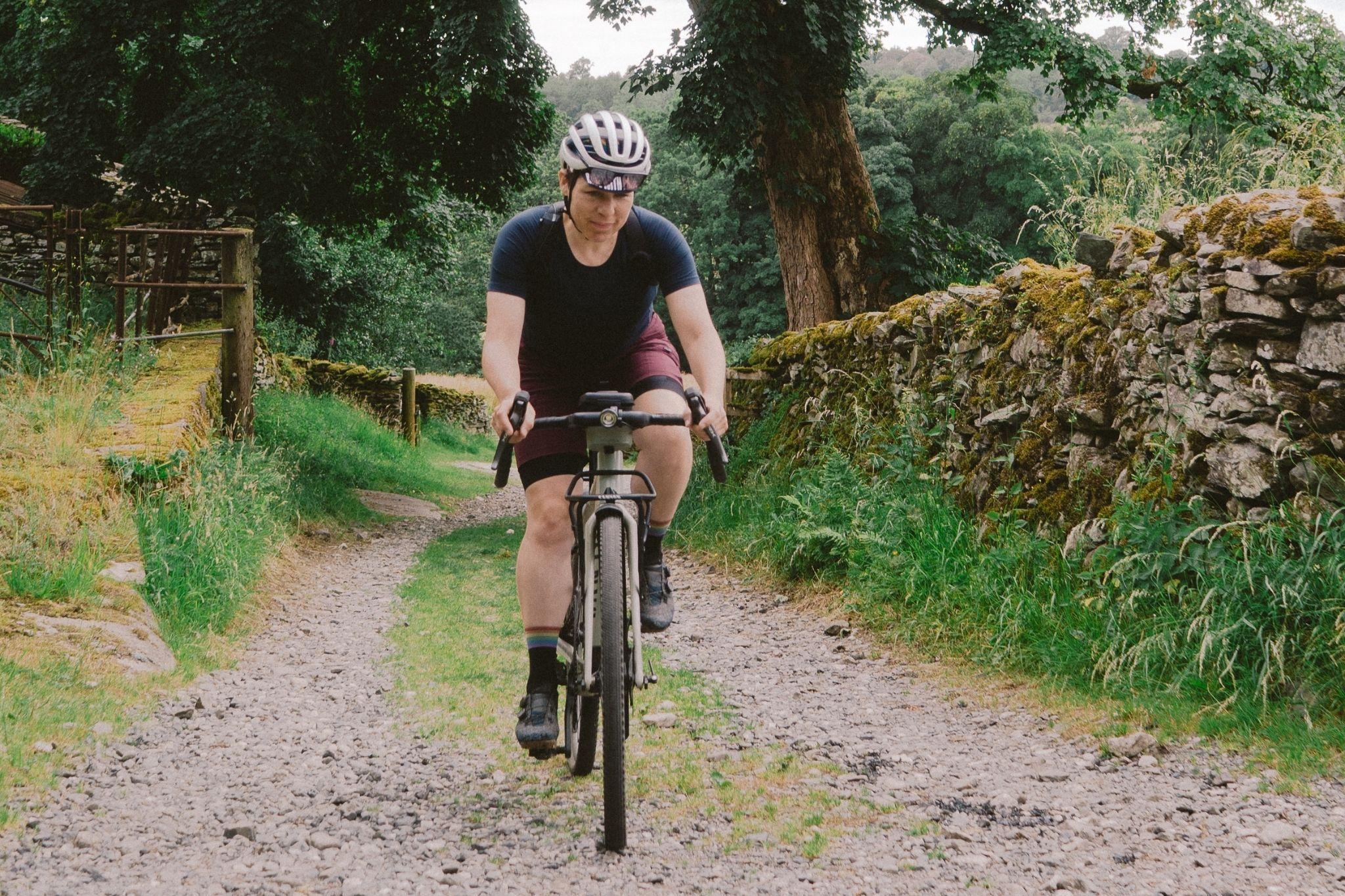
Oh, yeah, I think just straight up here. Lovely old barns. All these this queen of the meadow is, uh, is lovely. It's um, down south it would be out a lot earlier, and it reminds me of um, I think it was actually the first year, maybe the second year i was cycling and I spent a weekend once riding north out of London and just riding through beautiful, beautiful countryside, like in late May with all the blossoms out and the the meadow flowers and all of that, and I spoke to my father that evening and just enthused about it, and he said “you do realise that's why we called you Emily May?”, because May is my second name, “because it's the most beautiful month of the year, and you know, you were our first daughter and we just we wanted to name you after something we really loved.” And I'd always hated my middle name because I was born in March. So my parents couldn't even get the month right. And I suddenly understood and I suddenly got it. And now whenever I ride in May, it makes me really happy. I think, “this is this is me.” I was named after this. This is something my parents really loved and decided to commemorate in my name.
Right, so let's leave the bikes for a bit. If we go up here, I think we might get a bit of a view from the top where the footpath starts. So I originally got into the Tour de France. I don't even know when. I mean, as far as I'm concerned, I've always been into it because my father and my family watched it when I was young and still do. We're all obsessed with it. And just that whole... you know, it's part of the folklore of my family. And I can remember where I was when Contador and Schleck were going up the Tourmalet, and Philippa York was winning on Col de la Barnette. And then alongside that, there were women doing it too and no one told me. So... when I got into cycling in 2006, when I was riding to Brighton, pretty much that same month, a woman my age from Wales, Nicole Cooke won the Tour de France or the Grand Bourg Feminine, as it was then. And she famously, but not famously enough, launched a massive breakaway on Mont Ventoux.
She was already in yellow, she didn't need to, but she broke away and stayed away for the rest of the stage and it was this iconic ride, and there is like one photo of it and no one told me, I didn't know. I feel guilty for not knowing that, like there literally was a women's Tour de France and people my age were racing in it. And there I was fantasizing about. You know, imagine if I was a man and I could ride in the Tour de France. And we didn't know. And then years later, many years later, I was on a tour through Canada. And just by chance, I met a woman called Denise Kelly, who lives now in a small town. central British Columbia and someone introduced her to me, because I was cycling and she had recently retired as the coach of the Canadian cycle team and we got on well, and she said yeah I used to race, I raced in the Tour de France in the 1980s, and honestly I almost fell off my chair because she was in the Tour de France when it was actually a women's Tour de France and she was racing, you know, on the same roads as Laurent Fignon.
And, you know, had photos of him. They were there. The women were racing on the same day as the men. And we went out the next day and, you know, had a beer and she showed me all her old photos and her memorabilia. And honestly, I feel very emotional when I think about this too much because it was happening and no one told me. I was a little girl in Mid Wales, sometimes going for bike rides. And I had a full fantasy about riding in the Tour de France when I grow up. I will have to pretend to be a man. I will call myself Emile Chapelle. You know, nobody will guess. I'll have a little moustache. I had some vague idea that I would sort of, if I had breasts by then, I would kind of flatten them or something. And I mean, it wasn't a serious ambition, but it was a dream. It was a fantasy. But alongside that fantasy was, yeah, but obviously not. But it's not possible. But it couldn't ever happen. This is a dream in an alternate universe.
And if someone had told me that Denise and, you know, her friends and her teammates and her rivals were literally racing on the same roads throughout those years, I would have thought about them. I would have thought, oh, I can become like that when I grow up. And I might actually have then found a way to, you know, to get into racing. I might have raced against Nicole Cook. I mean, let's be fair, I probably would not have. But, you know, I would have seen a direct path. It would have made my life different. It might have made my career drastically different. And, yeah, no one even told me. I didn't know. The media ignored it. I mean, that in itself shocks me. And then the Women's Tour de France disappeared for many years. But then it came back. And I mean, I'm getting carried away now. So the first year of the Modern Women's Tour de France, it was 2022. And I managed to convince Canyon, who are a bike manufacturer, to make a film about the first Women's Tour de France. They were sponsoring a team in the race. And Denise and an old teammate of hers, Marilyn, and I rode some of the stages and followed the race, and were there at the finish on the top of La Planche des Belfilles and were there on the Champs -Élysées in Paris when it started.
Honestly, it was, I mean, magical is probably the wrong word, but it was one of those experiences. And I think the finest moment was the very first day we were in Paris. And they were leaving Paris a few hours before the men arrived, finishing their race. And the streets were full and we were standing by the barriers, you know, me and Denise and Marilyn. And then all of a sudden they came past. And it was this, you know, peloton. And it was women. And it was the Tour de France. And we all cried, maybe for slightly different reasons. But, you know, this was it. It was happening. And everybody was watching. And it was...
It was amazing. And now there's just a Women's Tour de France. I mean, it's been going for four years now and there are going to be, I mean, I've got nieces. I don't know if they care about cycling, but if they want to, they can just watch the Women's Tour de France.
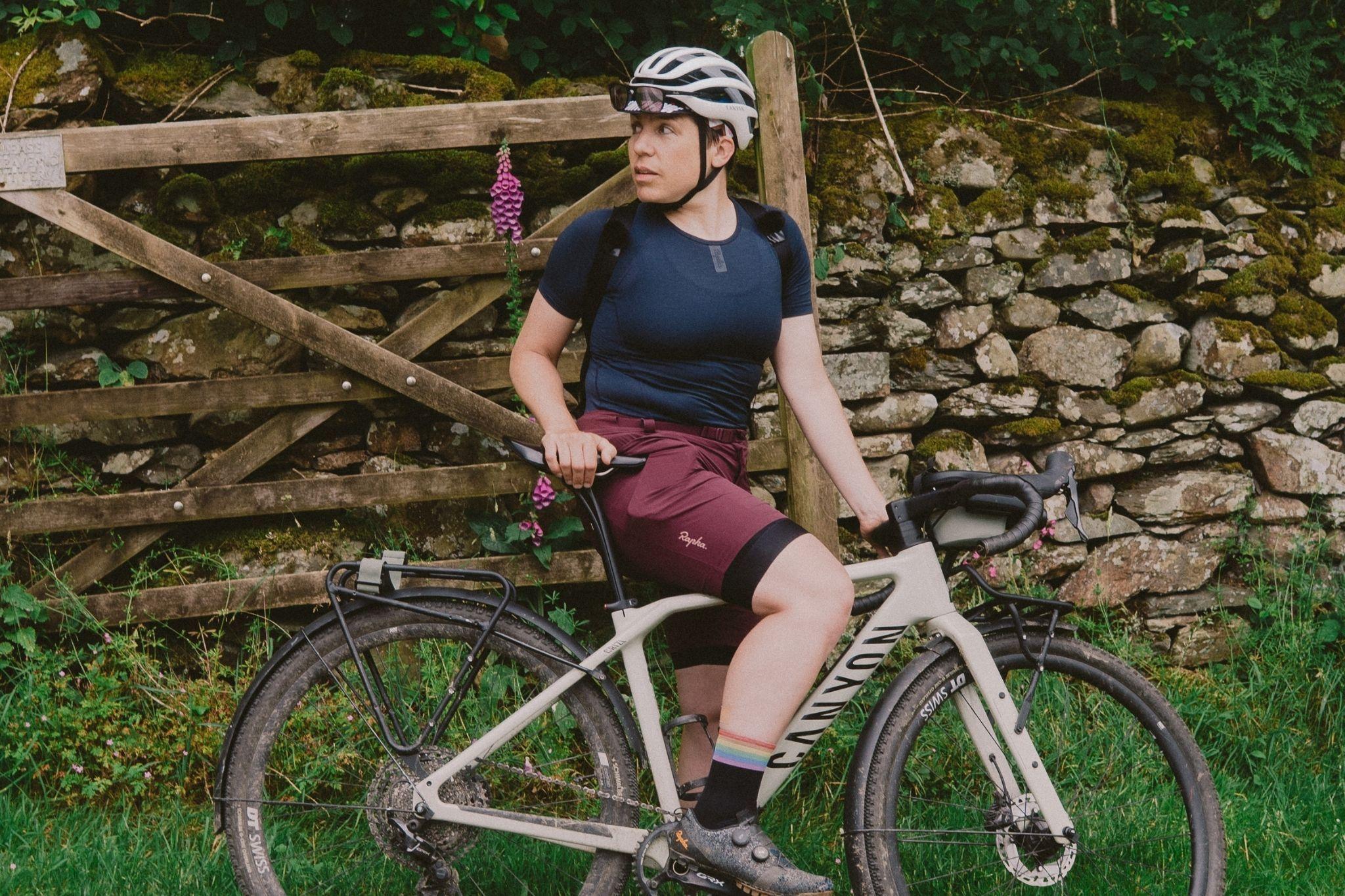
Let's just head up and get on the road again, I think. Right, so we're finally crossing the river that we've been following for a little while. And this river goes further up the valley there, but runs all the way down to Kendal there. Gets a lot bigger as it goes. So this is Staveley, end of the journey. And we're here by, well, beside the River Kent, which runs back down to Kendal, where we'll be going shortly. And a nice place to stop for a cup of tea and ice cream. It's a good place to finish a ride.
I said before, one of my motivations in cycling is curiosity and is seeing things and finding things and learning things and, you know, making little discoveries. And it's something I've noticed even back in the day when I was just riding around London. If you're going to the same places again and again, you find little things like a certain branch of a tree that's gradually changing colour every day of October. Or, you know... an empty flower bed in a park, but gradually in spring you see the green shoots and then you see you see the flowers come up, and on my longer rides at certain times of day the light is different and trees behave differently. You see the world change and you find little things in it, and yeah honestly I don't even think I need to go a long way now, there's always going to be so many little things to discover.
There's something I've noticed particularly on my longer rides, like if I go out and spend all day on the bike, but also on my shorter rides. And it's quite a cheesy thing really, but on the long rides I do, it just makes me happy. It always makes me happy. Almost always. A bike ride, and now I realise I'm doing shorter, easier bike rides, that does too. It's my most reliable route to happiness. And I've been doing it for years now. And really, every single bike ride makes me happier than I was before I left.
And I just think, how lucky to have that. How lucky to have a button you can press that makes you happier. A lot of people spend many years looking for that, and I found it.
Depending on your level of cycling ability, that would have left you feeling anywhere from desperate to clip into your ceramic Keo blades, to wobbly with the mere thought of all that pedalling, the good news is that anything from inching away up Mont Ventoux to a gentle country trundle is worth doing. It's no problem if you can't keep up with Emily - there aren't many who can.
We'll be back soon with another great guest. And in the meantime, keeping it out for part two of our Soundscape series, coming soon from a stream in the South Downs. Please remember to rate and review A Life More Wild wherever you get your podcasts to. It really does help. Bye.
Why we're one of the highest scoring travel B Corps in the world
People
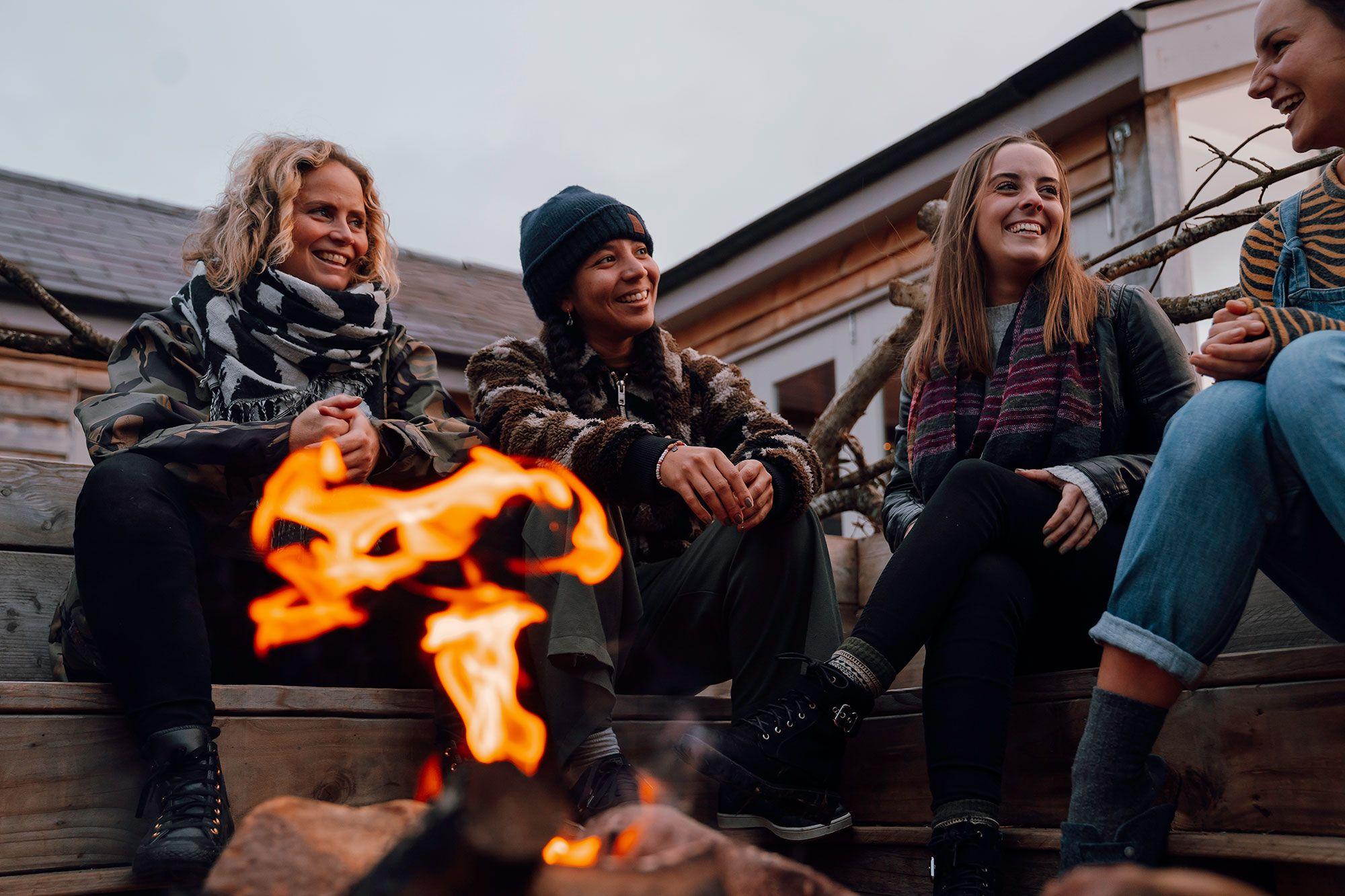
We're majority employee owned, which means we all get a say in how the business is run.
Profit
Our Charitable Trust uses 24% ownership of the company to support environmental causes
Planet
We're committing to raise £50,000 by 2027 to help protect nature in our national parks.