





Our Overtourism Policy
Background & approach
Media headlines and tourism data have been clear on the negative impact of overtourism; a 2018 report commissioned by the European Parliament found that the potential effects are severely putting both natural and cultural heritage sites at risk through a mix of environmental, economic and social factors, with coastal regions, islands and rural sites amongst the most vulnerable destinations.
As a business, we are contributing to the negative impact if we continue to send visitors to over-subscribed destinations without putting some measures in place that alleviate the pressure. With this policy, we aim to demonstrate one way in which a travel company can provide a solution and sensitivity to a complex problem and encourage others to look to implement their own solutions.
We have decided to cap the number of properties we represent in locations that have a problem with overtourism, and where second homes used as holiday lets are impacting local communities. Although capping Sawday’s / Canopy & Stars / Paws & Stay properties won’t solve overtourism, it does demonstrate an acknowledgement of the problem and that we are taking action to improve the situation.
Travel and accommodation companies placing limitations will help mitigate over-demand. While this approach may increase prices and make it less accessible to those on lower incomes, a targeted strategy to promote less visited places will help, as will encouraging travellers to opt for often cheaper and less busy periods. What is clear is that doing nothing is no longer an option, even at a cost to our business, in the same way that flights using sustainable or green hydrogen fuel cost more but should become the norm. Some cities, such as Dubrovnik, have started capping the number of cruise ship calls, so this is an approach already applied by destinations. We are proud to be the first company to cap the number of places to stay in an affected destination.
Our impact may seem small through this policy, but we are aiming to inspire other travel and accommodation companies to consider reducing capacity and place self-imposed caps on their numbers of properties or bed numbers in affected destinations. National, regional and local councils, governments and tourist boards need to play their part with a range of measures to counter this problem as we are only a tiny part of solving this complex issue.
In addition to capping, we’ll provide information to guests to help them make informed decisions about responsible tourism and how they can help reduce overtourism. In this, we’re glad to have the excellent example of Responsible Travel, who produced this superb programme, to follow.
The caps we are introducing...
We will cap by the number of properties, rather than beds. Our policy includes all types of places to stay. The number of places capped are shown below and each Sawday’s brand will have their own limits. If an owner features a place with two or more brands, this will only be counted once. Any arbitration will be carried out by our Sustainability & Impact Manager.
Canopy & Stars
Isle of Skye (6) - Remote area and significant impact on local services, traffic and congestion, parking, litter, path erosion and overcrowding at places like Fairy Pools
Lake District National Park (20) - A rural area with impact on communities such as traffic, parking issues, pollution, litter and shops catering to tourists not locals. Second home holiday lets are also an impact.
Snowdonia National Park (8) - The area is attracting more tourists than the community can cope with and high numbers of second home holiday lets contribute to this. The impact includes litter, footpath erosion, wild camping, traffic levels and parking problems. In the summer of 2021 the conservation charity Snowdonia Society removed 1033kg of litter left on mountainsides and in lay-bys.
Sawday's
Read MorePaws & Stay
Read MoreOngoing management
Since releasing our policy in April 2022, we have continued to monitor and reassess the evolving challenge of overtourism. It remains a prominent issue and rightly so. While the dynamics are complex and shift year to year, the underlying trend is clear - the global travelling population is growing exponentially, we're still visiting a small number of destinations and people’s seasonal preferences are only shifting slightly.
We have always recognised that capping alone is not a complete solution. We are committed to ensuring that the owners and properties we represent are doing everything possible to reduce the impacts of overtourism. We have therefore undertaken a comprehensive audit of all properties in capped destinations against four key criteria: community integration, guest education, sustainable transport and environmental practices. Through ongoing advice and support, our aim is to ensure that every property scores highly across all four areas.
Looking ahead, our approach will remain deliberate and driven by these clear standards. If and when all properties within a capped destination achieve the highest impact rating, we will consider allowing additional properties to join, providing they meet the same standards. We will report transparently on our progress in future impact reports. As the landscape evolves, we will also keep our list of capped destinations under review and adjust limits where appropriate.
Why we're one of the highest scoring travel B Corps in the world
People
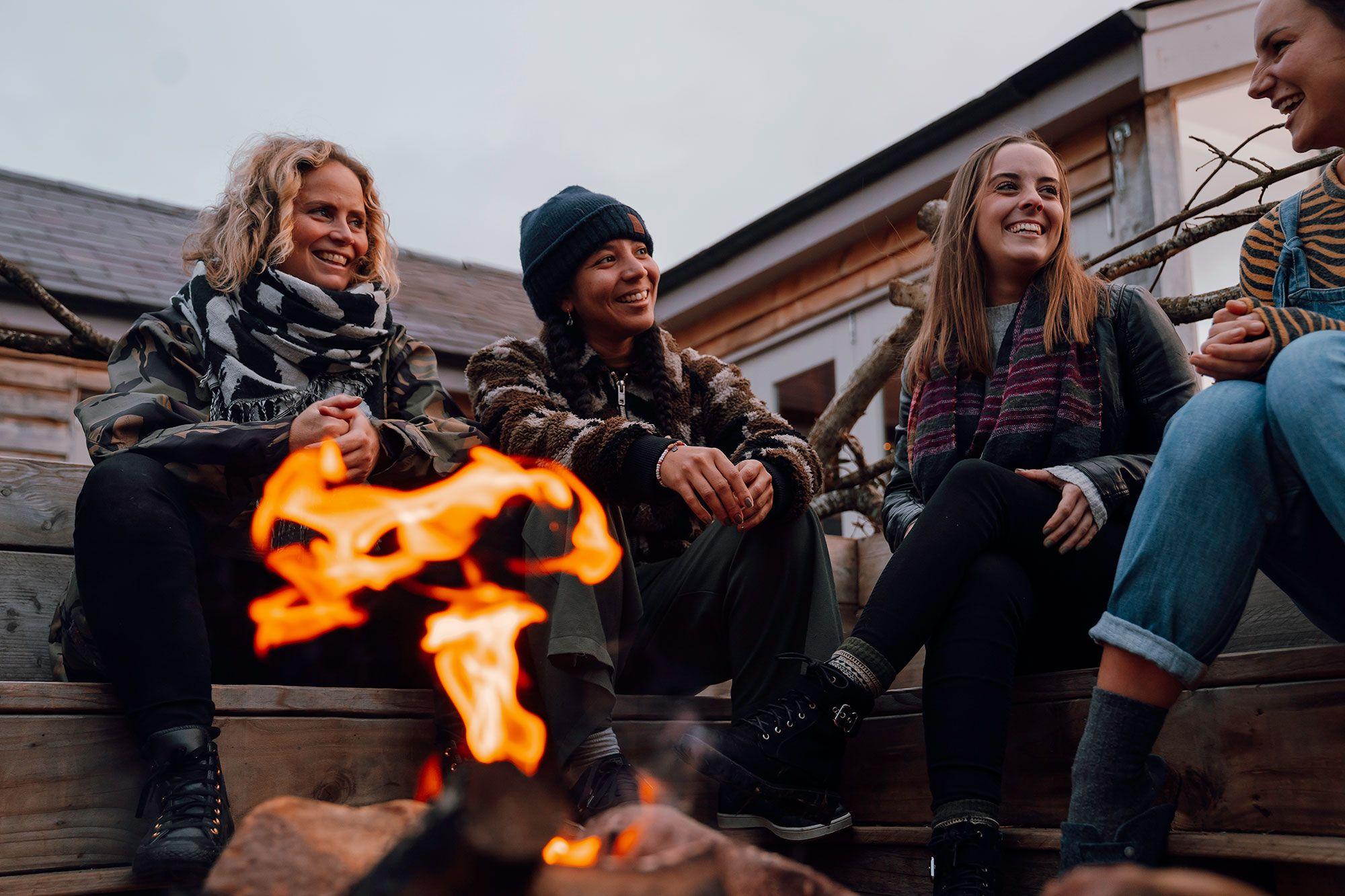
We're majority employee owned, which means we all get a say in how the business is run.

Profit
Our Charitable Trust uses 24% ownership of the company to support environmental causes
Planet
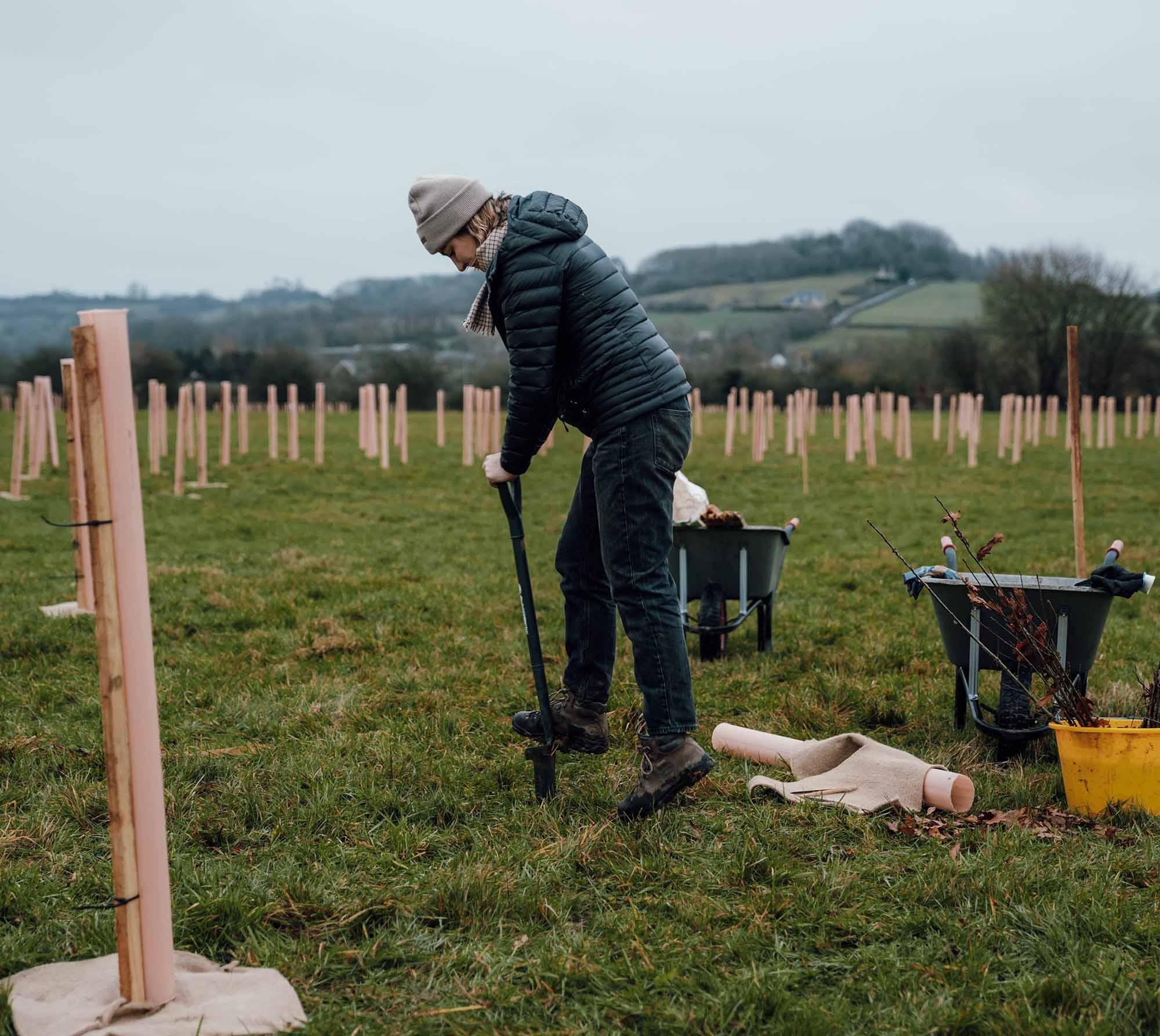
We're committing to raise £50,000 by 2027 to help protect nature in our national parks.