




Why Viking wellness is making a comeback
Part of our 'hot tubs and wild water' series
Written by Beth Tingle
Last updated June 2026
Read time: 6 minutes
After several years of hyper-productivity culture and apps reminding us to breathe, the ancient logic of what is now being named “Viking wellness” is making a very modern comeback.
At its core, Viking wellness is built around moving your body through hot and cold cycles. Traditionally, that meant saunas followed by icy sea plunges or geothermal pools surrounded by snow. But you don't need a fjord or a Nordic winter to experience that same feeling.
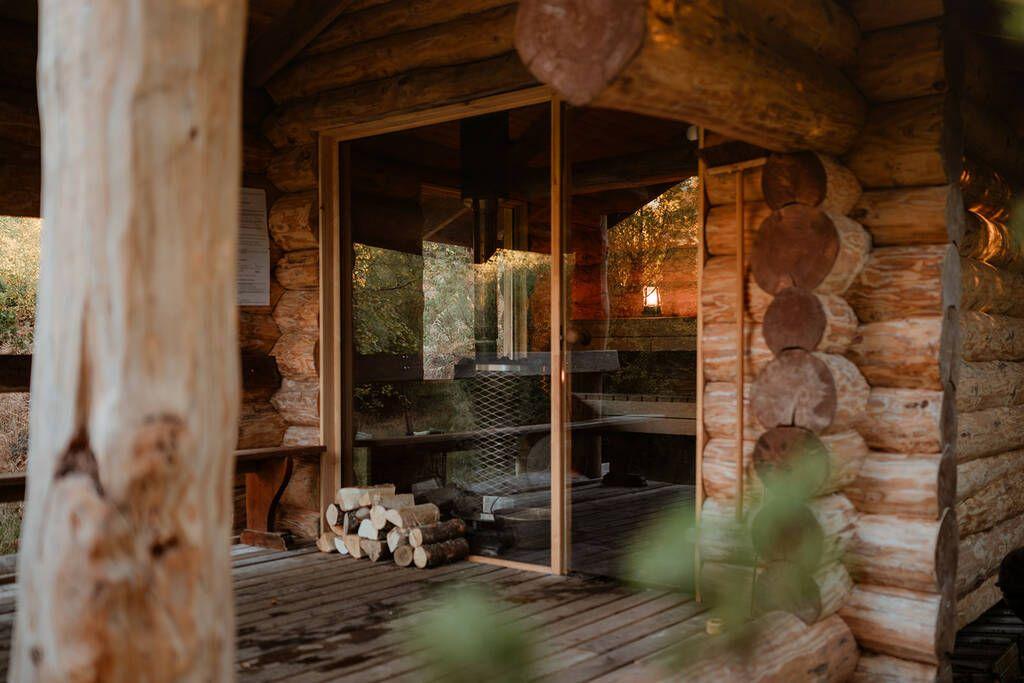
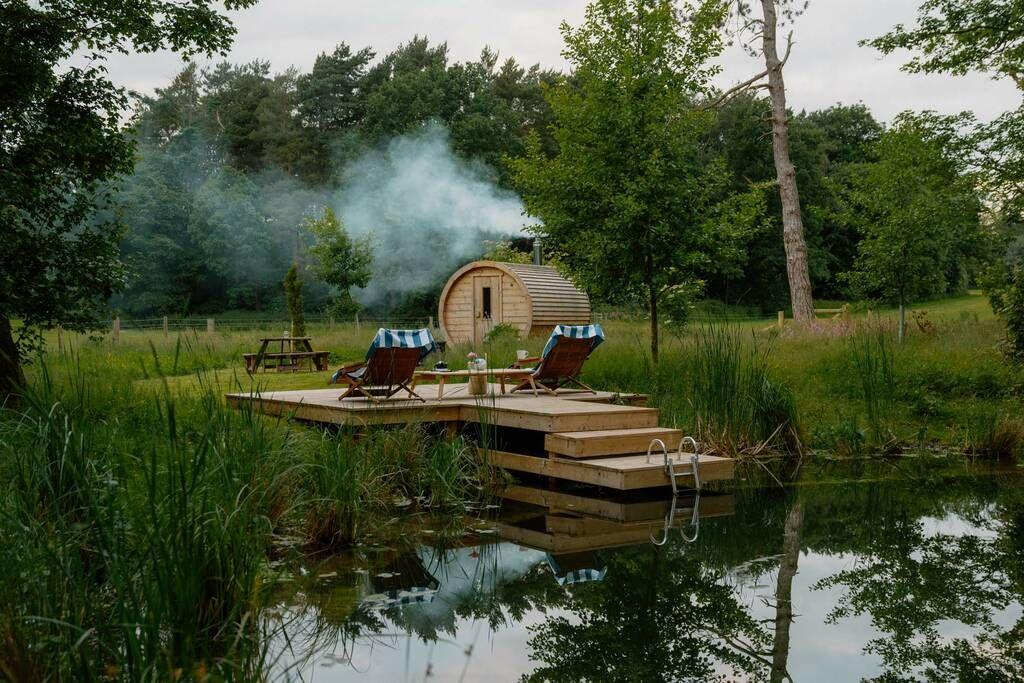
Across the UK, cold-water swimming clubs are booming, wood-fired saunas are appearing beside lakes and beaches, and hot tubs are becoming less of a holiday gimmick and more of a way to bring outdoor warmth into the experience. At many Canopy & Stars stays, guests are naturally creating their own version of these elemental routines, rediscovering the simple pleasures that hot tubs and a bit of wild water can bring.
Why the Vikings probably weren’t calling it wellness
The Nordic relationship with heat and cold began mostly as a practical response to existing in places where winter behaves like a hostile deity. Geothermal pools became gathering spaces because they were warm and over time, it became part of the everyday lifestyle. In Finland, saunas were where people washed, healed, socialised and even gave birth – yes, seriously!
Across northern Europe, cold plunges and steam rooms formed part of ordinary life long before anyone started selling overpriced sauna hats online. And the point wasn’t self-improvement, it was regulation. Warm up > cool down > move > eat together > sleep better. There’s something refreshing about that kind of age-old wisdom, especially now when people seem exhausted by performative wellness, tracking recovery scores and pretending the latest superfood fad tastes exciting.
What many of us actually want is to feel grounded and to simply leave our own heads for a while, which is partly why elemental experiences feel so compelling.
The body likes a bit of weather
There’s something slightly funny about how much effort modern life makes to remove us from sensation. We live in carefully temperature-controlled boxes and travel between them in heated cars. Many of us spend whole days under artificial lighting conditions and then wonder why our brains feel like damp cardboard.
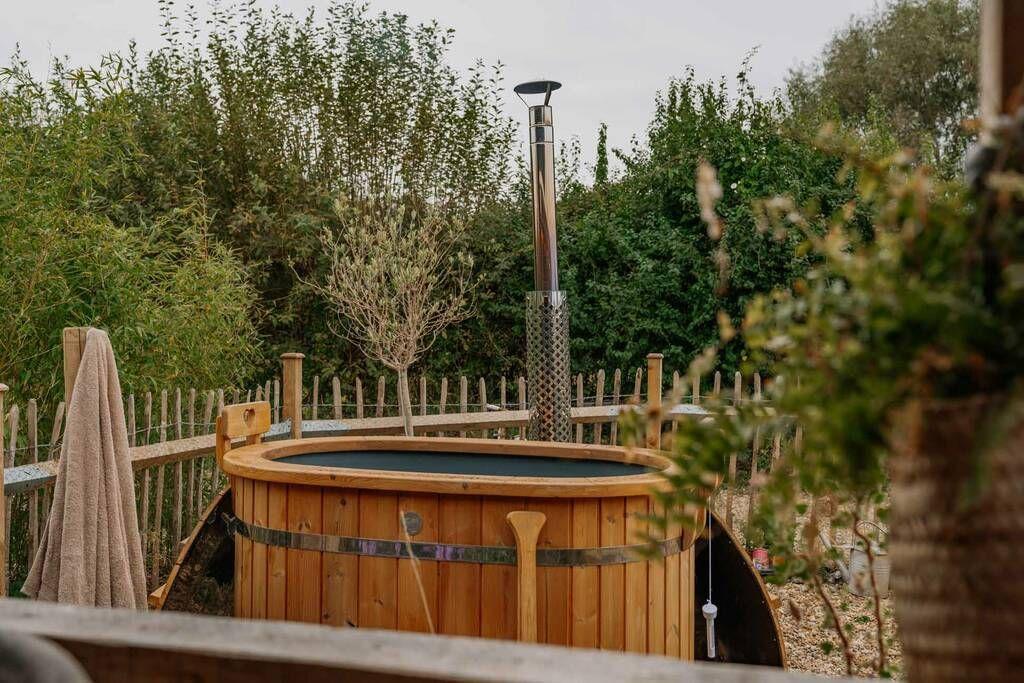
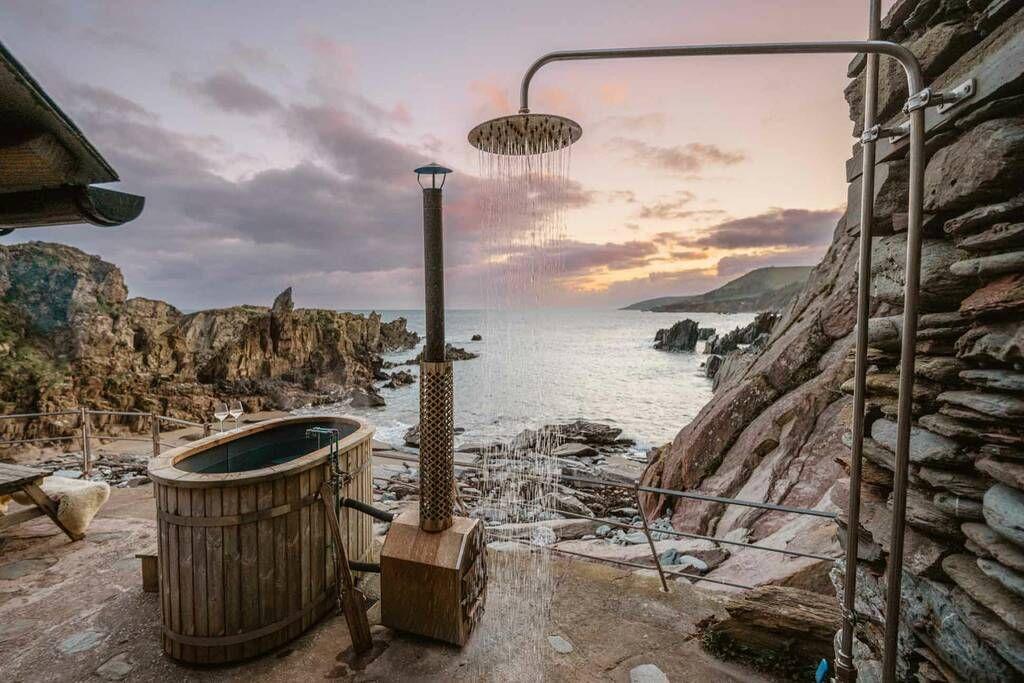
Contrast bathing interrupts the simulated conveniences of modern life and returns the body to something wilder. You lower yourself into cold water and every single thought in your head vanishes except one: cold. It’s extraordinarily clarifying. Then comes the heat. Plonk yourself in a wood-fired hot tub steaming gently under pine branches, grab a mug of something warm and you’ll quickly feel the blood returning to your fingers while your body recalibrates itself.
The appeal isn’t really about biohacking or punishment. Your body just enjoys being reunited with the natural world.
The strange joy of voluntary discomfort
There’s also a strange emotional satisfaction in choosing mild hardship. Not real hardship (the Vikings would probably have considered it a fairly soft afternoon), but there is something psychologically beneficial about stepping into cold water. Cold immersion creates an immediate physical experience and wakes the ancient part of your brain. Your breathing changes, time sharpens and then afterwards comes the small private triumph of having done it.
The reward is difficult to describe without sounding slightly evangelical. You emerge brighter somehow and a little cleaner around the edges, like somebody’s cracked open a window in your brain to let the breeze in when the air got too stuffy. And when heat follows cold in the form of a hot tub or a sauna after a freezing swim, it doesn’t feel luxurious in the usual sense that you might find in a spa. It feels medicinal in the oldest, least clinical meaning of the word.
Why this works particularly well in nature
Cities are great at many things. Dumplings, bookshops, Instagrammable coffee shops. But they are not especially good at nervous system regulation. Nature, on the other hand, excels at it. At a Canopy & Stars place, that nature connection becomes immersive and healing in the best sense.
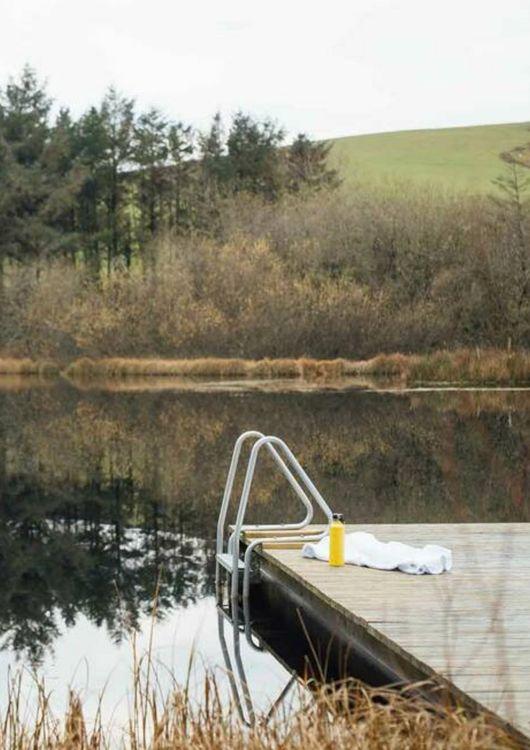
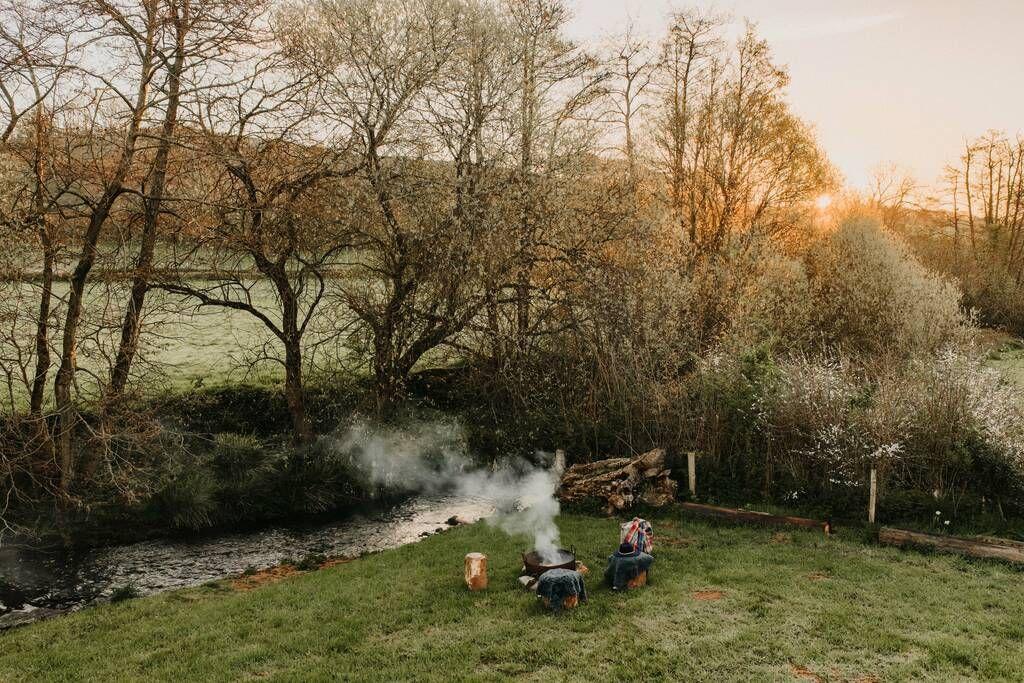
Picture this: you arrive somewhere with a cedar hot tub tucked beside a cabin, maybe overlooking a private lake with a jetty disappearing into the water. Maybe there’s rain drumming on the roof while you sit wrapped in a towel wondering whether you’re brave enough for another plunge. There’s the smell of wet earth and smoke from the campfire, the sound of birds somewhere beyond the trees and the almost cosmic bliss feeling of pulling on warm socks after cold water.
These tiny sensations are ancient pleasures that shift wellness away from something performative or something to be consumed, towards something rooted in environment and experience. These are places where you can dip into icy cold lakes, heat yourself slowly in woodsmoke warmth and then watch your breath cloud the outside air before slipping into water hot enough to make your whole spine unclench.
The return of shared rituals
There’s another reason Viking-style wellness feels timely. It creates structured togetherness without demanding constant interaction. You can sit side by side in steam or walk together towards freezing water debating whether this is a good idea. You warm up afterwards around a fire pit eating something smoky from a grill, and nobody needs to perform or sit there grasping at what to do.
The old Nordic rituals were communal, rooted in repetition, landscape and shared experience, which is a part of what people are rediscovering now. Not just the physiological buzz of hot and cold, but the emotional relief of simple rituals that involve other humans.
A simpler kind of reset
The Nordic approach to wellness was never very complicated. Get outside, embrace a bit of weather, then warm yourself up properly afterwards. Somewhere along the line, those habits became known as “contrast therapy”, but the principle has stayed reassuringly simple. At a Canopy & Stars stay, you can experience your own version of it in a more accessible, beginner-friendly way through cold lake dips, steaming hot tubs and evenings spent by the fire, all at your own pace without needing the pain threshold of a Norse seafarer.
In a world increasingly designed to buffer us from natural sensation, there’s something deeply reassuring about experiences that bring us back into contact with it. Human beings are supposed to experience warmth beyond central heating and a stuffy tube at rush hour. That’s probably why these elemental rituals and contrast therapy continue to resonate centuries later. Not because they transform us into “better” or “optimised” people, but because they allow us to briefly return to being a very old kind of human.
Other articles you might like
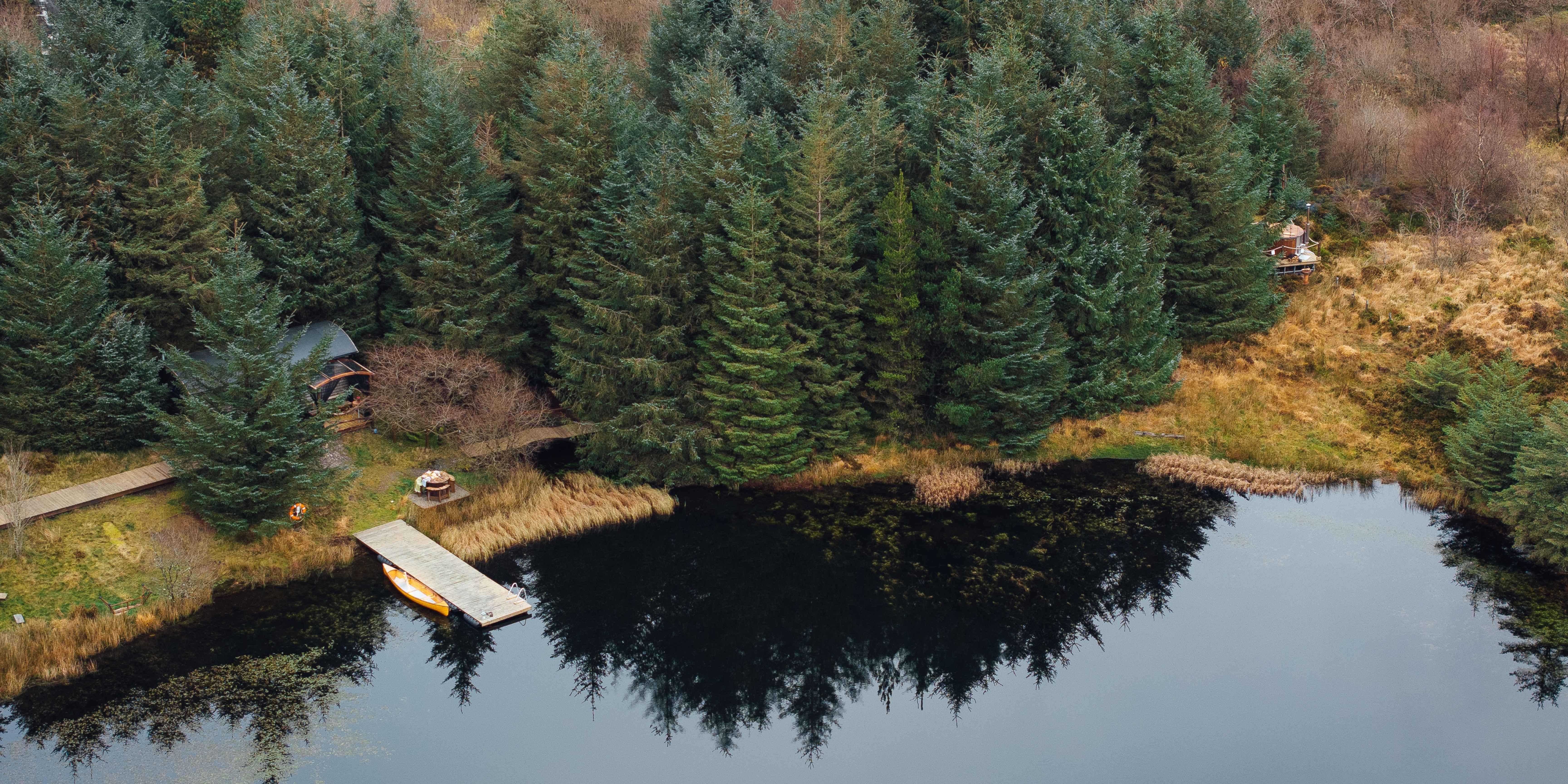
The joy of a private swimming lake just steps from your stay
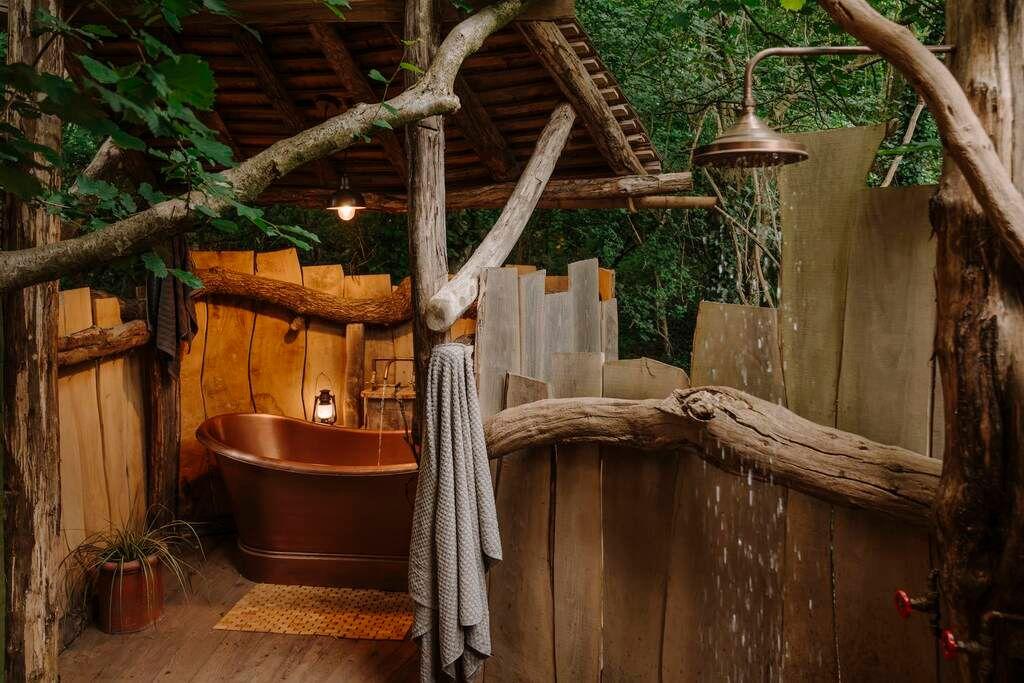
Soak up the outdoors with our best outdoor baths and showers in the wilds