



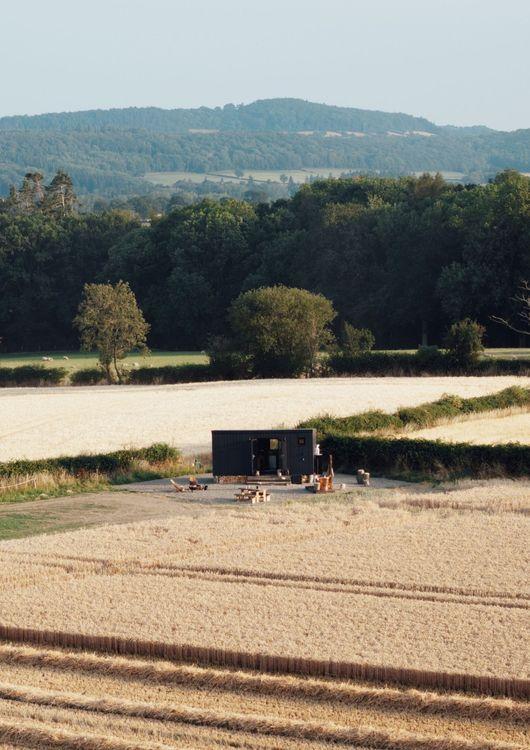
What effect are the climate and sustainability having on the market?
The climate crisis impacting every facet of our lives and the travel industry is being slowly, possibly too slowly, reshaped by growing awareness of environmental impact.
Sustainability is becoming a significant factor in guests decision making and should be considered whether you're building from scratch, redeveloping a site, or just in how you introduce guests to your area.
Everything you can do to demonstrate consideration for the environment is good for your guests, good for your business and good for the planet.
Let's burrow down into the greenery.
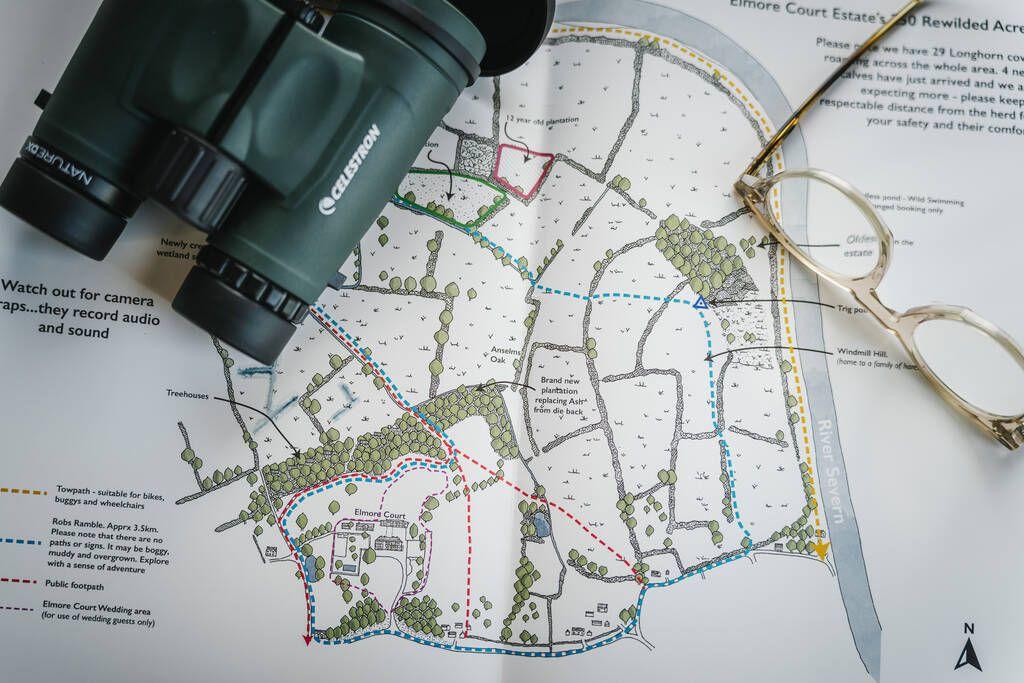
Consumer concern about the environment
It should come as no surprise that the climate and the sustainability of places are two large and linked concerns for our audience and the wider industry.
In a report from Booking.com (yes, we know, but they do have a lot of useful data) 74% of travellers said that concerns about extreme weather now played a part in their decision-making process.
There was also a Barclay's Consumer Spending Report which showed how keen people were for the extreme heat of summer to give way to winter.
Is climate change shifting seasonal peaks?
At the moment, it seems not. Travel's peak times, certainly domestically, are still in their traditional places, but we may soon see this start to change, especially among guests without kids, for whom holidaying in school term time is easier. What it is already doing is affecting the choices made at those times, with more than a fifth of people telling Visit Britain that climate change influences their holiday planning, a sentiment which was stronger among younger respondents. 29% of those surveyed even said that they'd specifically looked for sustainable holiday accommodation.
How can owners respond?
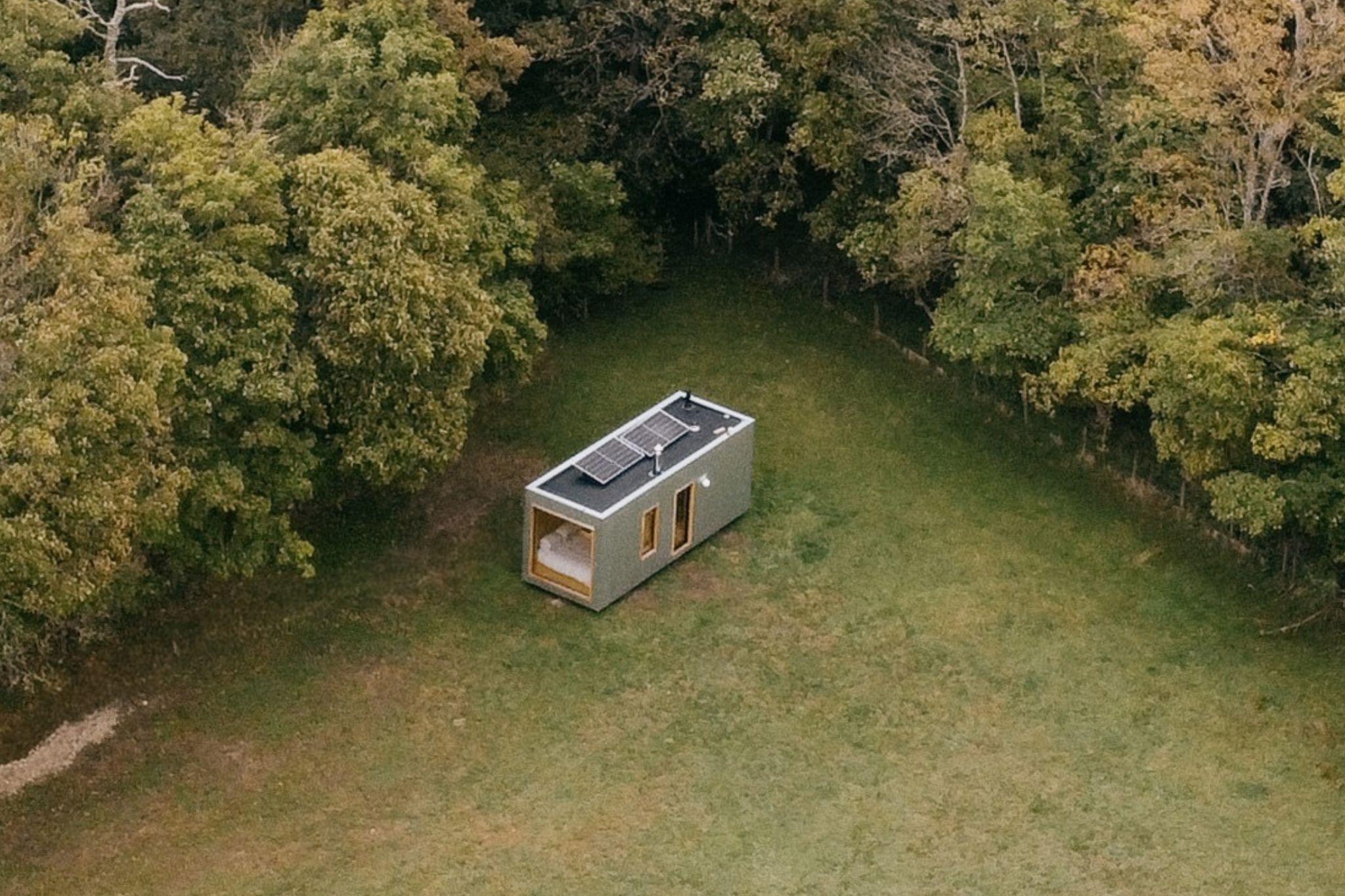
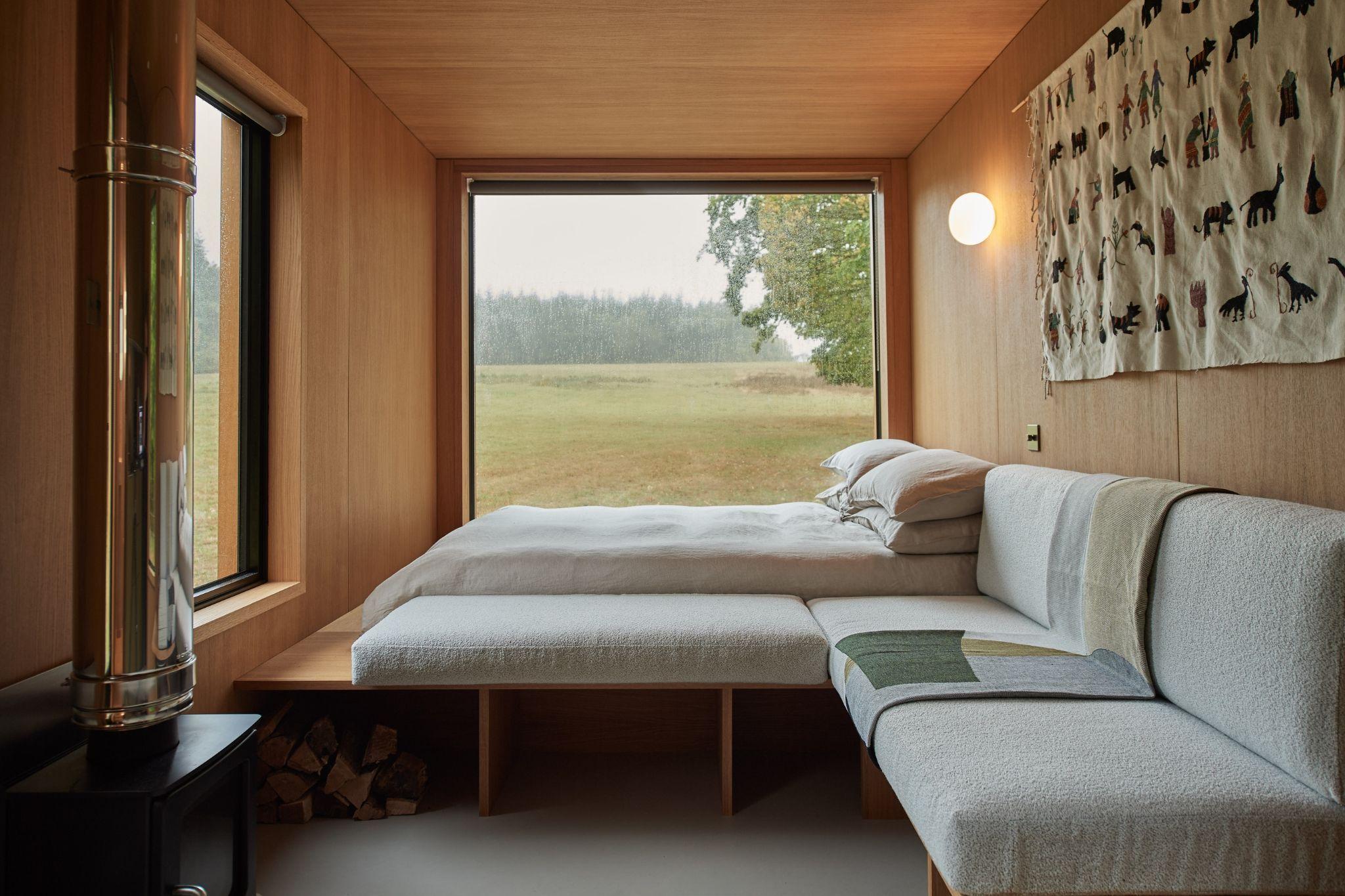
There are a few approaches we've seen from businesses adapting to the changing landscape. Some are high cost, some are simpler things that might be easily implemented, but all of them are worth considering as sustainability begins to move from being a niche concern to being a filter before the filters.
The quick changes
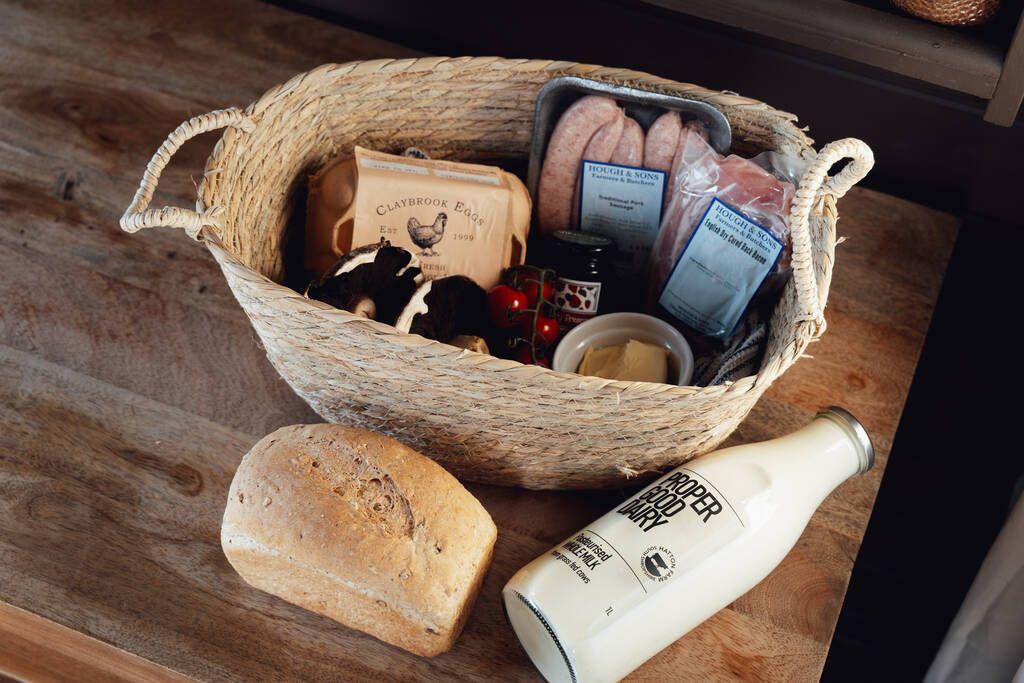
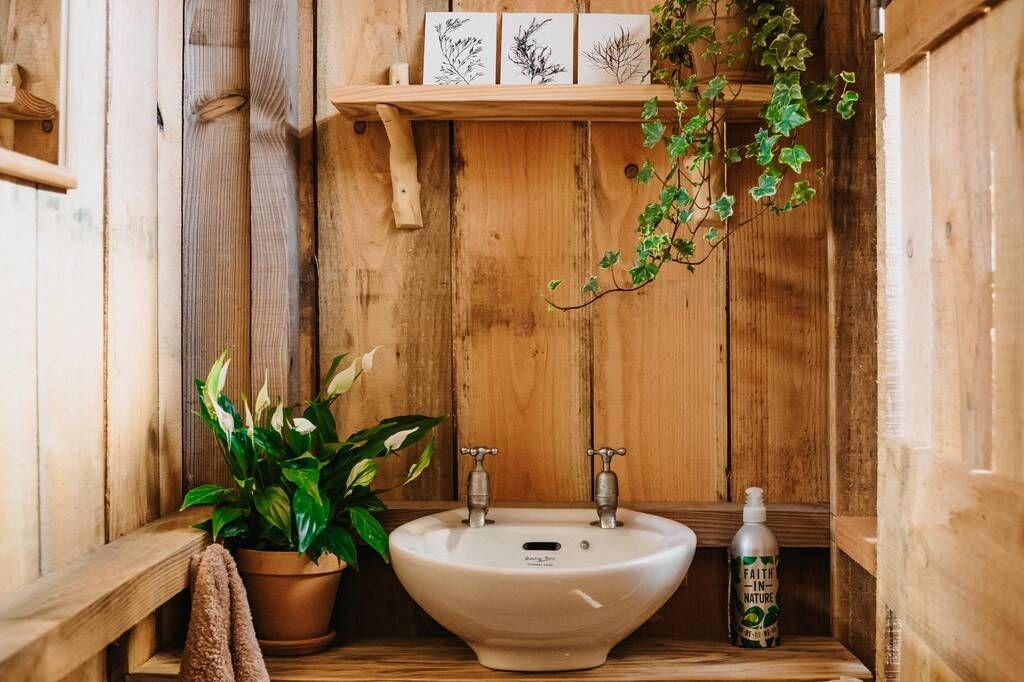
Some of the easiest things that can be done to be more sustainable involve the wider stay, rather than the space itself. Stocking local suppliers for food and toiletries, or encouraging sustainable travel, either through financial incentives or just displaying detailed information to guests, can all help to make you "greener" but also give guests a greater sense of place. The local honey and the train journey will be the little things they tell people about and post about on social. The more reasons you give someone to talk about their trip, the better, so this is an environmental and business win-win.
A little more involved
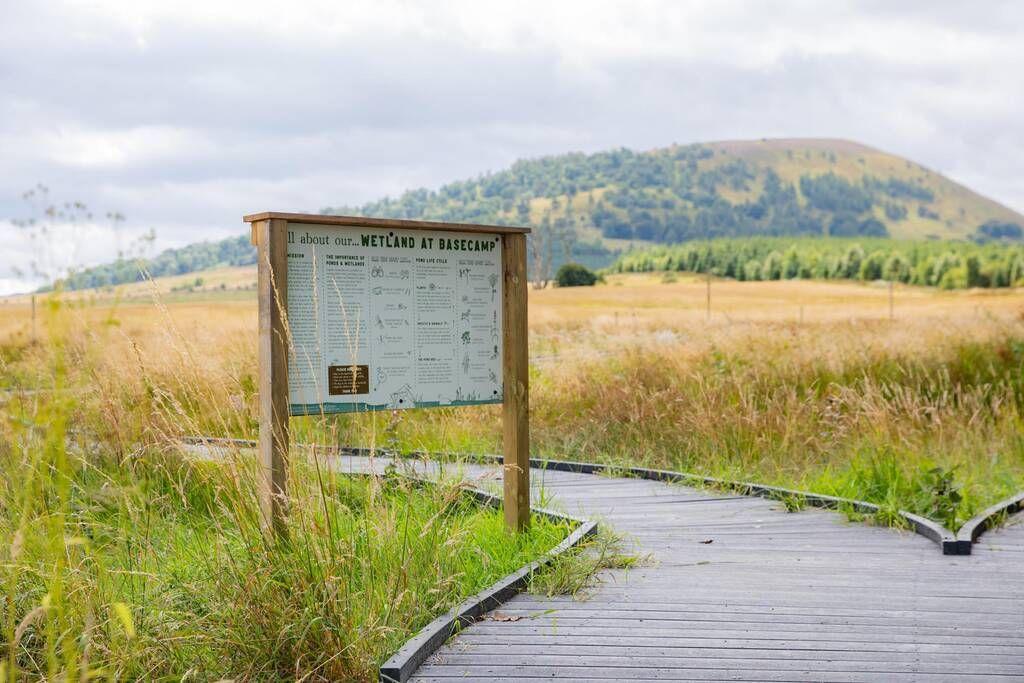
Rewilding and land management are the next level up. They can be tricky to take on, but they too have a double-sided benefit. What's good for the planet is once again good for guests. Increasing biodiversity and encouraging varied habitats to thrive means a deeper wildlife experience for guests – another thing they are likely to talk about.
Green from the ground up
Of course, the best way to be environmentally sound is to design with the climate in mind from the moment you start. With extreme heat set to be a staple part of our future, think about planting for shade or using a living roof or a blue roof to add cooling or water storage. Position windows and indeed the whole space for good air flow, as well using shutters so guests can keep out the sun.
What's the one big takeaway?
Designing for the climate is also designing for climate-aware guests, so many environmentally sound measures are not a compromise, but an enhancement of the experience. To put it simply, more bees means more bookings.
Why we're one of the highest scoring travel B Corps in the world
People
We're majority employee owned, which means we all get a say in how the business is run.
Profit
Our Charitable Trust uses 24% ownership of the company to support environmental causes
Planet
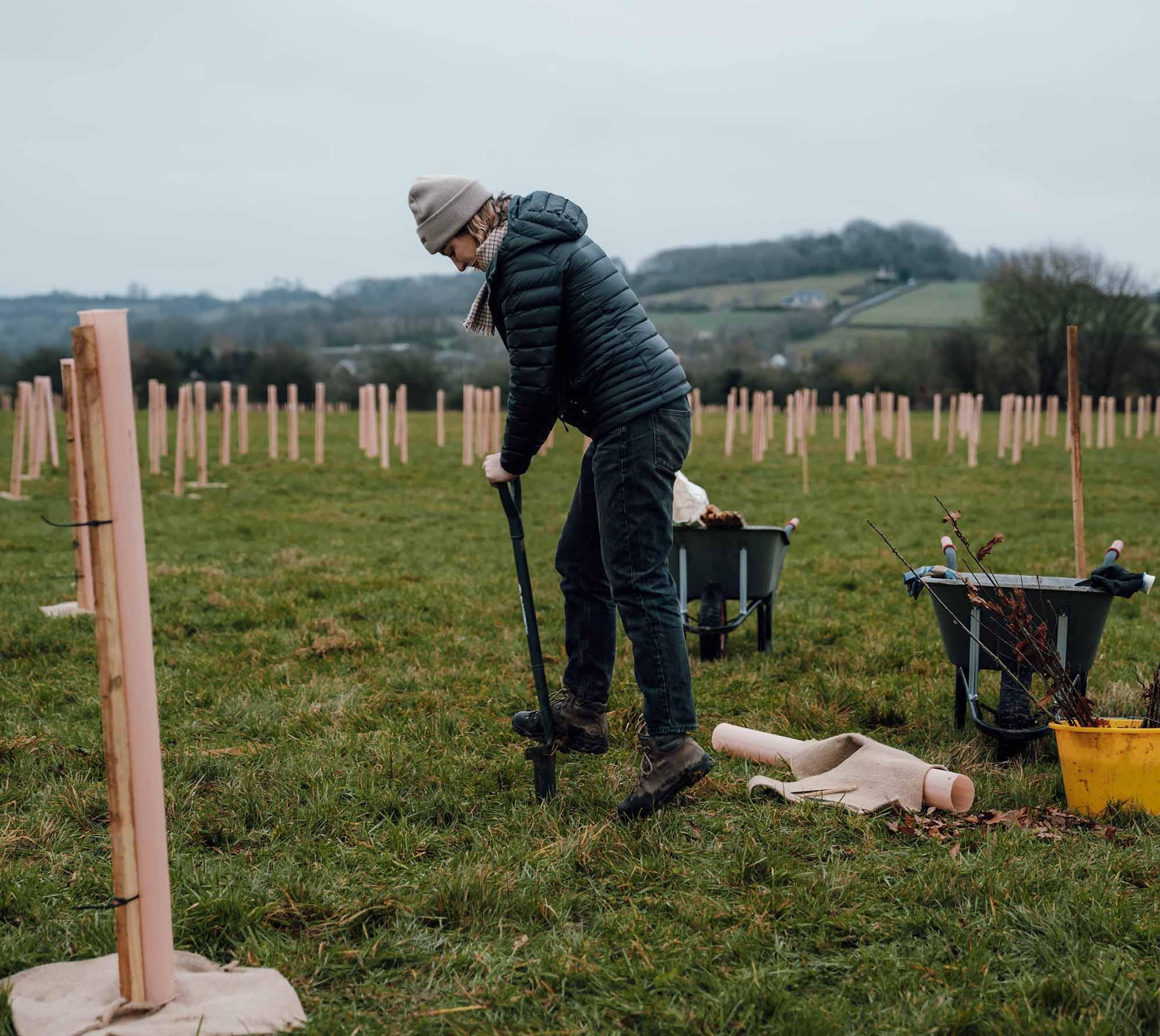
We're committing to raise £50,000 by 2027 to help protect nature in our national parks.