







Extreme summer weather: Managing water shortages, hosepipe bans and wildfire risks
The UK's summers are changing. Heatwaves, exceptionally dry conditions and prolonged periods of low rainfall are becoming more common, bringing with them challenges that many glamping businesses haven't had to consider much in the past.
From local hosepipe bans and reduced water supplies to restrictions on outdoor fires during periods of extreme wildfire risk, these situations can sometimes affect the experience guests were expecting when they booked. While these events are outside anyone's control, one thing that seems certain is that they are here to stay and will present challenges in the years ahead.
Clear communication and careful planning can help minimise disruption for both you and your guests. This guide explains how we'd generally approach some of the most common situations and what we'd recommend if your spaces are affected.
Water shortages & restrictions
Water shortages can affect spaces in different ways depending on how your water is supplied and the restrictions in place.
Some spaces may be connected to the mains supply and only affected by temporary water usage restrictions, while others rely on private boreholes or springs that can become depleted during prolonged dry weather.
If you become aware that your water supply may be affected, it's worth understanding exactly what restrictions apply and how they impact your business.
Check what applies to you
- If you're in an area affected by a Temporary Use Ban (commonly known as a hosepipe ban), first check the guidance from your local water authority. In many instances commercial accommodation businesses may be exempt from certain hosepipe restrictions, meaning things like the filling of a hot tub is still permitted even whilst the ban is in place for domestic use.
- If your space relies on a private water source such as a bore hole, monitor supplies closely during extended dry periods so you have as much notice as possible if availability begins to reduce.
- The earlier you understand the likely impact, the more options you'll have when managing upcoming bookings.
Water shortages affecting hot tubs and outdoor baths
For many guests, a hot tub or outdoor bath is a key reason for choosing a particular stay. If a water shortage means you can no longer fill or safely operate the hot tub or outdoor bath, we'd recommend letting guests know as soon as possible.
Existing bookings
If the booking was made before the restriction came into place, guests may reasonably feel that an important part of the experience they've booked is no longer available.
Where a stay goes ahead without use of the hot tub, we'd normally recommend some form of partial refund or goodwill gesture (usually around 15-20%) to recognise the reduced experience. If you expect restrictions to continue for some time, alternatively you could also offer guests the option to move their stay to a later date, when operationally possible.
Future bookings
If you already know the hot tub or outdoor bath won't be available for a prolonged period, reach out to your account manager so we can update your listing promptly. This ensures all future guests who may be affected are booking with the most up-to-date information, saving them disappointment and you further admin.
Water shortages affecting washing or drinking water
Where water shortages extend beyond the outdoor bathing experiences and begin affecting essential facilities such as washing, toilets or drinking water, the situation becomes more significant. Depending on the severity of the circumstances, options might include:
- Providing temporary alternative water supplies or washing facilities, so long as the guest experience isn’t too adversely affected
- Offering guests the opportunity of a free date change
- Cancellation/full refund
- Temporarily closing availability if essential facilities cannot be maintained for a sustained period
Access to clean water is a fundamental part of any stay and it’s likely that we may have to move or cancel affected guests. Speak to your Account Manager as soon as possible, we'll always work with you to advise on the most appropriate solution.
Wildfire risk and restrictions on outdoor fires
Periods of prolonged dry weather can also lead to increased wildfire risk.
Sometimes the local fire service or land management authority may advise against outdoor fires, while in other situations you may decide yourself that conditions on your land make outdoor fires particularly unsafe during certain periods.
Acting responsibly and reducing risk to protect the local area, coupled with considerations about guest safety should always be your key priority.
If you conclude that outdoor fires shouldn't be used, we'd recommend contacting affected guests before arrival so they're aware of any temporary changes to avoid unwelcome surprises and so they can prepare for their stay accordingly.
Fire risks affecting wood-fired hot tubs and outdoor baths
If wildfire precautions mean your wood-fired hot tub or wood-fired bath can't be used, we'd generally approach this in the same way as any other hot tub outage.
Where guests booked expecting access to the hot tub, we'd usually recommend offering an appropriate partial refund or goodwill gesture in acknowledgment of the loss of facility and to encourage the stay to go ahead.
Or where possible, give guests the option to move their booking to another date.
Fire risks affecting leisure fire pits
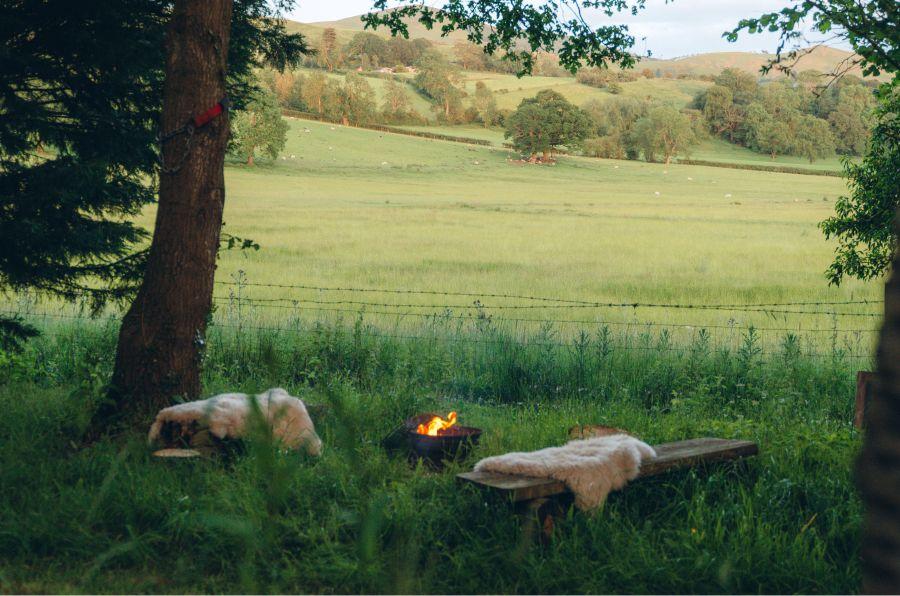
Many spaces include a fire pit as an additional feature for relaxing in the evening.
If guests can't use it because of wildfire precautions, we'd generally see this as a temporary safety restriction rather than the loss of a core part of the stay.
Provided guests are told before arrival, we wouldn't normally expect any form of refund to be required purely because the leisure fire pit isn't available.
Fire risks when the fire pit is the main cooking facility
Some spaces rely on an outdoor fire pit as the primary cooking method.
If guests can no longer cook safely during their stay, the impact is much greater than simply losing an additional feature.
Depending on the circumstances, this might include:
- offering a small goodwill payment if guests are still happy to continue with the stay
- providing an alternative, safe cooking solution where possible
- offering guests the opportunity to move their stay to another date if they'd prefer.
If there isn't another suitable cooking facility available, we'd recommend discussing the options with your Account Manager before guests arrive.
Barbecue cannot be used
The same principle applies if a barbecue forms the main cooking provision for the space.
If guests still have access to a fully equipped indoor kitchen, temporarily removing the barbecue is unlikely to have a significant impact beyond setting expectations before arrival, as long as guests are made aware in advance and can shop accordingly.
However, if the barbecue is the only practical cooking facility available, we'd usually recommend offering either a safe alternative way to cook or discussing an appropriate goodwill gesture if the stay continues.
Fire risks affecting wood-fired pizza ovens, chimeneas, saunas or other amenities
Consider whether guests can safely use these amenities with a contained fire and ensure you provide extra measures to make it easy for them to do so (ash buckets, fire extinguishers close to hand, clear instructions for use and process for fire emergencies).
If you remove the use of these wood-fired amenities, consider the impact on the overall guest experience. A holiday without the use of a chimenea is unlikely to affect a guest’s stay, compared to a fully restricted outdoor kitchen and no sauna experience.
Creative solutions
Although extreme weather conditions bring challenges, they also open opportunities for you to tweak the guest experience as per the season.
- Repurpose hot tubs and outdoor baths as cold plunges, when water is unrestricted
- Promote use of the cold aspects of the sauna experience
- Highlight nearby swimming spots or cooler areas in nature for hot days
- Transform fire pit seating areas using battery powered lanterns and blankets

Key Considerations
- Your guest's safety is the top priority – Take necessary precautions and provide guidance if conditions become dangerous
- Communicate early – Let guests know as soon as possible if their stay may be affected. Most guests are understanding when changes are outside your control, particularly when they're given plenty of notice and clear information about what to expect
- Manage expectations – Be transparent and honest about the situation
- Put yourself in the guest’s shoes – Many bookings are made for special occasions, so empathy goes a long way
- Incentivise guests to keep their booking – If possible, offer a discounted stay or added extras such as a complimentary hamper or celebration package on the current or a future stay
- Check your insurance coverage – Ensure you know what you can claim yourself for lost income if you have to cancel bookings due to extreme summer weather events.
By being proactive and guest-focused in your approach, you can minimise disruption and maintain positive relationships with your guests, even in challenging conditions. That said we appreciate that there’s not a one-size-fits-all solution for every set of circumstances life may throw at you, so if you’re unsure of the best course of action, please contact your Account Manager on 0117 204 7857 or by emailing owners@canopyandstars.co.uk, and we’ll be happy to help you navigate the specific situation.
For advice on extreme weather in winter, you can read more advice here.